Industrial oils are the lifeblood of industrial development. Their applications are extremely wide-ranging, found in steel mills, military industries, hydraulics, machinery manufacturing, semiconductors, optics, metallurgy, power, railways, and many other sectors. Commonly used types include spindle oil, turbine oil, hydraulic oil, grinding oil, gear oil, turbine oil, rust preventative oil, cleaning oil, transformer oil, drawing oil, diesel oil, and kerosene.
Sino-Inst provides solutions for various parameter monitoring of industrial oils, including: oil pressure monitoring, oil temperature monitoring, oil flow monitoring, oil level monitoring, and oil density monitoring.
Characteristics of Industrial Oils
Flammability and Combustibility: Most mineral-based industrial oils (such as lubricating oils, hydraulic oils, and fuel oils) are hydrocarbons, belonging to Class C or Class B flammable/flammable liquids.
Volatility and Oil Mist Generation: Oils evaporate slowly at room temperature, but easily form oil mist or oil vapor under high-speed mechanical operation (such as gearboxes and high-speed spindles) or high-temperature environments.
Lubricity: Oils can form a stable adsorption or reaction film on friction surfaces, effectively reducing wear, frictional resistance, and energy consumption.
Thermal Stability and Thermal Conductivity: Oils need to remain stable within a certain temperature range. They may crack or oxidize at high temperatures; at low temperatures, viscosity increases dramatically, and fluidity decreases. Oils also play an auxiliary role in heat dissipation and heat transfer.
Compatibility and Material Adaptability: Oils have compatibility issues with sealing materials, coatings, and metals in equipment. Incorrect oil selection may lead to seal expansion/contraction, coating dissolution, and metal corrosion, causing equipment failure.
Therefore, when selecting sensors for oil-based media, we need to pay attention to details such as explosion-proof properties, viscosity, and temperature.
Oil Pressure Sensors
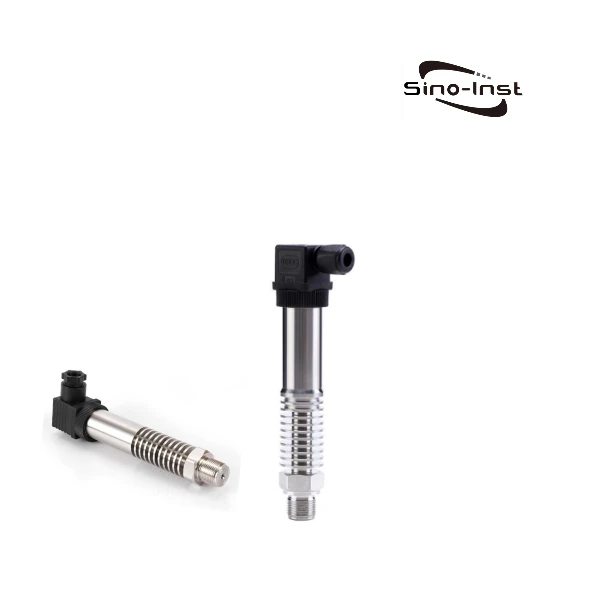
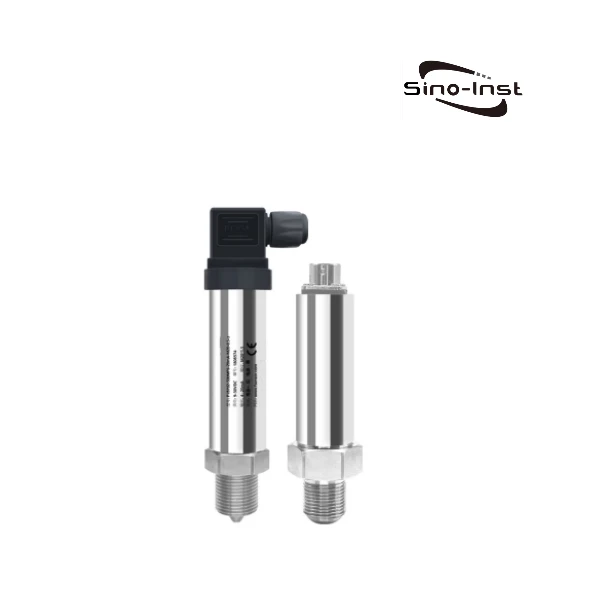
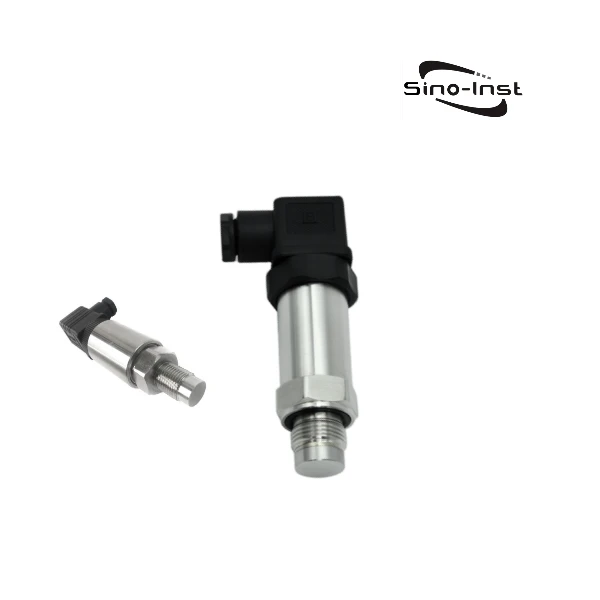
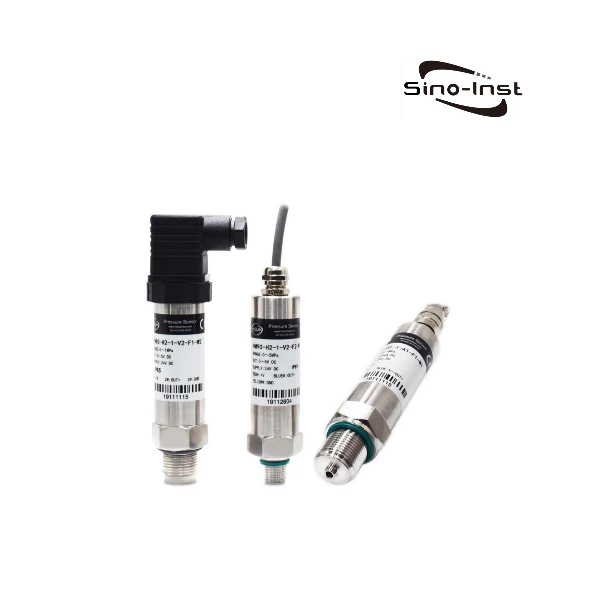
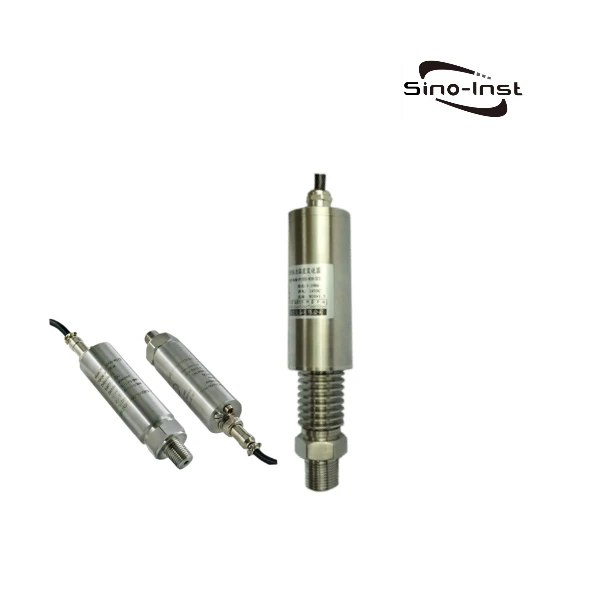
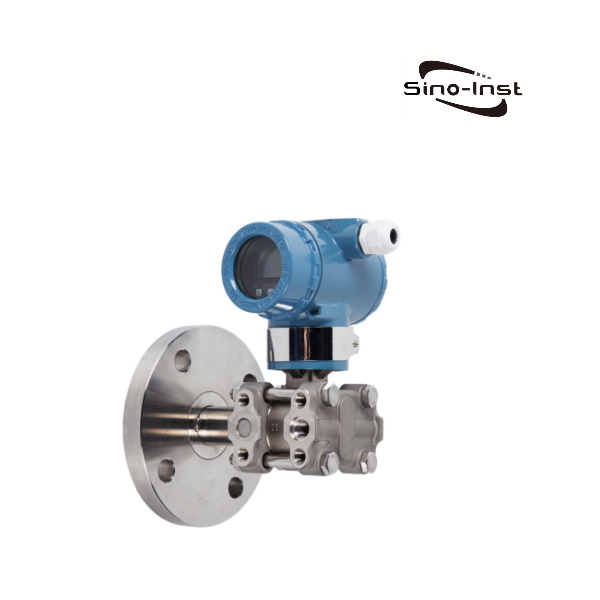
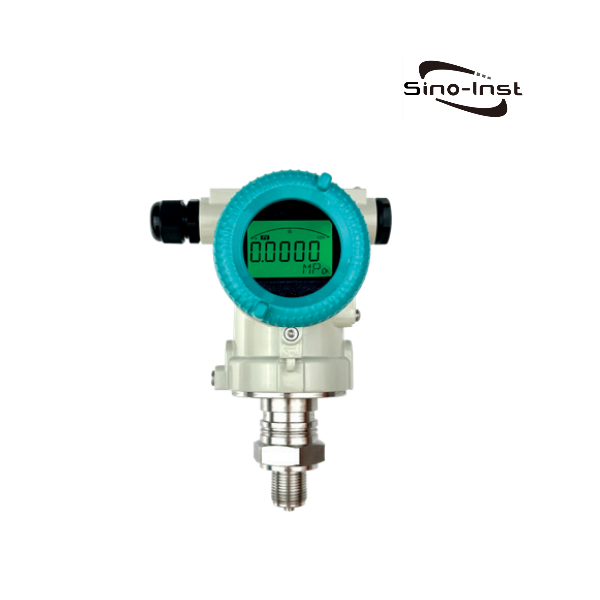
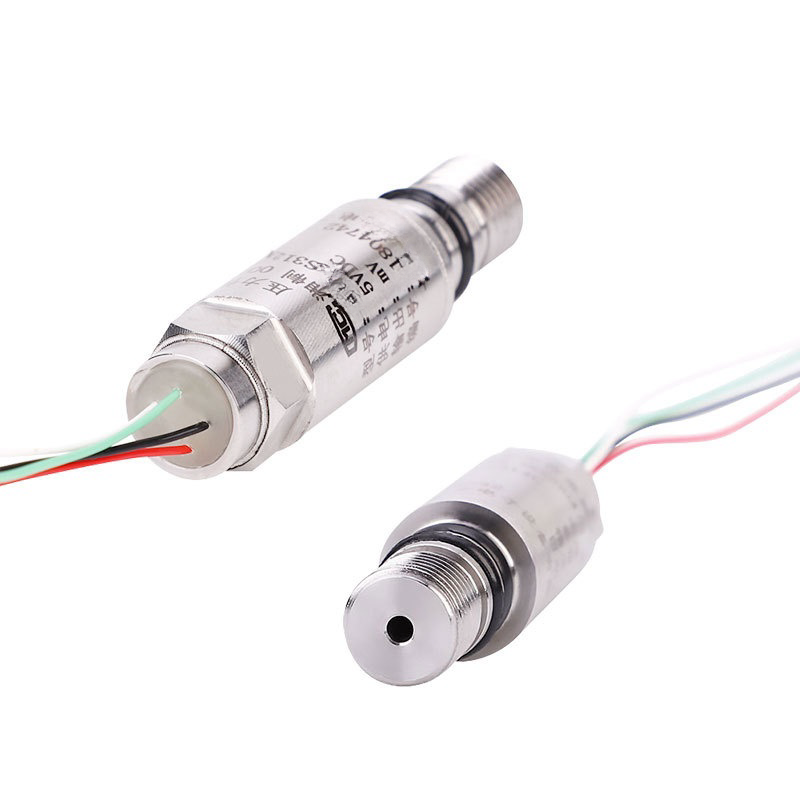
Oil pressure sensors are devices that measure oil pressure in real time and convert it into a local display or signal output. Stability and safety are the primary considerations for oil pressure sensors. Our Sino-Inst oil pressure sensors have Exd/Exia explosion-proof certification and stable measurement performance. We also support customization of parameters such as pressure range, temperature, and installation method. High temperatures up to 1200℃ and high pressures up to 1000MPa can be measured. Other parameters such as integrated temperature and pressure measurement, dynamic measurement, high-frequency output, and flange mounting can also be customized.
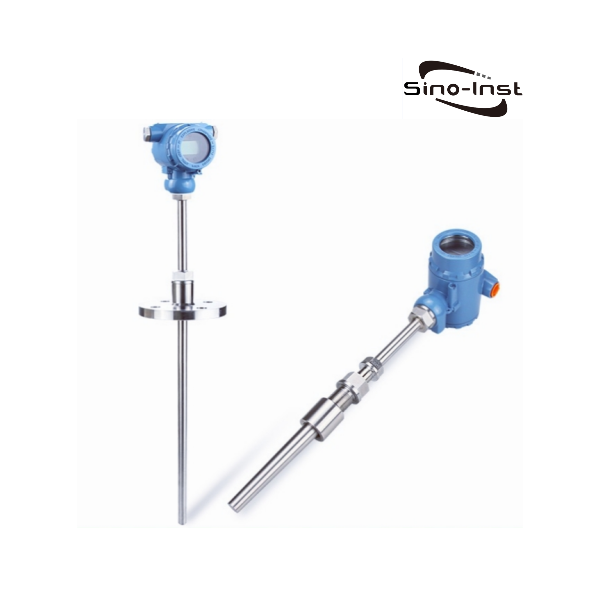
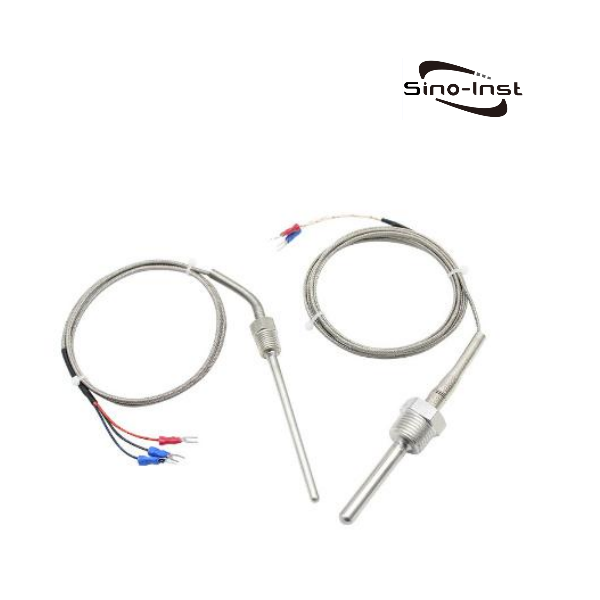
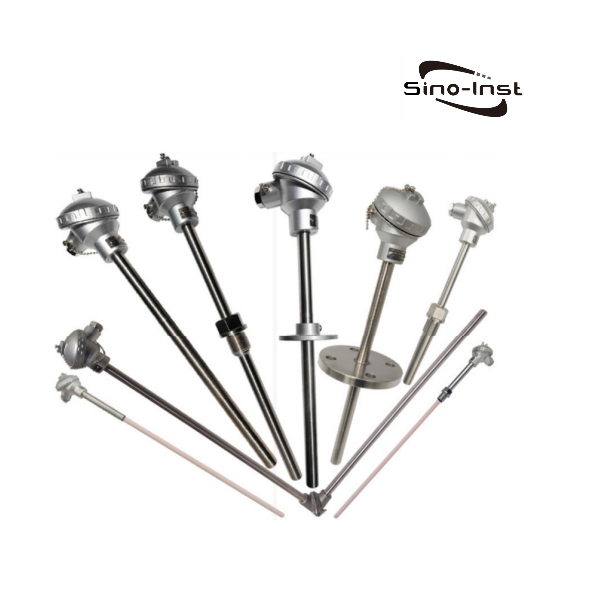
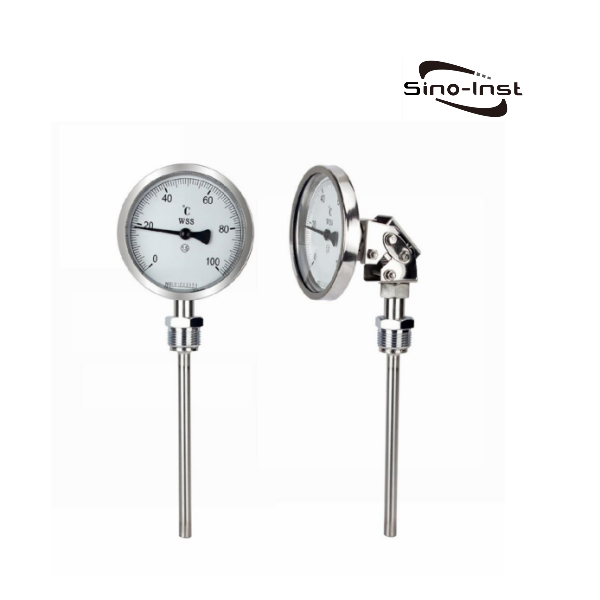
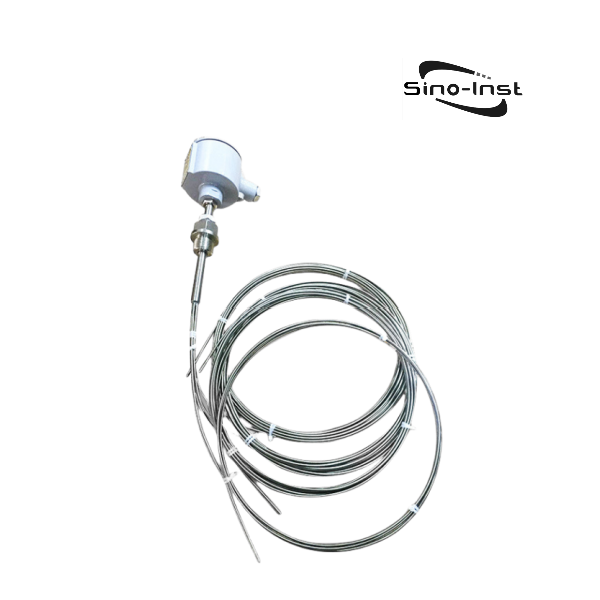
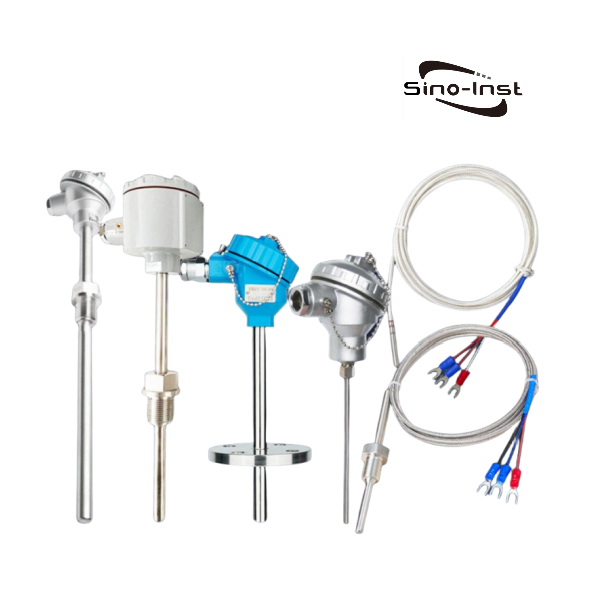
Through precise temperature sensors and measurement technology, oil temperature sensors can monitor real-time temperature changes in oil and provide accurate temperature data. By using oil temperature sensors, users can optimize liquid operating conditions, improve equipment reliability and efficiency, extend equipment lifespan, and ensure safe and efficient production.
Oil temperature sensors have wide applications in various industrial fields, providing users with an important means of temperature control and promoting the stability and sustainable development of production processes.
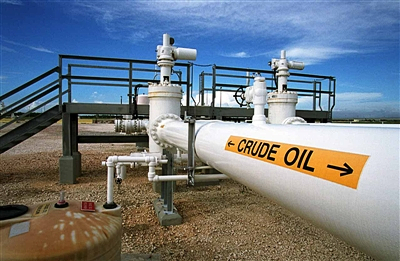
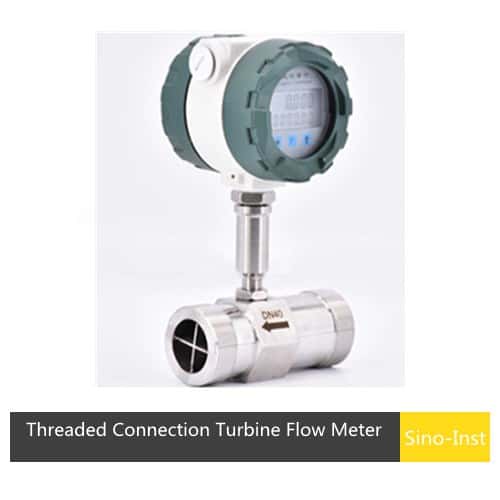
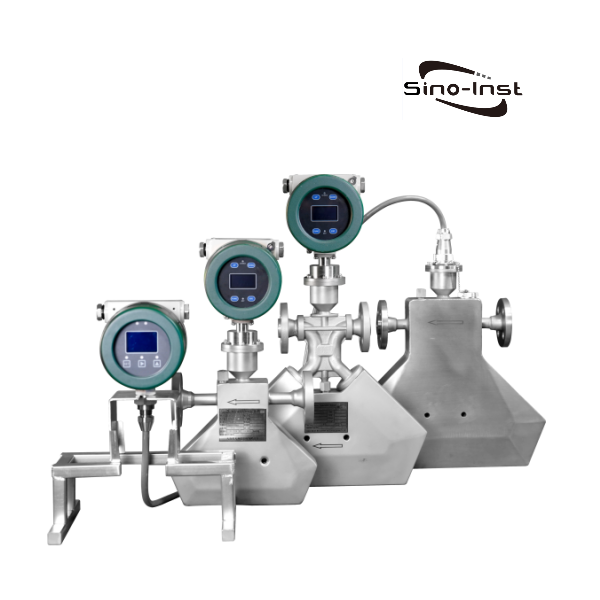
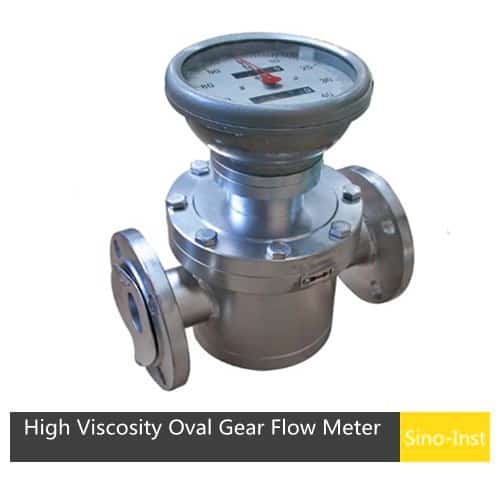
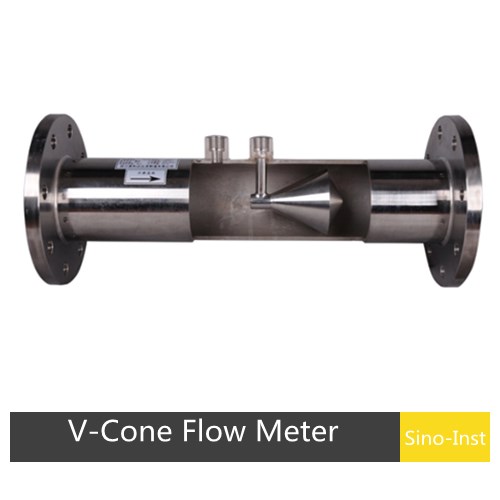
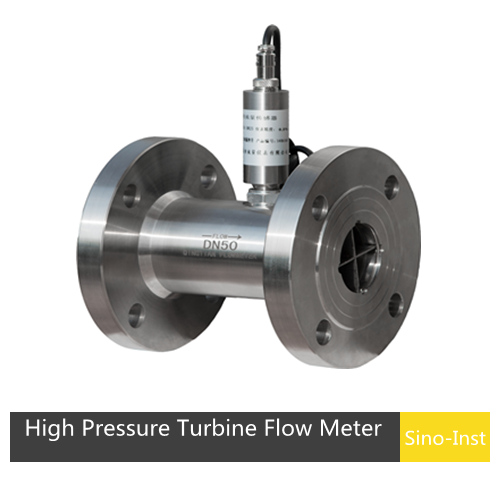
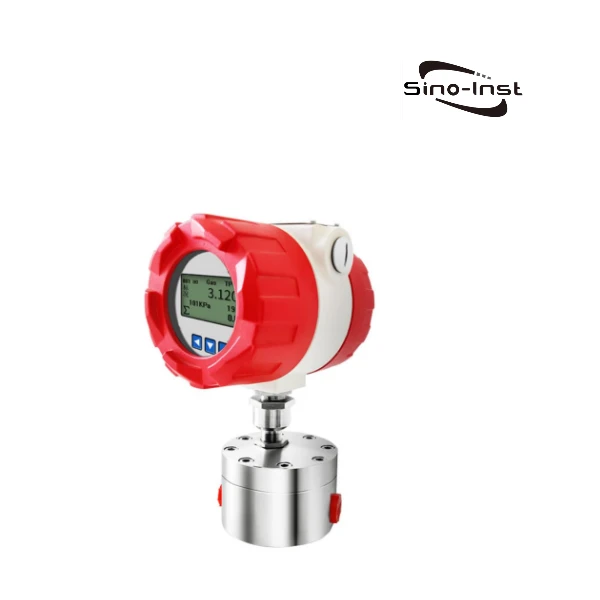
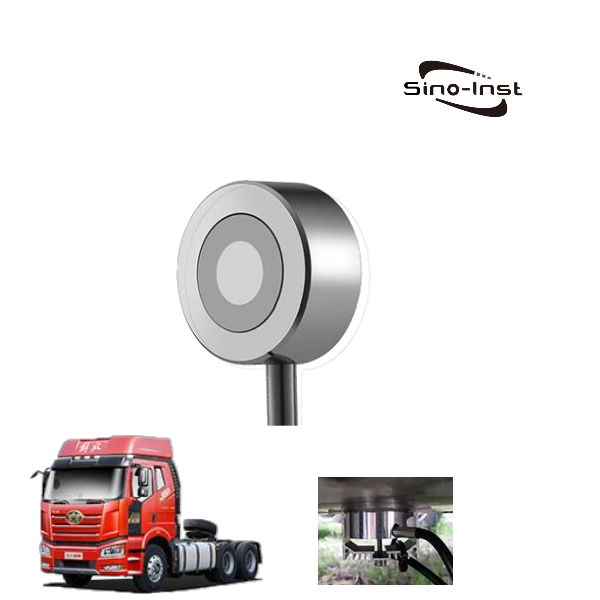
In the production, transportation, trade, and consumption of industrial oils, oil flow monitoring is required at each stage. Oil flow meters monitor flow rate changes by detecting the flow velocity and volume of the oil and converting it into readable electrical or digital signals. Examples include diesel, gasoline, crude oil, fuel oil, edible oil, heating oil, vegetable oil, heat transfer oil, lubricating oil/hydraulic oil, etc.
Sino-Inst supplies a variety of mechanical and digital oil flow meters, including:
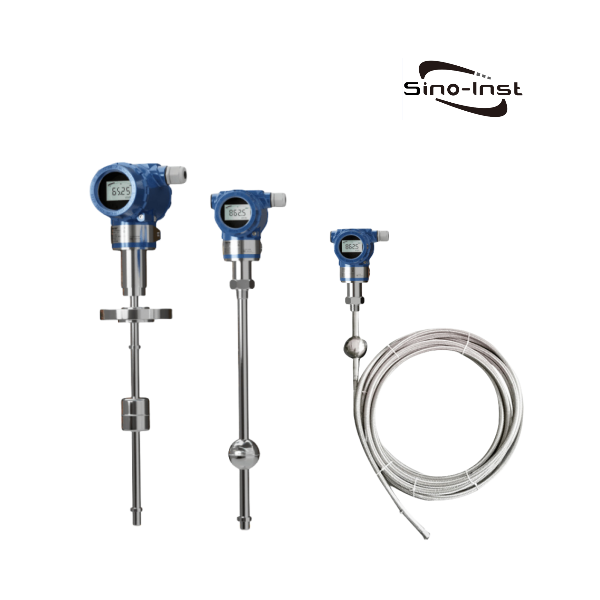
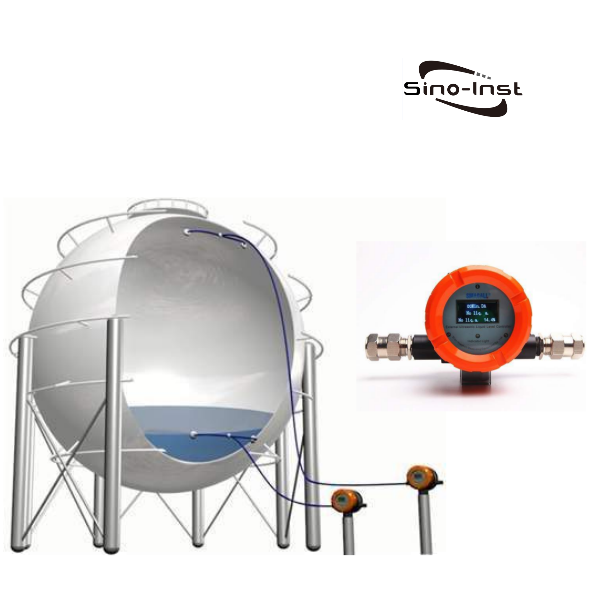
Industrial oils are typically stored and used in tanks, such as diesel storage tanks and crude oil tanks. These tanks can sometimes be tens of meters in size. We generally need to monitor the oil level in these tanks in real time, and level control may be required.
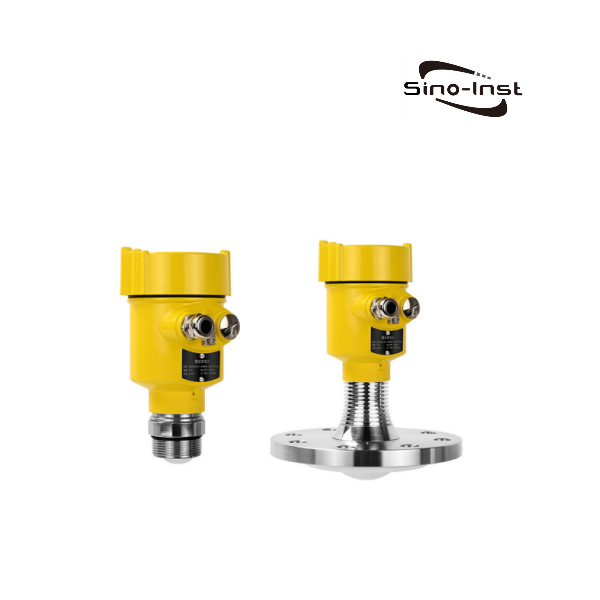
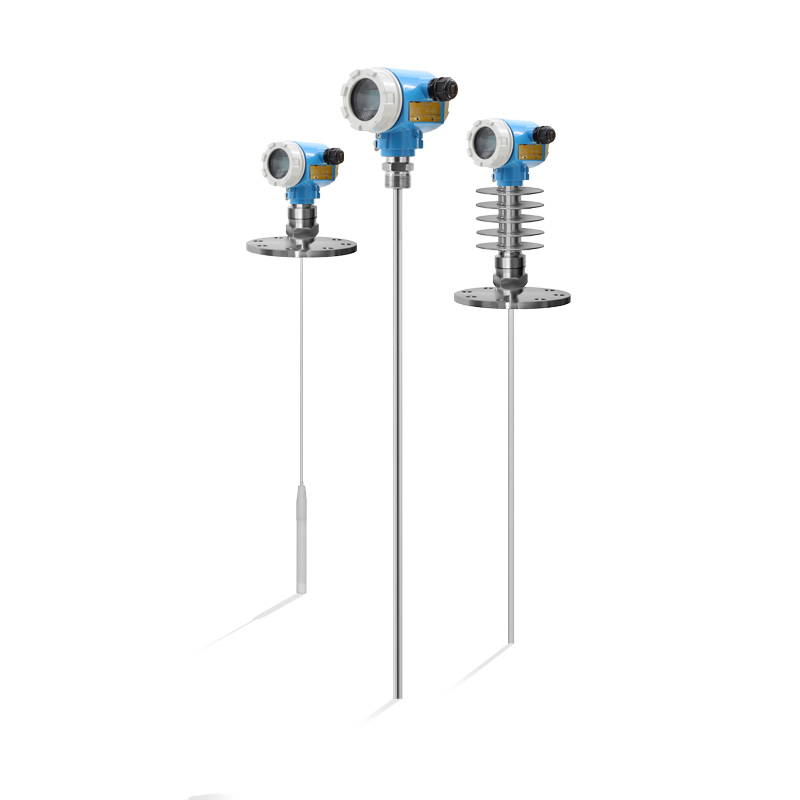
For real-time oil level monitoring, contact or non-contact level meters can be selected. The level value is displayed locally, and a 4-20mA signal is output.
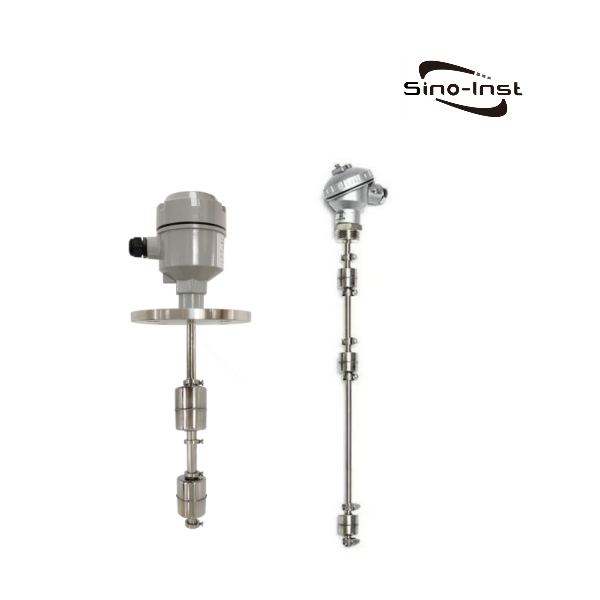
For oil level control, suitable single-point or multi-point level switches can be selected. These output relay or other switching signals.
Density is one of the important indicators for measuring oil quality. Accurately measuring oil density allows us to determine its composition and purity, and thus whether it meets the prescribed quality standards and requirements.
Generally, different methods can be used to measure oil density, such as float-type densitometers, digital densitometers, and densitometer measurement systems.
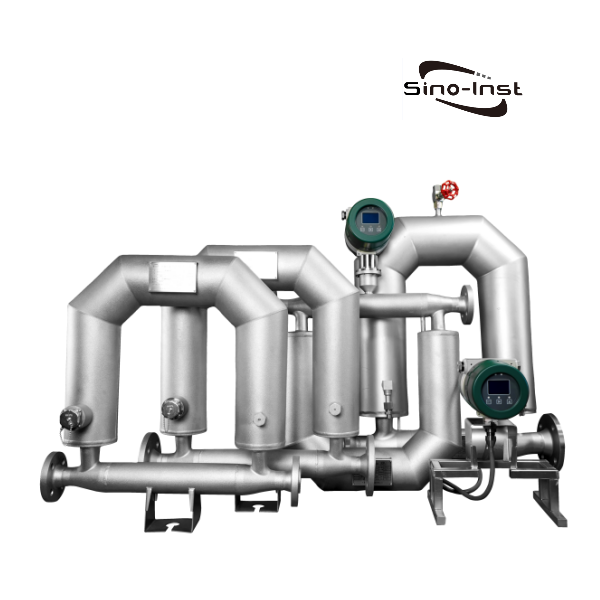
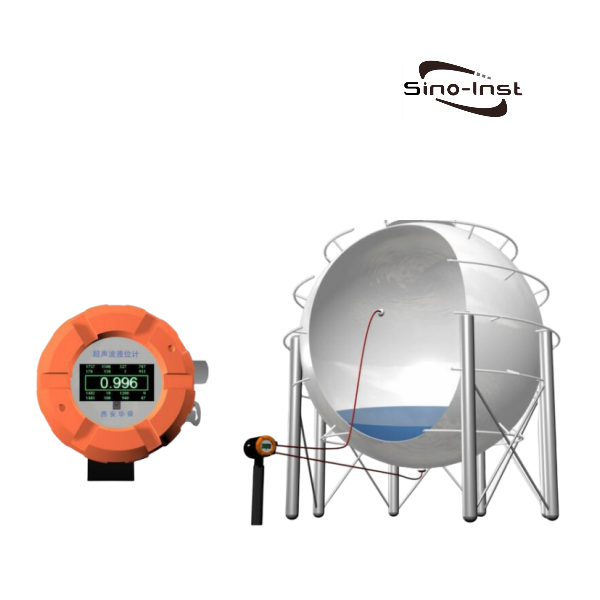
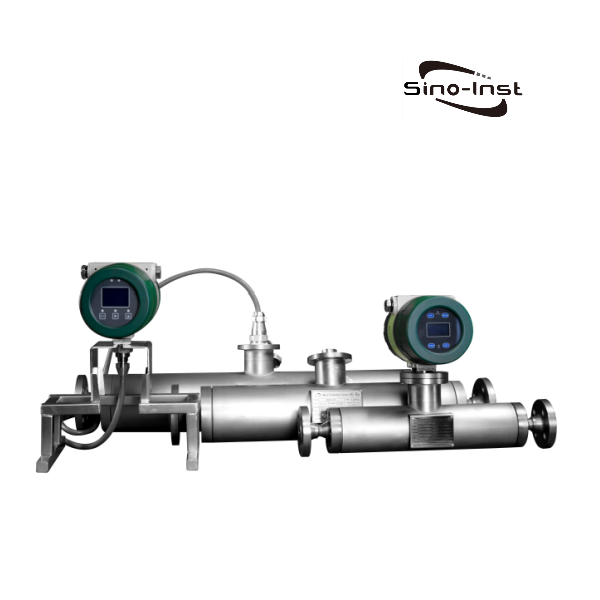
Sino-Inst primarily supplies tuning fork vibrating densitometers and Coriolis mass flow meters, which measure both density and mass flow rate.
The float level switch is a common level measurement and control instrument in industrial production. It operates faster and has a longer service life than mechanical switches; it is more resistant to interference than electronic switches; and it can achieve multi-point control. It is widely used in shipbuilding, papermaking, printing, generator equipment, petrochemicals, food industry, … Read more
Due to its unique non-contact measurement capabilities, this intelligent radar level/liquid level meter accurately measures contaminants and corrosive media. Its 4-20mA and RS-485 output signals enable remote control. Its pulse operation allows for measurement of low-dielectric-constant media and is safe for use in various metal and non-metal containers, harmless to humans and the environment. It utilizes … Read more
Rotary paddle level switches are suitable for controlling material levels in industrial production processes. When the material level reaches the upper or lower limit, the controller’s microswitch contacts output an alarm or control signal. Rotary paddle level switches offer a simple structure, reliable operation, and wide application, which make them an ideal instrument for measuring … Read more
Gravity flow meters can be used to measure flow in gravity-fed pipelines. These pipelines typically do not have a pressurized pump. Instead, the fluid flows downward from a height, relying on gravity. This type of measurement is often difficult due to the slow flow rate and low flow rate. In our experience, if the fluid … Read more
A high-temperature pressure sensor is an instrument that accurately measures the pressure of high-temperature media. It converts pressure into an electrical signal and maintains stable operation even at high media temperatures. Industries like steelmaking, chemicals, and petroleum are essential, as a failure could lead to production halts. Therefore, it is crucial. Customized Case Sharing A … Read more
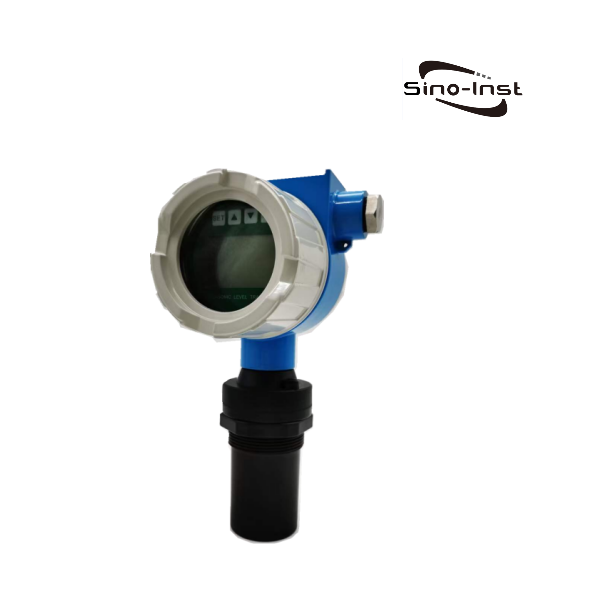
Explosion-proof ultrasonic level meters are specifically designed for level measurement in flammable and explosive environments. Die-cast aluminum alloy waterproof and explosion-proof housing. Sino-Inst explosion-proof ultrasonic level meter has an explosion-proof grade of Ex dⅡCT6 Gb. It is primarily used for monitoring the level of tanks containing media such as diesel, gasoline, and lubricating oil. Non-Contact Measurement … Read more
Petrol/Diesel/Gasoline/Fuel oil is an important source of energy for vehicles, ships, power generation, and production machinery. With the use of flow meters, it is possible to effectively monitor the consumption of Petrol delivered. Petrol flow meters can be mechanical or electronic. For example, the common elliptical gear flow meter, turbine flow meter, etc. can be … Read more
High temperature and high pressure type pressure measurement is an extremely harsh measurement. Usually, the temperature is higher than 80℃, or the pressure is higher than 60MPa, which exceeds the measurement range of conventional pressure transmitters. Sino-Inst supports providing you with customized solutions for various high temperature and high pressure measurement parameters. Customized case The … Read more
If you are still unsure how to choose the right measuring instrument for your oily media, please contact our sales engineers.