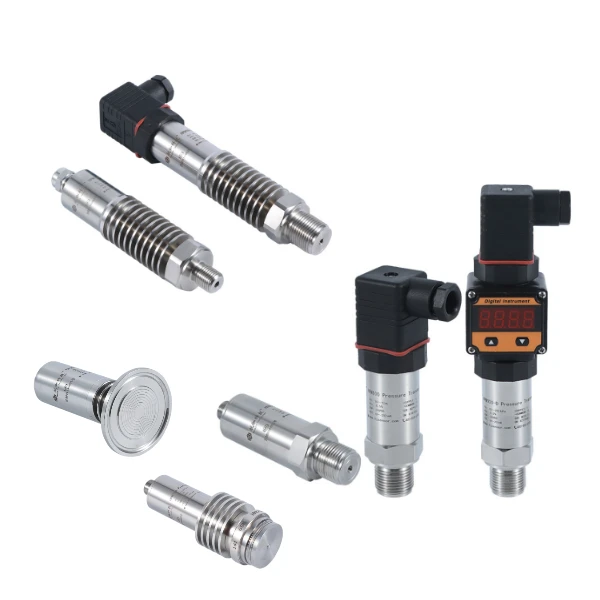
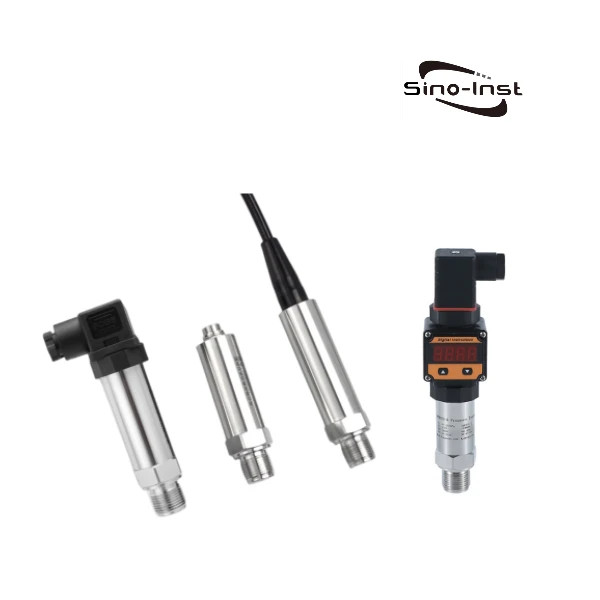
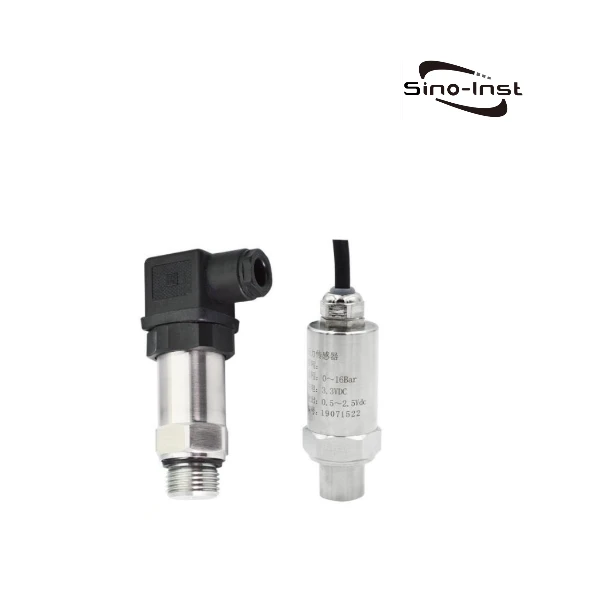
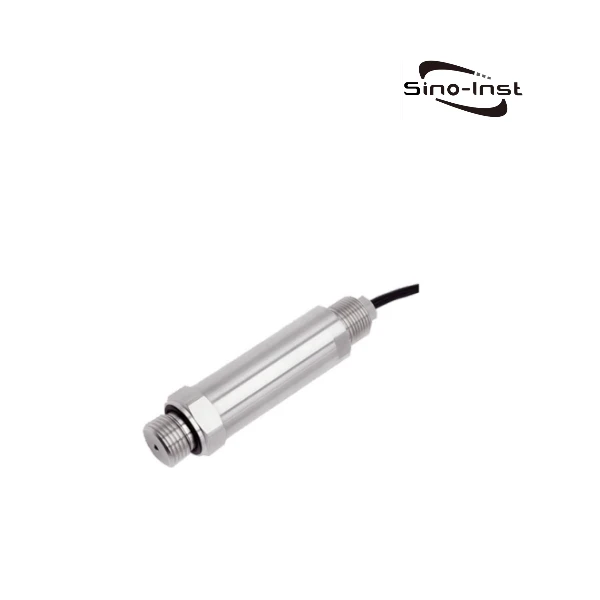
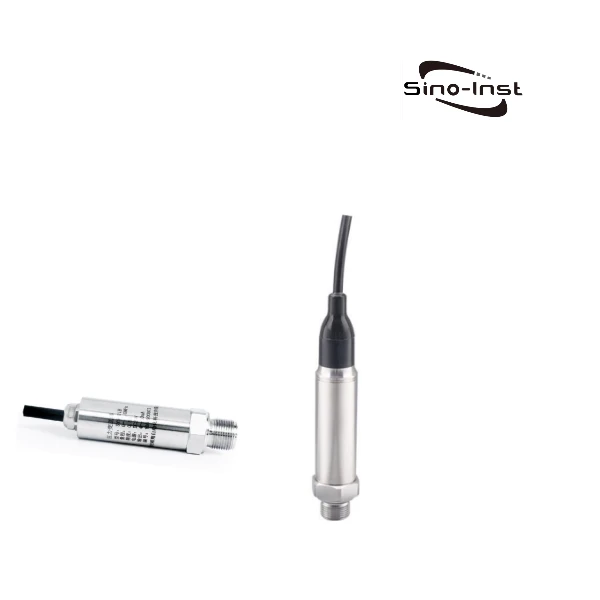
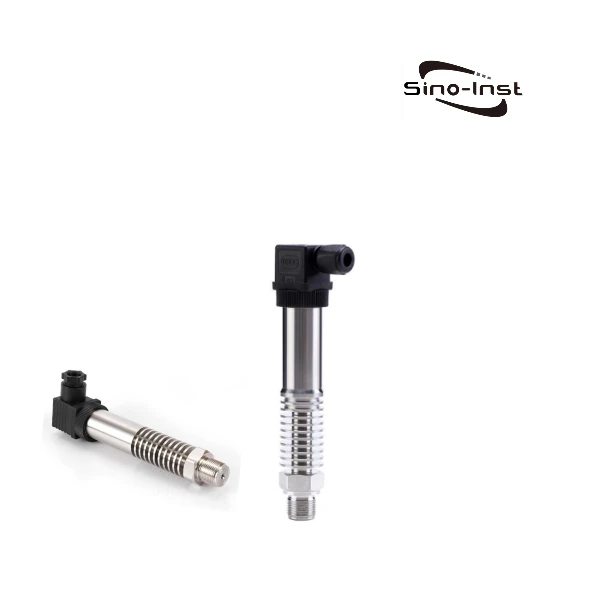
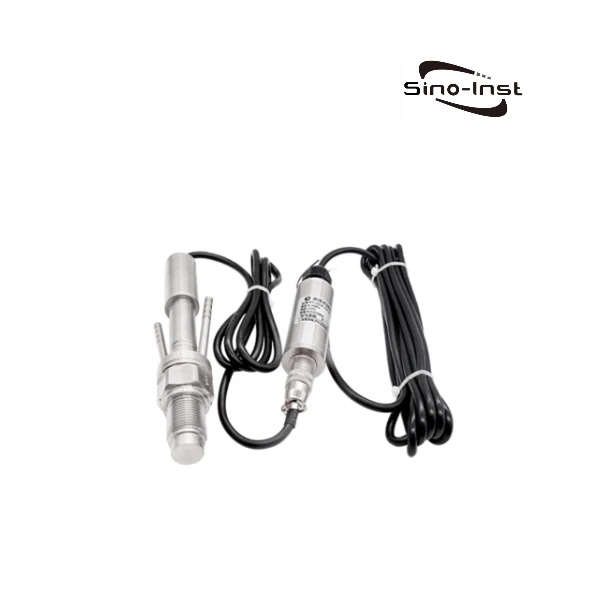
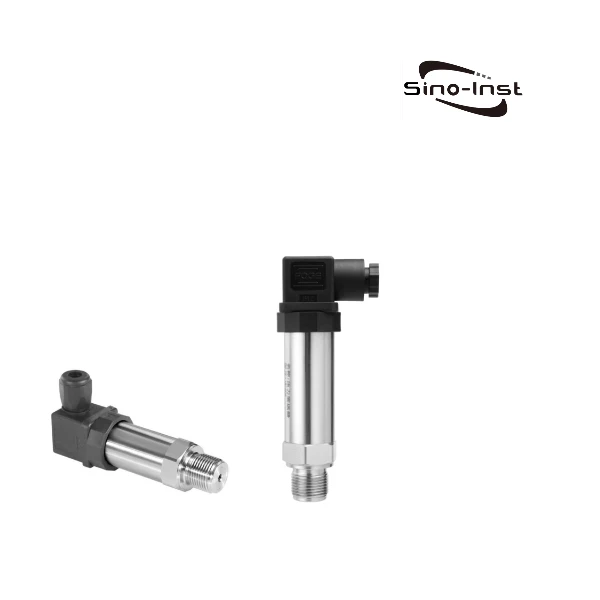
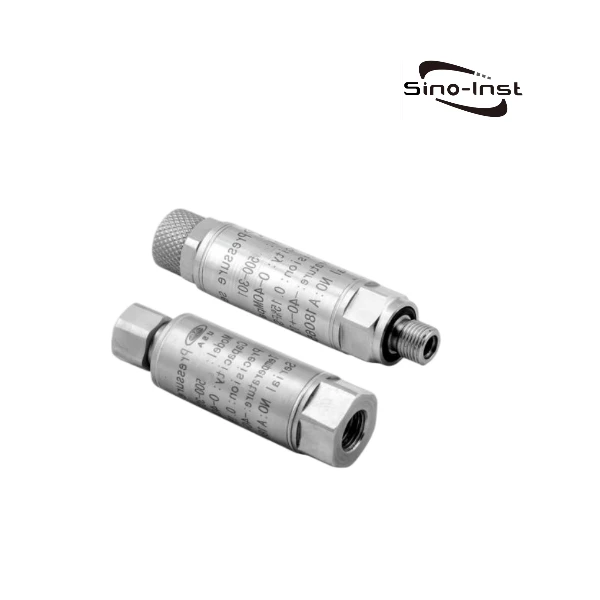
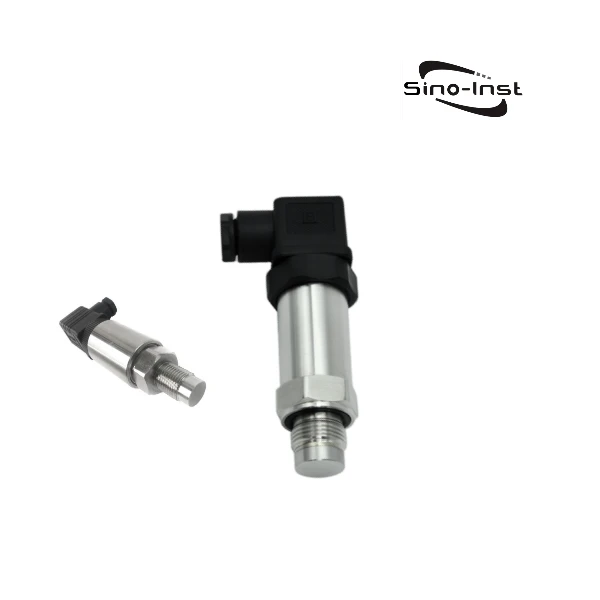
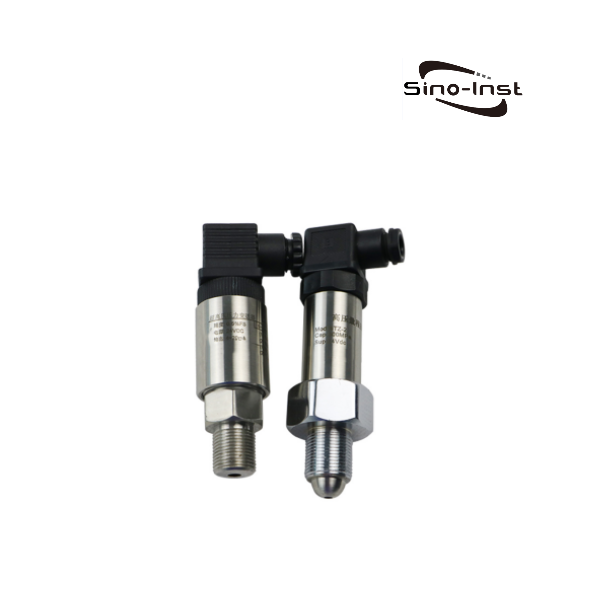
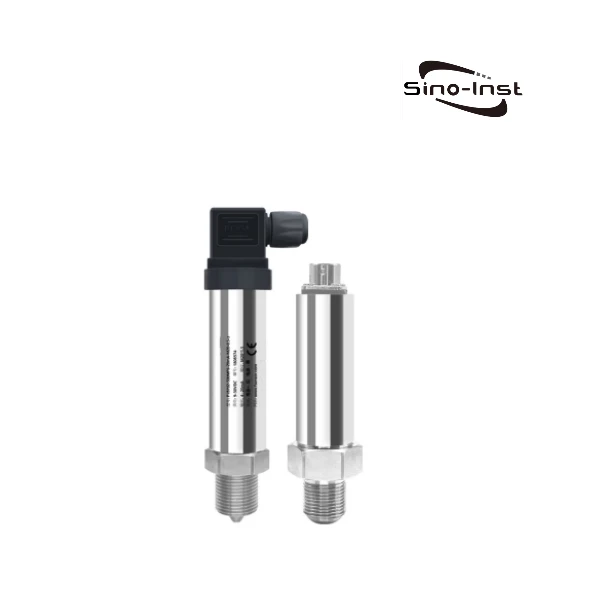
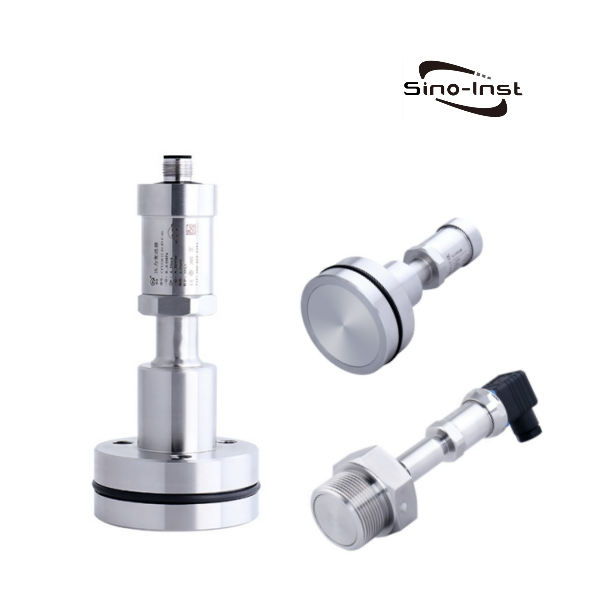
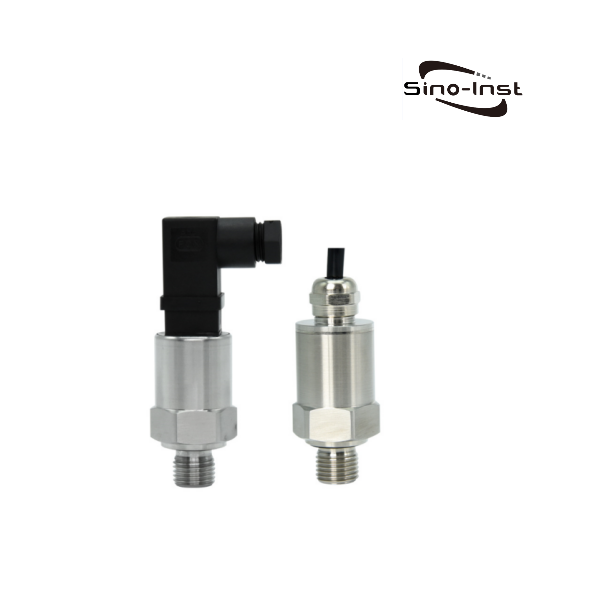
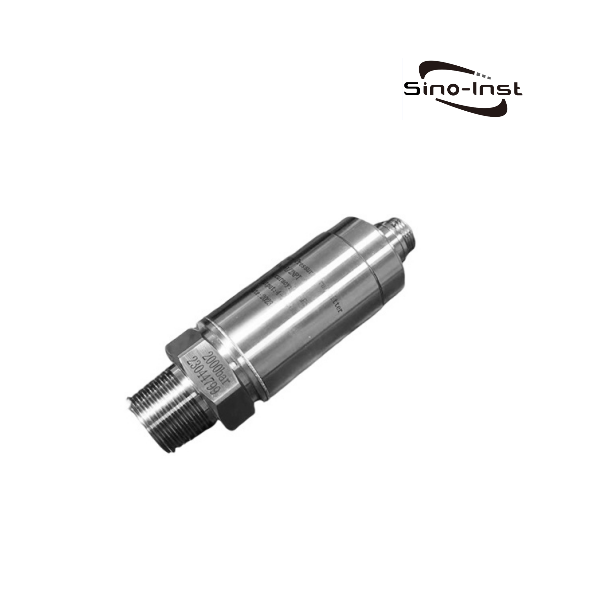
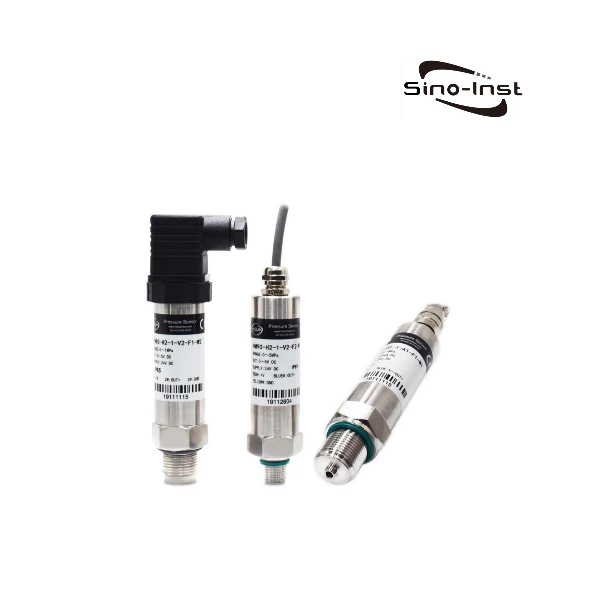
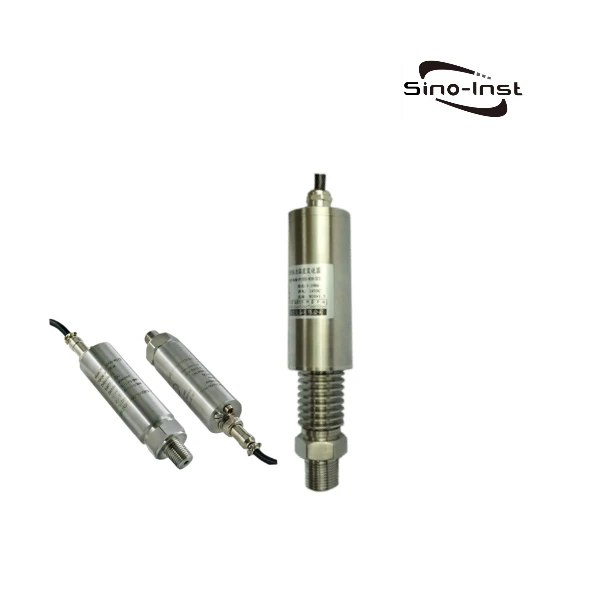
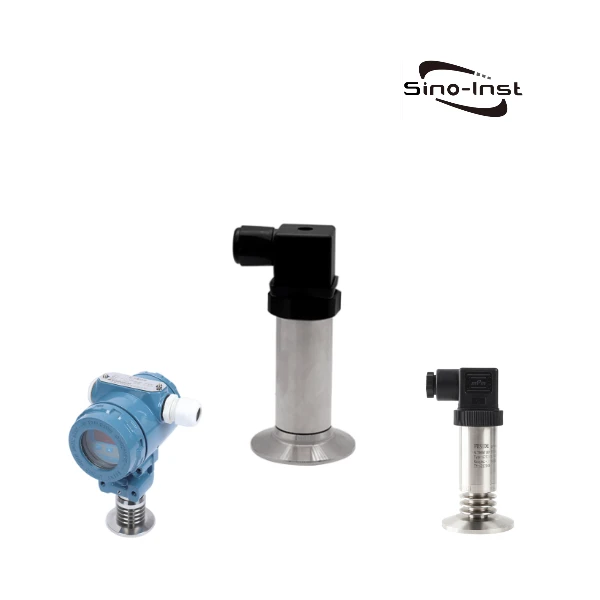
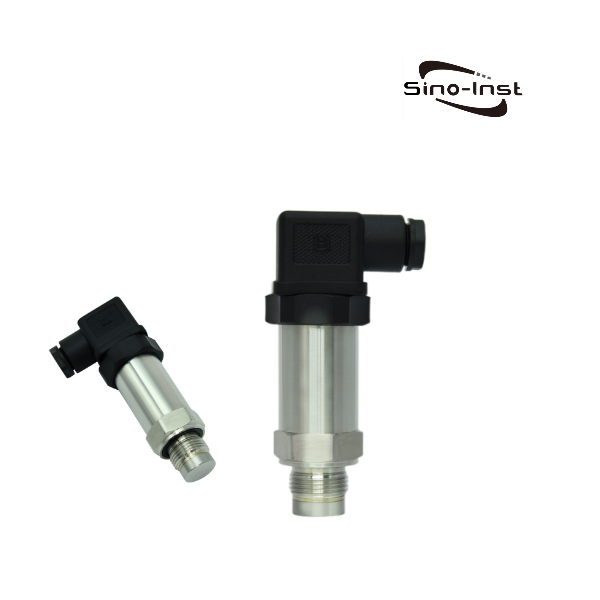
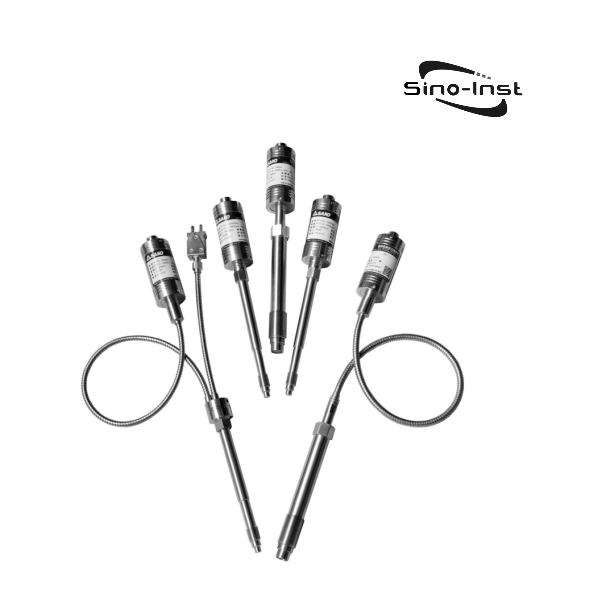
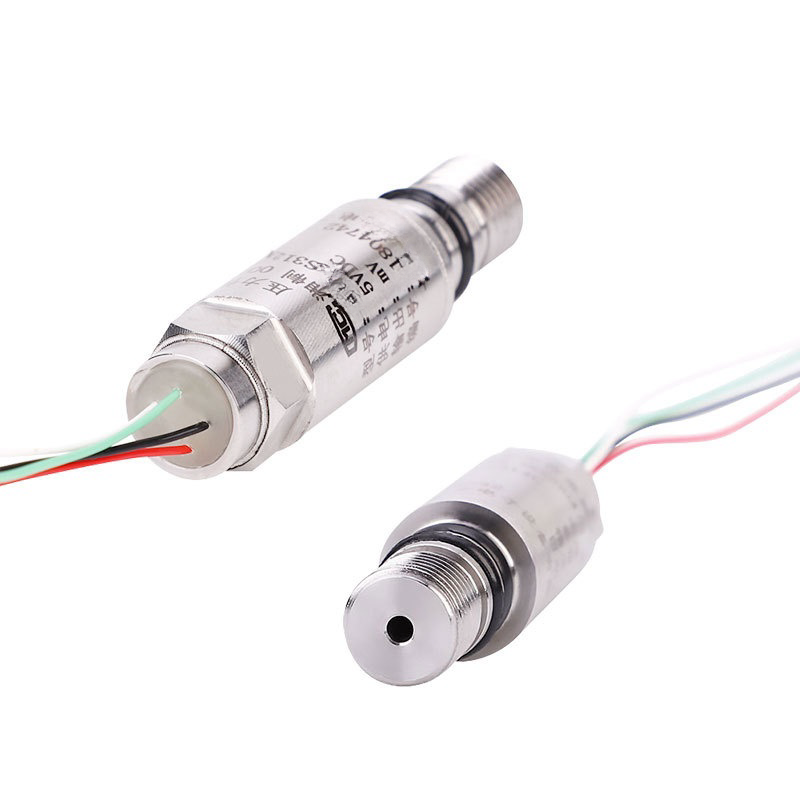
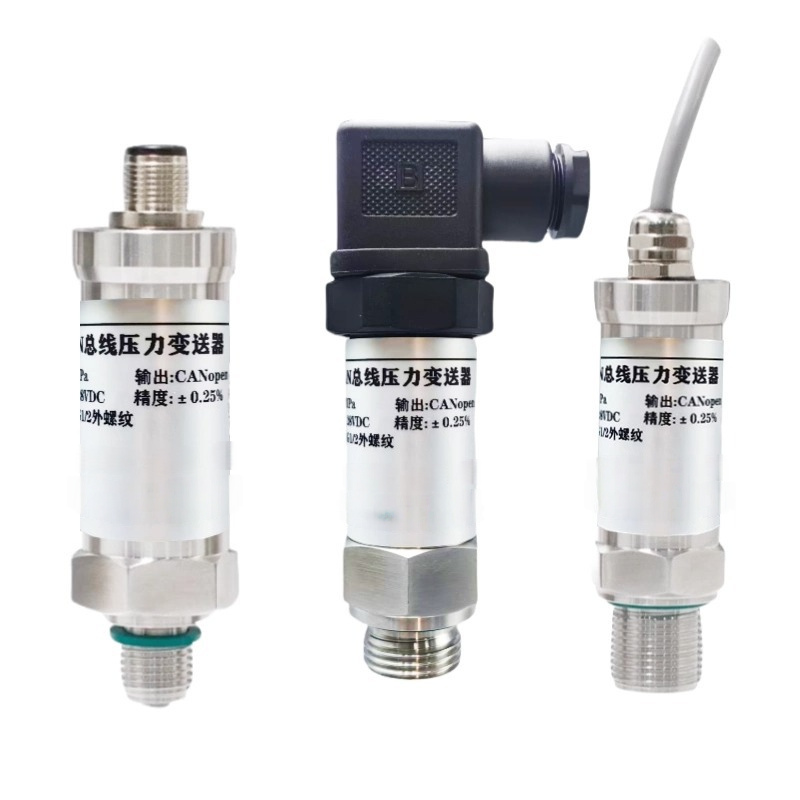
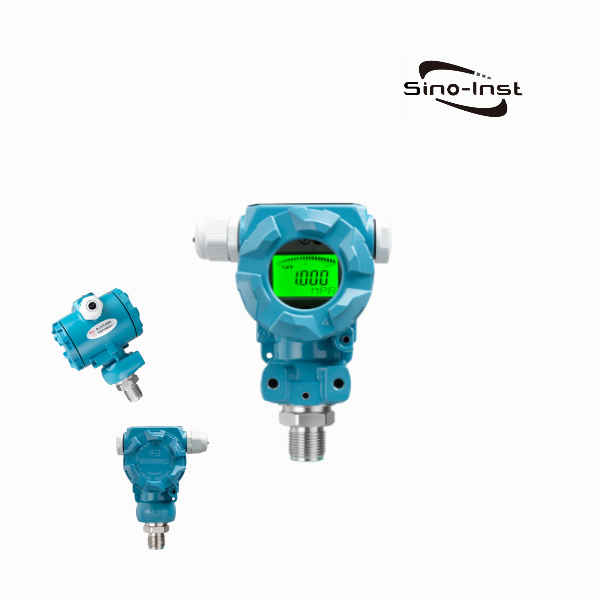
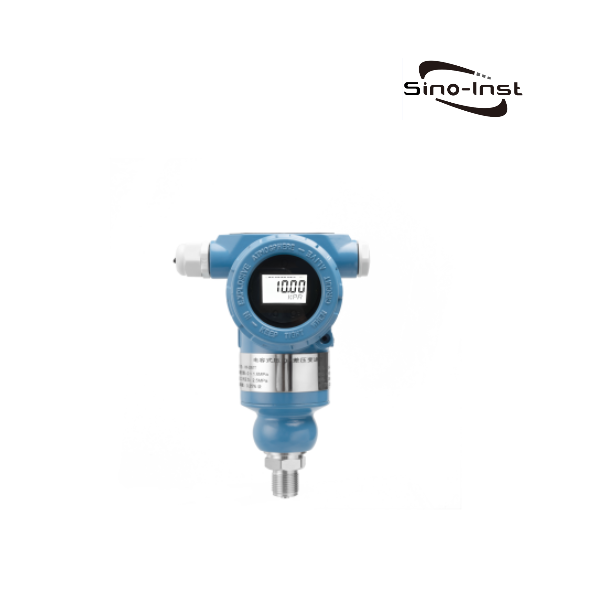
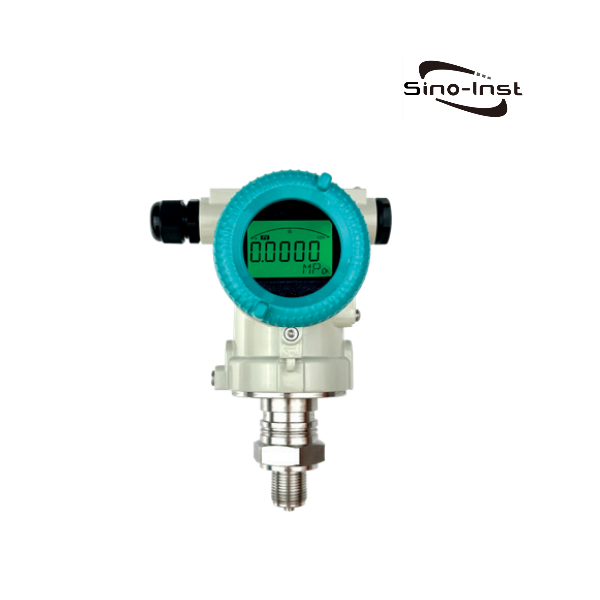
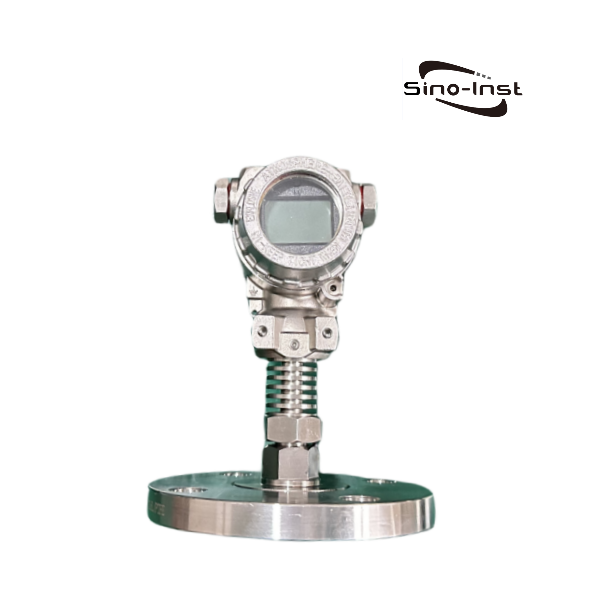
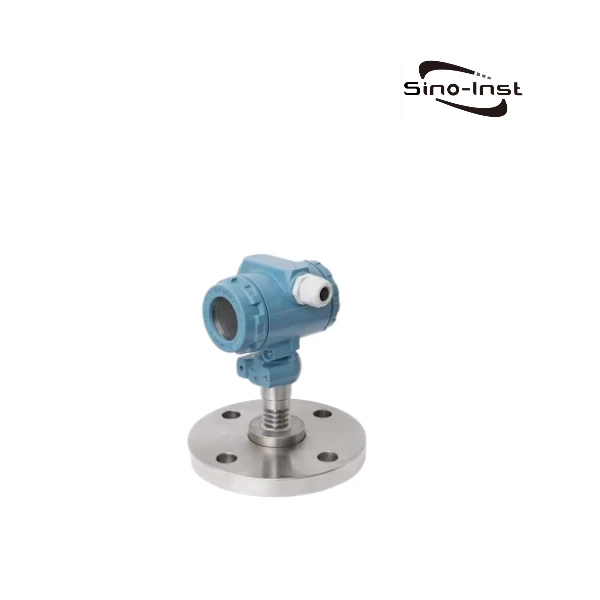
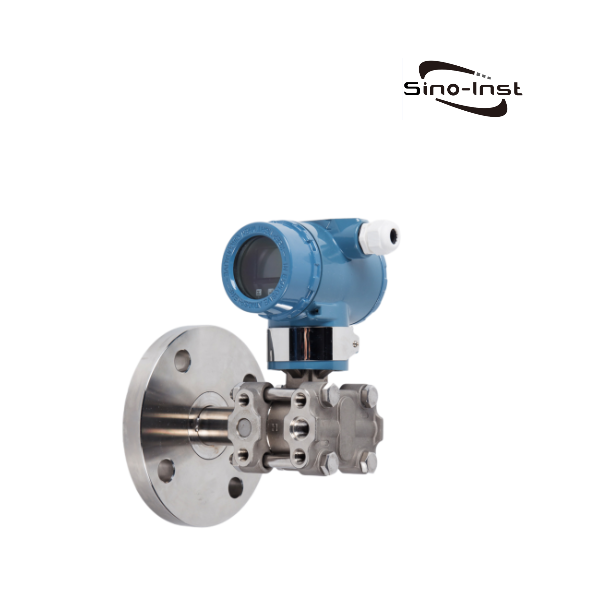
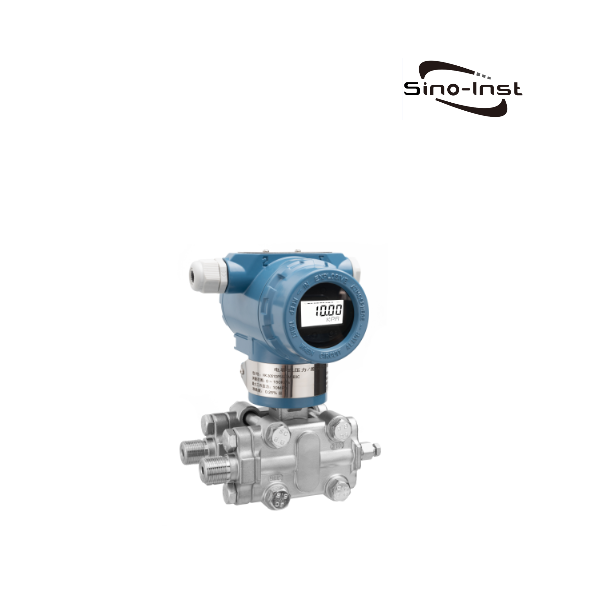
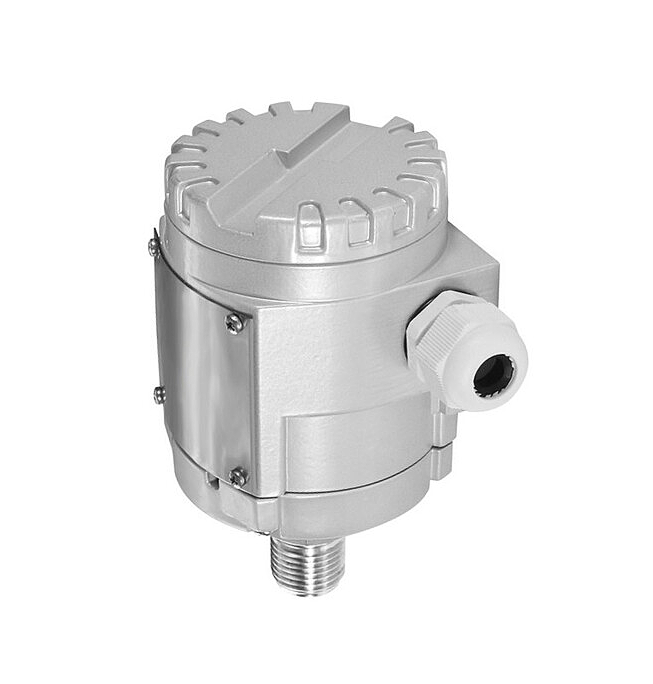
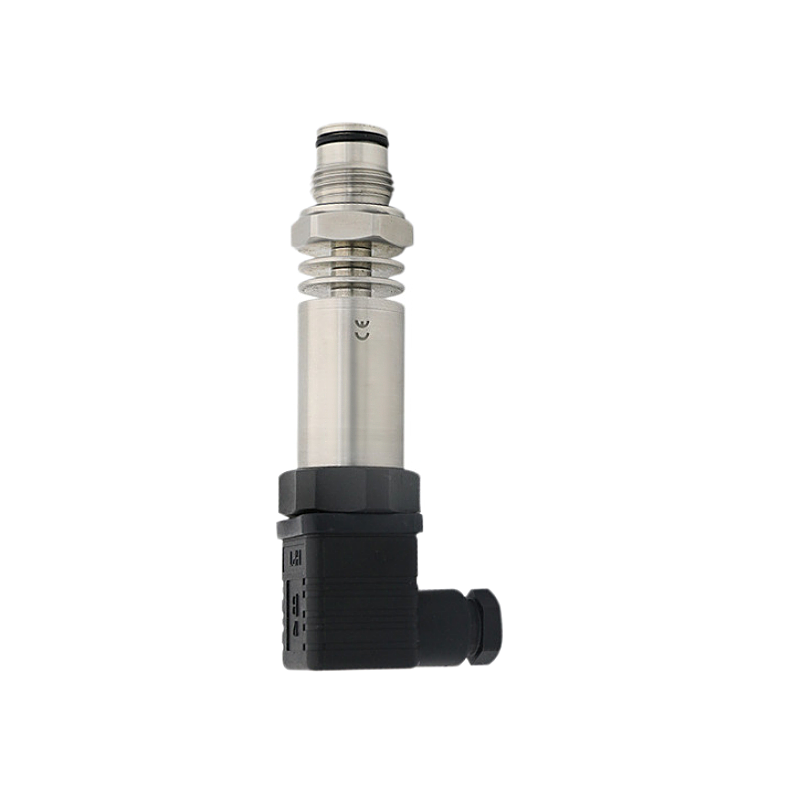
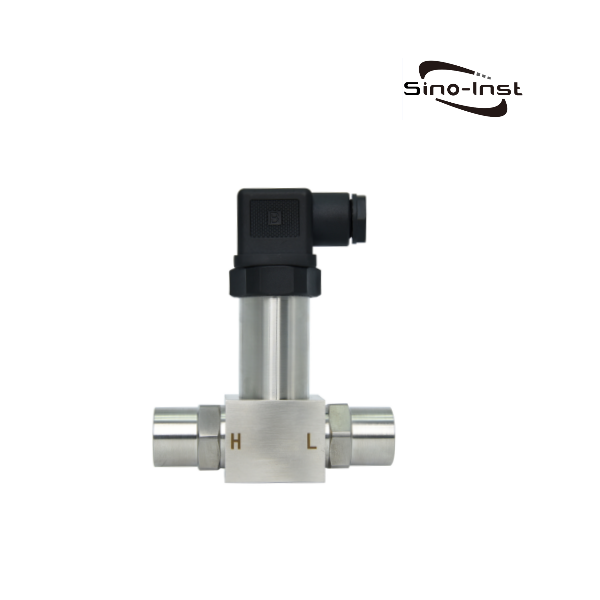
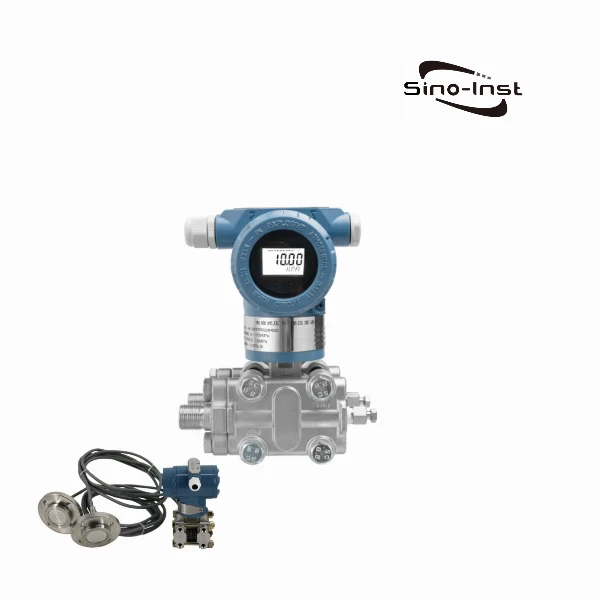
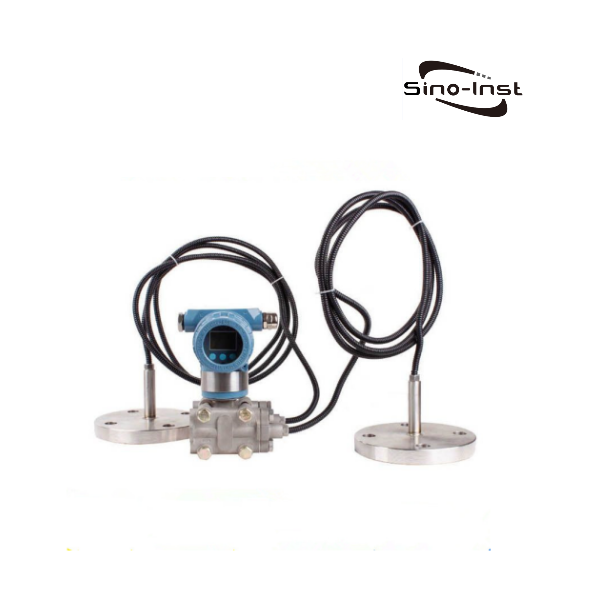
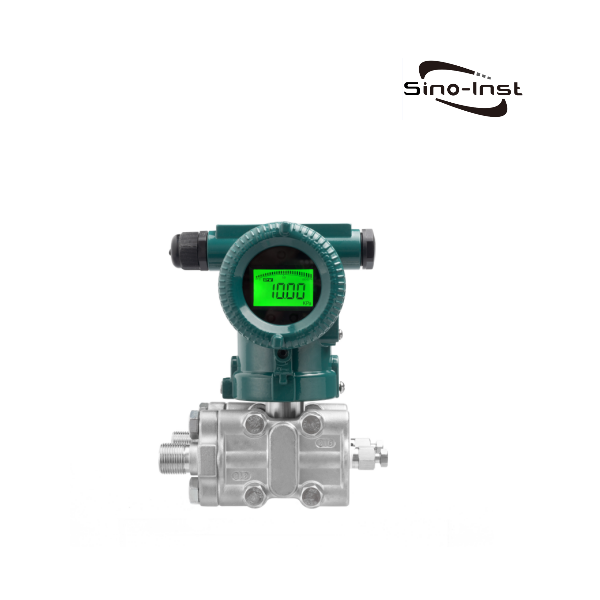
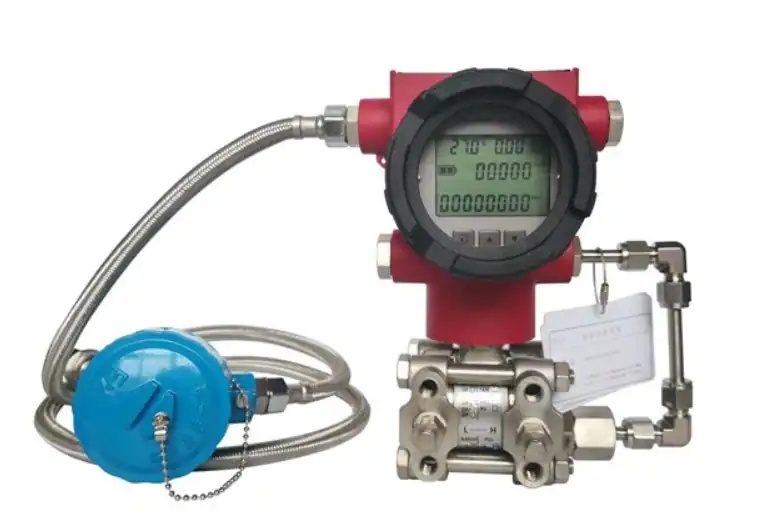
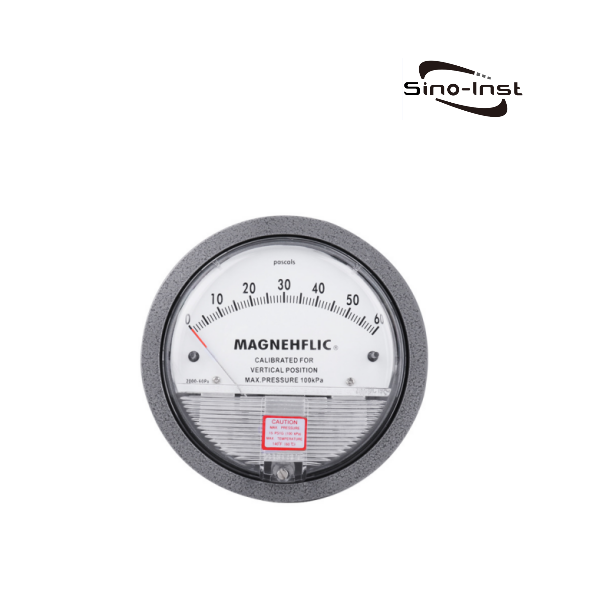
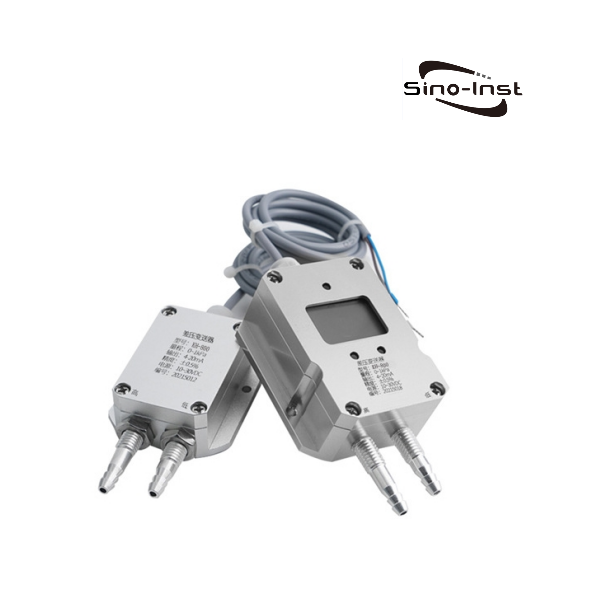
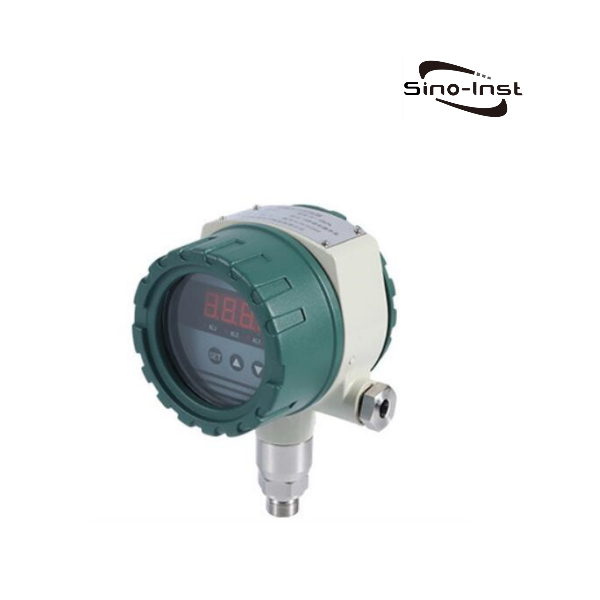
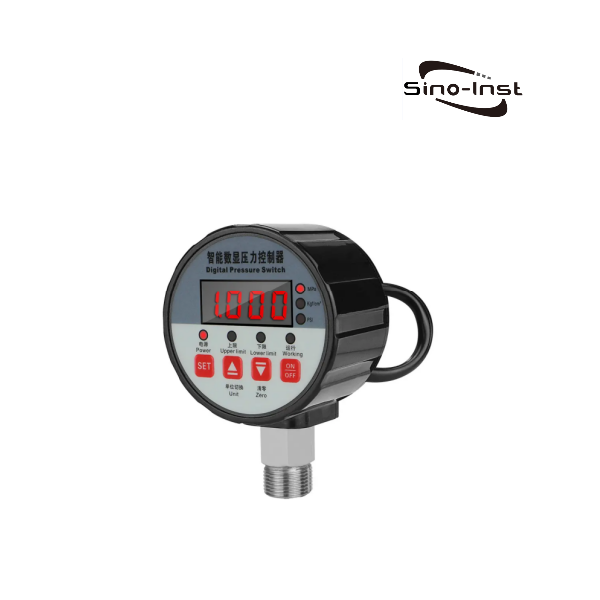
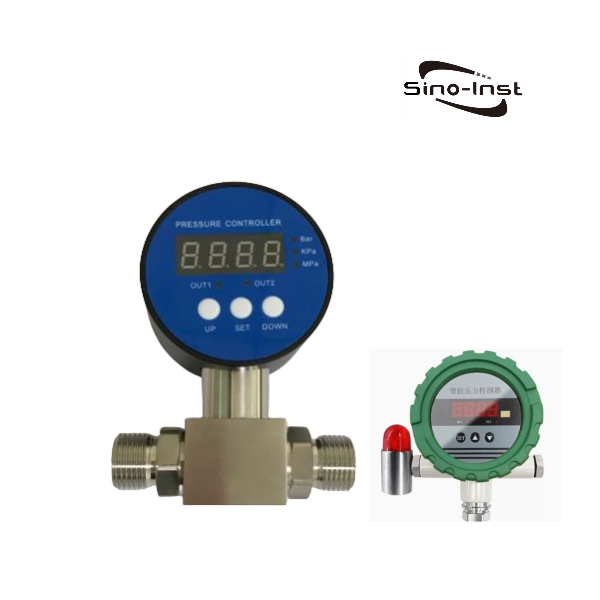
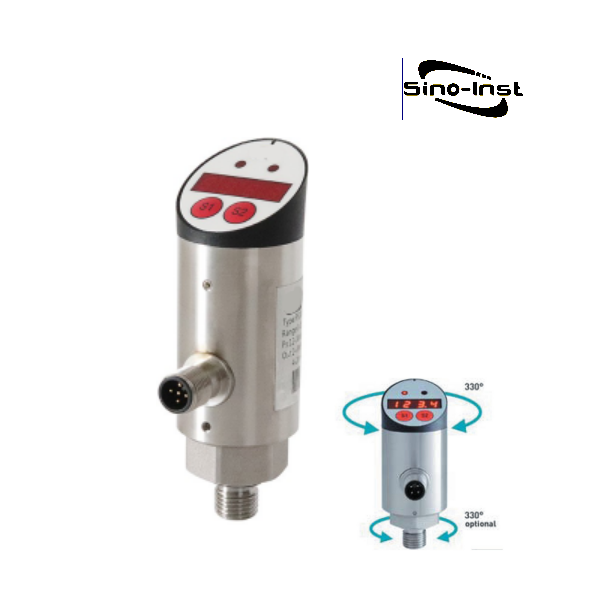
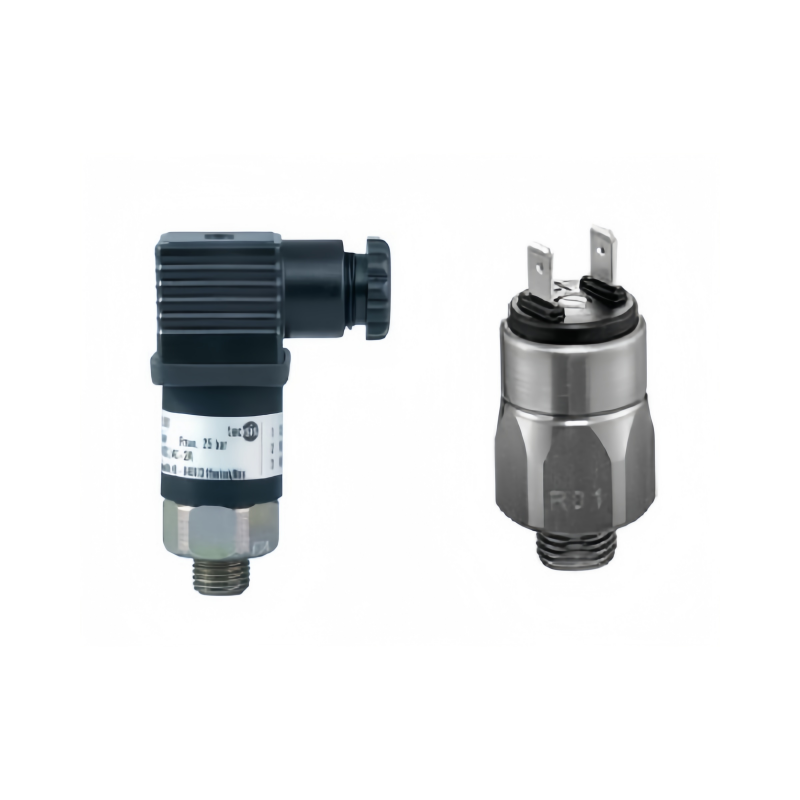
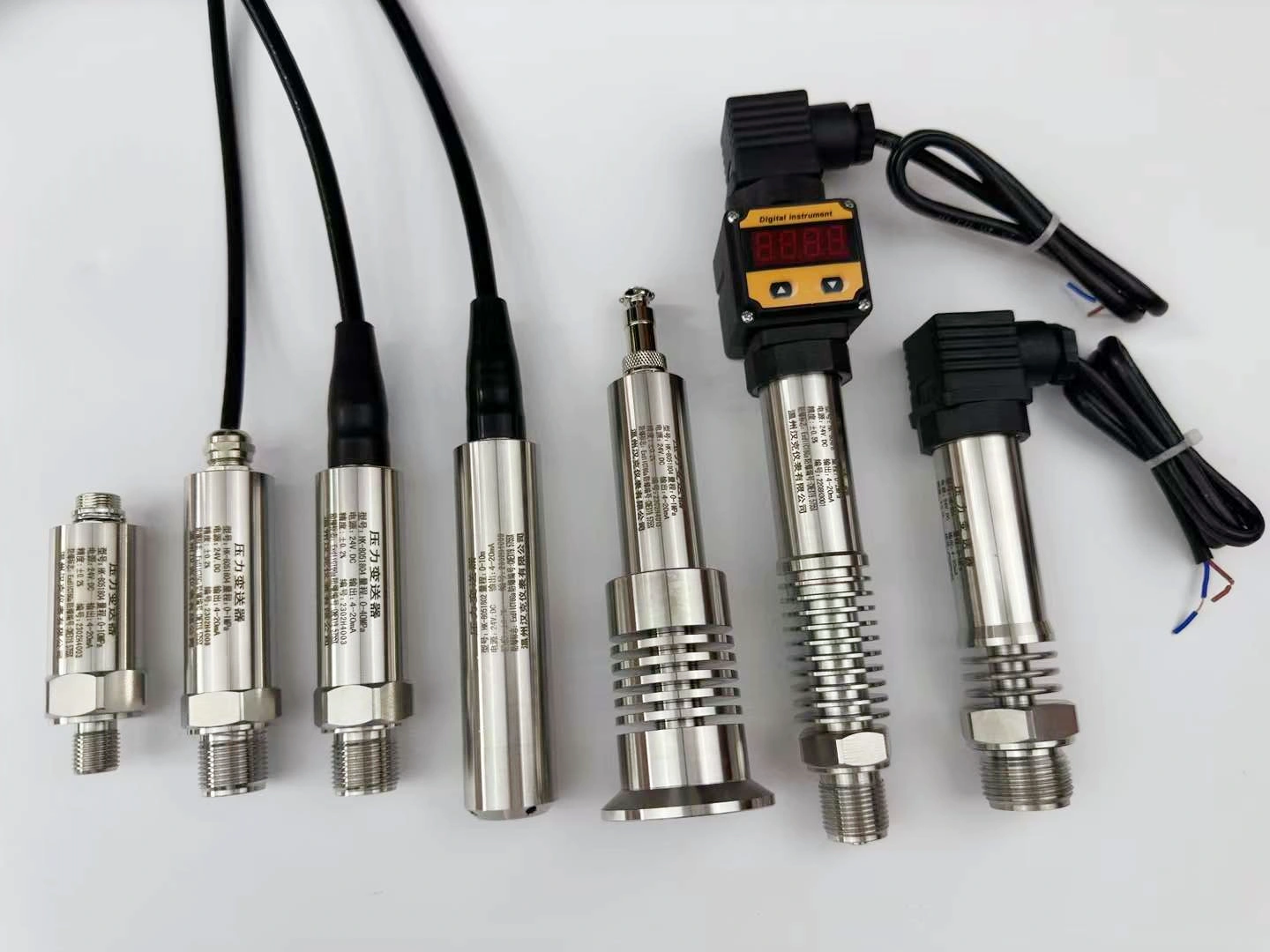
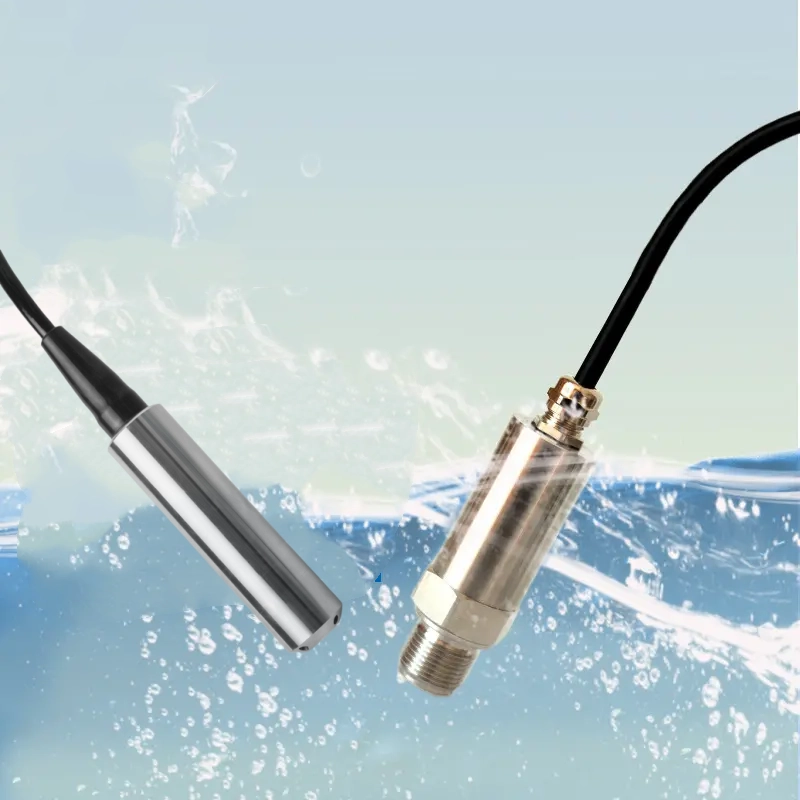
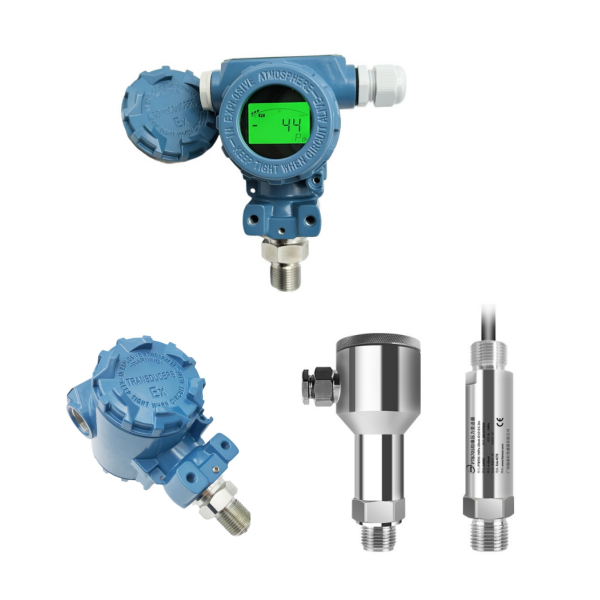
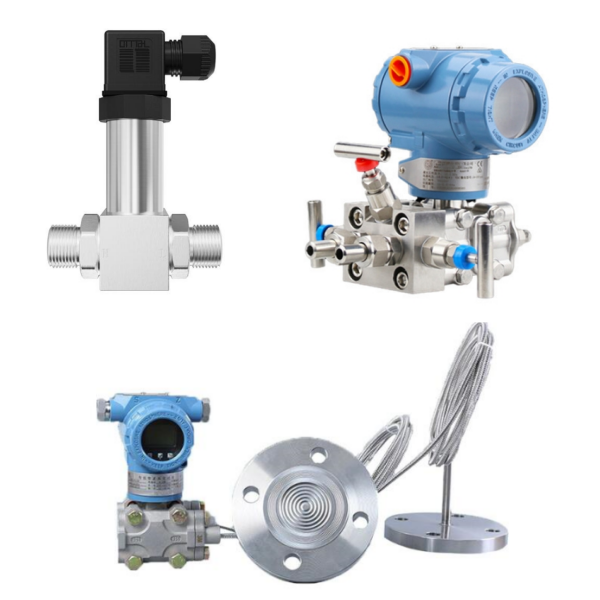
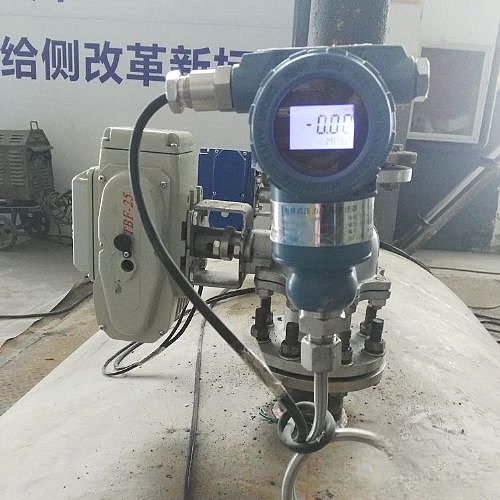
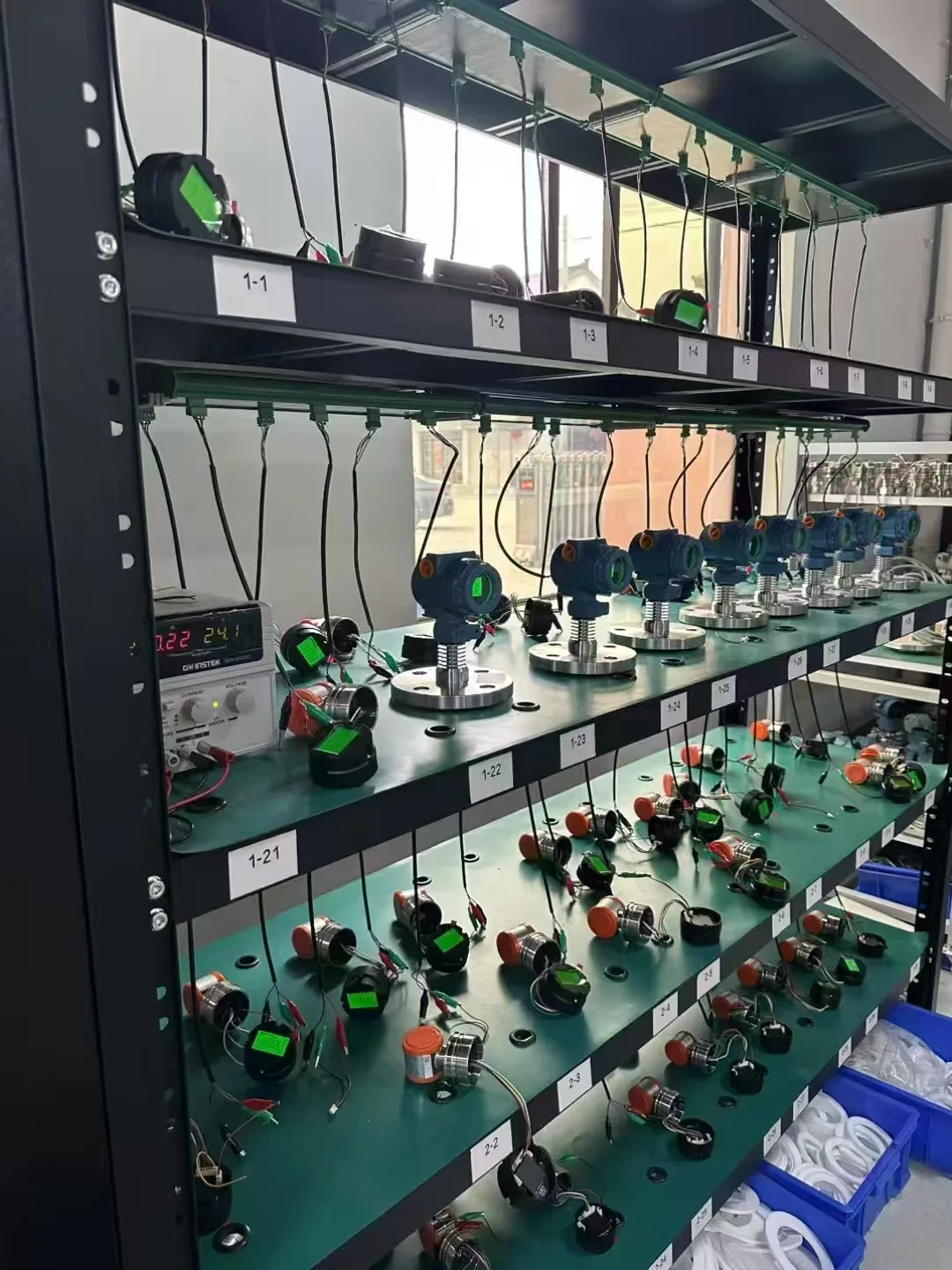
An industrial pressure sensor is a device that converts process pressure into a standardized electrical signal (4-20 mA, 0-5V, RS485 or HART) for control systems, PLCs and SCADA. In industry the terms “pressure sensor”, “pressure transducer” and “pressure transmitter” are often used interchangeably, but they refer to slightly different signal-conditioning stages of the same sensing element.
Sino-Inst provides everything instrument engineers or OEM purchasing personnel need to know:
7 main sensing principles (silicon piezoresistive, single-crystal silicon, capacitive, strain gauge, ceramic, sputtered thin film, resonant), output signal options, application types (inline, submersible, sanitary, waterproof, steam, cryogenic, vacuum, differential pressure, dynamic), industry application cases, a 10-point selection list, and a complete product list.
Sino-Inst is a China-based industrial pressure sensor manufacturer with over 15 years of OEM/ODM experience. Its products are exported to more than 50 countries, and it holds ISO 9001/CE/ATEX certifications.
Sino-Inst’s diffused silicon pressure sensor has a maximum temperature resistance of 300°C. It has stable performance and high accuracy. It is in stock and at a better price!
Industrial pressure sensors are fundamental process instruments that convert the mechanical pressure of gases, liquids, or vapors into standardized electrical output signals. These signals can be read by PLCs, SCADA controllers, and DCS systems.
The sensing element’s response to pressure manifests as a measurable change in resistance, capacitance, or strain, which is then amplified by signal conditioning circuitry into a proportional voltage (0-10V) or current (4-20mA).
What makes these sensors “industrial grade” rather than commercial or automotive grade is their use of process-grade materials (316L stainless steel, Hastelloy diaphragm, ceramic alumina), wide operating temperature range (-250 °C to +800 °C), high overpressure ratings, IP65/IP68 sealing ratings, and explosion-proof certifications such as CE, ATEX, or IECEx.
In everyday factory terminology, the terms “pressure sensor,” “pressure converter,” and “pressure transmitter” are often used interchangeably. However, they describe different stages of the same signal chain. Using the names interchangeably is not a problem, but before purchasing, it’s crucial to clarify whether you’ll be receiving a bare sensing element or a finished instrument with a 4-20 mA output; otherwise, it’s easy to discover a missing circuit during on-site commissioning.
To strictly distinguish between the three:
A pressure sensor refers to an exposed sensing element, such as a silicon piezoresistive chip or a capacitive sensor. Its raw output is a small mV/V or pF change.
A pressure transducer encapsulates the sensing element with signal conditioning electronics and provides a low-level analog output, such as 0–5 V or millivolts/volts, suitable for short-distance OEM cabling.
A pressure transmitter further amplifies the processed signal to obtain a stable 4–20 mA loop output, HART, RS485, which is the de facto standard for long-distance industrial cabling and installation in hazardous areas.
A simple rule of thumb: If the transmission distance exceeds 50 meters, the application is to explosion-proof areas, or the device needs to be installed in a PLC/DCS control cabinet, choose a 4-20 mA pressure transmitter. Only purchase bare sensor chips when using self-developed modules or handling bridge and temperature compensation yourself.
Sino-Inst does not strictly distinguish between these three terms in the naming of its industrial pressure transmitter products. For example, the SI-1180 silicon piezoresistive pressure sensor is actually a finished transmitter with 4-20 mA / 0-5 V output; the naming follows industry convention. Therefore, it is essential to specify your required parameters when ordering.
7 Sensing Principles of Pressure Sensors
The core differences between industrial pressure sensors lie primarily in their sensing elements. The following seven sensing principles cover the vast majority of industrial measurement scenarios within the 0–600 MPa range. Each differs in accuracy, temperature drift, overload capacity, and media compatibility. Reading this section is sufficient for model selection; for a complete in-depth reading of the 7 sensor principles, including working diagrams, advantage/disadvantage tables, and range parameter comparisons, please refer to this section.
Silicon piezoresistive is the most mainstream industrial pressure sensor measurement technology. A Wheatstone bridge is integrated on a monocrystalline silicon wafer using a diffusion process. Pressure causes the silicon diaphragm to deform, resulting in bridge imbalance and generating a mV/V output. Accuracy is 0.25~0.5% FS, with a measurement range from -100 kPa to 60 MPa, and temperature drift within 0.02%/°C.
The SI-1180 series is a typical example. Suitable application scenarios: room temperature clean media, OEM mass production, cost-sensitive industrial measurements.
Monocrystalline silicon is a high-precision version of silicon piezoresistive sensors. By making the sensing element a pure, impurity-free single-crystal structure, its long-term stability is an order of magnitude better than diffused silicon, achieving an accuracy of 0.075% FS and a 10-year drift of <0.1% FS. Of course, it is also more expensive.
Monocrystalline silicon pressure sensors are suitable for trade measurement, standard gauges, pressure calibration benchmarks, and critical circuits requiring maintenance-free operation for more than 5 years.
Metal capacitive transducers change capacitance by varying the distance between two metal diaphragms and are commonly used for differential pressure measurement. Advantages include strong overload capacity (withstanding 100 times the range of overpressure without damage) and low temperature sensitivity, but accuracy is typically 0.5% FS, lower than monocrystalline silicon.
This type of transducer is suitable for differential pressure measurement (liquid level, flow rate, filter clogging monitoring), conditions with large pulsations, and explosion-proof environments.
A foil strain gauge is attached to an elastomer. Pressure causes the elastomer to deform, which in turn causes the strain gauge to change resistance. It has a simple structure, low cost, and a wide measurement range (up to several hundred MPa), but suffers from large temperature drift and significant long-term creep.
Suitable for hydraulic systems, ultra-high pressure (>100 MPa), and inexpensive industrial applications requiring only 1% FS accuracy.
A ceramic diaphragm directly contacts the medium, with a thick-film resistor printed or sputtered on its surface to form a bridge. Al₂O₃ ceramic is corrosion-resistant and erosion-resistant, making it suitable for highly corrosive media such as hydrochloric acid, seawater, and coal slurry.
Sputtered thin films are a high-end version, with long-term stability approaching that of single-crystal silicon. Accuracy is 0.25–0.5% FS. Suitable for chemical, water treatment, marine platform, and applications where the medium corrosive to stainless steel.
Resonant sensors utilize the natural frequency of a silicon beam to change with stress, outputting a frequency signal instead of an analog voltage. Accuracy can reach 0.01% FS, making it the most accurate silicon-based technology currently available, commonly found in top-tier products like the Yokogawa EJX and Emerson 3051S. Applications include crude oil trading, natural gas flow measurement, and nuclear power main steam measurement.
Fiber optic pressure sensors modulate the wavelength of reflected light by varying the cavity length. Essentially, they produce no electrical signal and are naturally resistant to strong electromagnetic interference and high temperatures. They can operate continuously above 800°C. Disadvantages include expensive demodulators and high cost per point. Suitable applications include generator windings, transformer interiors, high magnetic field laboratories, and high-temperature, high-pressure underground drilling.
Types of Industrial Pressure Sensors by Types of Pressure
Although there are many measurement principles for pressure sensors, there are 4 types of industrial pressure transmitters commonly used on the market. They are differentiated based on the type of pressure.
Gauge Pressure Transmitters – They are compact, general-purpose devices designed for use in almost all industrial applications, with the primary purpose of measuring pressure ranges.
Hydrostatic Transmitter – Often called a liquid level transmitter due to its operating principle and ability to measure liquid level. Hydrostatic pressure sensors work on the principle that the pressure value increases with depth. These devices are submersible and can be used with liquids and gases.
Absolute Pressure Transmitter – Used where gas or liquid pressure is isolated from changes in atmospheric pressure. These pressure transmitters are used when the measured pressure is not affected by any changes, such as temperature.
The sensitive element of a pressure sensor determines its accuracy limit, while the output signal determines whether it can be connected to a field system. The following five output types cover 95% of industrial applications. Choosing the wrong one may result in: 4-20mA requiring wiring changes for 0-10V boards; RS485 communication without terminating resistors leading to garbled characters; and HART being unreadable on ordinary ADCs.
Industrial field standard. A single twisted pair simultaneously supplies power and transmits signals. Current-type signals are naturally noise-resistant, voltage drop does not affect accuracy, and open circuits and short circuits can be diagnosed using upper and lower limits. No attenuation over 1000 meters of cabling; ATEX intrinsically safe circuits can be directly connected. The trade-off is lower bandwidth and inability to share the same cabling with multiple devices. This is the default choice for SCADA/PLC/DCS.
Voltage output is often used for short-distance wiring within equipment, such as machine tools, hydraulic stations, and OEM test benches. Its advantages include simple interface and direct data acquisition from the board; disadvantages include signal attenuation starting at 30 meters and sensitivity to ground noise.
Variants include 1-5V and 0.5-4.5V proportional types, which are convenient for automotive applications and sensor self-testing.
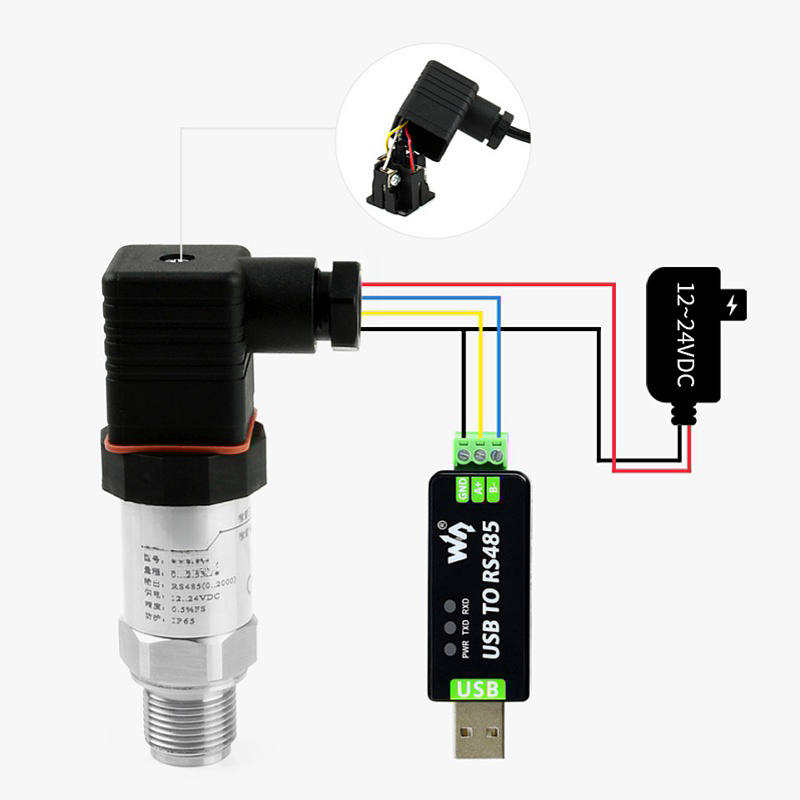
Digital serial signal. A single bus can connect up to 32 sensors, each with a unique address, with the host polling readings. Transmission distance is 1200 meters, resolution is not limited by analog noise, and range and zero point can be remotely modified. The trade-offs are protocol parsing, slow power-on, and correct terminating resistors. Commonly used for multi-point liquid level monitoring, tank groups, and chemical reactor arrays.
HART superimposes a ±0.5 mA FSK digital signal onto a standard 4-20 mA current. The analog system continues to read the current as the primary measurement, while the digital layer is used for parameter reading/writing, remote configuration, multivariate transmission, and fault diagnosis.
New devices generally require HART by default for convenient 365-day remote calibration. A HART modulator or a HART-enabled PLC card is required.
A point-to-point digital interface driven by factory digitalization, featuring 3-wire operation, 12-30V power supply, and a maximum range of 20 meters. Each sensor has one IO-Link master port, enabling automatic identification, plug-and-play functionality, and remote parameter transmission.
This technology is rapidly growing in newly built factories in Europe (especially for German automotive and food processing equipment), while mainstream domestic OEMs are still using 4-20mA/RS485. For Sino-Inst models offering the IO-Link option, confirmation is required at the time of ordering.
After categorizing by sensing element and output signal, the remaining differences mainly lie in structure and media compatibility. The following 10 types are the most frequently encountered in industrial settings. Media temperature, hygiene requirements, whether it’s submerged in water, and whether it’s a dynamic high-frequency signal will determine which type is most suitable for you.
A compact design that screws directly onto pipes or hydraulic ports via G1/2 or NPT threads. The one-piece stainless steel construction is small enough for confined spaces and can measure gauge, absolute, or negative pressure, with 4-20mA or voltage output. Commonly used in OEM equipment, hydraulic power units, and compressed air mains.
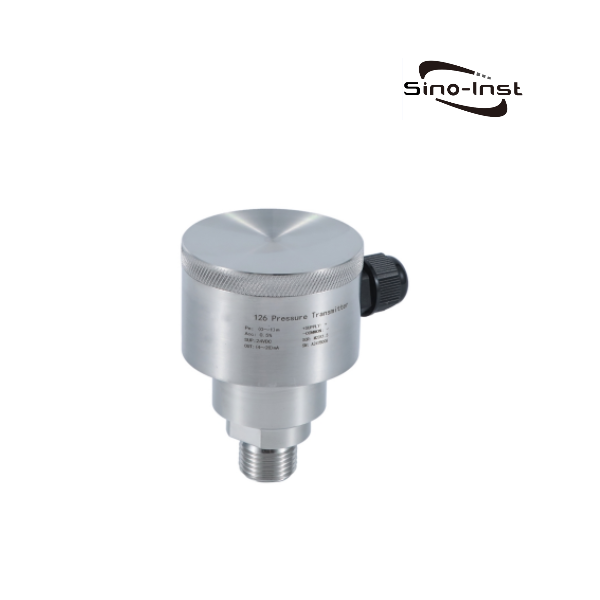
The sensor is completely submerged in the liquid, calculating the liquid level using the hydrostatic formula P = ρgh. It features a silicon piezoresistive core, a stainless steel housing, and a waterproof and breathable cable to compensate for atmospheric pressure. SI-126 products are already used for level monitoring in the printing and dyeing machinery, petroleum, chemical, metallurgical, and hydrological industries.
Features a 316L stainless steel flush diaphragm with laser welding, a Tri-Clamp clamp connection with no dead space, thin-film sensing technology ensuring accuracy, and CIP/SIP online cleaning for residue-free operation. Used in food, pharmaceutical, and bio-fermentation tank pressure and cleaning processes.
With an IP68 protection rating and a stainless steel potted housing, the SI-1801 Waterproof Pressure Sensor can operate continuously underwater to a depth of 200 meters. Unlike IP65, which is “splash-proof,” IP68 is for “long-term immersion.” Its main applications include outdoor exposed pipelines, submerged pipelines, rainwater/sewage monitoring, and coastal platforms.
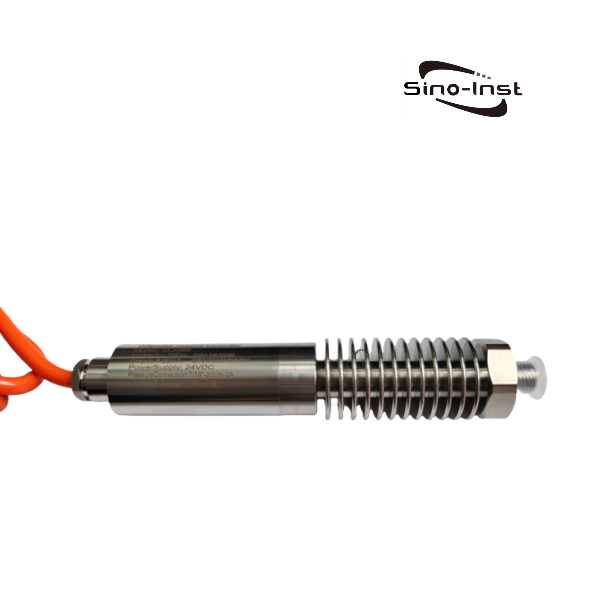
When directly connected to saturated or superheated steam, the medium temperature can exceed 350°C, which the silicon core cannot withstand. Heat dissipation is achieved first through a pigtail siphon or heat sink fins before reaching the sensing element. The standard 4-20mA output covers the vacuum to bar measurement range and is used in boilers, steam distribution systems, and main steam systems in thermal power plants.
Liquid nitrogen, liquid oxygen, liquid hydrogen, and LNG—media below -200°C—can cause ordinary sealing rings to fail and lead wires to become brittle. The CPT-20SD1 uses a fully welded structure and can handle media temperatures up to -252°C / -350°F. Typical applications include aerospace, marine, cryogenic storage tanks, and cryogenic scientific experiments.
For operating conditions above 800°C, such as molten media, engine exhaust, and kiln gases, it utilizes water circulation cooling, an insulating diaphragm, and imported high-temperature resistant materials to isolate the sensitive element from the heat source. The SI-2088S can handle media temperatures up to 1200°C. It is used in automotive testing benches, glass furnaces, and steelmaking furnaces.
The measurement range crosses 0 kPa into the negative pressure zone, typically a composite range of -100 kPa to 0 to +100 kPa. Gauge pressure in the negative pressure zone will be distorted, so diffused silicon or capacitive pressure sensors are recommended for absolute/composite pressure measurements. Vacuum furnaces, freeze dryers, semiconductor process chambers, and negative pressure wards are the main application scenarios.
A sensing element is sandwiched between two diaphragms, outputting the difference between high and low pressure sides. Standard output is 4-20mA or 0-5V. With a throttling device, it can measure flow rate; with a sealed tank, it can measure liquid level; it can measure filter blockage, filter pressure drop, and can also calculate medium density.
Ordinary transmitters have a response time in the millisecond range, and cannot detect kHz-level signals such as knock, water hammer, pump pulsation, and combustion chamber pressure waves. The SI-90 has a natural frequency of 1–2 MHz, a measurement bandwidth of 0–200 kHz, and a range of −100 kPa to 100 MPa. It is used in automotive testing, pyrotechnic experiments, wind tunnels, and combustion research.
What are the industrial applications of pressure sensors? The application field of pressure sensors is extremely broad, covering almost all occasions where pressure needs to be monitored and controlled. The following are some typical application areas:
Industrial control: used to monitor and control fluid pressure, such as flow metering, processing and control of pipelines, gases and liquids.
Automotive industry: plays an important role in the engine management system, brake system, tire pressure monitoring system and other aspects of automobiles.
Medical equipment: used to monitor the pressure in medical equipment such as blood pressure and ventilators, and provide important health data.
Environmental monitoring: used for atmospheric pressure detection, water pressure monitoring, and water level, liquid level and gas concentration measurement.
Oil field and energy field: used for oil well pressure control, pipeline monitoring, liquid level measurement, etc.
Aerospace field: pressure sensors are mainly used to monitor the cylinder pressure, engine intake pressure and atmospheric pressure of aircraft and spacecraft.
Chemical field: pressure sensors are mainly used to monitor the pressure changes of various chemical reactions and the liquid level height of liquids.
Food industry: Pressure sensors are mainly used to monitor pressure changes during food processing and pressure conditions of packaging containers.
How to Select an Industrial Pressure Sensor (10-Point Checklist)
Choosing a pressure sensor is not about buying the most expensive model. It is about matching every parameter on the spec sheet to your actual process. Below are the 10 fields Sino-Inst engineers ask for on every RFQ. Fill them in order and the right model becomes obvious. If two of them are still undecided, send a P&ID snapshot and our engineers will reverse-match a candidate. For the long-form principles behind each point, see the full 10-Point Guide: Selection of Pressure Transmitters.
#
Parameter
How to fill it in
Engineer’s note
1
Range
Process maximum pressure x 1.5, rounded up to the next standard step
Running long-term above 80% of full scale shortens diaphragm life
2
Pressure type
Gauge / Absolute / Sealed Gauge / Differential
Use Absolute for vacuum work, altitude changes, or sealed vessels. Gauge readings drift below -90 kPa
3
Process media
Clean water, oil, steam, acid/alkali, slurry, powder, named gas
Decides the diaphragm material: 316L for clean media, Hastelloy C for chlorides and seawater, ceramic or tantalum for strong corrosion
4
Media temperature
Process min and max temperature
Tip Put range, media, and output signal in the RFQ subject line. With those three our engineers can shortlist a model within 30 minutes. Two fields are most often filled wrong: Media (#3): “water” can mean cooling-tower return (chlorides), recirculated process water (solids), or stagnant fire water. Each needs a different diaphragm. Hazardous area (#9): ATEX Zone 1/2 or IECEx zones cannot run a standard model. Pull the area classification drawing before orderingAbove +85 °C add a cooling siphon. Above +300 °C use a water-cooled body. Below -50 °C choose a low-temp series such as CPT-20SD1
5
Accuracy class
0.5% / 0.25% / 0.1% / 0.075% FS
0.5% is enough for general industrial use. Custody transfer and calibration standards need 0.1% or better
6
Output signal
4-20 mA / 0-5 V / 0-10 V / RS485 / HART / IO-Link
Use 4-20 mA for long field runs. Use 0-10 V for OEM board-level. Use RS485 for multi-drop digital readout
7
Process connection
G1/4, G1/2, NPT 1/4, NPT 1/2, Tri-Clamp, flange
Specify thread spec and seal type (O-ring, flat face, conical). For flange, give DN and PN
8
Electrical connector
Hirschmann DIN 43650 / M12 / aviation plug / cable gland direct out
Choose M12 lock for outdoor and high-vibration. Choose potted direct cable for hot, humid, or submerged installations
9
Ingress / hazardous area
IP65 / IP67 / IP68 plus ATEX / IECEx / Ex d / Ex ia
IP65 minimum for rain exposure, IP68 for underwater. Always state the zone classification for explosive atmospheres
10
Industry certifications
CE / RoHS / FDA / 3-A / EHEDG / marine class / GOST
Food and pharma need 3-A and EHEDG. Russian orders need GOST. Offshore platforms need DNV or ABS
Tip
Put range, media, and output signal in the RFQ subject line. With those three our engineers can shortlist a model within 30 minutes.
Two fields are most often filled wrong:
Media (#3): “water” can mean cooling-tower return (chlorides), recirculated process water (solids), or stagnant fire water. Each needs a different diaphragm.
Hazardous area (#9): ATEX Zone 1/2 or IECEx zones cannot run a standard model. Pull the area classification drawing before ordering.
Analog pressure transducers convert measured pressure into a continuous analog signal output. It provides an output signal proportional to the pressure being measured. Common analog output methods are: 4-20mA, 0-5/10V DC, 0.5-4.5V DC, 0.5V~2.5V DC. Sino-Inst manufactures and supplies a wide range of analog pressure transducers, from compact, cost-effective OEM transducers to high temperature, high … Read more
RS485 pressure sensors transmit pressure signals through the 485 bus. There are main advantages: easy integration into digital sensor networks; longer transmission distances, up to 1000m; more efficient and reliable data reading. Modbus-RTU intelligent pressure transmitters act as slaves in RS485 communication networks and follow the Modbus RTU protocol to communicate with the host to … Read more
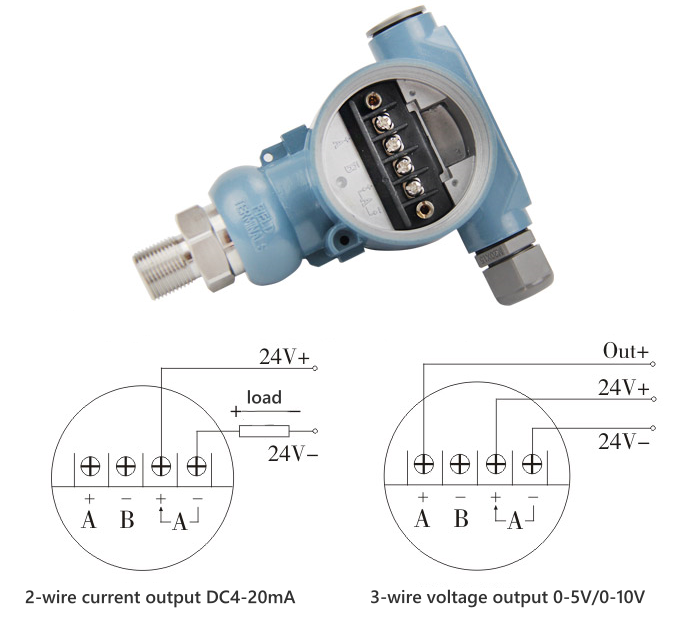
There are generally three types of Pressure transducer wiring diagrams: two-wire, three-wire, and four-wire. As the name suggests, there are several wires that need to be connected to the electrical interface of the pressure transmitter, which is a multi-wire connection method. When purchasing the signal output of the pressure transmitter, you also need to choose … Read more
Submersible Pressure Transducers are a special type of pressure transmitter. Equipped with a sturdy, durable and airtight stainless steel casing with a protection level of up to IP68. The probe measures static pressure. This allows conclusions to be drawn about the current liquid level, i.e. the height of the liquid column above. Commonly used for … Read more
Explosion proof pressure transducers are pressure measurement devices that are third-party certified for safe operation in hazardous environments. Mainly used in petroleum, chemical industry, coatings, pharmaceuticals and other flammable and explosive places. Explosion-proof technology is employed, meaning the transmitter’s flameproof housing is designed to withstand the pressure generated by an internal explosion while preventing the … Read more
Differential pressure transmitters are transmitters that measure the difference in pressure across the transmitter. Output standard signals (such as 4~20mA, 0~5V). Differential pressure transmitters are mainly used to measure differential pressure, pressure and negative pressure of liquids, gases and steam. It is also possible to measure liquid levels in open or pressurized vessels. Equipped with … Read more
Gauge pressure transmitter can realize high-precision measurement of gauge pressure in industrial process. The product is used to measure the level, density and pressure of liquid, gas or steam. Then the pressure signal is converted into 4mA~20mA DC analog current signal output. It can also be configured with HARTRS485, etc. Gauge Pressure Transmitters are suitable … Read more
What is a Pressure Transducer? It is often called a pressure transmitter. An absolute Pressure Transducer is a device that measures the pressure relative to 0 Pa. Then, a Gauge Pressure Transducer is an instrument that measures the pressure with atmospheric pressure as the reference point. A Differential Pressure Transducer measures the difference between pressures … Read more
Sino-Inst manufactures pressure sensors, transducers and transmitters in China. The standard catalog covers 50+ SI-series models. OEM and ODM are available with custom range, output, housing material, process connection and electrical connector.
Extreme-condition variants are in regular production: ultra-high pressure (SI-702 series), ultra-high temperature up to 1200 °C with water cooling (SI-2088S), and cryogenic media down to −252 °C (CPT-20SD1).
Customers in the USA, UK, Canada, Italy and Argentina use Sino-Inst sensors in oil & gas, chemical, steam boiler, food, pharma, water treatment and OEM equipment lines.
Send your range, media, output and process connection. Our engineers respond within one business day.
The three describe stages of the same signal chain.
A sensor is the bare sensing element with an mV/V level output.
A transducer adds conditioning electronics and delivers a low-level analog signal like 0-5 V or 0-10 V.
A transmitter amplifies further and drives a 4-20 mA loop for field wiring.
For long field runs choose a transmitter, for OEM board-level integration choose a transducer. In day-to-day procurement the three terms are used interchangeably, so check the “output signal” line on the product page instead of trusting the name.
6 factors: diaphragm material (304, 316L, Hastelloy, ceramic, tantalum), accuracy class (0.5%, 0.25%, 0.1% FS), output signal, process connection, hazardous-area and sanitary certification, and order quantity.
At the same range, ATEX rating, 3-A sanitary, or higher accuracy each push the unit price up significantly. Send range, media, output and connection in the RFQ and engineers reverse-quote against your process.
Pick by cabling distance and host system. Over 50 m, into a PLC/DCS, or through a hazardous area, use 4-20 mA. Short in-equipment runs with an on-board ADC, use 0-5 V or 0-10 V. Multiple sensors on one bus with remote re-ranging, use RS485 Modbus. New installations that need remote configuration and diagnostics, use HART.
2-wire is the standard 4-20 mA loop: 24 VDC supply through a 250 Ω sense resistor to the transmitter “+” terminal, “-” terminal back to supply 0 V, the controller reads voltage across the resistor.
3-wire adds a dedicated signal line and is common for 0-5 V or 0-10 V outputs.
4-wire keeps supply and signal fully isolated and is used where galvanic isolation is required.
Steam cannot connect directly to the sensor. Silicon sensing elements become unreliable above +85 °C, and steam is typically 150-350 °C.
Two common approaches: install a pigtail siphon that condenses steam into water before the transmitter, or use a high-temperature model with a cooling fin or water jacket. Boiler main steam, sterilizers and power plants typically take the siphon route.
Yes, both OEM and ODM. Customizable items include range (vacuum to ultra-high pressure), output signal (4-20 mA, 0-5 V, 0-10 V, RS485, HART), accuracy class (0.5%, 0.25%, 0.1%), housing material, process connection (G, NPT, Tri-Clamp, flange) and electrical connector. Send range, media, output and process connection in the RFQ and engineers will match a stock SI-series model or quote a custom build.
Related guide: Need a quick reference on the inline form factor specifically? See our Inline Pressure Transducer Guide for 10 SI-series models, selection checklist, and FAQ.