Home > Blog
2026.4.30

Magnetic Flow Meter Calibration Procedure – User Guide

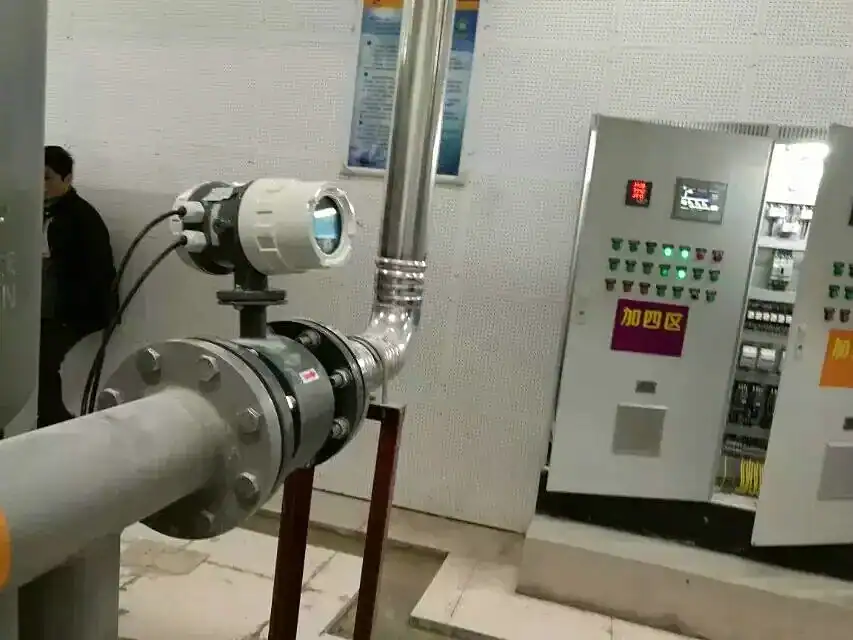
After a period of use, electromagnetic flow meters may experience a decrease in accuracy. Magnetic flow meter calibration eliminates systematic errors inherent in the instrument, ensuring the reliability of its measurement results. This meets the needs of process control, cost accounting, and trade settlement. Electromagnetic flow meters are suitable for measuring the flow rate of conductive liquids in closed pipelines and are widely used in various industries such as chemical engineering, wastewater treatment, agricultural irrigation, and urban water management. Therefore, electromagnetic flo......

2026.4.29

Nitrogen Flow Controllers for Industrial & Research Applications

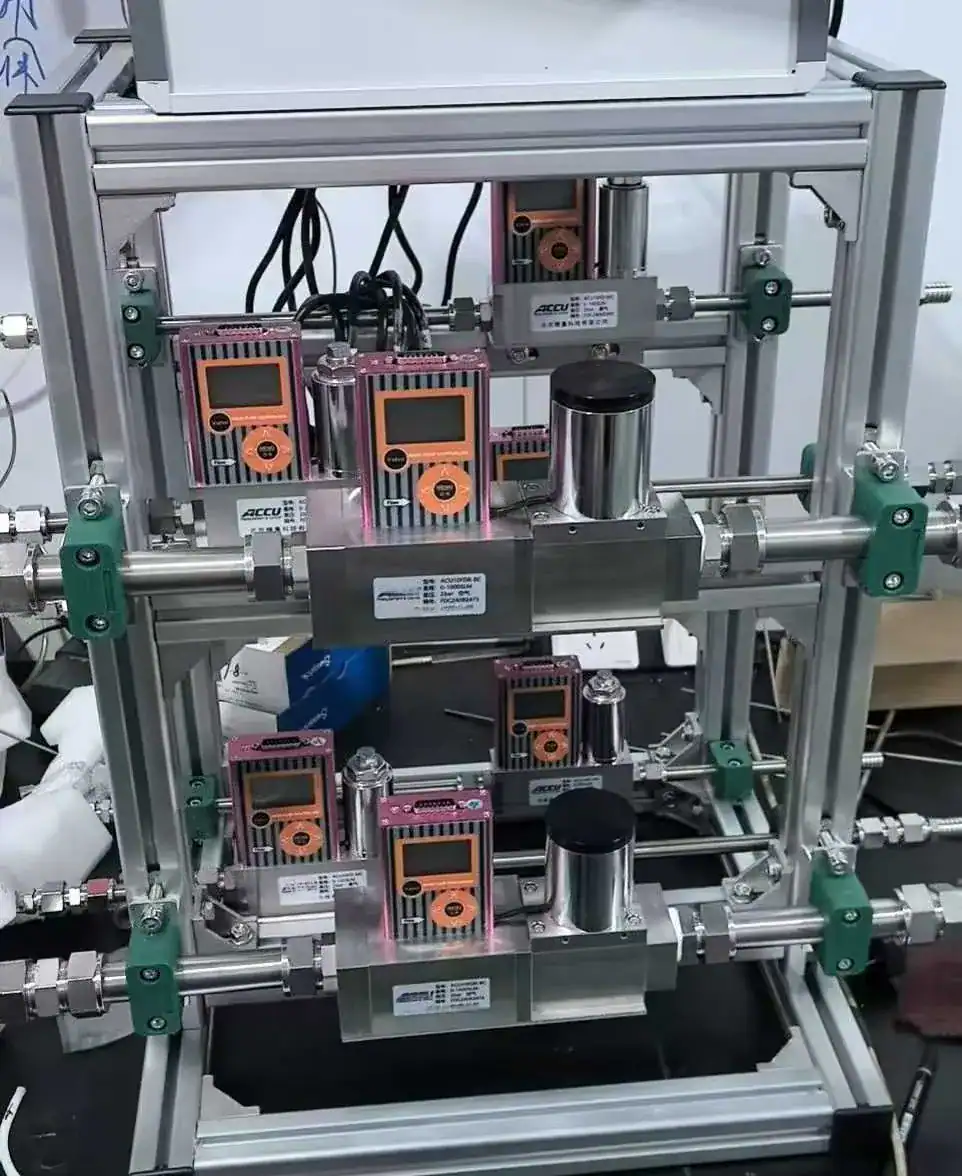
Nitrogen Flow Controllers are devices specifically designed for measuring and controlling nitrogen flow. They not only measure the volumetric or mass flow rate of nitrogen, but crucially, they also control the flow rate. Generally, they are based on a nitrogen flow meter, with the addition of an automatic control valve and a closed-loop control system. They can not only measure real-time flow but also automatically and precisely control the valve opening based on user-defined values, stabilizing the actual flow rate at the set value. If you only need nitrogen flow monitoring, please refer to o......

2026.4.23

Insertion Flow Meters: 6 Types

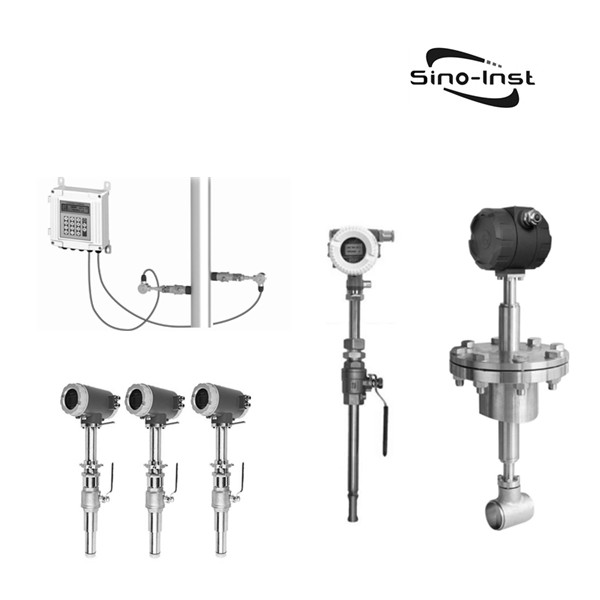
Measuring flow in large pipes with insertion type flow meters. If you need to measure the fluid flow of a larger pipe diameter, you are most likely to choose an insertion type flow meter. But what insertion type flow meter should you use? The market has insertion electromagnetic flowmeter, insertion vortex flowmeter, insertion ultrasonic flowmeter, insertion ultrasonic flowmeter and so on. Next, let us compare various insertion type flow meters. Hope to help you choose the right insertion type flow meter! RFQ Table of ContentsCalibration vs. Verification:The Importance of Electromagnetic Flowm......

2026.3.24

How to Choose the Right Probe Material for Your Ultrasonic Level Sensor

By Li Rui, Senior Process Engineer at Sino-Inst | Published 2026-03-24. If you’ve ever had an ultrasonic level sensor fail prematurely, there’s a good chance the probe material was wrong for the job. I’ve seen this happen more times than I’d like to admit — a perfectly good sensor, installed in a sulfuric acid tank, corroded within weeks because someone went with the default ABS housing without thinking twice. Choosing the right transducer probe material isn’t glamorous work, but it’s one of those decisions that directly determines whether your level measure......

2026.3.19

What is an IP rating? IP65-IP67-IP68

When purchasing pressure transmitters or flow meters, the sales engineer will usually confirm with you what IP rating you need: IP65, IP67, or IP68? This explanation aims to help you understand the details of IP ratings. Next time you purchase electrical equipment, you’ll know which IP rating to choose. RFQ Table of ContentsCalibration vs. Verification:The Importance of Electromagnetic Flowmeter CalibrationElectromagnetic Flowmeter Calibration CycleMagnetic Flow Meter Calibration ProcedureCalibration of Electromagnetic Flowmeters with Clamp-on Ultrasonic FlowmetersFAQWhich causes the ina......

2026.3.18

Absolute Pressure Transmitters: Product List and Guide

What is Absolute Pressure Transmitter? Absolute pressure transmitters are sensors that measure pressure using absolute vacuum (0 bar) as a reference. They convert the sensed physical pressure value into a standardized electrical signal, such as 4-20 mA or 0-10 V, for processing by control systems or monitoring equipment. They are often called “industrial barometers” or “technical barometers” because they can measure true, absolute pressure unaffected by environmental fluctuations. RFQ Table of ContentsCalibration vs. Verification:The Importance of Electromagnetic Flowme......

2026.3.17

Gas Measurements: Normal Conditions vs Standard Conditions

In gas flow measurement and control, it is crucial to distinguish between Normal Conditions and Standard Conditions. This is primarily because the volume of gas changes with temperature and pressure. Different standards will result in different measured gas values. This is somewhat similar to the difference between “SCFM (Standard CFM) and ACFM (Actual CFM)“. RFQ Table of ContentsCalibration vs. Verification:The Importance of Electromagnetic Flowmeter CalibrationElectromagnetic Flowmeter Calibration CycleMagnetic Flow Meter Calibration ProcedureCalibration of Electromagnetic Flowme......