Home > Blog > Fluid Pressure Sensors for Industrial Liquids Pressure Measurement
Fluid Pressure Sensors for Industrial Liquids Pressure Measurement
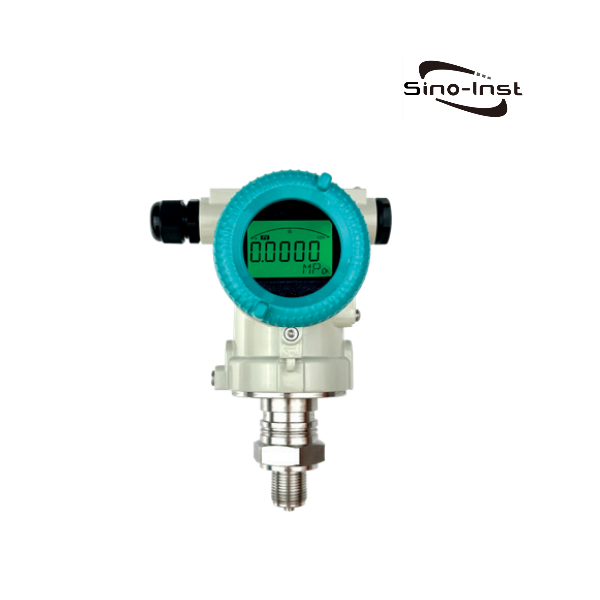
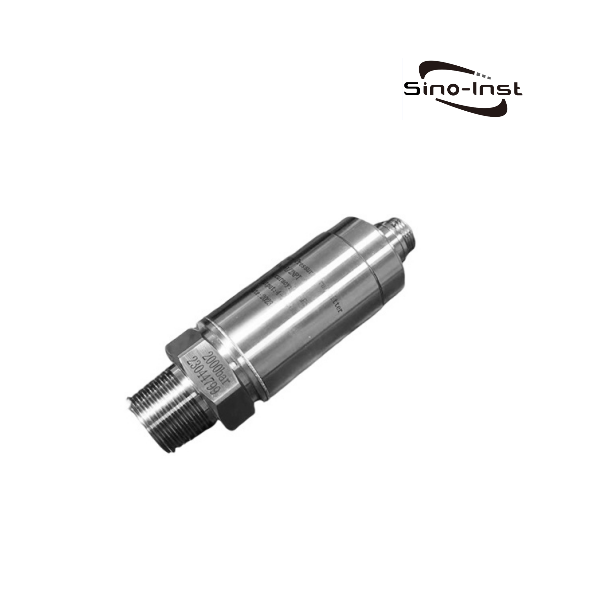
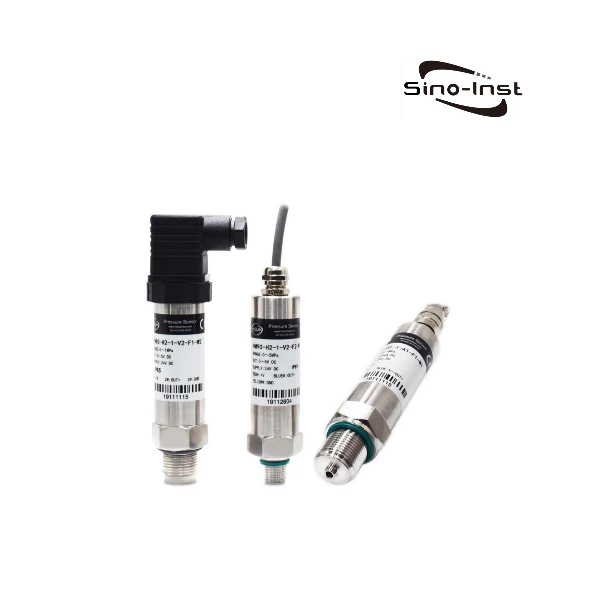
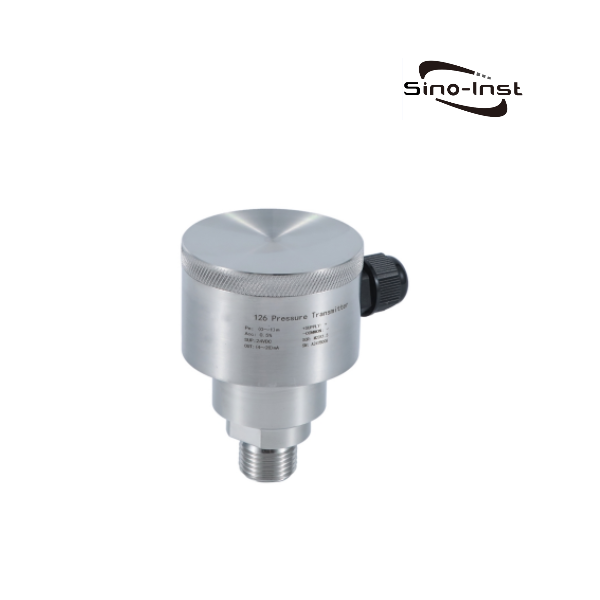
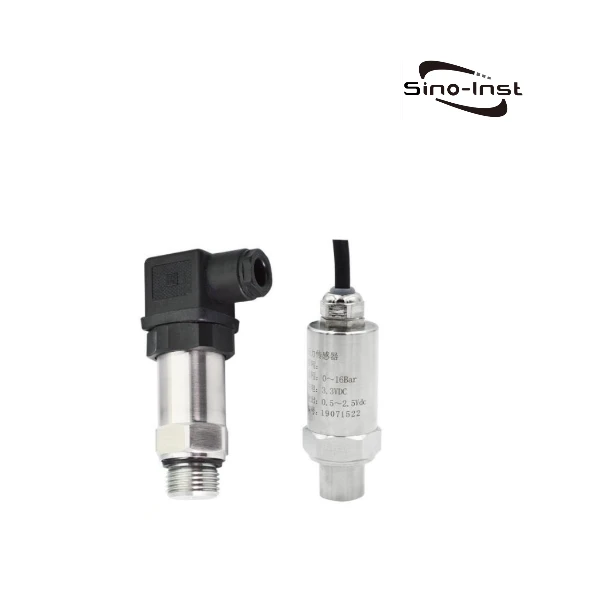
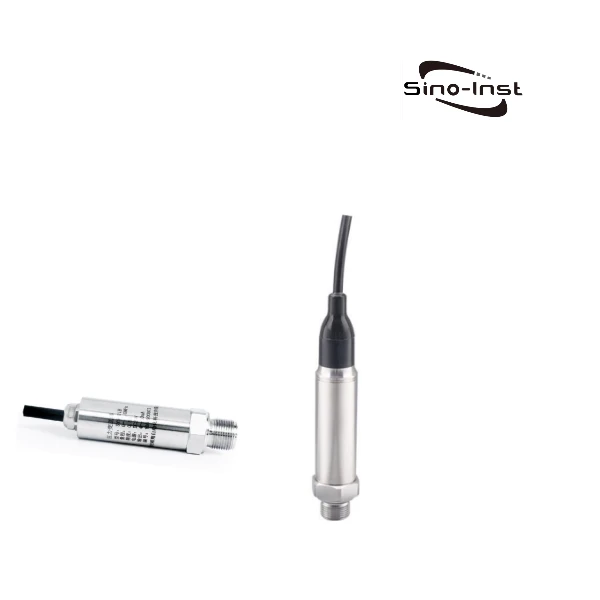
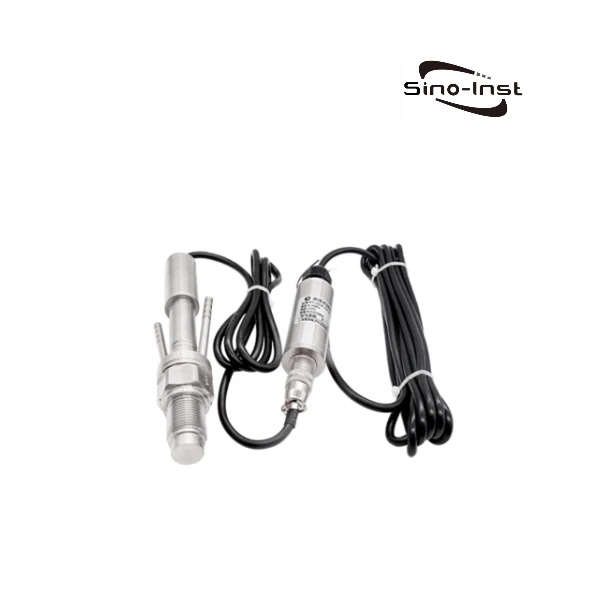
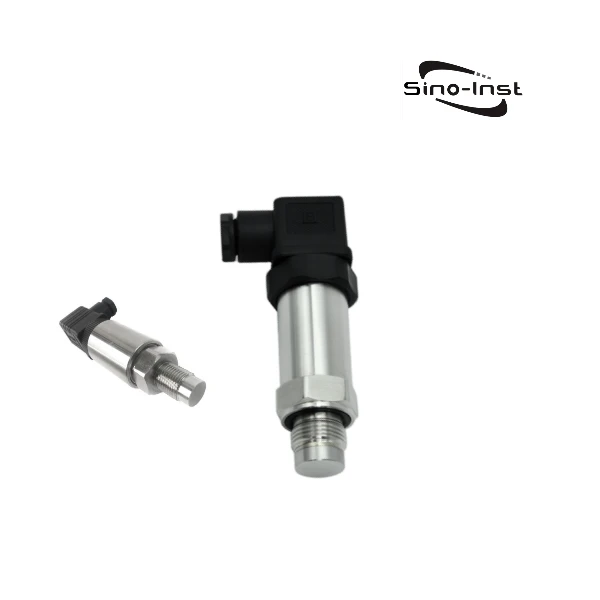
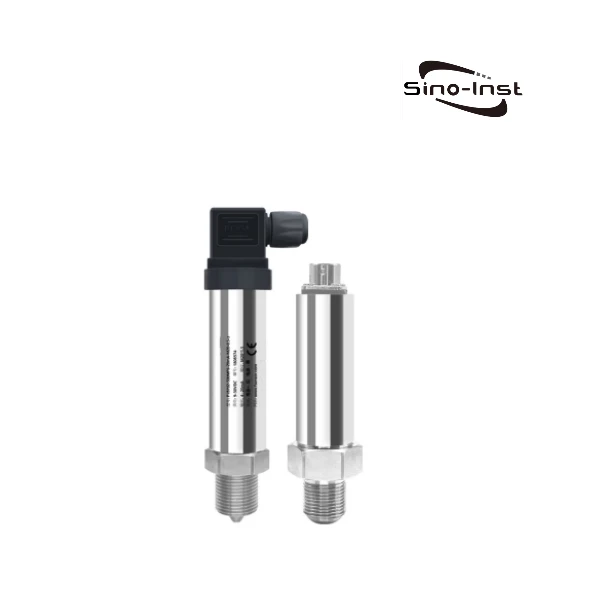
Fluid pressure sensors refer to a type of pressure sensor that can be used to measure the pressure of liquid media. Also called Liquid Pressure Sensors and Transmitters. Such as common water, waste water, hydraulic oil, chemical corrosive liquid and other fluid media. Sino-Inst supplies a variety of customized fluid pressure sensors, including: customized installation dimensions, customized signal output, corrosion-resistant wetted materials, customized high temperature, extremely low temperature and other extreme conditions.
Sino-Inst offers a range of liquid pressure sensors and transmitters. These include gauge pressure sensors, differential pressure sensors and absolute pressure sensors. Widely used in various industrial automatic control environments.
Featured Fluid Pressure Sensors and Liquid Pressure Transducers
For general industrial fluids, our Sino-Inst pressure transmitters can meet the measurement requirements. The high-precision pressure transmitter has an accuracy of up to 0.075%. Whether it is general liquids such as water and oil, or liquefied gases such as oxygen and hydrogen, we provide suitable liquid pressure transmitters and can custom-design them according to unique requirements. Our industrial pressure sensors can be divided into 7 types according to the measurement principle.
However, it is more difficult to classify fluid pressure sensors. Because it is difficult for us to classify all liquids in detail. Therefore, here we introduce 7 fluid pressure sensor types for several common types of fluid media:
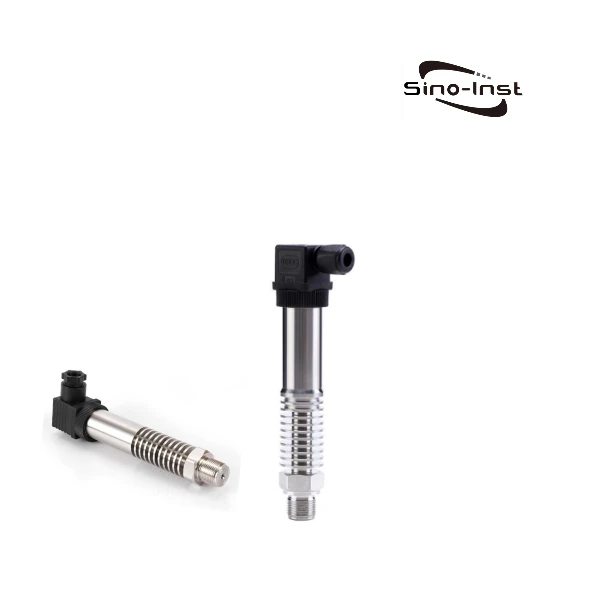
This type of fluid is commonly found in high-temperature industrial processes. Such as high temperature steam, molten metal or hot oil, etc. These fluids require sensors that can withstand high temperature environments.
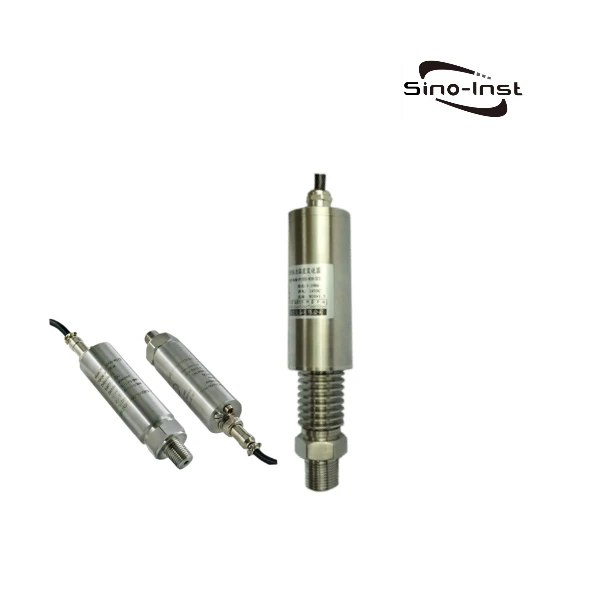
Our Sino-Inst high-temperature pressure sensors can meet the measurement environment of various high-temperature segments. Including 300℃, 450℃, 600℃, 800℃, 850℃, up to 1200℃.
Including chemically active liquids such as acids, alkalis, and salt solutions. These fluids require sensors made of special materials, such as stainless steel, titanium alloys or special plastics, to resist corrosion.
Our Sino-Inst fluid pressure transmitters are available in a variety of wetted materials. Including stainless steel, Hastelloy, Monel, etc.
Such as heavy oil, honey, lubricating oil, etc. Another example is liquids with solid particles, such as sewage, mud, etc. This type of fluid requires the sensor to have certain anti-clogging properties. Such fluids may affect the sensor’s response time and accuracy, requiring special design to ensure accurate measurements.
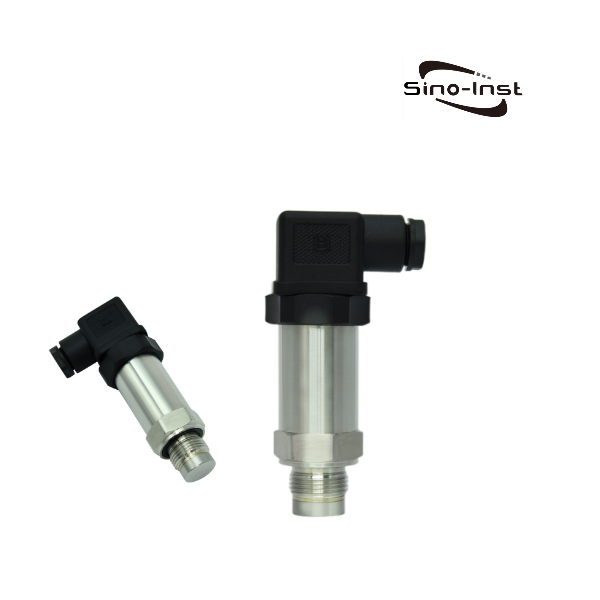
Our Sino-Inst fluid pressure sensors can be configured with flat membrane sensors. Without the pressure hole, the measured medium will not block the sensor.
This type of fluid mainly appears in food processing, pharmaceuticals, biotechnology and other fields, including but not limited to milk, juice, vaccines and other pharmaceutical solutions. These fluids are characterized by extremely high requirements on environmental hygiene and material safety. Therefore, sensors used to measure such fluids usually need to comply with specific hygiene standards, such as FDA standards or 3-A hygiene standards.
We at Sino-Inst supply hygienic fluid sensors. Sensors should be designed to prevent the accumulation of contamination and be easy to clean and high-temperature sterilize to prevent microbial growth. Sensor materials need to be safe and non-toxic and will not pollute the fluid. Commonly used materials include stainless steel, special plastics or silicone.
This type of fluid mainly appears in high-pressure applications, such as deep-sea oil extraction, high-pressure testing equipment, high-pressure water jet cutting, etc.
The maximum pressure of conventional pressure transmitters is generally 100MPa. The bodies of our high-pressure type pressure sensors are usually made of high-strength materials, such as special steel or high-strength alloys, to withstand extremely high pressures. The high pressure range can be customized to 400MPa-700MPa-1000MPa.
Such as gasoline, natural gas, etc. Sensors that measure this type of fluid need to have an explosion-proof design to ensure safe use in flammable and explosive environments.
Our Sino-Inst pressure sensors can provide explosion-proof designs to meet EXID, EXIA and other explosion-proof grade requirements.
The above categories are just sharing of our experience. Of course, there are many fluid media that are not listed. If you have fluid pressure measurement needs, or other gas pressure measurement, steam pressure measurement, please feel free to contact our engineers!
More Fluid Sensors Products
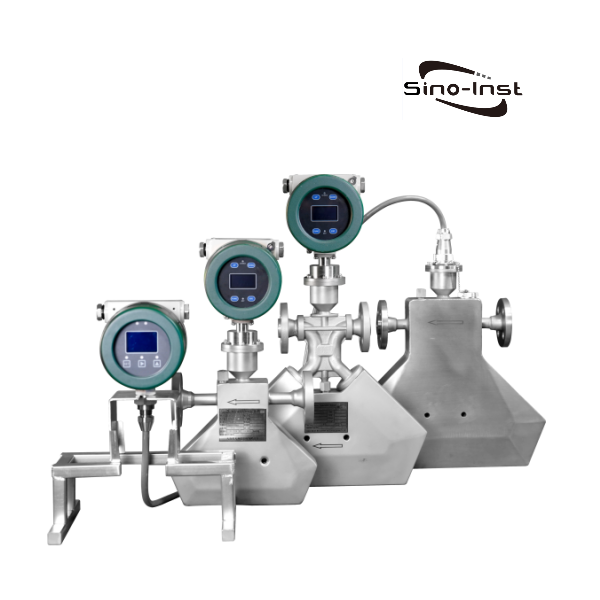
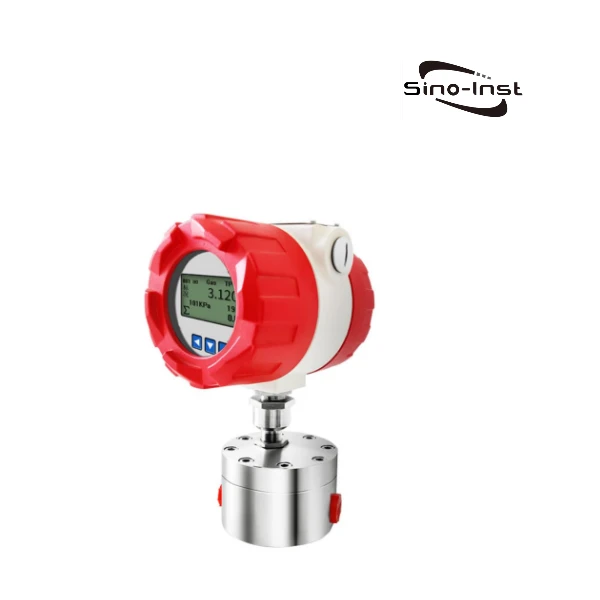
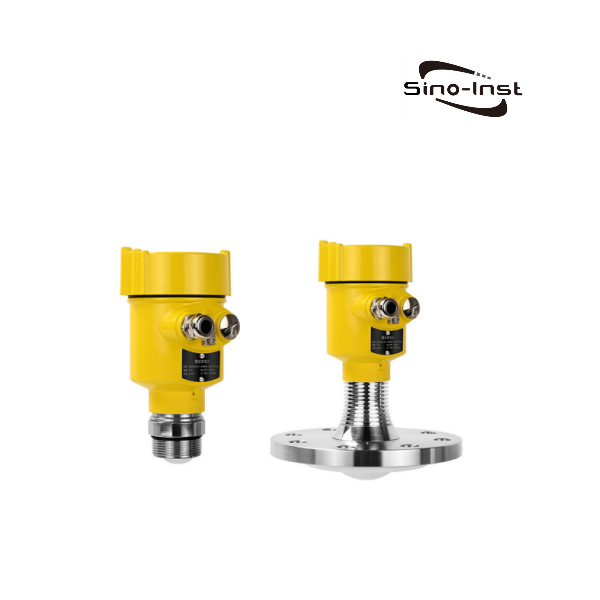
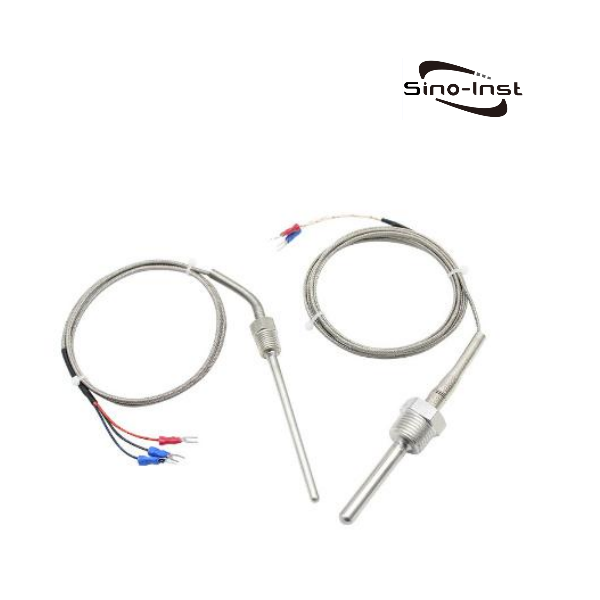
For industrial fluid monitoring, we often need to monitor not only pressure, but also flow, temperature, level, density, etc. Sino-Inst also supplies a variety of special products.
We at Sino-Inst supply a wide range of Fluid Pressure Sensors for industrial use. It can meet the pressure measurement of various liquids and special environments.
We supply more than 50 types of pressure transmitters, including monocrystalline silicon pressure transmitters, capacitive pressure transmitters, ceramic pressure transmitters, diffused silicon pressure transmitters, etc. Widely cited in process industries such as paper and pulp, food and beverage, petroleum and chemicals, oil and gas.
If you need to purchase Fluid Pressure Sensors or have related technical questions, please feel free to contact our sales engineers!
Zhang Wei, possesses 20 years of experience as an automation instrumentation engineer, specializing in the research, design, installation, commissioning, and maintenance of automation instruments.
Face to various instrument communication protocols (such as Modbus, Profibus, etc.), with solid hardware circuit design and software programming skills (proficient in C language and PLC programming). Has extensive project experience; projects he has led and participated in have all achieved outstanding results, improving product accuracy, reducing costs, and increasing production efficiency.
Possesses excellent communication and coordination skills and a strong team spirit, enabling him to quickly respond to customer needs and provide high-quality automation instrumentation solutions.