Home > Blog > Top 4 Types of Pipeline Flow Meters-DN6~DN1000~DN6000
Top 4 Types of Pipeline Flow Meters-DN6~DN1000~DN6000
Pipeline flow meters are an integral part of fluid flow monitoring and management in industrial pipelines. Pipeline Flow Meters measure the volume or rate of fluid flow (whether liquid, gas or steam) flowing through a pipeline, providing important data for process control and billing. Their importance goes beyond measurement; they are critical to ensuring operational efficiency, maintaining system integrity and optimizing resource usage.
In our usual industrial process measurement and control, the most commonly used are electromagnetic flowmeters, turbine flowmeters, ultrasonic flowmeters and vortex flowmeters. These flow meters are also our highest selling products at Sino-Inst.
Next, let’s take a detailed look at the comparison of their four Pipeline Flow Meters.
Item
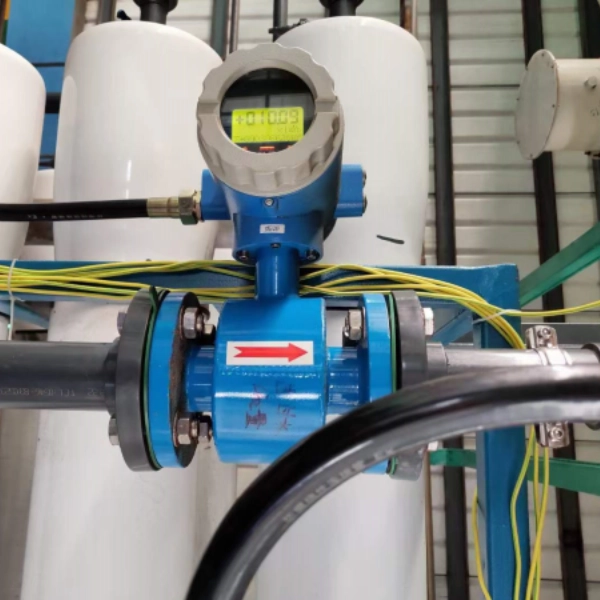
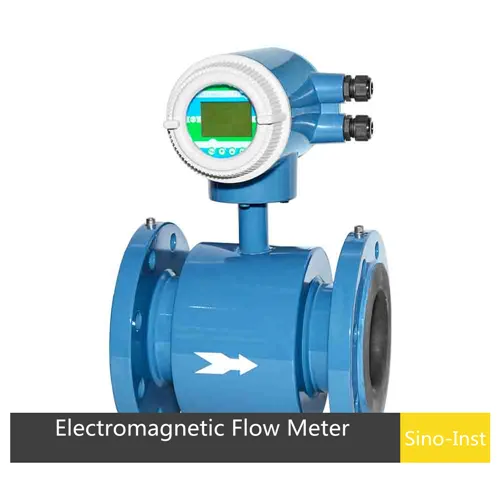
Electromagnetic Flow Meter
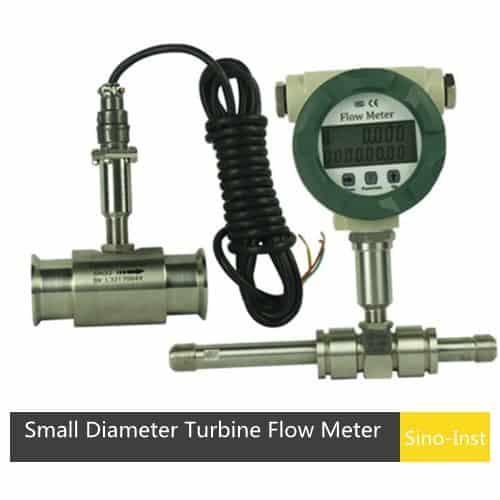
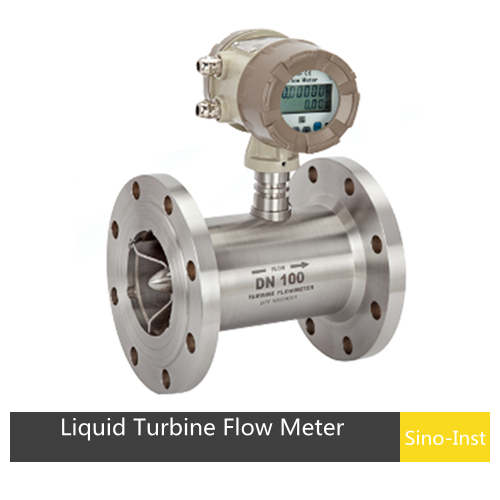
Turbine Flow Meter
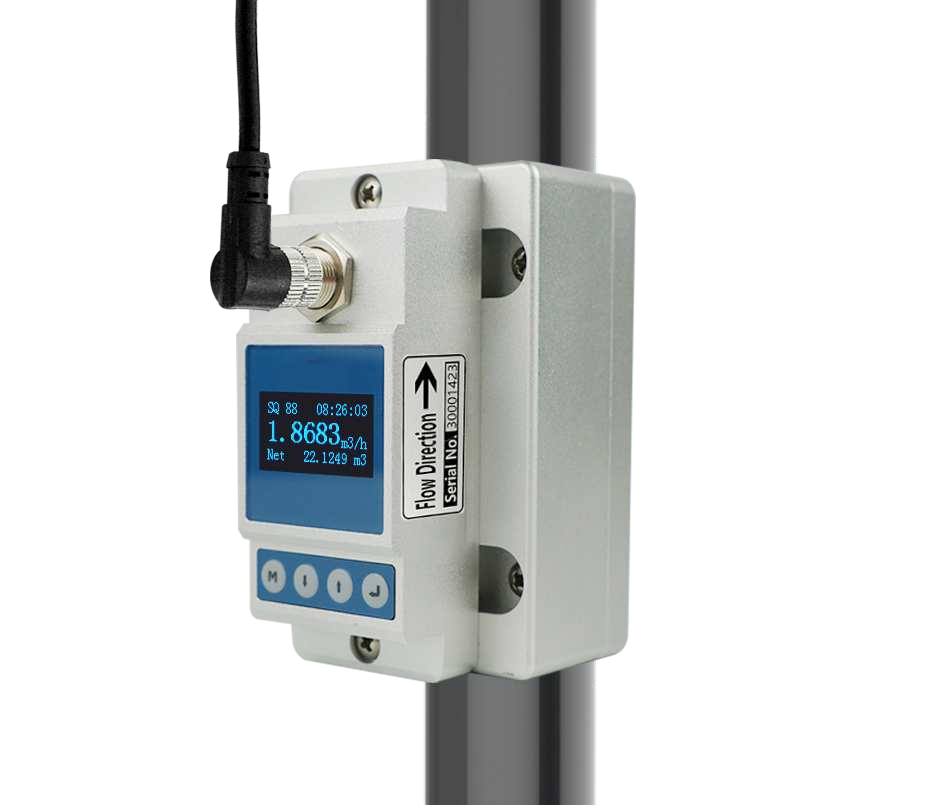
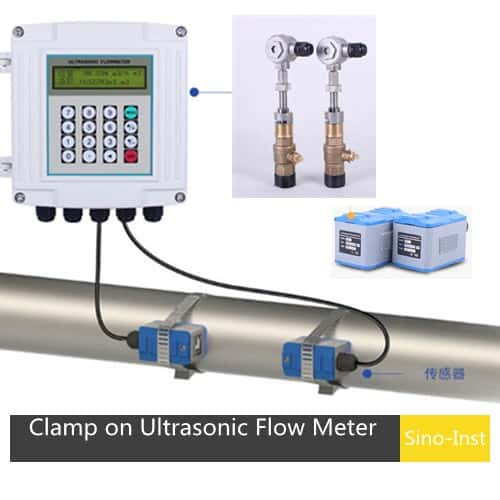
Ultrasonic Flow Meter
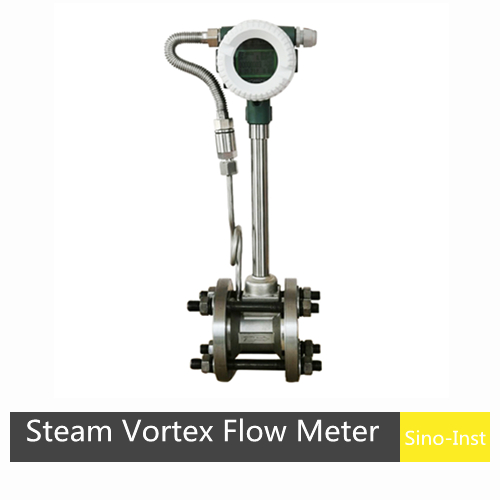
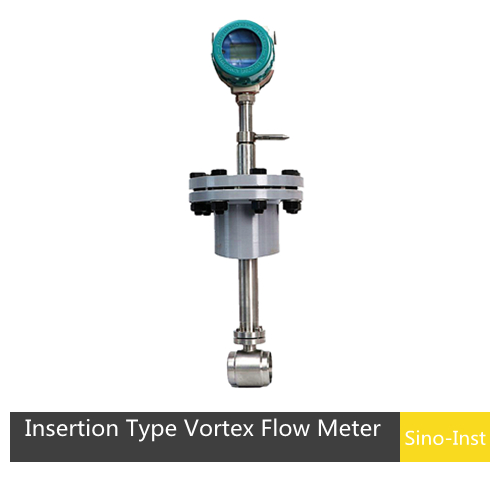
Vortex Flow Meter
Measurement Principle
Measures the voltage generated by a fluid passing through a magnetic field
Uses a rotating turbine to measure flow rate
Uses sound waves to measure the rate of flow
Measures vortices shed by a bluff body placed in the flow
Fluid Types
Conductive fluids (e.g., water, acids)
Liquids and gases
Wide range, including non-conductive fluids
Liquids, gases, and steam
Installation Impact
Requires full pipe and no flow obstructions
Intrusive, may cause pressure drop
Non-intrusive options available
Intrusive, minimal pressure drop
Accuracy
High (±0.5% of reading)
Moderate to high (±0.5-1%)
Moderate to high (±1-2%)
Moderate (±1-2%)
Maintenance Requirements
Low, no moving parts
Higher, due to moving parts
Low for clamp-on models
Low, no moving parts
Cost
Moderate to high
Low to moderate
Moderate to high
Moderate
Pipe Size Range
Wide range DN10~DN2000
DN4~DN300
Very flexible, DN15~DN6000. Suitable for large diameters
DN15~DN1000
Temperature Range
-40℃~120℃
-200℃~180℃
-30℃~90℃ -30℃~160℃
-40℃~350℃
Applications
Water/wastewater, chemical, food & beverage
Oil & gas, water, chemicals
Water management, large diameter pipes
Steam, gas, and low viscosity liquids
Special Considerations
Requires conductive fluids
Affected by fluid viscosity and density
Accuracy depends on flow profile and pipe installation
Vortex shedding can be affected by flow disturbance
In fact, through the price comparison in the above table, we can already initially select the appropriate flow meter type for most measurement applications. Based on our many years of flow meter supply experience at Sino-Inst, we have compiled a Pipeline Flow Meters Selection Guide for your reference.
Selection Guide
Selecting the right type of flow meter is crucial for achieving accurate and reliable measurements in various industrial applications.
Considerations for Selection:
Fluid Type Electromagnetic: Ideal for conductive liquids such as water, wastewater, and chemicals. Turbine: Suitable for clean liquids and gases, particularly in the oil and gas sector. Ultrasonic: Best for a wide range of fluids, including those with low conductivity and large-diameter pipes. Vortex: Effective for steam, gas, and low-viscosity liquids.
Installation Constraints Pipe Size: Consider electromagnetic and ultrasonic meters for very large diameters (DN6000). Turbine and vortex meters are more suitable for small to medium diameters. Space and Access: Depending on your pipe size, find out the straight pipe section requirements for each type of flow meter.
Accuracy and Range High Accuracy Needs: Electromagnetic and turbine meters generally offer higher accuracy. Wide Flow Range: Ultrasonic and vortex meters provide a broader flow range.
Cost Considerations Flow meter price: For small pipes, the prices of various flow meters may not differ much. But for large-diameter pipes, the price difference will be greater. For example, for large-diameter water pipes, ultrasonic flow meters (clamp-on or plug-in types) will be more cost-effective than electromagnetic flow meters. Initial vs. Long-term Cost: Turbine meters may have lower initial costs, but consider maintenance and lifespan. Electromagnetic and ultrasonic meters, while more costly upfront, may offer savings over time due to lower maintenance needs.
Measurement parameters are compatible with: Finally, you can take your measurement parameters with our engineers for confirmation. include: Measuring medium: Pipe diameter: Flow range: temperature: pressure: Media density: Installation method and dimensions: Signal output:
FAQ
By default, this panel is concealed and appears when the user clicks on the section title. Input relevant information about its title using paragraphs or bullet points. Accordions can enhance the user experience when utilized effectively. They allow users to choose what they want to read and disregard the rest. Accordions are often utilized for frequently asked questions (FAQs).
Flow rate in a pipeline is typically measured using a flow meter installed within the pipeline. The meter measures the volume or mass of the fluid passing through per unit of time. Different types of flow meters, like electromagnetic, ultrasonic, or turbine, employ various principles (like electromagnetic induction, sound wave reflection, or mechanical rotation) to measure this flow rate accurately.
A pipe flow meter is a device specifically designed to measure the flow rate of liquids, gases, or steam through pipes. It is an essential tool in many industries for process control, monitoring, and billing purposes. Pipe flow meters come in various types, each suited to different applications and fluid properties.
Flow Meter: A flow meter is a comprehensive device used to measure the volume or mass flow rate of a fluid. It typically includes a primary device (like a turbine, vortex shedding bar, or ultrasonic transducer) and a secondary device (like a transmitter or display) to process and display the measurement. Flow Sensor: A flow sensor, on the other hand, is usually a component of a flow meter or other systems. It detects the flow and sends a signal to a controller or monitor. It is more focused on the detection aspect rather than the detailed measurement and analysis of flow.
As we’ve explored today, understanding the right type of pipeline flow meter for your specific needs is crucial. Whether it’s electromagnetic, ultrasonic, turbine, or vortex flow meters, each type has unique features and applications.
At Sino-Inst, we don’t just specialize in pipeline flow meters. We’re also experts in measuring other critical aspects like crude oil flow, liquid level, and temperature. So, if you’re looking for comprehensive solutions for your measurement needs, we’ve got you covered. Discover more and get in touch with us today!
Zhang Wei, possesses 20 years of experience as an automation instrumentation engineer, specializing in the research, design, installation, commissioning, and maintenance of automation instruments.
Face to various instrument communication protocols (such as Modbus, Profibus, etc.), with solid hardware circuit design and software programming skills (proficient in C language and PLC programming). Has extensive project experience; projects he has led and participated in have all achieved outstanding results, improving product accuracy, reducing costs, and increasing production efficiency.
Possesses excellent communication and coordination skills and a strong team spirit, enabling him to quickly respond to customer needs and provide high-quality automation instrumentation solutions.