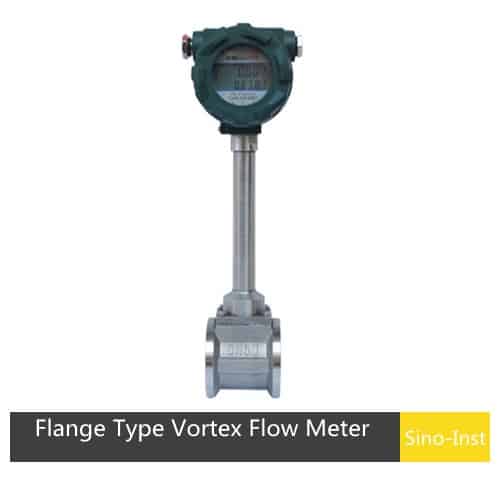
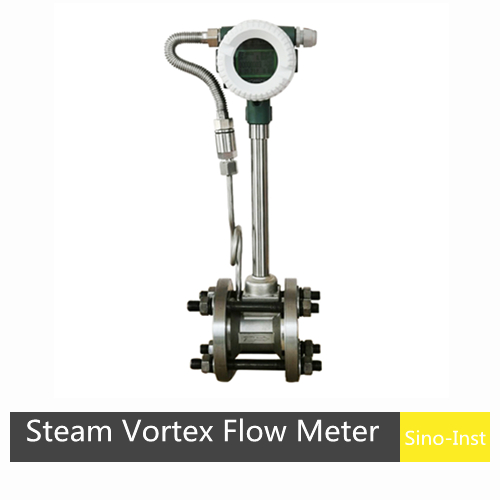
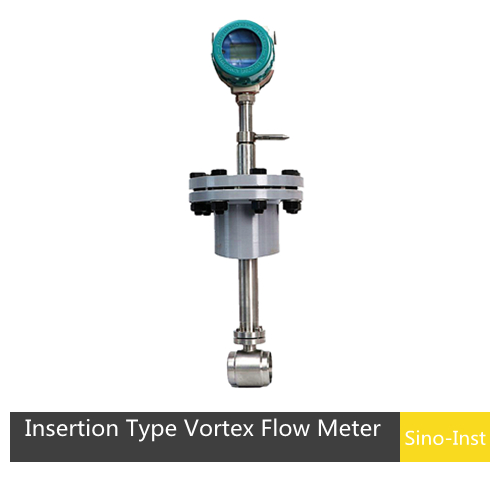
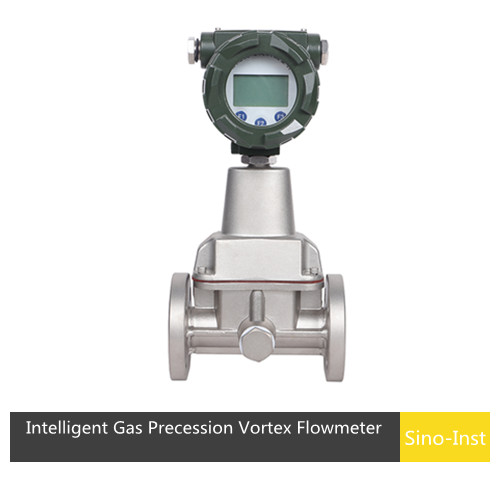
Vortex Flow Meters for Natural Gas
Natural gas is a clean energy. The proportion in the energy structure is increasing year by year. The coverage of…

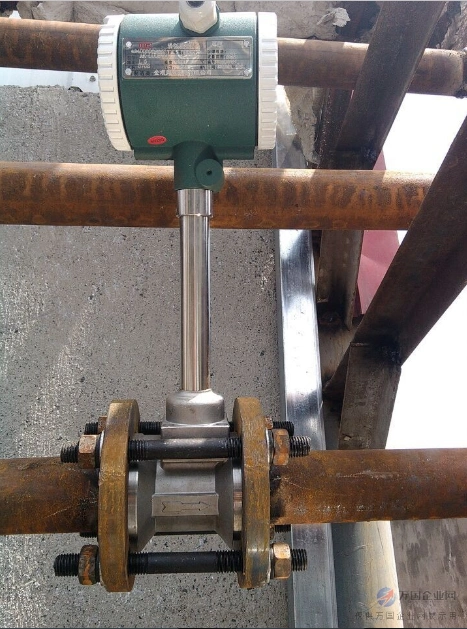
CO2 flow meters are essential tools for measuring and monitoring carbon dioxide gas flow in various industries and applications. Our guide will help you understand the different types of CO2 flow meters, their applications, and how to choose the right one for your specific needs.
A CO2 flow meter is a device designed to measure the flow rate of carbon dioxide gas in a pipeline or process. CO2 flow meters are widely used in industries such as welding, medical gas delivery, greenhouse gas monitoring, and beverage production. Accurate CO2 flow measurement is crucial for process control, ensuring gas quality, and monitoring emissions.
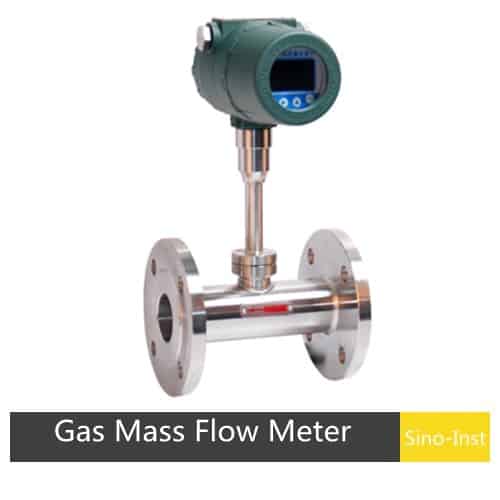
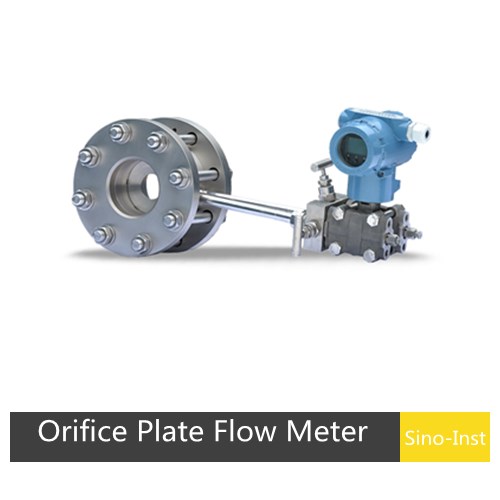
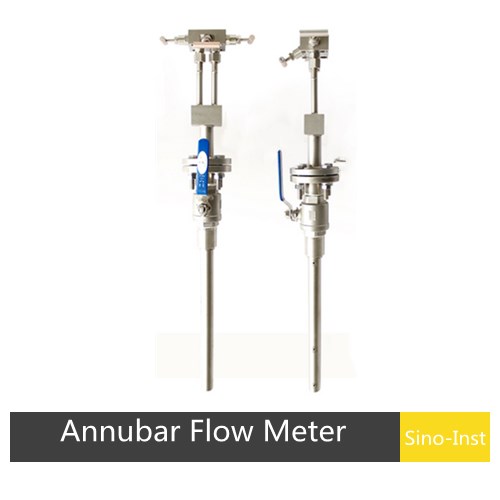
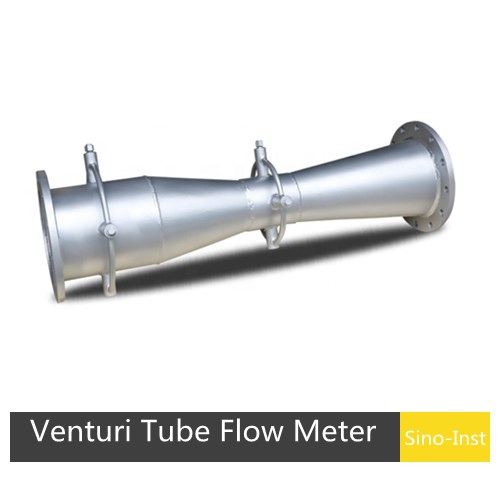
There are several types of CO2 flow meters, each with its advantages and disadvantages. Some of the most common types include:
CO2 flow meters find applications in a variety of industries and sectors, such as:
a) Welding: CO2 flow meters ensure accurate shielding gas flow rates during welding processes, resulting in higher quality welds and reduced gas wastage.
b) Medical Gas Delivery: CO2 flow meters are used in medical gas delivery systems to control and monitor the flow of medical-grade carbon dioxide for patient care.
c) Greenhouse Gas Monitoring: Accurate CO2 flow measurement is critical for monitoring greenhouse gas emissions and supporting emission reduction strategies.
d) Beverage Production: CO2 flow meters help control carbonation levels in beverages, ensuring product quality and consistency.
When selecting a CO2 flow meter, consider the following factors:
In this top guide to CO2 flow meters, we’ve covered the different types of flow meters, their applications, and factors to consider when choosing the right flow meter for your needs. We hope this guide has provided valuable insights to help you make an informed decision.
Remember, selecting the right CO2 flow meter is crucial for efficient process control, gas quality assurance, and emission monitoring.
With Sino-Inst as your trusted partner, you can confidently invest in a high-quality CO2 flow meter tailored to your specific requirements. Contact us today to learn more about our products and services.
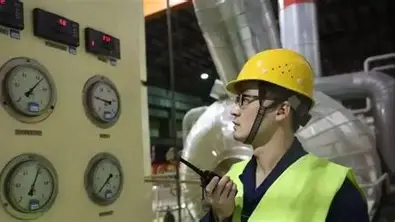
Zhang Wei, possesses 20 years of experience as an automation instrumentation engineer, specializing in the research, design, installation, commissioning, and maintenance of automation instruments.
Face to various instrument communication protocols (such as Modbus, Profibus, etc.), with solid hardware circuit design and software programming skills (proficient in C language and PLC programming). Has extensive project experience; projects he has led and participated in have all achieved outstanding results, improving product accuracy, reducing costs, and increasing production efficiency.
Possesses excellent communication and coordination skills and a strong team spirit, enabling him to quickly respond to customer needs and provide high-quality automation instrumentation solutions.