

Industrial Fuel Flow Meters – Choose the Right one for You
Every drop counts when it comes to fuel. Precise fuel management is a critical need in various industries, be it…


Marine fuel flow meters are crucial for all industrial marine applications, helping to keep fuel consumption in check and efficiency at its peak. In an industry where every drop of fuel counts, a reliable marine fuel flow meter is not just a tool – it’s a necessity.
To monitor and manage your vessel’s fuel usage accurately, all while boosting its performance and keeping operational costs down. That’s the power of marine fuel flow meters. Sino-Inst supplies gear flow meters, Coriolis mass flow meters, and turbine flow meters for monitoring the flow of marine light and heavy fuel oil.
Which marine fuel flowmeter is suitable?
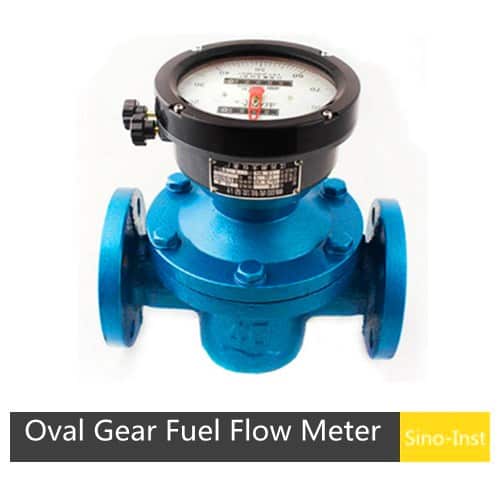
For fuel supply and return lines of marine main engines or generators (using marine diesel oil/MGO): We recommend using a pair of oval gear flowmeters (net consumption = fuel supply – fuel return). The SI-3601 oval gear fuel flowmeter is the preferred choice, available in sizes ranging from DN10 to DN200, with accuracy classes of 0.2 or 0.5.
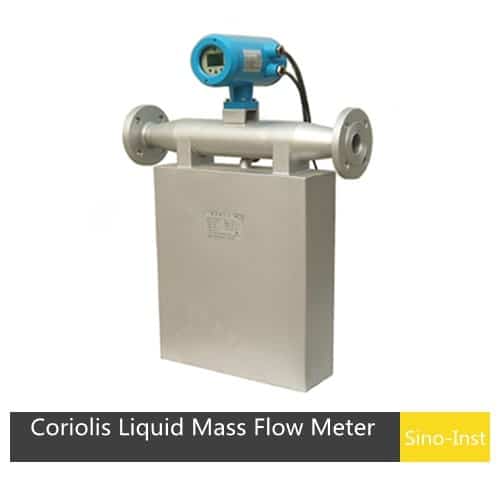
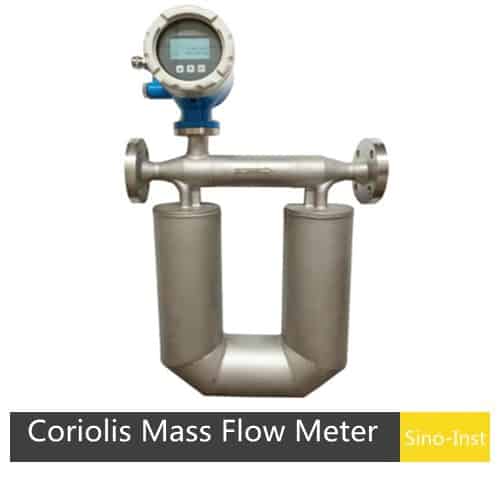
For bunkering operations, heavy fuel oil (HFO), or trade settlements based on mass: Coriolis mass flowmeters are recommended, as they provide direct readings in kg/h without the need to factor in density and temperature. They also offer the highest measurement accuracy, up to 0.1%.
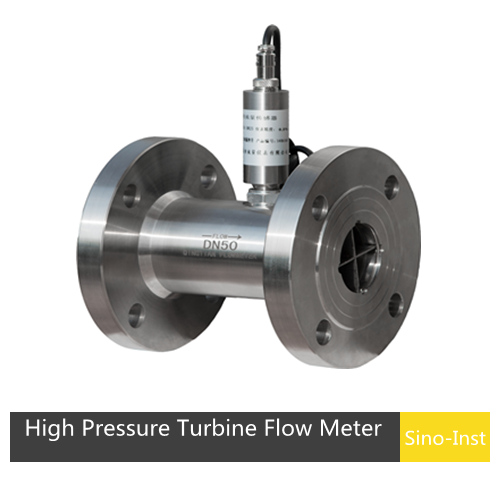
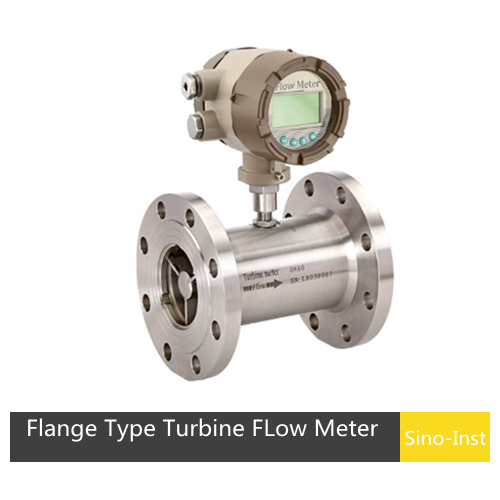
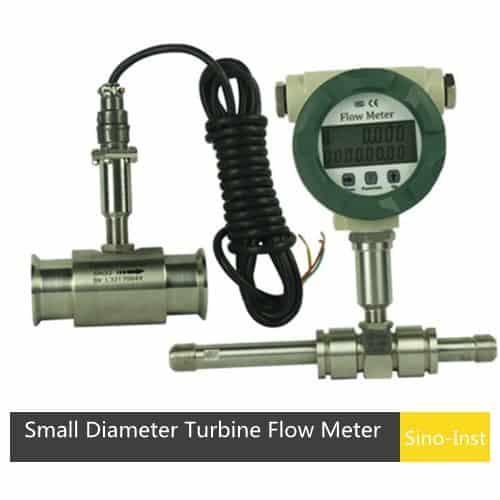
For clean diesel delivery or total volume measurement in daily-use fuel tanks: We recommend the SI-3202 turbine flowmeter, which supports pulse or 4–20 mA signal output and is available in sizes ranging from DN4 to DN200. It is a more cost-effective option.
For small boats and outboard motors: These fall into a different product category; please refer to our Marine Fuel Flow Meter Selection Guide.
Please provide the fuel type, pipe size, and flow range, and we will respond with specific model recommendations and a quote within one business day. Request a quote now.
Marine fuel flow meters are incredibly essential devices for any marine journey. But what exactly are they and how do they work? Let’s take a closer look.
Essentially, a marine fuel flow meter is a device used to measure the fuel consumption rate of a ship’s engine, or a transactional metering device for marine fuel oil. They play a vital role in maintaining a ship’s fuel efficiency, helping to reduce operating costs and protecting the environment.
Now, you might be wondering, how do they work? Well, it depends on the type of flow meter. In our product range, we have several types of flow meters designed for marine use, including Turbine Flow Meters, Oval Gear Flow Meters, Rotary Gear Flow Meters, LL Roots Meters, and Mass Flow Meters.
Turbine Flow Meters: These work by allowing the fuel to pass through a turbine in the meter. As the fuel flows, it causes the turbine to spin, and the rate of spin is directly proportional to the flow rate of the fuel.
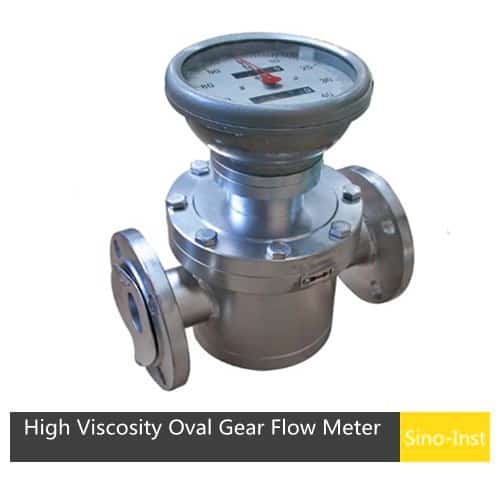
Oval Gear Flow Meters: Here, two oval-shaped gears are positioned inside the meter. The flow of fuel causes these gears to rotate, and the meter measures the number of rotations to determine the volume of fuel passed through it.
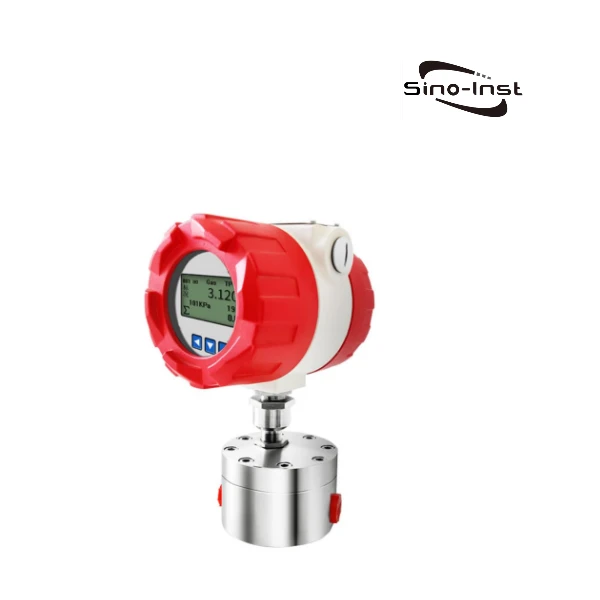
Rotary Gear Flow Meters: Similar to oval gear meters, but with circular gears. The rotation of these gears, driven by the fuel flow, gives a measure of the fuel volume.
LL Roots Meters: These meters function on the principle of two counter-rotating impellers. As the fuel flows through the meter, it fills the gaps between the impellers, causing them to ‘push’ and rotate, which is then measured.
Mass Flow Meters: Rather than measuring volume, these meters measure the mass of the fuel flowing through the device. They use the Coriolis effect, which involves the fluid’s density, flow rate, and velocity, to calculate the mass flow.
Each of these meters has its unique benefits and is suited to different types of marine applications. Regardless of the type, a well-functioning marine fuel flow meter is the key to keeping your vessel’s fuel consumption in check, boosting efficiency, and sailing smoothly.

| Meter type | Best marine use | Model / page | Size | Accuracy | Fluid limits | Output |
| Oval gear (PD) | Marine diesel, HFO, lube oil; supply-and-return pairs; engine consumption monitoring | SI-3601 (high-temp SI-3602, high-viscosity SI-3603) | DN10–DN200 | Class 0.2 or 0.5 | 2–200 mPa·s; −20 to +280 °C; 1.0–6.4 MPa | Pulse, 4-20mA, RS485; pointer or LCD; Exia option |
| Turbine | Clean diesel / MGO transfer, day-tank fill, totalizing | SI-3202 | DN4–DN200 (thread DN4–50, flange DN15–200) | ±0.5% std; ±0.2% option | Low-viscosity fuels; −20 to +80 °C std (120/180 °C OEM); 1.6 MPa std | Pulse, 4-20mA, RS485 Modbus, HART |
| Coriolis (mass) | Bunkering and custody transfer settled in tons; HFO; density check | T / U / Z series | T series DN3–DN15; larger sizes see datasheet | To 0.1% mass; see datasheet per size | Reads mass directly; density and temperature output | 4-20mA, pulse, RS485; Ex options |
| Rotary / roots PD | Larger lines, heavy oil transfer | PD meter range | See datasheet | See datasheet | High-viscosity capable | Pulse, 4-20mA |
If you are unsure which type of fuel flow meter to choose, please send your measurement parameters to our sales engineers, and we will select the most suitable product for you. Many of our fuel flow meters are in stock and can generally be shipped within about one week.
Navigating the vast marine industry comes with its challenges, and our marine fuel flow meters are designed to tackle those head-on. Here’s a rundown of the advantages these indispensable devices offer:
Boosting Fuel Efficiency: Our meters deliver precise fuel consumption data, allowing you to optimize fuel efficiency in marine vessels. This not only trims down operational costs but also aids in environmental conservation.
Real-time Fuel Usage Monitoring: Keeping a tab on the ship’s fuel usage is made simpler. Our meters offer real-time fuel consumption data, which assists in planning fuel needs and managing resources effectively.
Comprehensive Marine Fuel Management: Integrating our meters into your marine fuel management system upgrades your monitoring abilities. It provides a more detailed overview of fuel consumption across different ship parts, facilitating informed decision-making and profitability.
Timely Maintenance: Detect changes in fuel usage patterns with our meters, helping you identify potential engine issues early. This helps in scheduling maintenance at the right time, reducing chances of unexpected breakdowns and costs.
Compliance with Regulations: With stricter maritime regulations, having accurate fuel consumption data is vital for compliance. Our meters provide accurate reporting, helping you stay on the right side of the law.
In essence, our marine fuel flow meters are not just tools for your marine operations; they’re partners guiding you towards efficiency, sustainability, and success in the marine industry.

Selecting the right marine fuel flow meter is a crucial step in your journey towards optimized marine operations. However, with a variety of options available, making the right choice may seem overwhelming. Don’t worry – we’re here to help! Let’s go over some key factors to consider:
Remember, the right marine fuel flow meter isn’t just about compatibility – it’s about efficiency, accuracy, and long-term performance. Making the right choice will help ensure that your marine operations run smoothly and successfully, now and in the future.
One of our customers is from Indonesia. They are a supplier for coal fired steam power plant.
They were looking for flow meters for marine fuel flow measurement. high viscosity media. For diameter 8″, flow arround 600 M3/hour, flabge conection.
After communication, we matched the corresponding flowmeter for the user:
After testing and use, the user’s measurement results are good.
With the right tools like marine fuel flow meters, you can steer towards operational efficiency, cost savings, and regulatory compliance. Choosing the right marine fuel flow meter is a critical decision, and that’s where we come in.
At Sino-Inst, we are more than just a supplier – we are experienced manufacturers who understand the intricacies of the marine industry. We offer a variety of marine fuel flow meters designed to meet diverse operational needs, and we stand ready to help you find the perfect fit for your vessel.
Let Sino-Inst be your trusted partner in optimizing your marine fuel management system. Reach out to us today and experience the difference!
Zhang Wei, possesses 20 years of experience as an automation instrumentation engineer, specializing in the research, design, installation, commissioning, and maintenance of automation instruments.
Face to various instrument communication protocols (such as Modbus, Profibus, etc.), with solid hardware circuit design and software programming skills (proficient in C language and PLC programming). Has extensive project experience; projects he has led and participated in have all achieved outstanding results, improving product accuracy, reducing costs, and increasing production efficiency.
Possesses excellent communication and coordination skills and a strong team spirit, enabling him to quickly respond to customer needs and provide high-quality automation instrumentation solutions.