Home > Pressure Sensor > PMC133 Ceramic Capacitive Pressure Sensor – High Performance
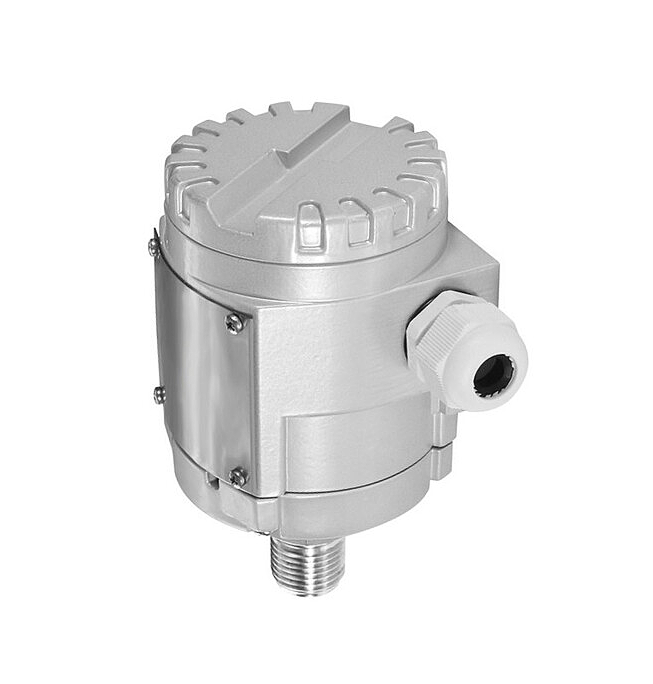
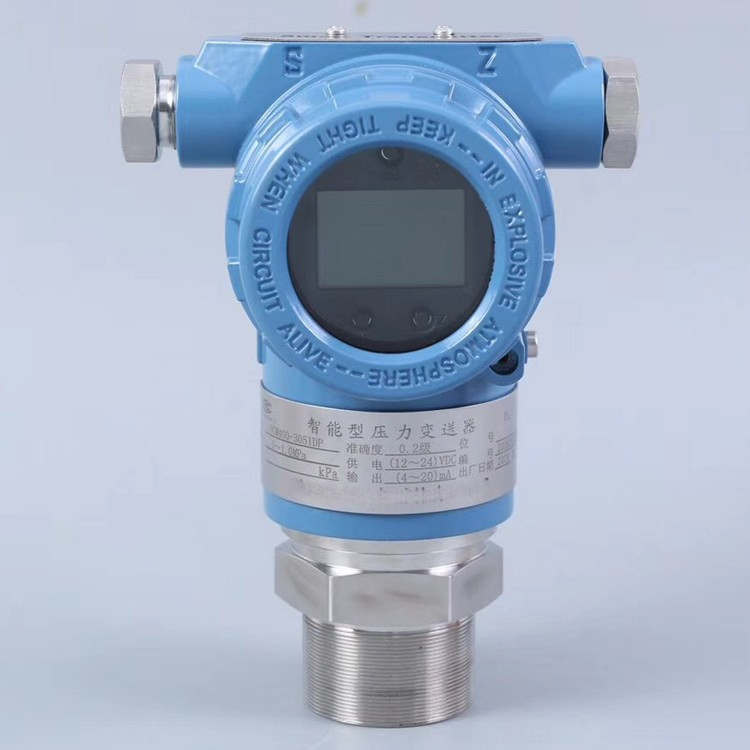
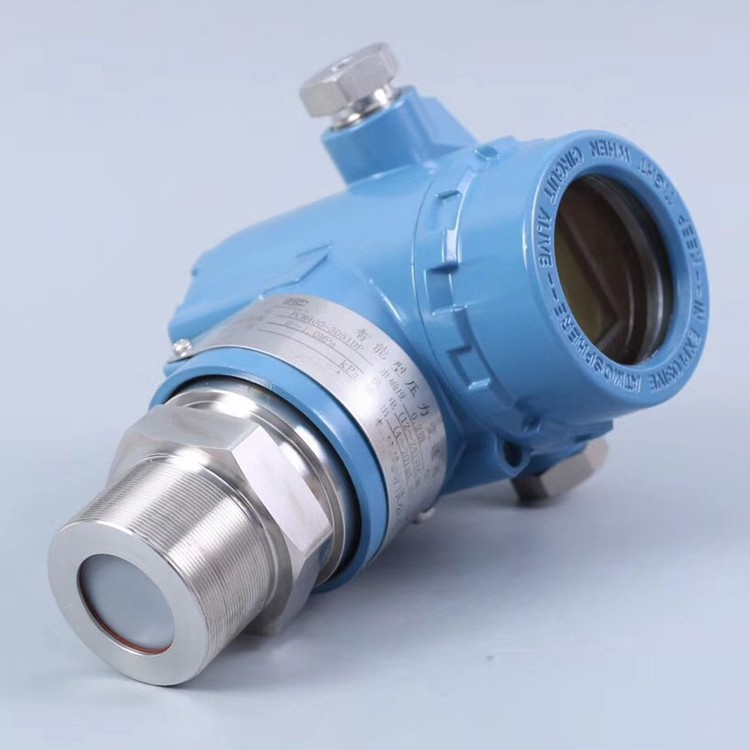
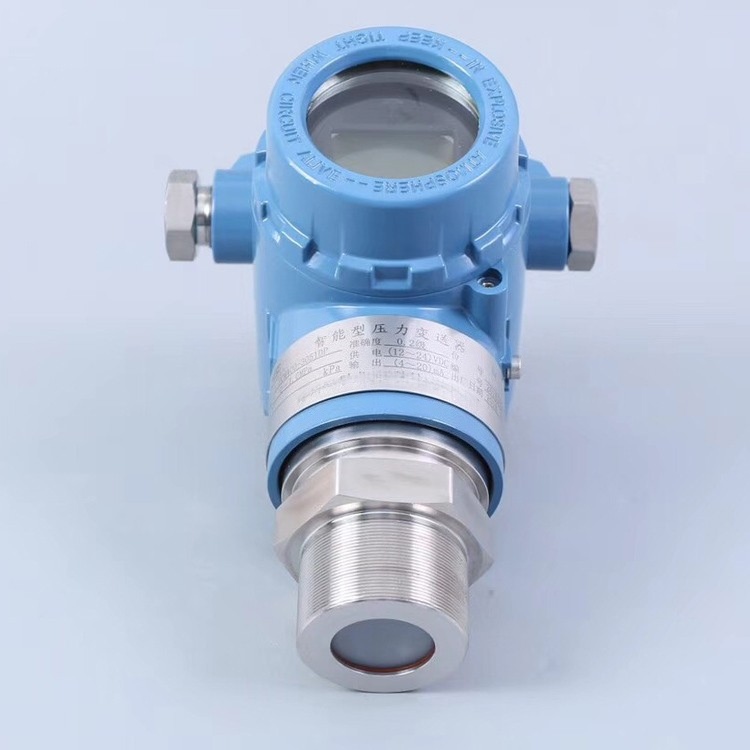
PMC133 Ceramic Capacitive Pressure Sensor – High Performance
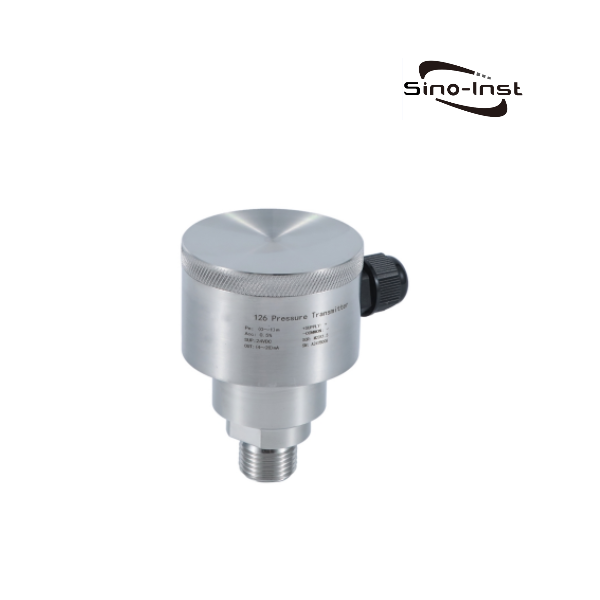
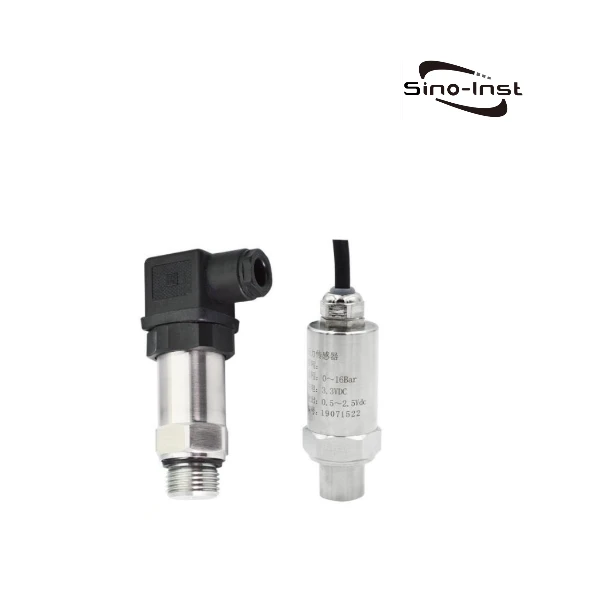
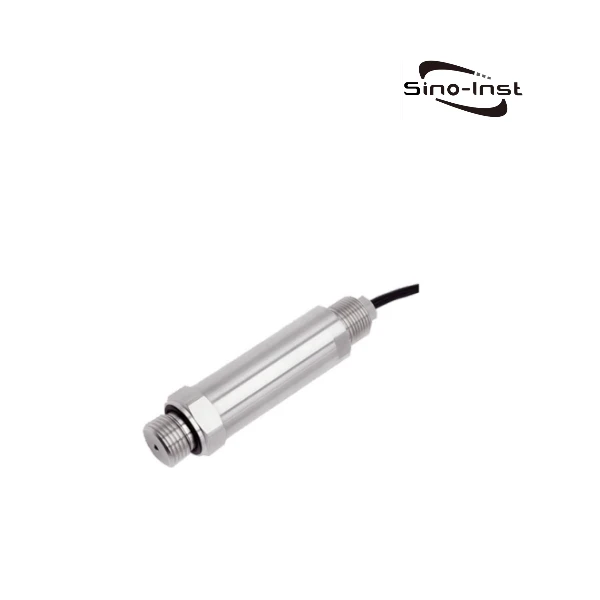
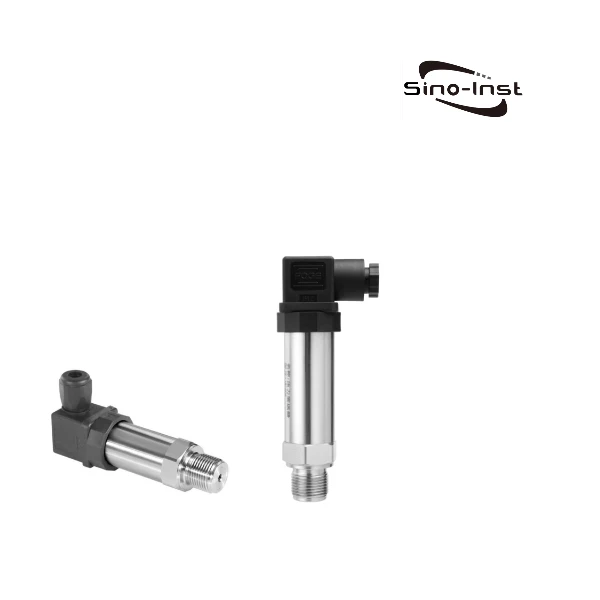
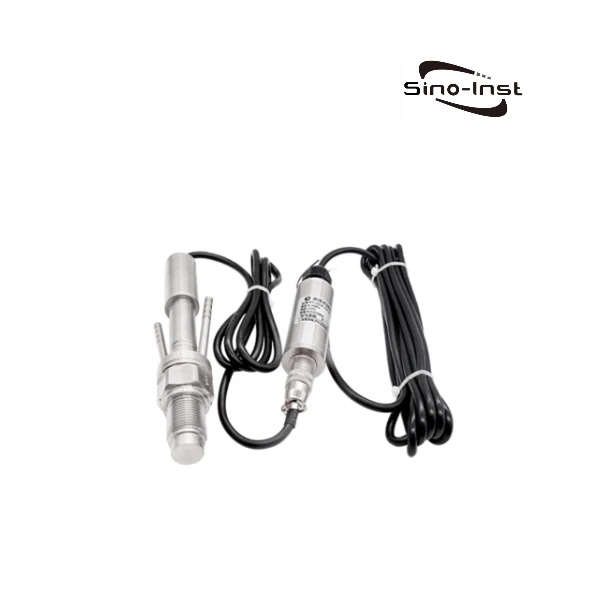
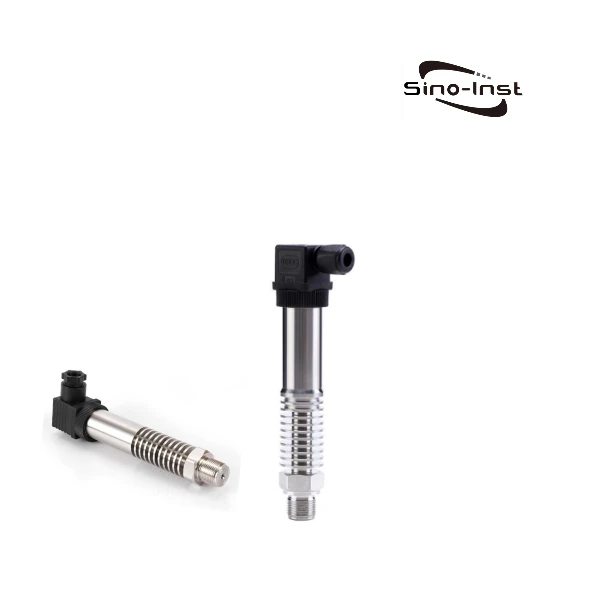
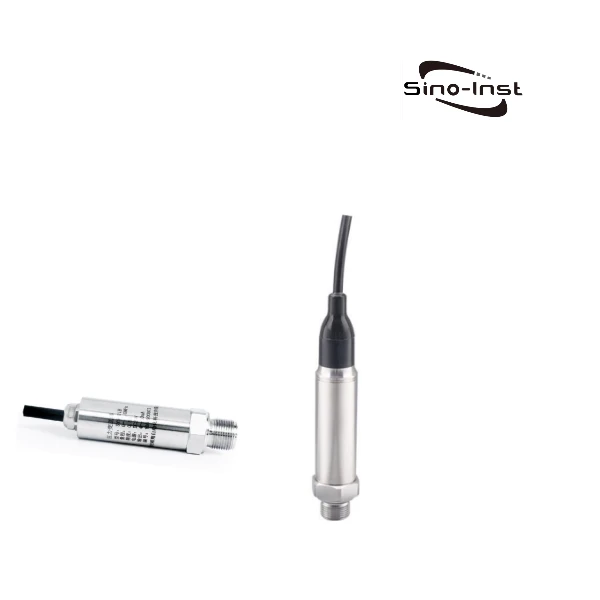
The PMC133 Ceramic Capacitive Pressure Sensor uses a dry-type ceramic capacitive sensor as its pressure sensing element. Encased in a full stainless steel housing, it offers excellent media compatibility, stable and reliable performance, strong overload capacity, and high accuracy. The sensor components are made of Al2O3, which has strong corrosion resistance and is suitable for measuring various corrosive gases and liquids.
Utilizes a ceramic capacitive pressure sensing element;
Wide measuring range: 0 to 500Pa to 7MPa;
High accuracy: better than 0.1%;
Excellent stability: better than 0.1% FS/year;
Electromagnetic interference resistant design, suitable for harsh operating environments;
Integrated chip, wide voltage power supply;
Multiple explosion-proof options;
High precision, high pressure resistance, and vacuum resistance;
Available with HART communication function;
Strong corrosion resistance, ceramic diaphragm;
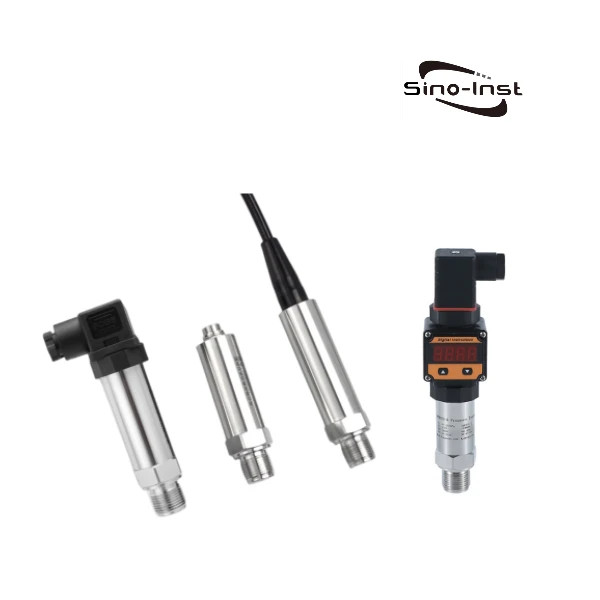
Customizable options include a compact design without display, a explosion-proof housing with display, or a full stainless steel Cerabar pressure transmitter(E+H) design.
-40~85°C (high-temperature versions available upon request)
Turn-On Time
20ms
Stability
±0.1%FS/year
Temperature Drift
±0.1% FS/°C (within temperature compensation range), ±0.05% FS/°C (outside temperature compensation range)
Temperature Compensation
-20 ~80°C
Explosion-Proof Type
Explosion-proof type: Ex db IIC T6 Gb Explosion-proof dust type: Ex tb IIIC T80C Db Intrinsically safe type: Ex ia IIC T6 Ga (4~20mA/4~20mA HART output only) Intrinsically safe dust type: Ex iaD 20 T80C (4~20mA/420mA HART output only) Note: Intrinsically safe types must be powered via a safety barrier or intrinsically safe power supply.
Protection Rating
IP66
Accuracy Class
0.1%FS, 0.25%FS
Dial Accuracy
0.05%FS LCD (with backlight) display
Response Frequency
Analog signal output ≤30Hz, digital signal output ≤5Hz, HART communication ≤10Hz
Resolution
Analog output 0.01%FS, digital output 0.05%FS
Working Principle of Ceramic Capacitive Pressure Sensor
Ceramic capacitor technology employs a fixed ceramic base and a movable ceramic diaphragm structure. The movable diaphragm is sealed and fixed to the base using methods such as glass paste. Electrode patterns are printed on the inner side between the two, forming a variable capacitor. When the medium pressure on the diaphragm changes, the capacitance between them changes accordingly. This signal is converted and conditioned by a conditioning chip before being output to subsequent stages.
A typical ceramic capacitor pressure sensor core is a sealed gauge pressure structure, consisting of a ceramic base, a deformable diaphragm, and a hollow sealed cavity. The pressure-bearing surface is the deformable diaphragm. When the pressure on the core changes, the deformable diaphragm bends, causing a change in the substrate spacing and resulting in a change in the capacitance between the plates. This capacitance change is converted into a standard output (such as 0~5V voltage output, 4~20mA current output, I2C, SPI digital output, etc.) by the conditioning chip.
Typical Applications
Due to their corrosion resistance, stability, and economical characteristics, ceramic capacitive pressure transmitters are widely used in hydraulic, pneumatic systems, industrial process control, energy, and water treatment industries.
Chemical and Acid/Alkali Treatment
Suitable for pressure monitoring in chemical reaction vessels, acid/alkali storage tanks, and wastewater treatment ponds. It can directly measure the pressure of corrosive media such as hydrochloric acid, sulfuric acid, and sodium hydroxide without concern for core corrosion damage.
Food and Pharmaceutical Industries
Used for pressure measurement of sauces, beverages, and pharmaceutical solutions in food processing. The ceramic material is non-toxic, odorless, and easy to clean, meeting hygiene standards in the food and pharmaceutical industries.
Water Treatment and Environmental Protection
Used for monitoring wastewater pressure in wastewater treatment plants, water pressure in tap water supply systems, and slurry pressure in desulfurization and denitrification systems. It is resistant to impurities and chemical corrosion in wastewater.
General Industrial Process Control
Suitable for conventional pressure monitoring scenarios with moderate accuracy requirements (typically 0.25%-0.5% FS), such as ordinary pipeline pressure and atmospheric pressure vessel pressure detection, balancing performance and cost.
Agriculture and Irrigation Systems
Used for water pressure monitoring in farmland irrigation and water conservancy projects. It can adapt to humid and dusty outdoor environments and is resistant to the corrosion of acidic and alkaline substances in the soil.
The Ceramic Capacitive Pressure Sensor can also be configured with a flange diaphragm for measuring tank pressure or liquid level.
More Featured Pressure Sensors
Common types of pressure sensors include silicon piezoresistive, ceramic resistive, ceramic capacitive, and single-crystal silicon. We at Sino-Inst can supply all of these types.
When selecting a pressure transmitter, you will inevitably encounter a very important parameter: temperature. This includes operating (medium) temperature and ambient temperature. This is because it involves an important manufacturing…
In some industrial closed environments, vacuuming is required. The vacuum pressure sensor can be used to detect the vacuum degree of the closed environment in real time. Generally, vacuum pressure…
In many industrial and scientific applications, accurate measurement of low pressure is crucial for maintaining safety, performance, and efficiency. Low pressure transmitters/Transducers measure gauge pressure, differential pressure, and absolute pressure…
What are Water Pressure Transducers? A water pressure transducer is a precision instrument that converts the physical pressure of water into an electrical signal. Water pressure transducers can be used…
The water level pressure transducer measures water level based on the relationship between pressure and water level. It is an extremely simple, practical instrument. Of course, it can be used…
Compare the G Thread vs NPT thread used in pressure transmitters. Understand the difference between 55-degree parallel threads and 60-degree tapered threads to ensure a secure seal. Pressure transmitters utilize…
Ceramic Capacitive Pressure Sensors differ from ordinary ceramic pressure sensors, offering higher accuracy and superior measurement performance. They are ideal for measuring pressure in vacuum and high-pressure environments.
Sino-Inst is a professional supplier of Ceramic Capacitive Pressure Sensors. We manufacture a full range of pressure transmitters, supporting customization of various parameters such as shape, pressure range, temperature, and material. OEM support is also available. If you require pressure measurement or need to purchase pressure sensors, please feel free to contact us.
Zhang Wei, possesses 20 years of experience as an automation instrumentation engineer, specializing in the research, design, installation, commissioning, and maintenance of automation instruments.
Face to various instrument communication protocols (such as Modbus, Profibus, etc.), with solid hardware circuit design and software programming skills (proficient in C language and PLC programming). Has extensive project experience; projects he has led and participated in have all achieved outstanding results, improving product accuracy, reducing costs, and increasing production efficiency.
Possesses excellent communication and coordination skills and a strong team spirit, enabling him to quickly respond to customer needs and provide high-quality automation instrumentation solutions.
PMC133 Ceramic Capacitive Pressure Sensor - High Performance
The PMC133 Ceramic Capacitive Pressure Sensor uses a dry-type ceramic capacitive sensor as its pressure sensing element. Encased in a full stainless steel housing, it offers excellent media compatibility, stable and reliable performance, strong overload capacity, and high accuracy. The sensor components are made of Al2O3, which has strong corrosion resistance and is suitable for measuring various corrosive gases and liquids.
Product SKU: PMC133 Ceramic Capacitive Pressure Sensor - High Performance