
Case: Rotary Paddle Level Switch For Material Level Control
Rotary paddle level switches are suitable for controlling material levels in industrial production processes. When the material level reaches the upper or lower limit, the controller’s microswitch contacts output an alarm or control signal. Rotary paddle level switches offer a simple structure, reliable operation, and wide application, which make them an ideal instrument for measuring most solid materials.
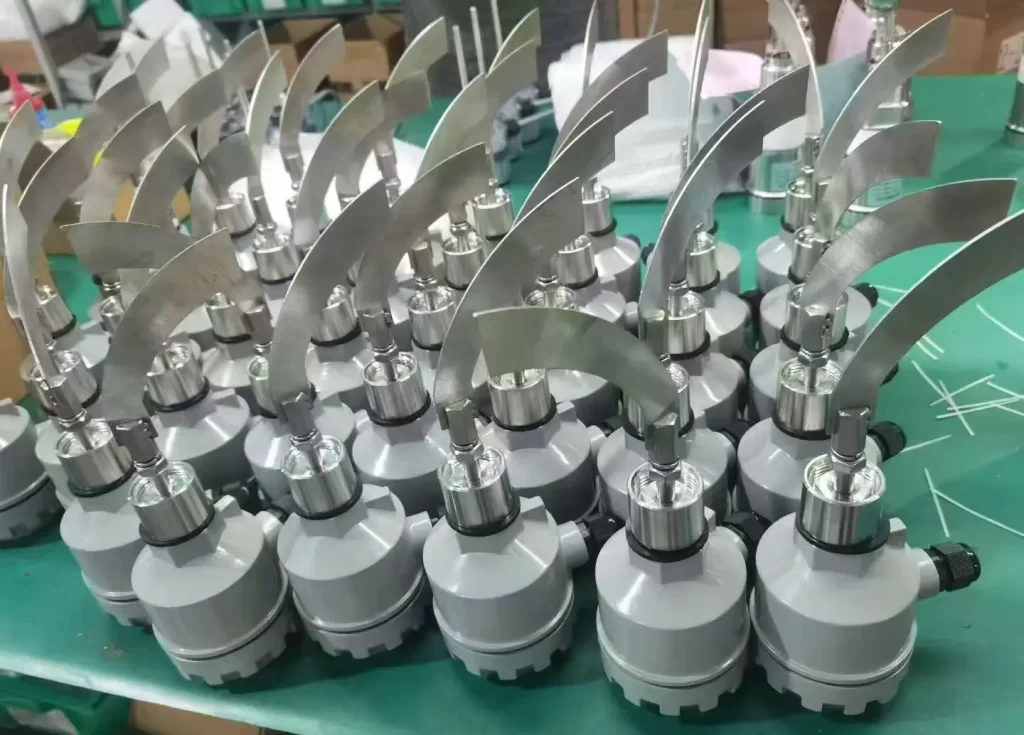
Customization Case
A customer from the Dominican Republic requested a batch of custom rotary paddle level switches. They wanted to control the level of flour in a silo. The insertion depth, mounted thread size, and blade type were all customized according to the customer’s requirements.
- Rotary Paddle Level Switch
- Model: SR20F
- Insert Depth: 200mm
- G1″ threaded mounting with nut
- DC24V
- Type A paddle
- Heat resistance: 80°C
Rotary Paddle Level Switch Working Principle
The rotary paddle level switches use a permanent magnet motor to drive a blade to rotate. When the material being detected reaches the blade position, the blade’s rotation is impeded, and it transmits this resistance to the detection device in the junction box.
The detection device then outputs a switch signal (NO, COM) and cuts off the power supply, stopping the blade’s rotation. When the material level drops, the blade’s rotation is unimpeded, and the detection device, under the tension of a spring, returns to its original position.
Reconnecting the power supply (NC, COM), the permanent magnet motor drives the blades to begin rotating. The spring tension is adjusted for different specific gravities, with the spring tension adjusted to maximum for higher specific gravities and minimum for lower specific gravities.
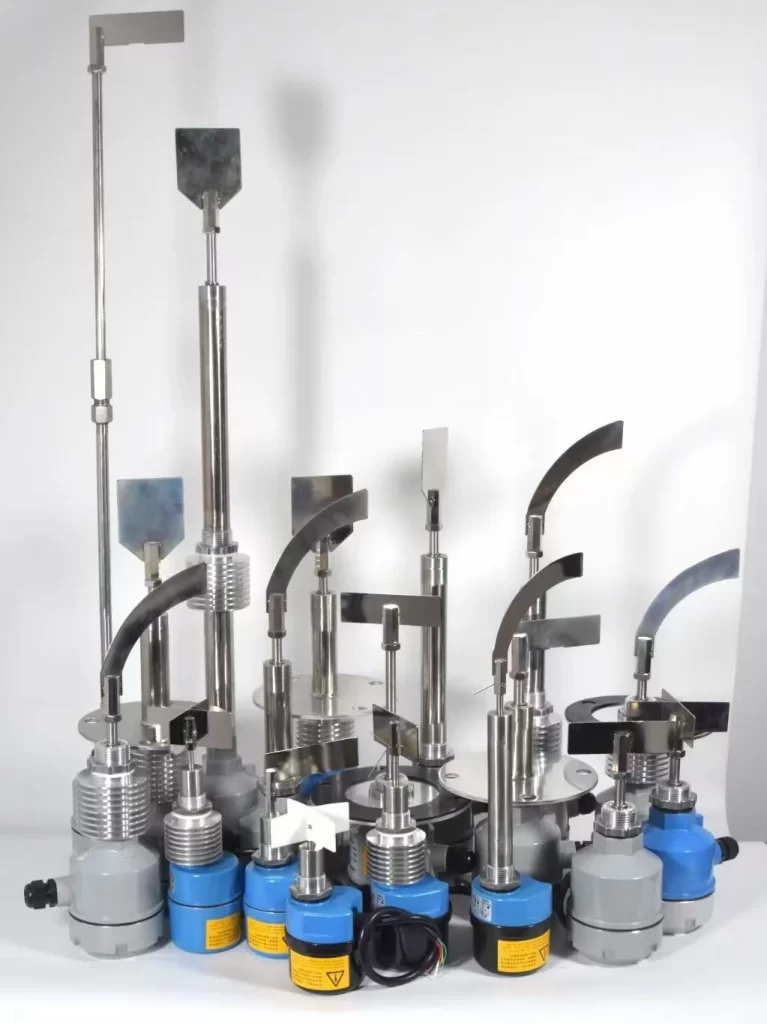
Product Advantages
- Because it utilizes a mechanical detection method, there’s no complex circuit amplification, and no adjustments are required after installation.
- The internal structure is easily disassembled for inspection and maintenance.
- It offers excellent durability, with no torque loss, excellent reproducibility, and extremely stable performance.
- Torque adjustment is simple.
- Even if the blades are subjected to excessive force, the slip mechanism protects the motor.
- It prevents malfunctions caused by environmental factors such as temperature, humidity, and adhesion.
- With a small number of components and spot welding and riveting, it is extremely vibration-resistant.
- The main shaft features multiple seals to completely prevent dust intrusion.
- The sealed structure allows for outdoor use.
- It is explosion-proof, suitable for use in Exd II BT 4-rated environments.
- It can withstand high temperatures up to 450°C
Applications
Pneumatic level switches are used wherever solid bulk materials are stored, conveyed, or processed, requiring a “full stop” and empty replenishment. Applications include, but are not limited to: feed, flour, leather, abrasives, soil, stone, wood, rubber, beans, calcium powder, Sand, pellets, sawdust, coal, synthetic resins, grain, limestone, mixed sand, metals, salt, and other lumpy or powdered solid materials.
Other Options For Solids Level Measurement
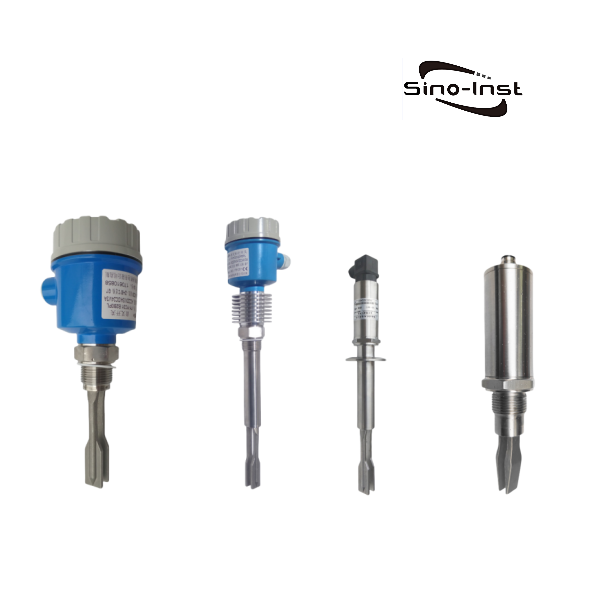
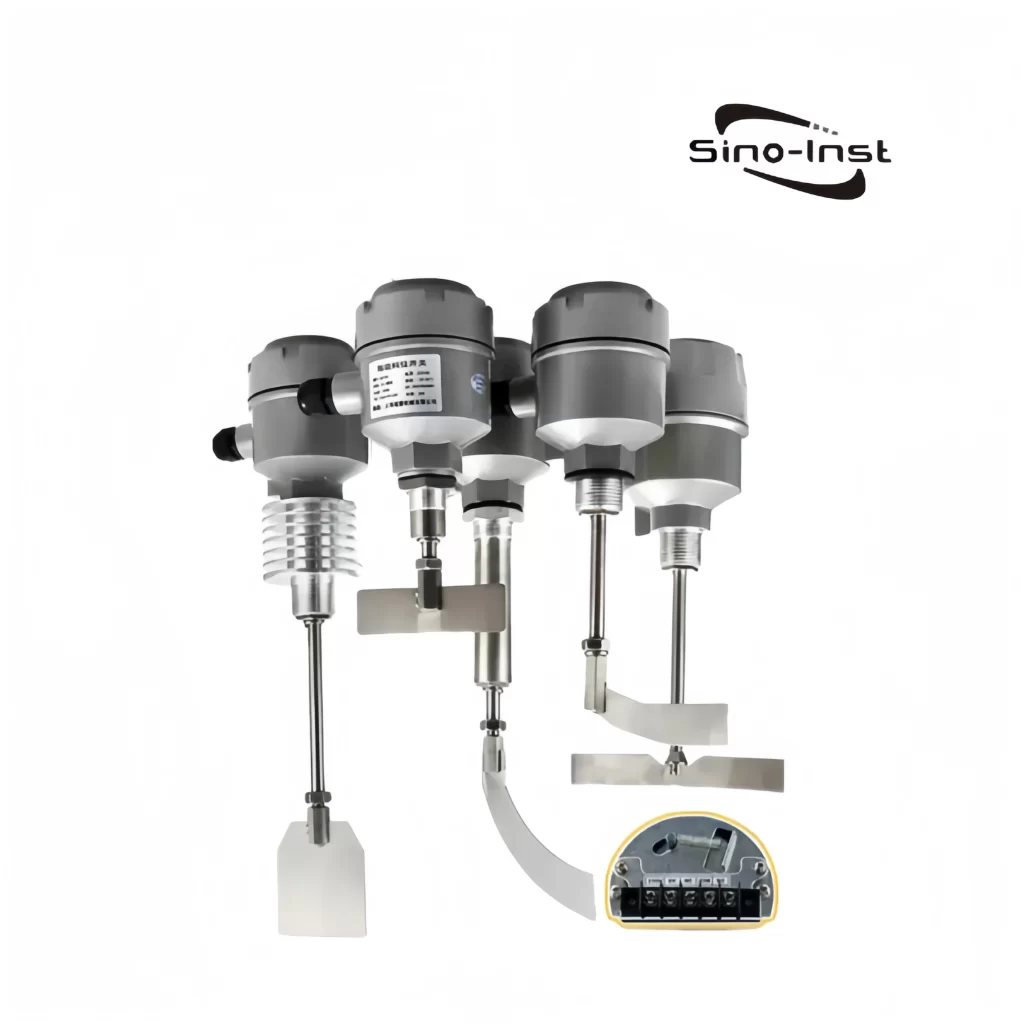
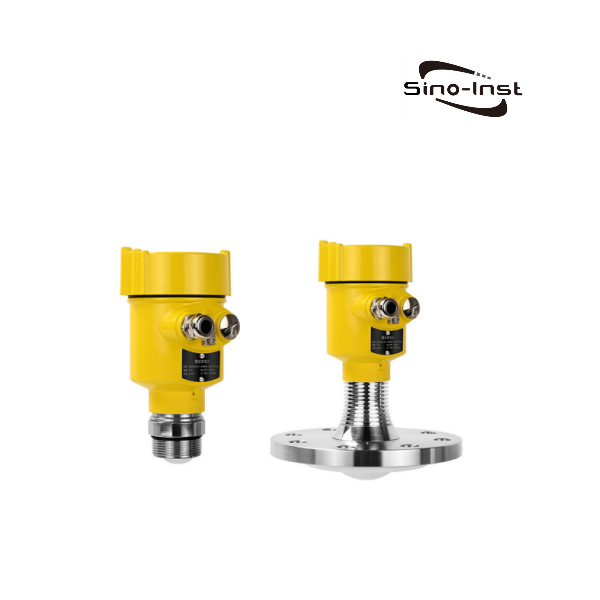
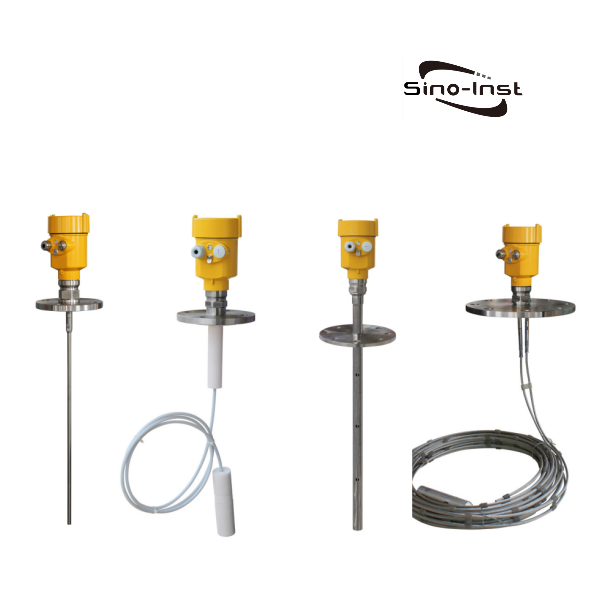
A wide variety of solids are produced or used as raw materials in many industries. Solids have varying properties, uneven surfaces, irregular shapes, and generate significant amounts of dust, which makes their measurement challenging. The generally low dielectric constant of solids also presents a challenge.
Reliable silo level measurement requires consideration of many factors: varying solids properties, abrasive media, severe dust, and explosion-proof requirements. Choosing the right level of instrumentation allows for efficient production planning. In addition to using paddle level switches for level control, non-contact radar level gauges can also be used to measure solids silo levels.
The biggest advantage of radar level measurement is its “non-contact” measurement method. Unlike rotary paddle level switches, which require blades to contact the material, a radar level meter is based on the time-travel principle, which makes it avoid direct contact with the material. Radar level sensors offer safe and reliable measurement, and they will not be affected by the characteristics of the medium, container shape, excessive dust, or feeding noise. They also avoid contamination and corrosion caused by contact.
More Solutions For Level Switches And Level Meters
- Single Point – Multi-Point Float Level Switches | Simple but Effective
- Bitumen And Asphalt Level Meters: Let’s Learn More About Them
- Difference Between Radar and Ultrasonic Level Transmitter
- Case Sharing: Explosion-Proof Ultrasonic Level Meter
- Understanding Liquid Level Measurement: Types, Uses and Best Technologies
- Single & Multi Liquid Level Float Switches – Effective Level Control
- Case – Liquid Nitrogen Level Measurement
- Magnetic Level Measurement: Indicators,Transmitters, Switches Or Sensors
- GWR Type Level Transmitter: An All-inclusive Guide
- Different Solutions for Fluid Level Measurement
- Float Type Level Transmitters for Continuous Level Measurement
- All-inclusive Guide To Bin Level Measurement Systems
- An Out-and-Out Guide To Different Types Of Level Transmitters
- Bin Level Indicators and Controllers
- Dry Materials-Bulk Solids-Powder Level Sensors Guide
- Role of Hydrostatic Level Transmitters In Well Water Level Monitoring Process
- Typical Ultrasonic Level Sensor Applications and Advantages
- Different Diesel Level Sensors for Diesel Tank Level Measurement
- 4 Wire – 3 Wire – 2 Wire Ultrasonic Level Transmitter
- Liquid Level Controllers and Switches for Industrial Tanks
Sino-Inst rotary paddle level switches feature excellent sealing, strong overload capacity (with overload protection), ease of installation, and large output contact capacity. Adjusting the spring tension allows for adjustment of material density. The material contact area is constructed entirely of stainless steel to minimize abrasion. If you have any level measurement or level control needs, please contact our technicians to discuss the appropriate product