Home > Blog > What Is the Difference Between Mass Flow Meter and Magnetic Flow Meter?
What Is the Difference Between Mass Flow Meter and Magnetic Flow Meter?
Mass Flow Meter and Magnetic Flow Meter are our commonly used liquid flow meters. What Is the Difference Between a Mass Flow Meter and a Magnetic Flow Meter?
When it comes to measuring the flow of liquids, there are several options available. Two of the most common types of flow meters are mass flow meters and magnetic flow meters. Both have their own unique set of advantages and disadvantages. And choosing the right one for a particular application can be a challenge. In this article, we will explore the differences between mass flow meters and magnetic flow meters. Including how they work, their benefits, and their potential drawbacks.
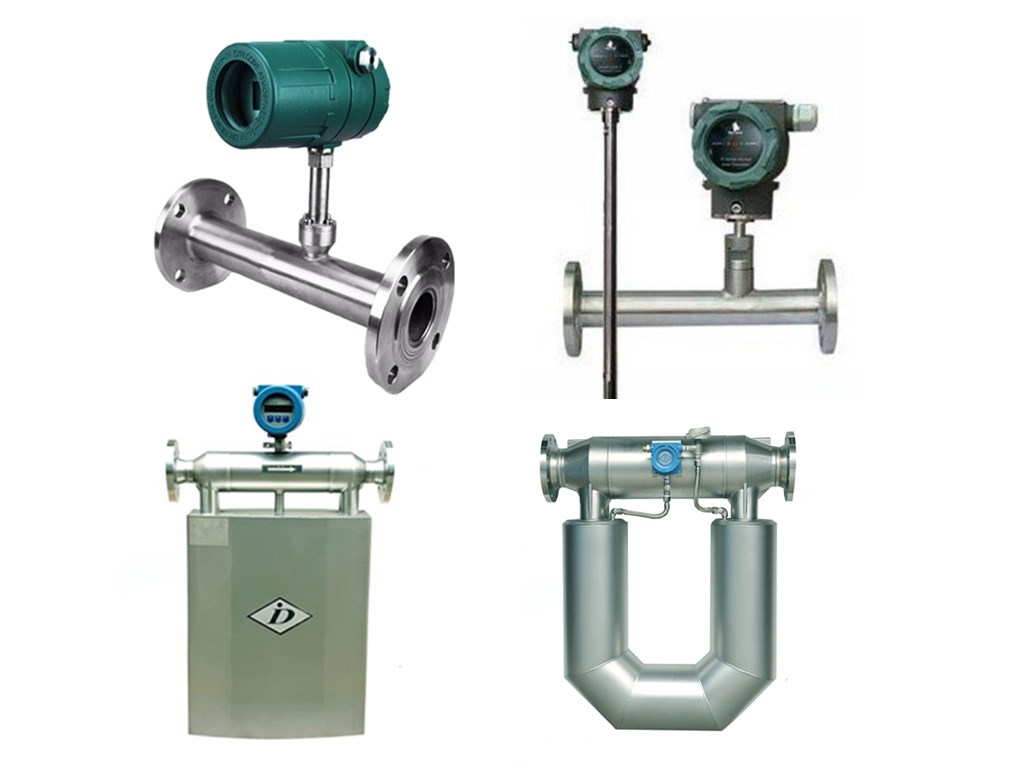
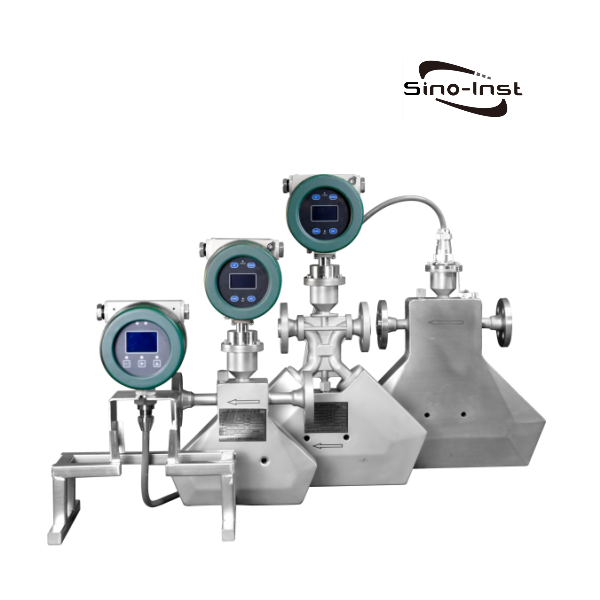
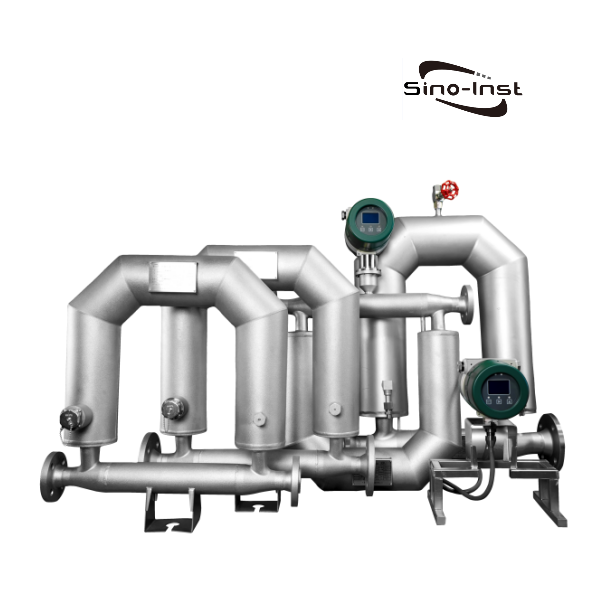
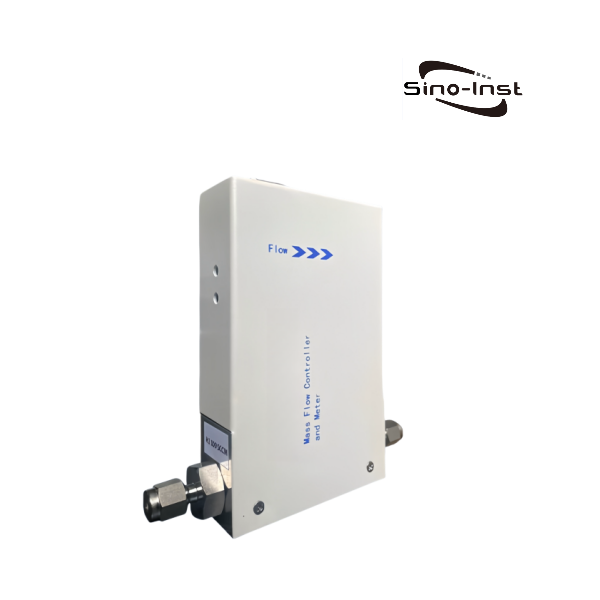
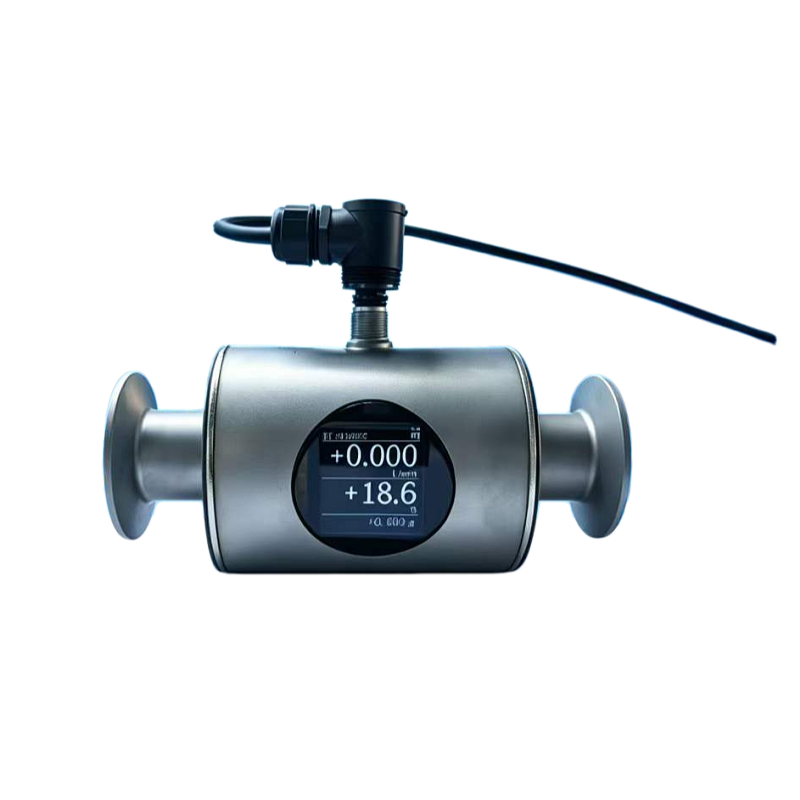
Coriolis mass flow meter. It vibrates its measuring tubes. The flowing fluid twists the tubes slightly, and the twist is proportional to mass flow. It works for liquids, gases and slurries, and it also reads density.
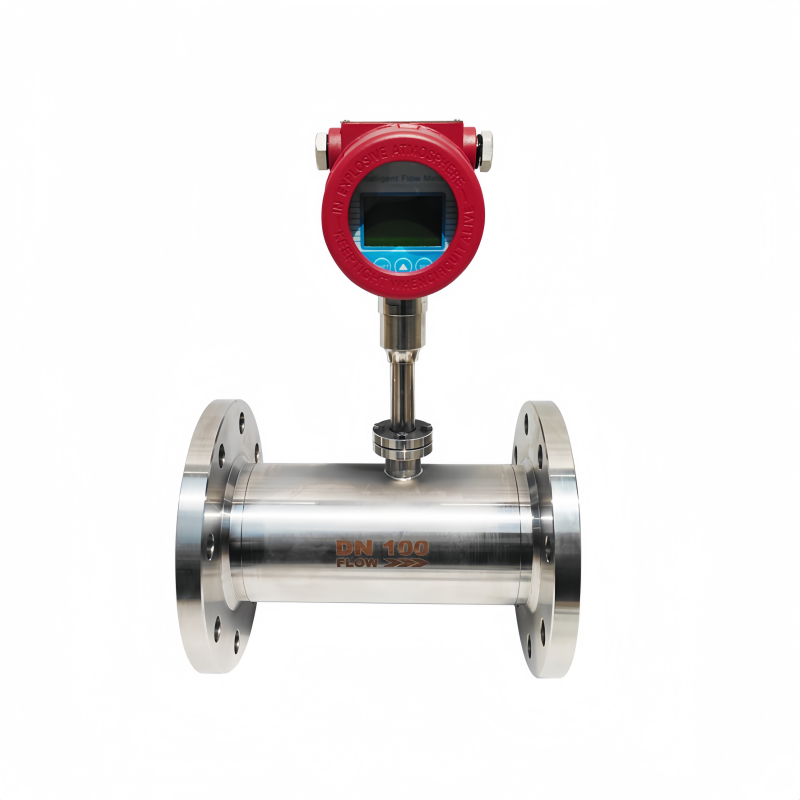
Thermal gas mass flow meter. It measures how much heat the gas carries away from a heated sensor. It is used for gases only.
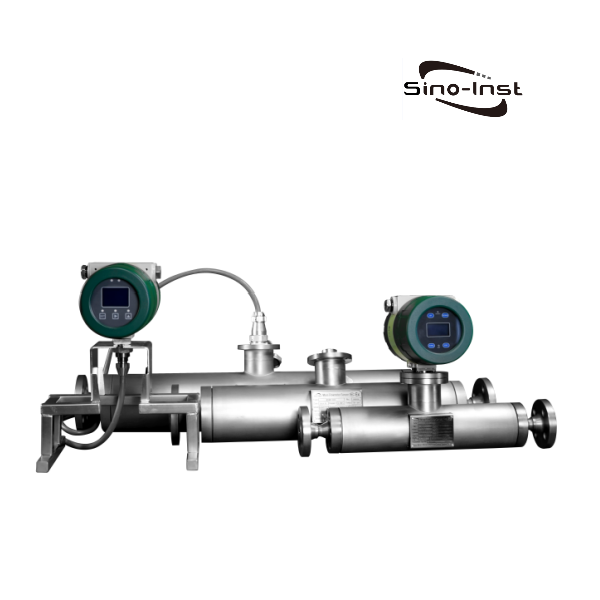
Solid powder flow meter. It measures powders carried by gas in a pipeline, online and in real time, up to 100 t/h.
One of the key benefits of mass flow meters is their accuracy. Because they measure the mass of the fluid rather than the volume. They are less affected by changes in temperature and pressure, which can cause errors in other types of flow meters. This makes them ideal for use in a variety of applications where accuracy is critical. Such as in the chemical and pharmaceutical industries.
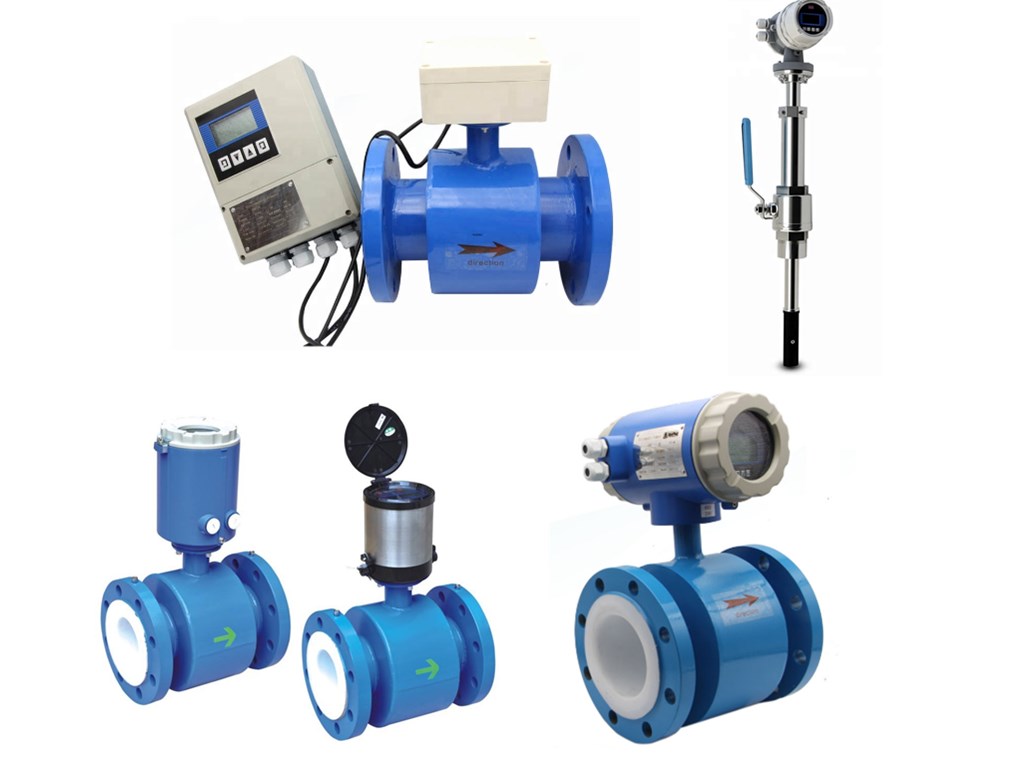
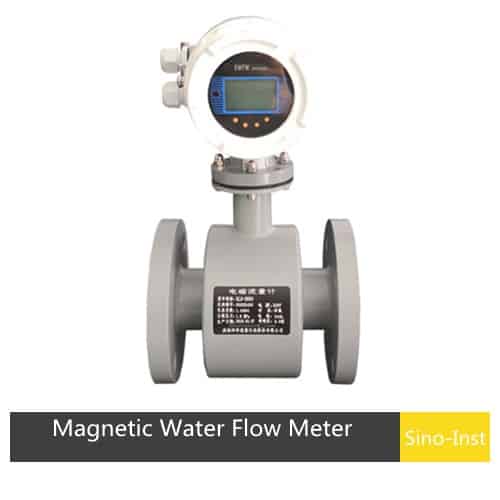
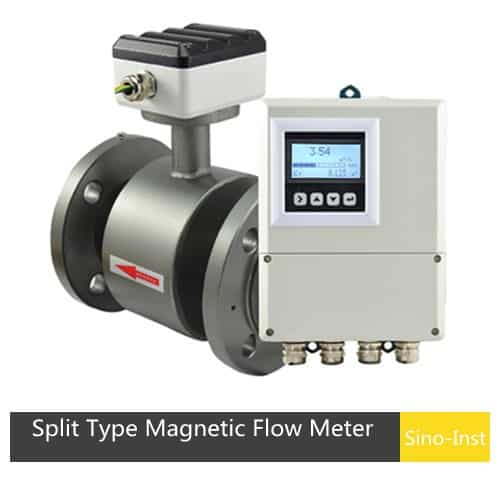
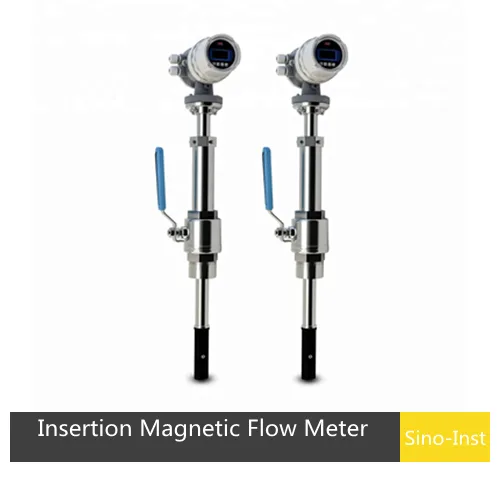
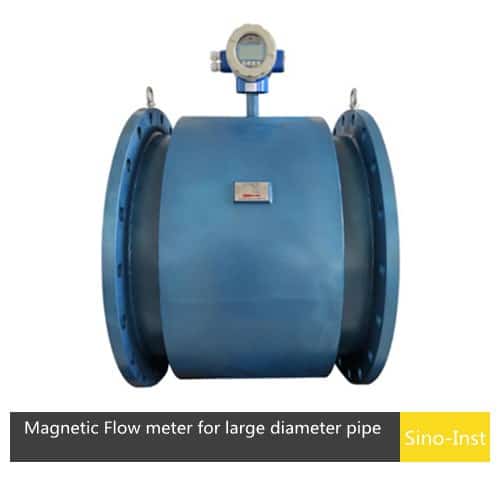
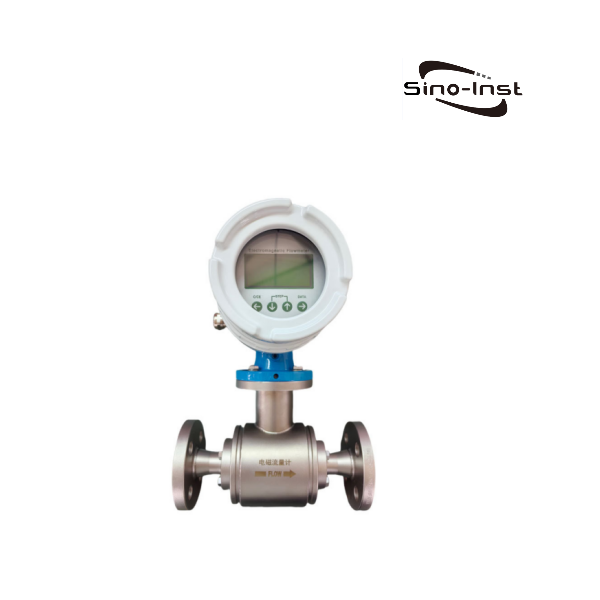
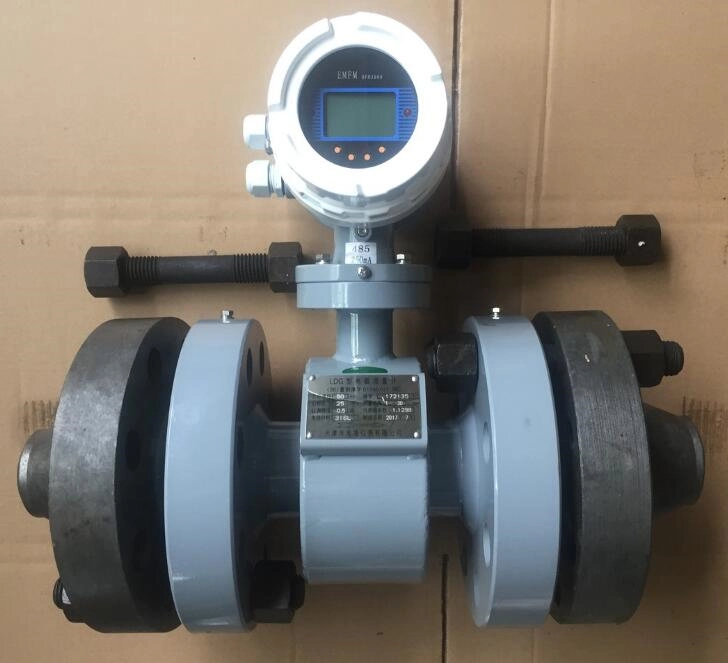
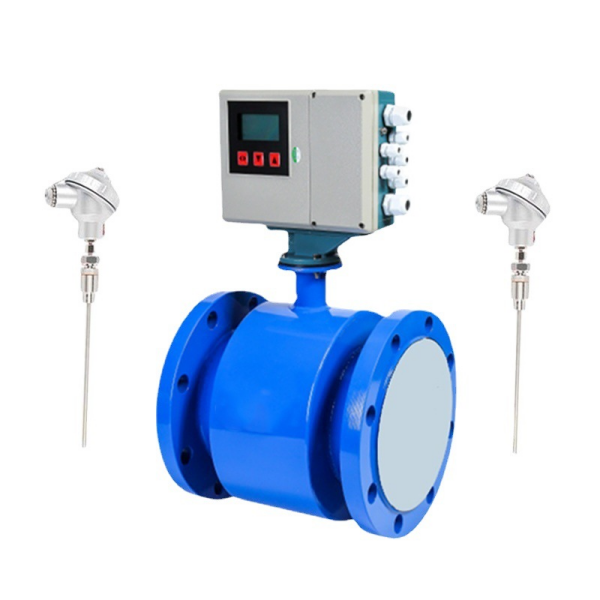
A magnetic flow meter, or magmeter, measures the volume flow of conductive liquids. Coils outside the liner create a magnetic field across the pipe. When the liquid moves through the field it generates a voltage proportional to its velocity. Two electrodes on the pipe wall pick up that voltage. A magmeter gives volume flow, not mass flow.
Magnetic flow meters are commonly used to measure the flow of water and other conductive liquids, such as sewage, slurry, acids, and bases. They are also often used in the food and beverage industry, as well as in the pulp and paper industry.
One of the key benefits of magnetic flow meters is their non-invasive design. Because they use magnetic fields to measure the flow of the fluid, they do not require any moving parts or obstructions in the pipe, which makes them easy to install and maintain. They are also relatively immune to changes in temperature and pressure, which makes them ideal for use in harsh environments.
Differences Between Mass Flow Meter and Magnetic Flow Meter
While both mass flow meters and magnetic flow meters are used to measure the flow of fluids, there are several key differences between the two:
Coriolis mass flow meter
Magnetic flow meter
Measures
Mass flow, density
Volume flow
Media
Liquids, gases, slurries
Conductive liquids, ≥5 µS/cm
Oils, hydrocarbons, solvents
Yes
No
Accuracy
±0.1%
±0.5%
Straight pipe run
Generally not required
10D upstream, 5D downstream
Sizes
DN1 to DN250
DN2 to DN3000
Moving parts
None
None
Price
Higher
Lower
Measurement Principle: As mentioned above, mass flow meters measure the mass of the fluid in order to determine the flow rate. While magnetic flow meters use magnetic fields to measure the flow of conductive fluids.
Accuracy: Both mass flow meters and magnetic flow meters are known for their accuracy. But mass flow meters are generally considered to be more accurate, especially in applications where the temperature or pressure may vary. The accuracy of electromagnetic flowmeters is mostly 0.5%, while the accuracy of mass flowmeters can reach 0.1%.
Compatibility: Mass flow meters are compatible with a wide range of fluids, including gases, liquids, and slurries. Magnetic flow meters, on the other hand, are only suitable for conductive fluids.
Maintenance: Mass flow meters can be more complex than magnetic flow meters and may require more frequent maintenance, such as cleaning and calibration. Magnetic flow meters, on the other hand, are relatively low maintenance, as they have no moving parts and are not affected by wear and tear.
Cost: The cost of an electromagnetic flowmeter is more suitable than a mass flowmeter. The cost of electromagnetic flow meters is moderate. Suitable for more users. Mass flow meters have higher measurement accuracy, but the cost is also higher. Suitable for customers who have requirements.
Suitable Media
Mass flow meters work with liquids and gases, including fluids whose density or viscosity changes during the process. Magnetic flow meters need a conductive liquid, such as water, acids or slurries. They cannot measure gases, oils, hydrocarbons or organic solvents. For pure water and other low-conductivity liquids, the LD-S model works down to 1 µS/cm.
Advantages
Mass flow meter
Reads mass directly. No temperature or pressure compensation.
Sensitive at low flow rates.
Thermal types cover air, nitrogen, hydrogen and natural gas.
No moving parts.
Magnetic flow meter
±0.5% of rate on conductive liquids.
No moving parts and no pressure drop from obstructions.
Available from DN2 to DN3000.
Liner and electrode materials handle corrosive liquids and slurries.
Installation
A standard magnetic flow meter needs a full pipe, with 10 pipe diameters of straight run upstream and 5 downstream. A Coriolis meter generally needs no straight run. Keep it away from strong vibration, or isolate it with flexible pipe. For both meters, check that the flow arrow matches the flow direction and do a zero calibration before start-up.
The target flow meter is mainly used to solve the flow measurement of high viscosity and low Reynolds number fluid.The target flowmeter mainly has two measurement forms: the basic type…
Where should Magnetic Flow Meter Troubleshooting start? As a kind of industrial electronic sensor equipment, electromagnetic flowmeters will inevitably have some equipment failure problems in the process of use. So…
What is the turbine flow meter K factor? This question has garnered considerable attention. The K factor of a turbine flow meter is a coefficient that represents the ratio of…
How to measure low flow? We all know that whether it is gas or liquid, the smaller the flow, the more difficult it is to measure. Micro Flow-Ultra Low Flow…
Coriolis mass flowmeters are leading precision flow and density measurement solutions, enabling the most accurate and repeatable mass measurement of liquids or slurries. Proper installation, proper use, and proper maintenance…
Natural gas is a clean energy. The proportion in the energy structure is increasing year by year. The coverage of natural gas is also becoming more and more extensive. Therefore,…
What Is the Flow Rate? Is the flow rate the same as Flow? When we choose a flowmeter, we often know the fluid parameters of the pipeline. Including flow range,…
Measuring flow in large pipes with insertion type flow meters. If you need to measure the fluid flow of a larger pipe diameter, you are most likely to choose an…
With over 10 years of experience in the field, Sino-Inst has established a reputation for producing reliable and precise flow measurement instruments that are easy to install and maintain. Our team of experts is always on hand to provide technical support and guidance to help you choose the best flow meter for your specific application.
Sino-Inst has provided flow measurement solutions to customers for many years. Our mass flow meter and magnetic flow meter, made in China. Widely exported to the United States, Britain, Germany, South Africa, Norway and other countries.
If you need a mass flow meter and a magnetic flow meter, but have technical questions, please feel free to contact our sales engineers.
Zhang Wei, possesses 20 years of experience as an automation instrumentation engineer, specializing in the research, design, installation, commissioning, and maintenance of automation instruments.
Face to various instrument communication protocols (such as Modbus, Profibus, etc.), with solid hardware circuit design and software programming skills (proficient in C language and PLC programming). Has extensive project experience; projects he has led and participated in have all achieved outstanding results, improving product accuracy, reducing costs, and increasing production efficiency.
Possesses excellent communication and coordination skills and a strong team spirit, enabling him to quickly respond to customer needs and provide high-quality automation instrumentation solutions.
Want to see more of our engineering guides in Google Search? Add Sino-Inst as a preferred source.