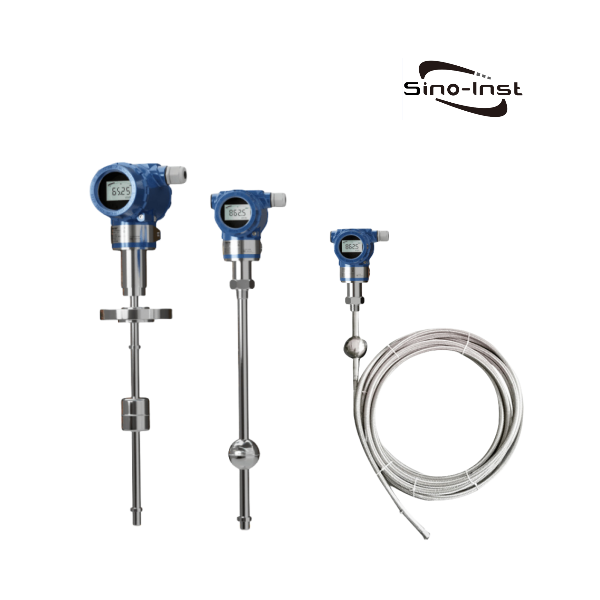
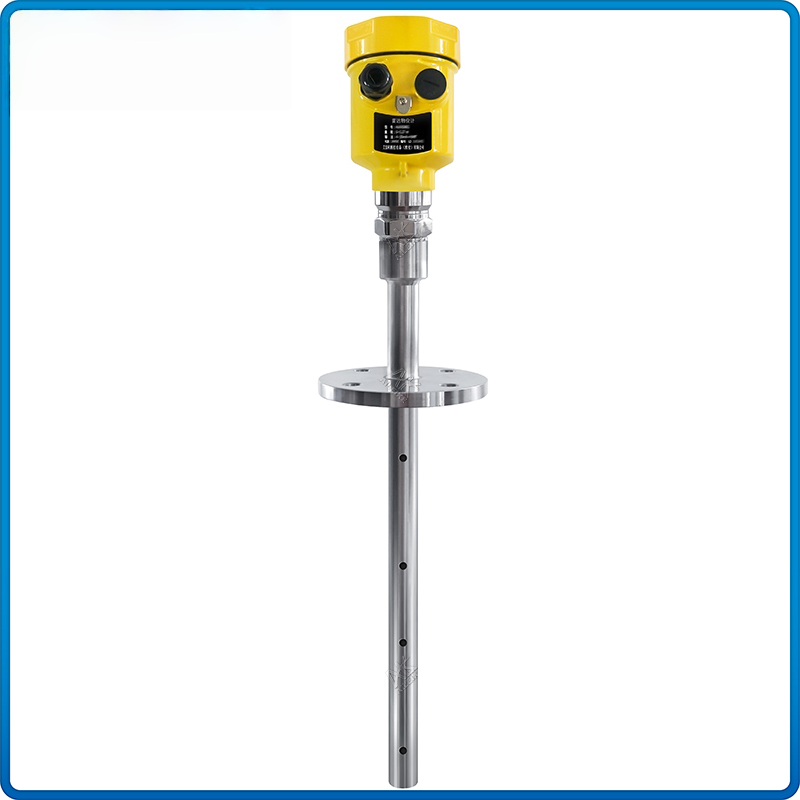
Stilling Wells are ingeniously designed to suppress liquid surface fluctuations and turbulence, ensuring high-precision level measurements. Surface disturbances are a problem in level measurement, whether using contact or non-contact methods. By isolating a calmer liquid column, Stilling Wells provide the sensor with a clear and stable target, eliminating misreads.
Sino-Inst has assisted customers in applying Stilling Wells to various scenarios, from wastewater lifting stations to food processing tanks.
Under conditions of turbulence, agitation, and bubbling, level meter readings may fluctuate drastically or become inaccurate.
Liquid Surface Fluctuations and Eddies:
The rotation of the agitator creates a complex flow field in the liquid, often resulting in concave eddies in the central region, while the liquid level may rise at the tank walls. This makes the liquid surface a continuously fluctuating curved surface. For contact-type instruments, the fluctuating liquid surface causes the measured value to jump continuously, making it difficult to capture a true and stable liquid level signal. In severe cases, it may cause malfunctions in the control system.
Turbulence and Bubbles:
Intense agitation generates a large amount of turbulence, entraining air into the liquid and forming bubbles, especially when handling viscous or easily foaming materials. This is a significant interference for level gauges that rely on acoustic waves, microwaves, or capacitance principles. For example, a radar level meter may be unable to accurately measure the true liquid level due to the strong absorption of microwaves by the foam layer.
To address these measurement interferences, the ingenious design of Stilling Wells was developed. For an introduction to the principles of Stilling Wells, you can refer to an article on Inst Tools.
Advantages of Stilling Wells
The advantages of stilling well measurements are:
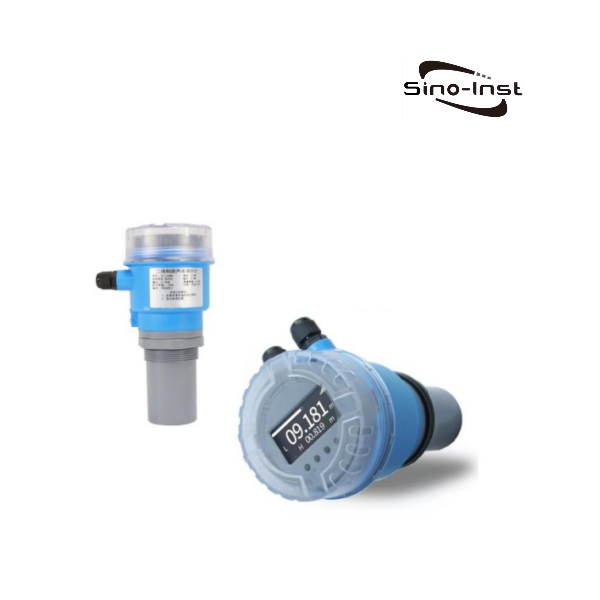
Suppress turbulence to ensure stable reflection signals for ultrasonic sensors;
Secure probes and floats to prevent swaying or vibration;
Minimize interference from tank walls, pipelines, and other obstacles;
Enhance measurement stability in continuously agitated or aerated liquids;
Maintain stable liquid levels within pipes, unaffected by external fluctuations;
Reduce the impact of foam and air vortices on measurements;
Increase signal reflection intensity.
For applications involving boiling or turbulent liquid levels, or when the measured medium has a low dielectric constant, measures such as guided wave tubes should be employed to ensure measurement accuracy.
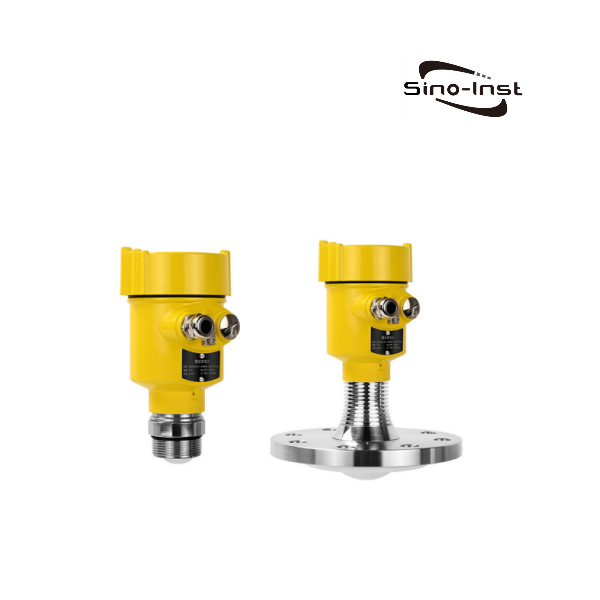
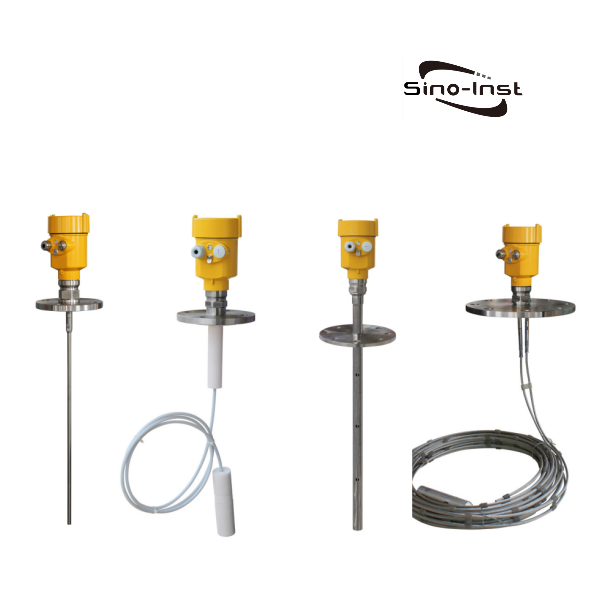
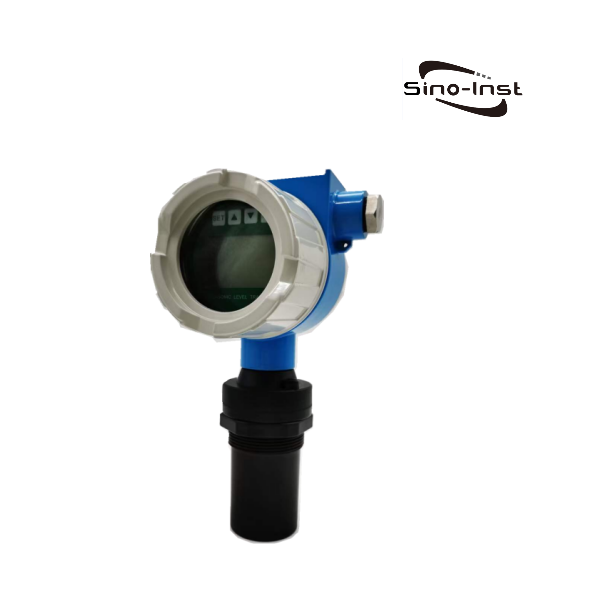
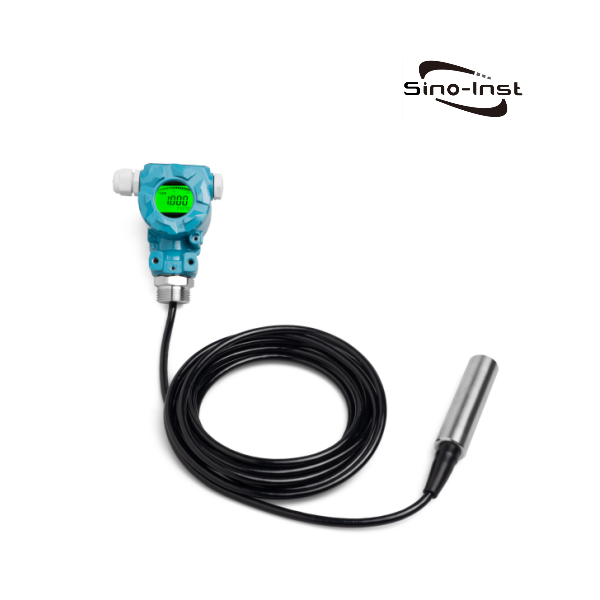
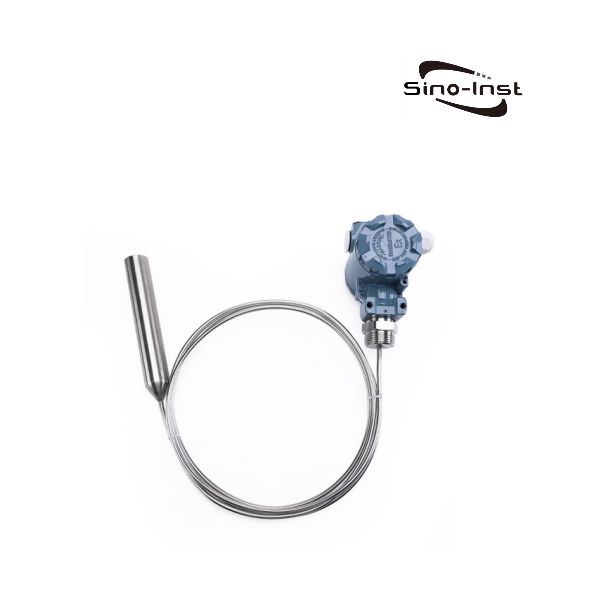
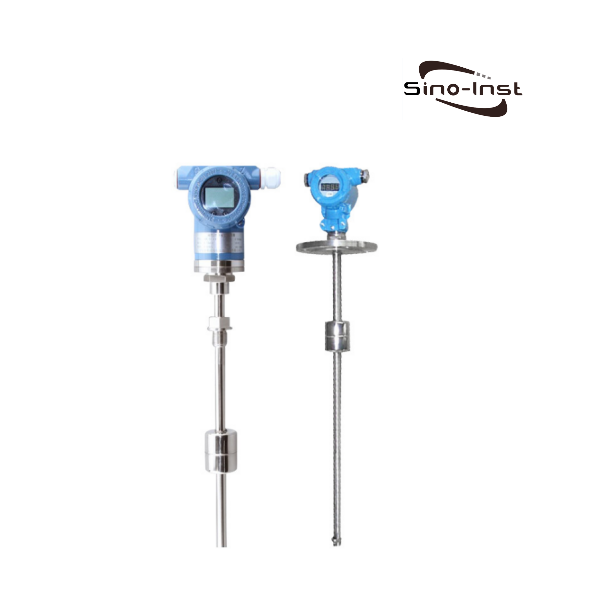
Stilling Wells are often used in conjunction with various Sino-Inst level meters for liquid level monitoring.
Stilling Well Design and Manufacturing Considerations
Proper design and installation of stilling wells can significantly improve sensor performance, increase measurement accuracy, and effectively handle complex operating conditions.
First, the inner walls of the stilling well must be smooth and free of burrs.
Install the pipe as vertically as possible, with the maximum deviation between the stilling well’s centerline and the plumb line being less than ±0.5°.
Ensure the transducer surface maintains a minimum blind zone distance from the highest liquid level.
Secure the pipe using brackets, metal straps, or a mounting method suitable for your application, ensuring the stilling well remains vertical and does not shift.
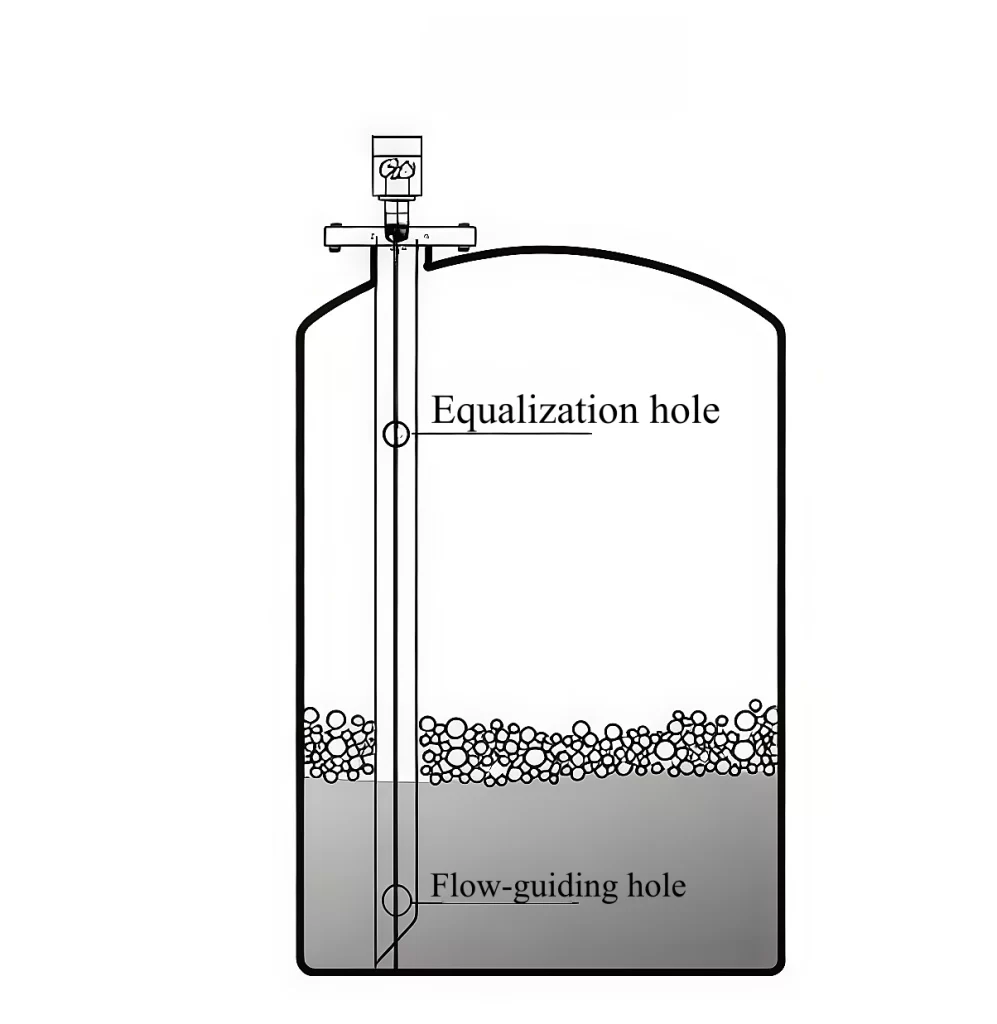
On the upper side of the stilling well, within the sensor’s blind zone, a vent hole should be machined to compensate for internal pressure within the stilling well. This ensures the level inside the guided wave tube matches the tank’s actual liquid level.
It is also advisable to open a hole in the middle of the stilling well to ensure equal pressure inside and outside the guided wave tube.
The length of the stilling well should meet the requirements for deep measurement and have sufficient openings below the lowest measurement water level. These openings serve as flow guides to achieve liquid level equilibrium within the pipe.
If the pipe body contacts the bottom, ensure the opening size is sufficient to guarantee free liquid flow.
The float level switch is a common level measurement and control instrument in industrial production. It operates faster and has a longer service life than mechanical switches; it is more resistant to interference than electronic switches; and it can achieve multi-point control. It is widely used in shipbuilding, papermaking, printing, generator equipment, petrochemicals, food industry, … Read more
When using liquid nitrogen tanks, it’s crucial to constantly monitor the liquid nitrogen level inside. Replenishing the tank as needed ensures the sample remains at a constant -196°C, preserving its activity. Generally, replenishment is necessary when the level drops below one-third. Insufficient liquid nitrogen will prevent complete coverage of the sample, causing the internal temperature … Read more
In industries such as chemical engineering, metallurgy, pharmaceuticals, electroplating, and sulfuric acid storage and transportation, sulfuric acid, as a basic raw material, is extremely corrosive. 98% concentrated sulfuric acid is viscous, fuming, and easily releases volatile acid mist. Under certain operating conditions, it is also accompanied by complex conditions such as high temperature and crystallization. … Read more
Radar level transmitters boast advanced technology and broad applicability. They have become the preferred solution for industrial liquid level monitoring. These devices are widely used in petrochemicals, water treatment, and food and pharmaceutical industries. Therefore, understanding radar level transmitters and their operating principles is crucial for achieving precise and reliable liquid level measurement. This article … Read more
Tank level monitoring is critical in industrial production. Radar level gauges provide real-time water level measurements with exceptional accuracy. Consequently, they have become the preferred choice for industrial-level monitoring. Radar level gauges offer an ideal solution for chemical storage tanks, oil fields, and reservoirs. In large tank installations, they achieve measurement accuracy of ±2mm—significantly surpassing traditional … Read more
Many wells are between 10 and 60 feet deep, while some can reach depths of 1000 feet. Therefore, deep well level sensors are the best choice when customers need to measure water levels in deep wells. Sino-inst deep well level sensors can measure depths up to 6561.68 feet (2000m). These level sensors are inexpensive, versatile, … Read more
In industrial applications, there are many methods for measuring and monitoring liquid levels. For measuring liquid levels in open and pressurized tanks, engineers typically choose differential pressure level transmitters. This is a well-established technology. The liquid level is calculated by measuring the pressure difference between the liquid and gas phases of a fluid within a … Read more
Due to its unique non-contact measurement capabilities, this intelligent radar level/liquid level meter accurately measures contaminants and corrosive media. Its 4-20mA and RS-485 output signals enable remote control. Its pulse operation allows for measurement of low-dielectric-constant media and is safe for use in various metal and non-metal containers, harmless to humans and the environment. It utilizes … Read more
Although the stilling well structure is not complex, it is an effective auxiliary device in liquid level measurement systems. By suppressing turbulence and providing a clean measurement interface, it can significantly improve the performance of ultrasonic sensors, probes, and float switches.
We at Sino-Inst specialize in supplying various industrial liquid level meters and customized liquid level measurement solutions. Please feel free to contact us if you have any needs.
Wu Peng, born in 1980, is a highly respected and accomplished male engineer with extensive experience in the field of automation. With over 20 years of industry experience, Wu has made significant contributions to both academia and engineering projects.
Throughout his career, Wu Peng has participated in numerous national and international engineering projects. Some of his most notable projects include the development of an intelligent control system for oil refineries, the design of a cutting-edge distributed control system for petrochemical plants, and the optimization of control algorithms for natural gas pipelines.