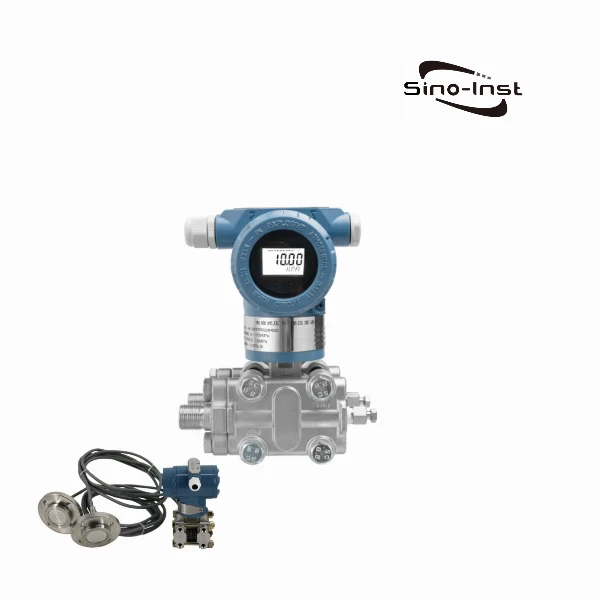
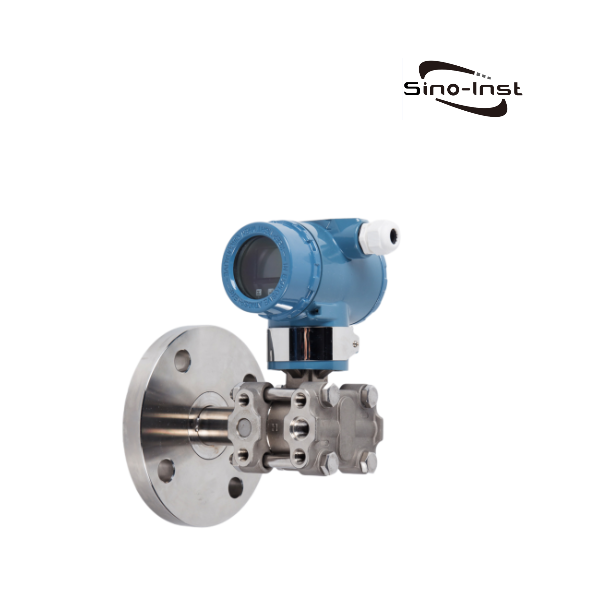
How to calibrate a pressure transmitter? How often?
Calibrate a pressure transmitter is an important step in ensuring its accurate and reliable measurements. It is normal for the…

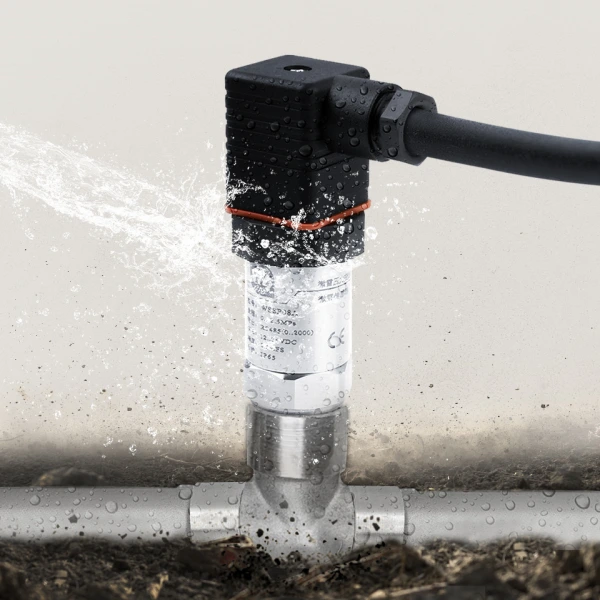
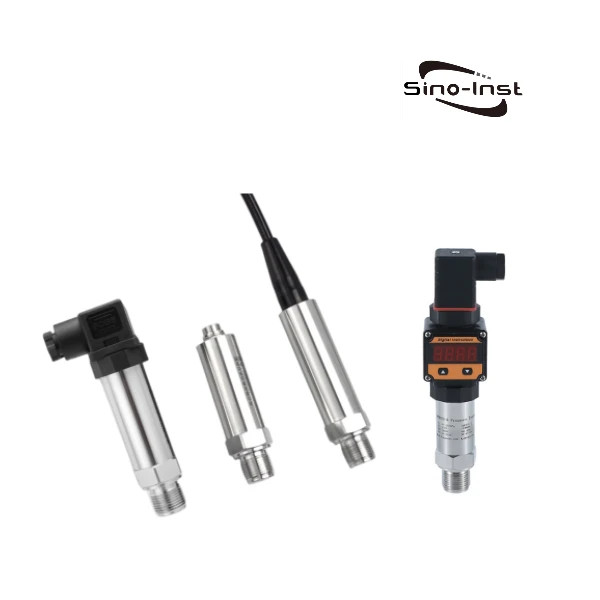
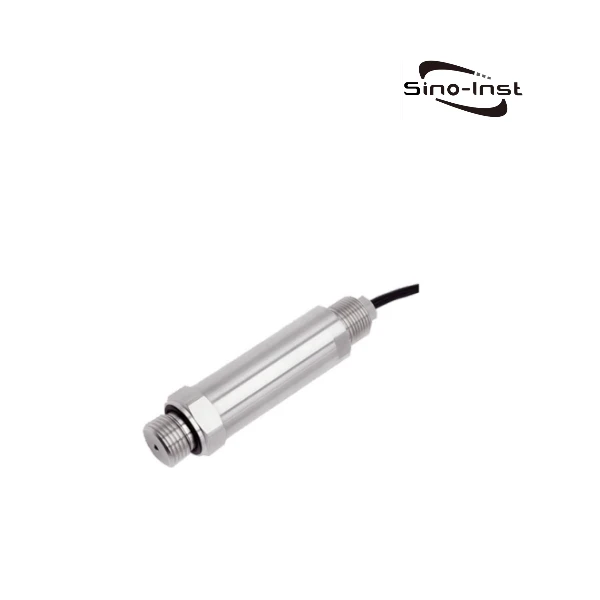
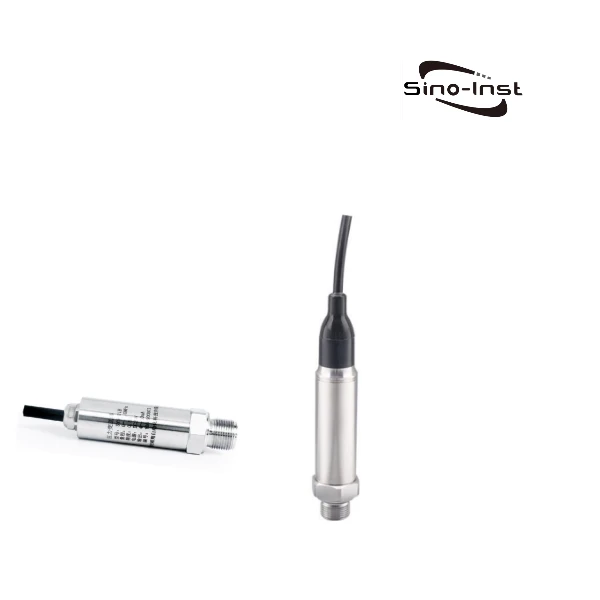
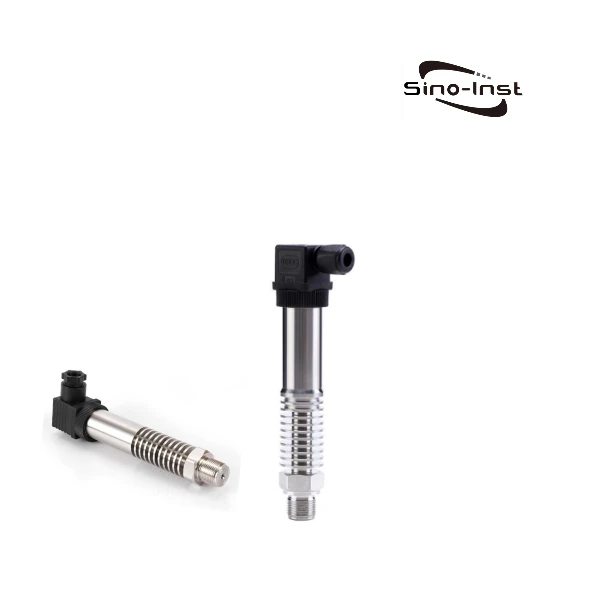
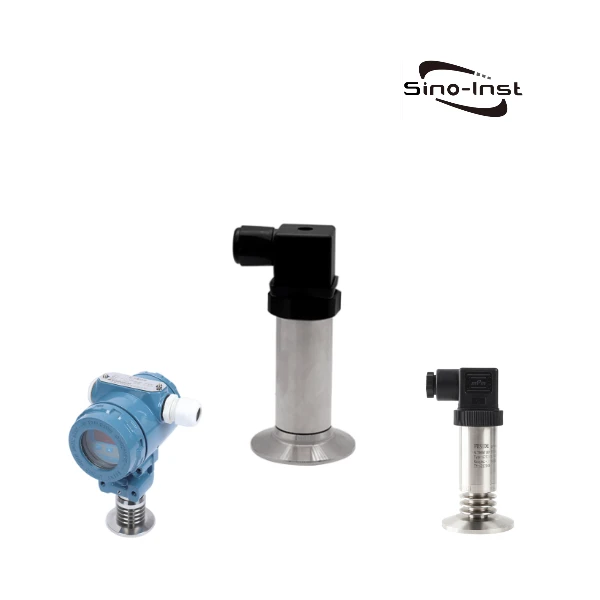
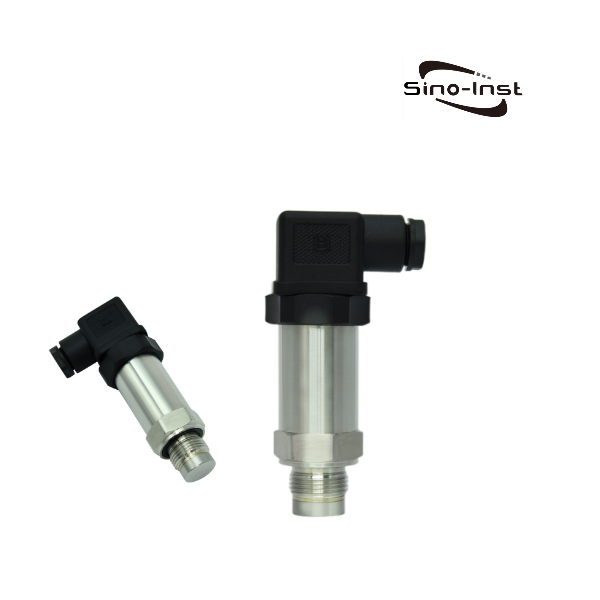
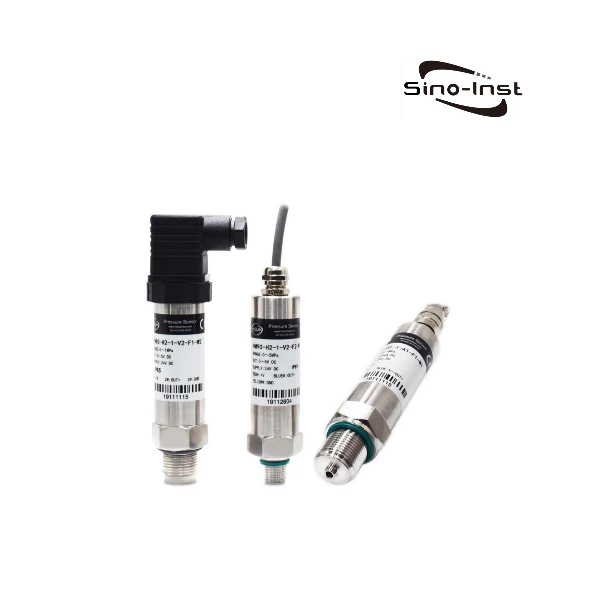
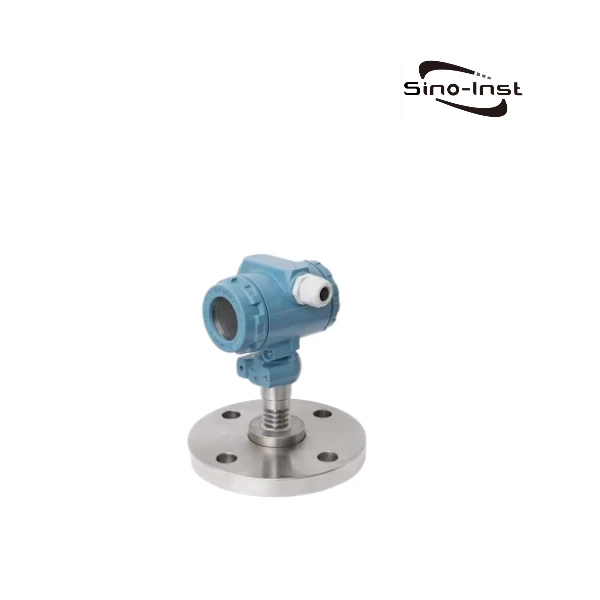
Water pressure sensors play a crucial role in managing water flow and levels in various industrial applications. These sensors can be analog or digital, with some even offering wireless capabilities for easier integration.
They help monitor water levels, control pumps, and measure the depth, differential, and gauge pressure in high-pressure systems.
Whether you’re dealing with water flow control or high-pressure environments, selecting the right water pressure sensor is essential for maintaining efficiency and ensuring the proper functioning of your system.
Water pressure is the force exerted by water on a given area due to its weight and gravity. This force is measured in units like pounds per square inch (psi) or pascals (Pa). Pressure increases with depth in a fluid, such as water, because the weight of the fluid above a certain point adds to the force exerted on that point.
Water pressure is directly proportional to the depth of the water column, following the hydrostatic pressure equation:
P = ρgh.
Where P is the pressure, ρ is the density of water, g is the acceleration due to gravity, and h is the height of the water column.
As water flows through a pipe or conduit, its pressure will change due to factors like friction, changes in elevation, and the presence of obstacles or bends.
Static water pressure refers to the pressure exerted by water when it is at rest, such as the pressure at the bottom of a water tank. It is solely dependent on the height of the water column above the point of measurement. Dynamic water pressure, on the other hand, is the pressure exerted by water when it is in motion, such as flowing through a pipe. This pressure is influenced by factors like the water’s velocity, pipe diameter, and the presence of any obstacles or bends in the system.
Step 1: Identify Requirements
Step 2: Pick Sensor Technology
Step 3: Check Sensor Performance
Step 4: Choose Output and Connectivity
Step 5: Pick Mounting and Materials
Step 6: Compare Features and Budget
Step 7: Research Brands
Following these steps will help you select the right industrial water pressure sensor for optimal performance, reliability, and efficiency.
In conclusion, selecting the appropriate water pressure sensor is crucial for optimal system performance and reliability. From gauge, absolute, differential, to sealed gauge pressure sensors, each type offers unique advantages suited for specific applications.
By following the selection guide and considering factors such as sensor technology, performance specifications, output signal, and mounting options, you can make an informed decision.
As a professional manufacturer of pressure transmitters, Sino-Inst offers a wide range of water pressure sensors with years of experience in the industry.
Explore our diverse product offerings and contact our experts for advice on selecting the best sensor for your application. Trust Sino-Inst for dependable and efficient water pressure sensor solutions.
Zhang Wei, possesses 20 years of experience as an automation instrumentation engineer, specializing in the research, design, installation, commissioning, and maintenance of automation instruments.
Face to various instrument communication protocols (such as Modbus, Profibus, etc.), with solid hardware circuit design and software programming skills (proficient in C language and PLC programming). Has extensive project experience; projects he has led and participated in have all achieved outstanding results, improving product accuracy, reducing costs, and increasing production efficiency.
Possesses excellent communication and coordination skills and a strong team spirit, enabling him to quickly respond to customer needs and provide high-quality automation instrumentation solutions.