Home > Blog > What is a Reaction Torque Sensor? Product Lists and Guide
What is a Reaction Torque Sensor? Product Lists and Guide
What is a Reaction Torque Sensor?
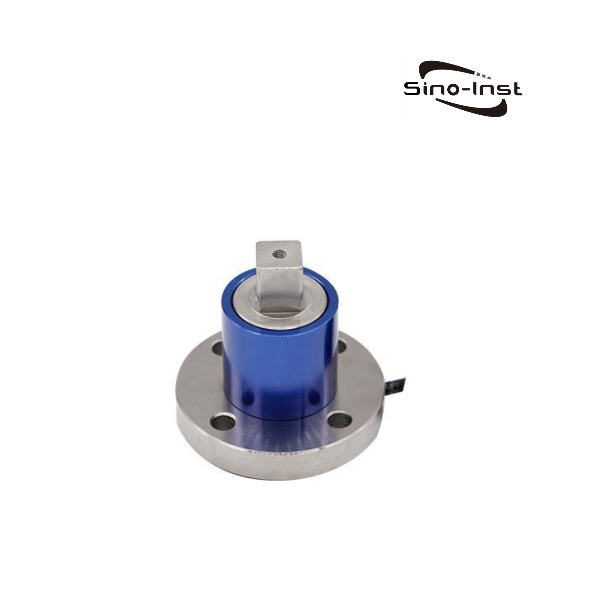
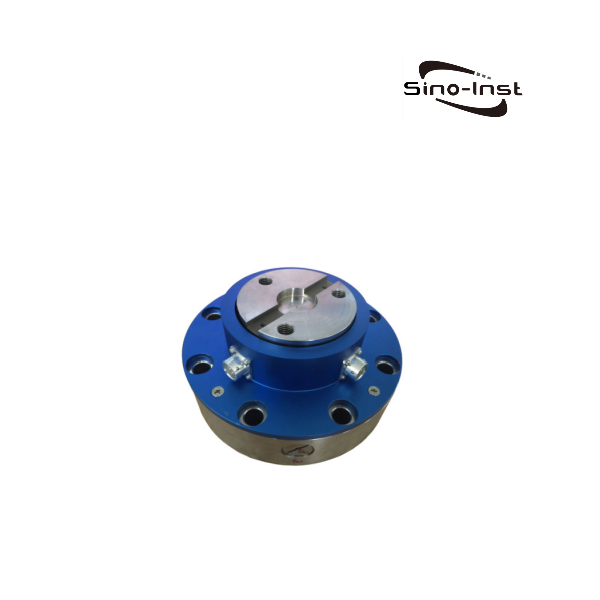
By definition, a reaction torque sensor is a type of torque sensor specifically designed to measure reaction torque values and convert them into a standardized electrical signal. It is also called a static torque sensor or a reaction sensor. Reaction torque sensors are limited in that they cannot rotate 360 degrees without cable entanglement.
What is reaction torque? It is the rotational force or moment applied to the stationary part of a device when the rotating part is transmitting or absorbing power. Torque is detected if the load source remains rigid while the drive source attempts to rotate.
Reaction torque sensors are primarily used to measure static or steady-state torque in applications such as bridges, buildings, and heavy machinery. Their working principle is based on the resistance strain principle, calculating torque by measuring the deformation of strain gauges. In a reaction torque sensor, strain gauges are attached to an elastic shaft to measure the strain of the shaft.
When torque is applied to the sensor, the strain gauges deform, changing their resistance value. These resistance changes are connected to a Wheatstone bridge, which produces a voltage signal proportional to the torque. The magnitude and direction of the torque can then be calculated.
Static torque sensors typically consist of a pair of sensors, one to detect stress and the other to detect strain, to improve measurement accuracy and reliability.
The two most commonly used types of torque sensors in industry are reaction torque sensors (static torque sensors) and rotary torque sensors (dynamic torque sensors). Reaction torque sensors are primarily used to measure stationary or non-changing torque, while dynamic torque sensors are used to measure rotating or rapidly changing torque.
Reaction Torque Sensors: Static or fixed torque sensors (sometimes called reactive sensors) are used to measure non-rotating torque. Static torque sensors accurately measure torque by utilizing the stress or strain directly applied to them. Examples include testing manual torque wrenches and the static torque of gearboxes.
Rotary Torque Sensors: Unlike static torque sensors, rotary torque sensors measure the torque of rotating components. The shaft of the rotary sensor rotates as part of the system, along the axis. This helps in measuring accurate torque while the device under test is in operation (rather than stationary). Examples include tightening machines, electric wrenches, motor output torque, engine output torque, and drill pipe torque.
Reaction Torque Sensors are widely used in various fields, such as automotive, aerospace, energy, manufacturing, and medical industries. Specific applications include:
In industrial automation, static torque sensors are widely used in various mechanical equipment, such as electric motors, reducers, and drive shafts, to measure and control the torque parameters of the equipment.
In the automotive industry, static torque sensors are used to measure the torque output of components such as engines and transmissions to ensure the power performance and safety of the vehicle.
In the aerospace field, static torque sensors are used to measure the torque of aircraft engines, propellers, and other components to monitor and control the power state during flight.
In manufacturing, static torque sensors are used in the manufacture of viscometers, electric (pneumatic, hydraulic) torque wrenches, and other equipment to improve production efficiency and product quality.
The selection of a reaction torque sensor primarily depends on your capacity requirements and physical or environmental requirements.
Capacity, which is the measurement range of the torque. Determine your expected minimum and maximum torque. Additional torque and moments will increase combined stress, accelerating fatigue and affecting the sensor’s accuracy and performance.
Physical and environmental requirements. Evaluate any physical constraints (length, diameter, etc.) and how the torque sensor will be installed in the system. Consider the type of environment in which the sensor will operate to ensure proper operation over a wide temperature range, humidity, or contaminants (oil, dirt, dust).
Consider the accuracy class. The accuracy class is an important indicator of the accuracy of the torque sensor’s measurement. Generally, the higher the accuracy class, the more precise the measurement results. However, higher accuracy classes also come with higher prices. Therefore, a balance needs to be struck based on actual needs and budget.
The sensor’s mounting method and structure should not be overlooked. Different types of torque sensors have different mounting requirements. For example, flange mounting, shaft mounting, and specific mounting dimensions.
The sensor’s output signal and interface are equally important. It needs to be compatible with the measurement system or data acquisition equipment.
Finally, actual testing and verification are essential. After selecting a torque sensor, it is recommended to conduct actual testing and verification to ensure that it meets the measurement requirements. If the measurement results do not meet the requirements, the sensor can be adjusted or replaced to ensure that it meets the actual needs.
Motor torque testing ensures proper motor operation and the safety of mechanical equipment. Torque sensors have a wide range of applications in motor testing and measurement. Motor torque Motor torque refers to the output torque of the motor, which is the product of the motor output power and the speed. The size of the motor … Read more
What is a torque sensor? A torque sensor is a device that measures the torque (torsion or rotational force) applied to a rotating shaft of a component or machine. Torque sensors monitor and control the performance and condition of rotating components such as engines, motors, shafts, gears, pulleys, rollers, gears, and generators. They are widely … Read more
Shaft Torque Sensors are devices that can directly measure the torque of a rotating shaft. This refers to the mounting structure of the torque sensor, such as a flange torque sensor. Compared with flange-mounted torque sensors, shaft-mounted torque sensors take up less space and are relatively inexpensive. Shaft Torque Sensors can be dynamic torque sensors … Read more
Compared with traditional contact torque sensors, Contactless Torque Sensor avoids physical contact. This feature significantly reduces wear and energy loss. Improves the reliability of the measurement system. Contactless Torque Sensor does not mean that the sensor can obtain measurement results without contacting the measured object. Instead, it means that the power supply and signal inside … Read more
A rotary torque sensor is a device that detects the torsional torque on various rotating mechanical parts. It is also called a dynamic torque sensor. It converts the physical change of torque into an accurate electrical signal. It allows us to accurately measure the force applied to the shaft or rotating parts. Sino-Inst provides a … Read more
What is torque? Torque is the rotational force applied to an object, which refers to the moment of rotation of an object around a certain axis. It is a physical quantity that measures the rotational force. It is determined by the product of force and lever arm, and the unit is Newton meter (N m). … Read more
Choosing the right reaction torque sensor requires considering multiple factors. By clearly defining your measurement needs, evaluating accuracy levels, considering installation methods, selecting compatible output signals and interfaces, and conducting practical testing and verification, you will be able to select the torque sensor suitable for your application.
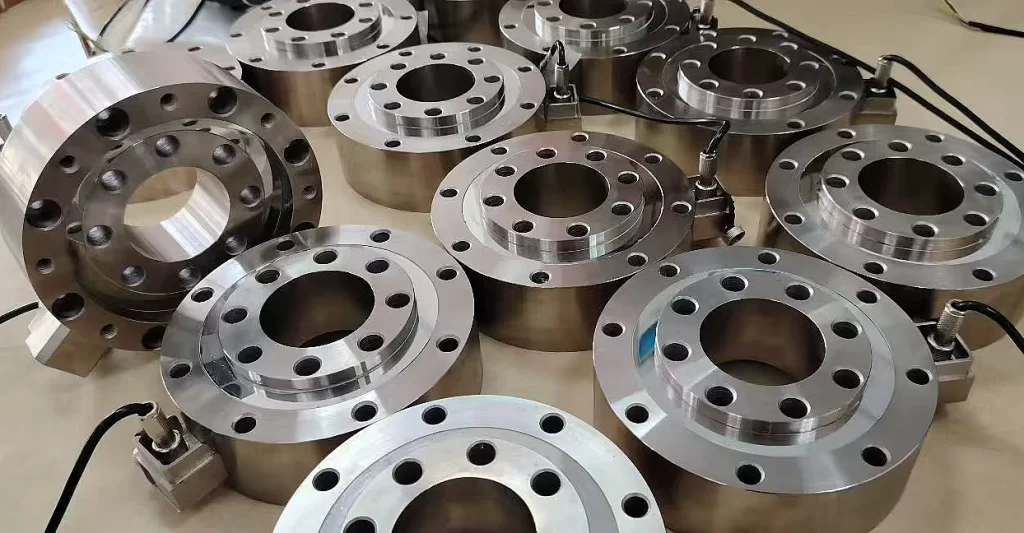
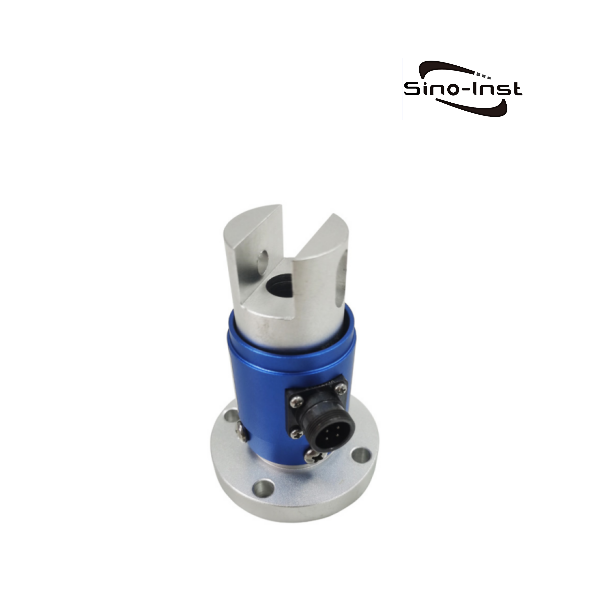
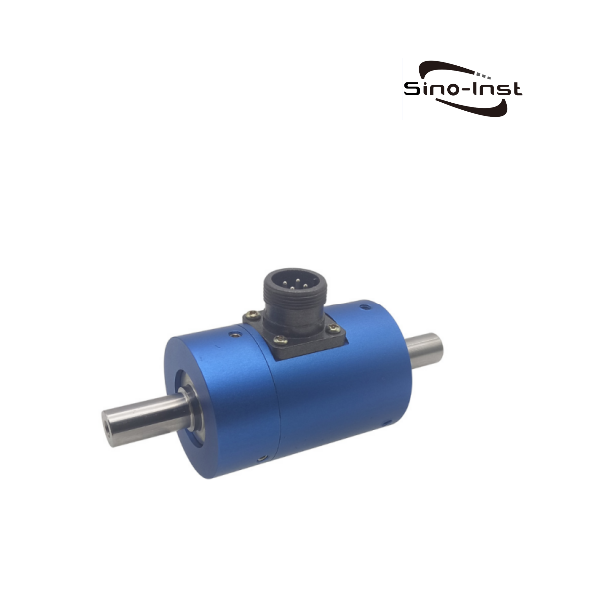
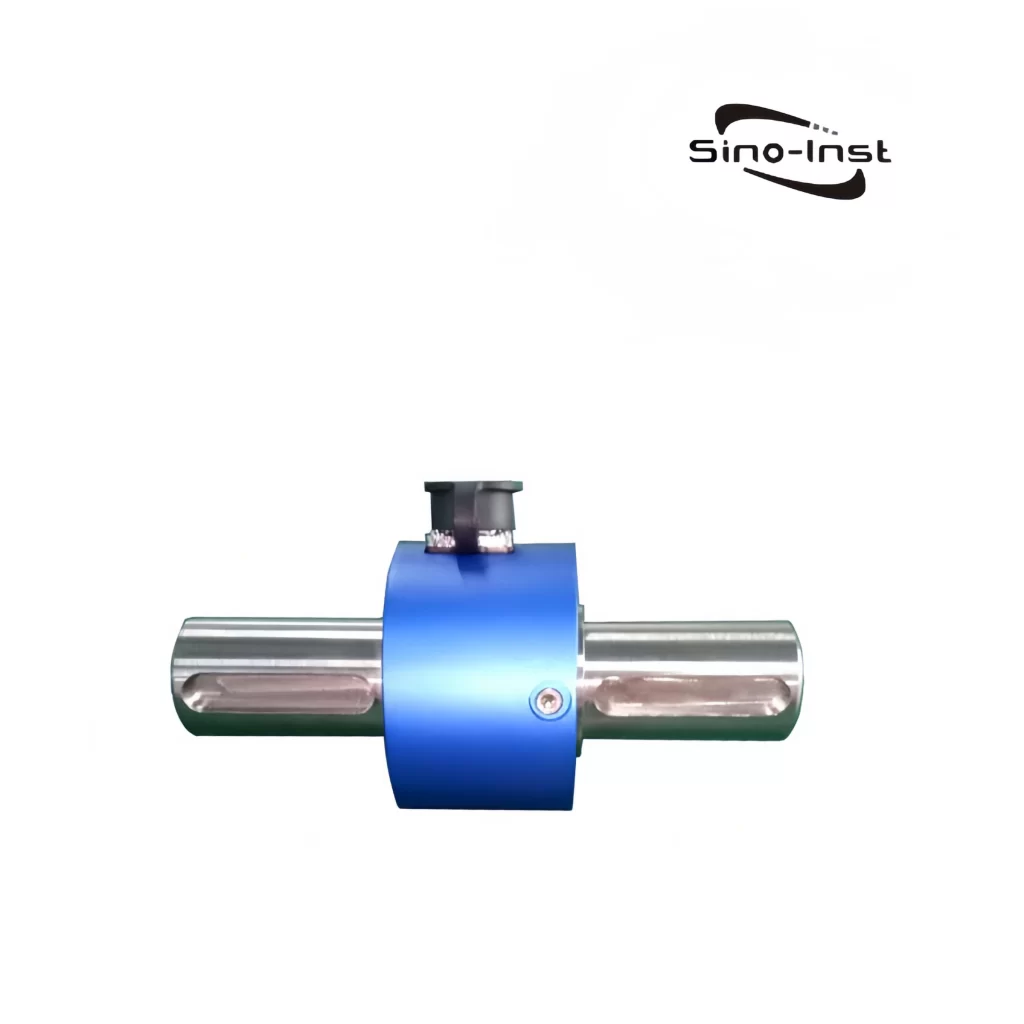
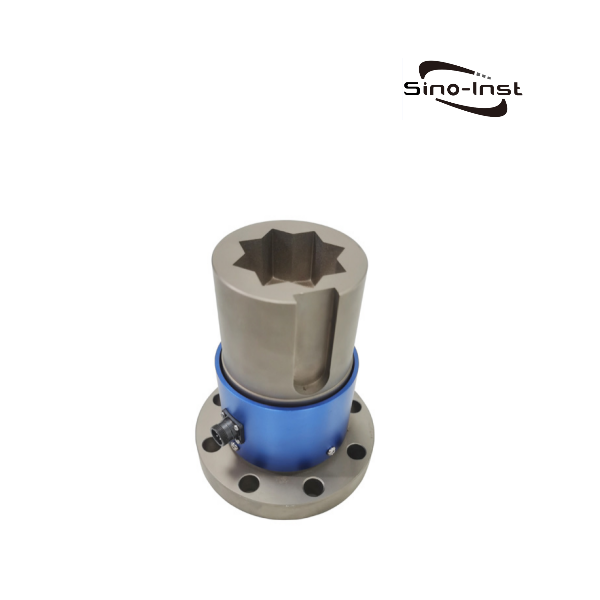
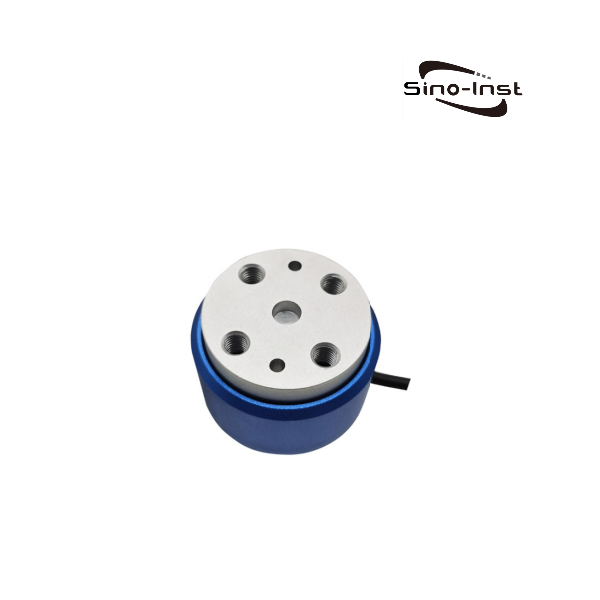
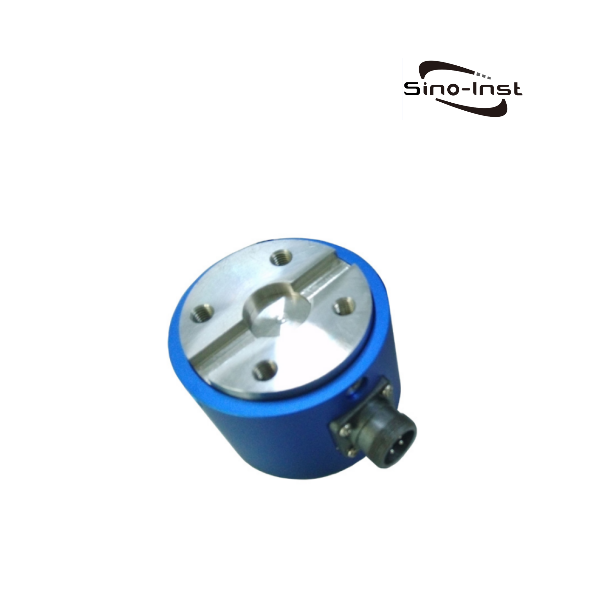
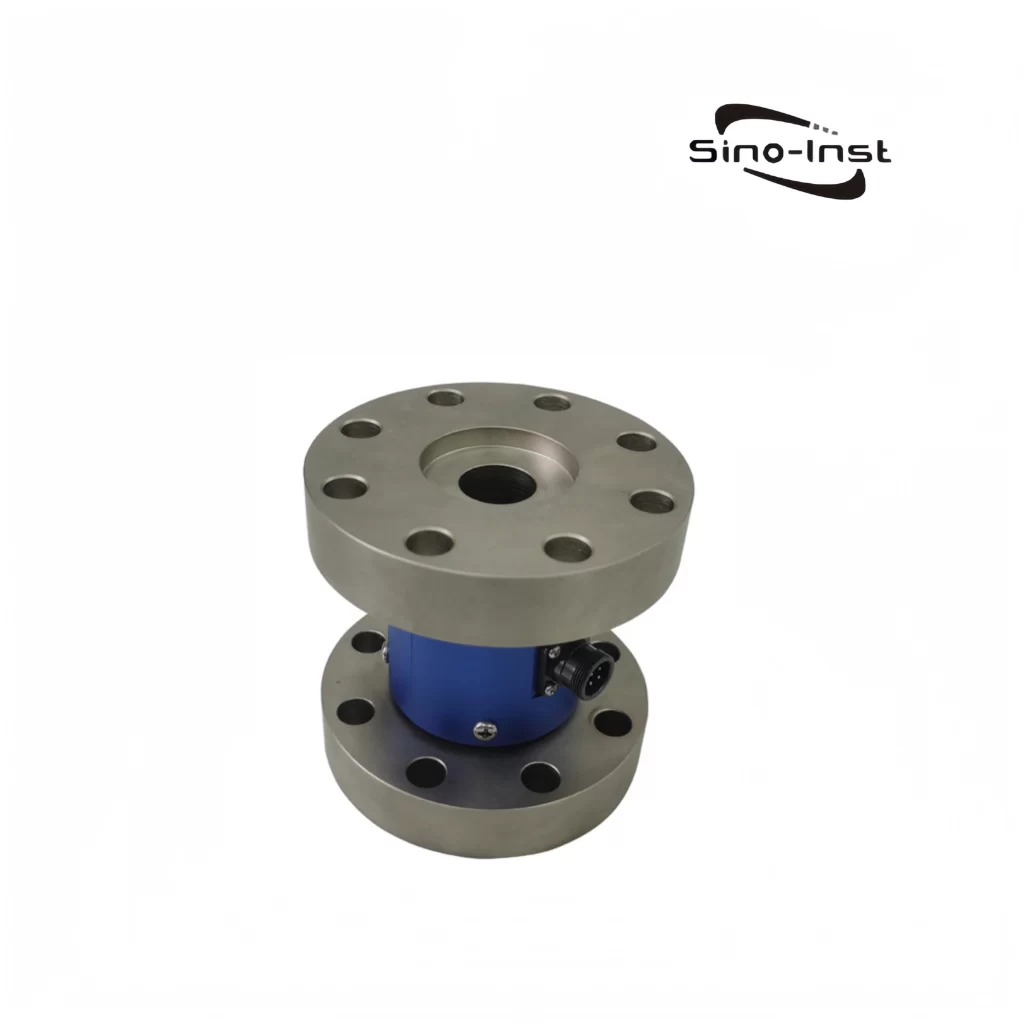
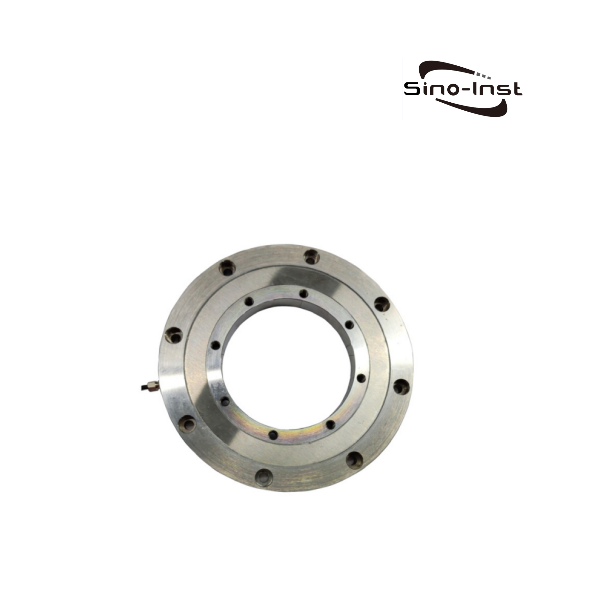
Sino-Inst offers various types of reaction torque sensors, including flange-to-flange, shaft-to-shaft, hollow structure, and miniature torque sensors. We help you improve measurement accuracy, system efficiency, and reduce maintenance costs.
If you need to perform reaction torque measurements, please feel free to contact us!
Zhang Wei, possesses 20 years of experience as an automation instrumentation engineer, specializing in the research, design, installation, commissioning, and maintenance of automation instruments.
Face to various instrument communication protocols (such as Modbus, Profibus, etc.), with solid hardware circuit design and software programming skills (proficient in C language and PLC programming). Has extensive project experience; projects he has led and participated in have all achieved outstanding results, improving product accuracy, reducing costs, and increasing production efficiency.
Possesses excellent communication and coordination skills and a strong team spirit, enabling him to quickly respond to customer needs and provide high-quality automation instrumentation solutions.