
Water Level Pressure Transducers
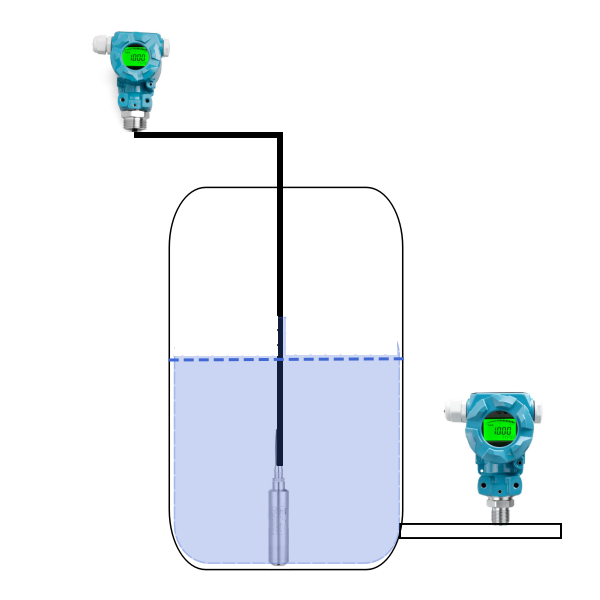
The water level pressure transducer measures water level based on the relationship between pressure and water level. It is an extremely simple, practical instrument. Of course, it can be used to measure more than just water. Any other liquid can be measured. Wastewater, seawater, chemical liquids, oils, etc.
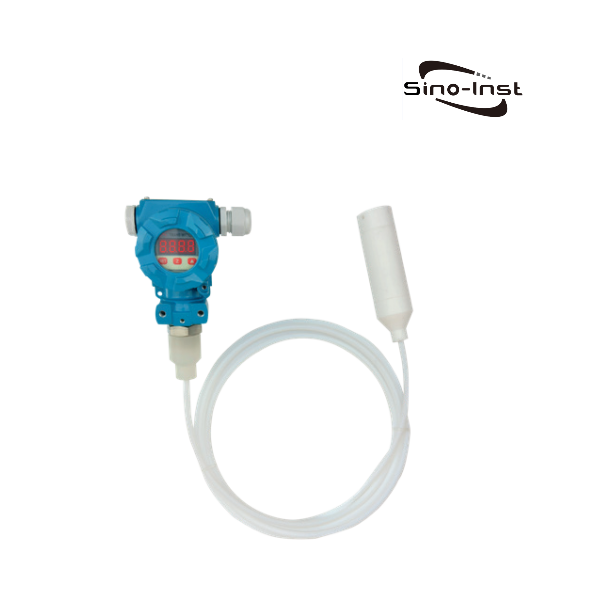
Sino-Inst produces and supplies a full range of Water level pressure transducers. They can be put into liquid and can be threaded. They can monitor real-time liquid level and output signals to provide analytical data for water level changes.
Featured Water Level Pressure Transducers
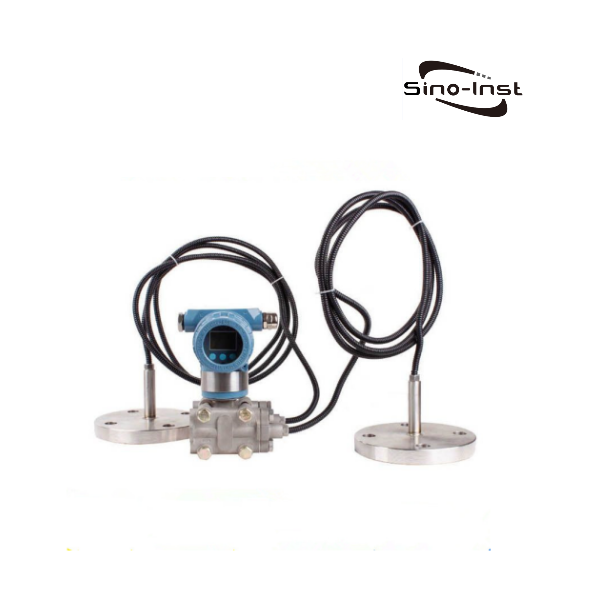
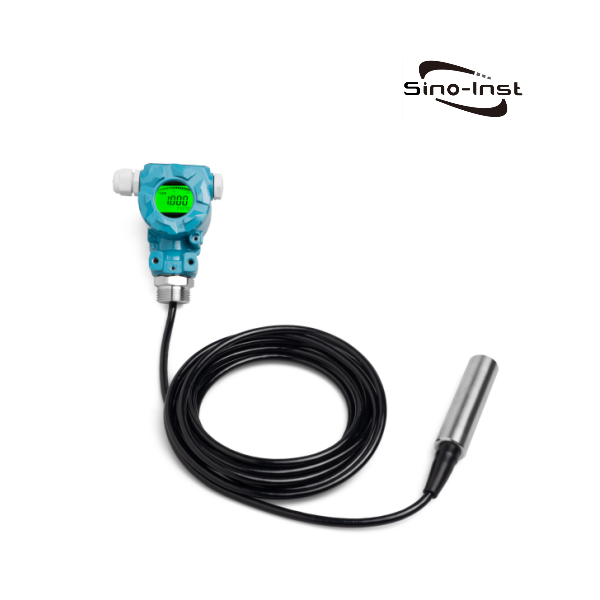
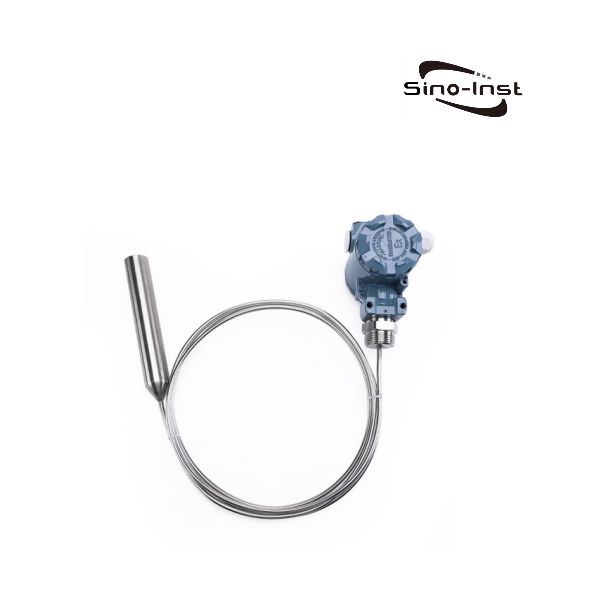
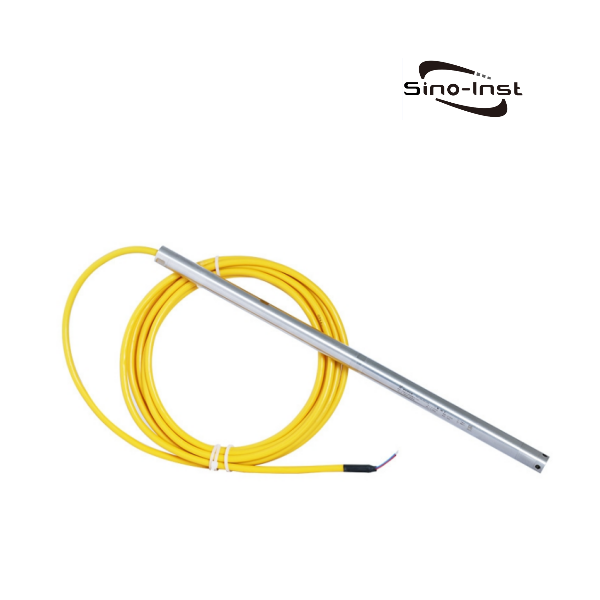
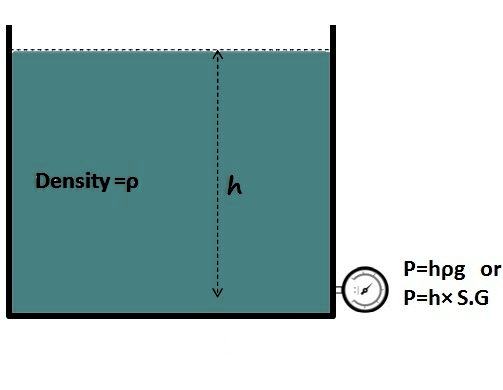
Method of using a pressure transducer to measure water level
Water level pressure transducer is a transducer for measuring liquid level based on the principle that the measured liquid static pressure is proportional to the liquid height.
P=ρgh (P: liquid static pressure ρ: liquid density h: liquid height).
Use isolated sensitive elements to measure the liquid static pressure P. And convert the known density ρ and g (9.8m/s^2) into the liquid height h through the conversion processing circuit.
Then after temperature compensation and a linear correction circuit, the liquid height is converted into a 4-20mA or 0-10V standard electrical signal output.
If appropriate factors are considered, the liquid level of any liquid can be measured. The following method can be used to obtain accurate liquid level measurement results.
Pressure transducer placed at the bottom of the water
No matter which method is used, it is only necessary to ensure that the pressure sensor measures the pressure at the bottom of the water body. Then the value of the water level above the measurement point can be calculated.
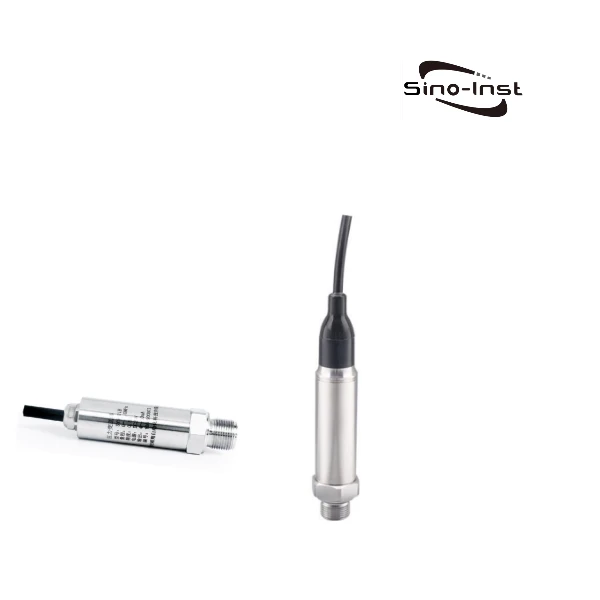
You can choose to directly immerse the pressure transmitter probe in the bottom of the water. For example, our commonly used deep well liquid level transmitter.
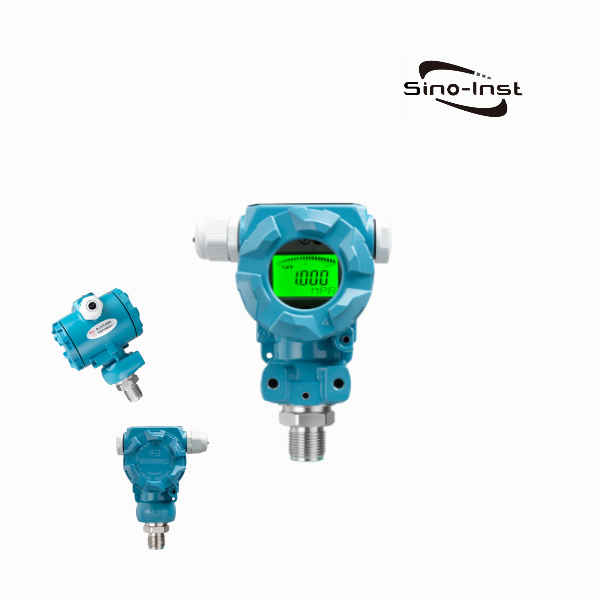
Alternatively, the pressure transmitter can be attached to an external pipe. For example, to measure the liquid level in an open tank. With an interface at the bottom of the tank, the pressure transmitter can measure the pressure and calculate the water level.
Although such a measurement cannot always be 100% accurate, however, it can give the system engineer an idea of the current water level. This will enable the system to set appropriate controls to alert the system user to make appropriate changes when the water level is too high or too low.
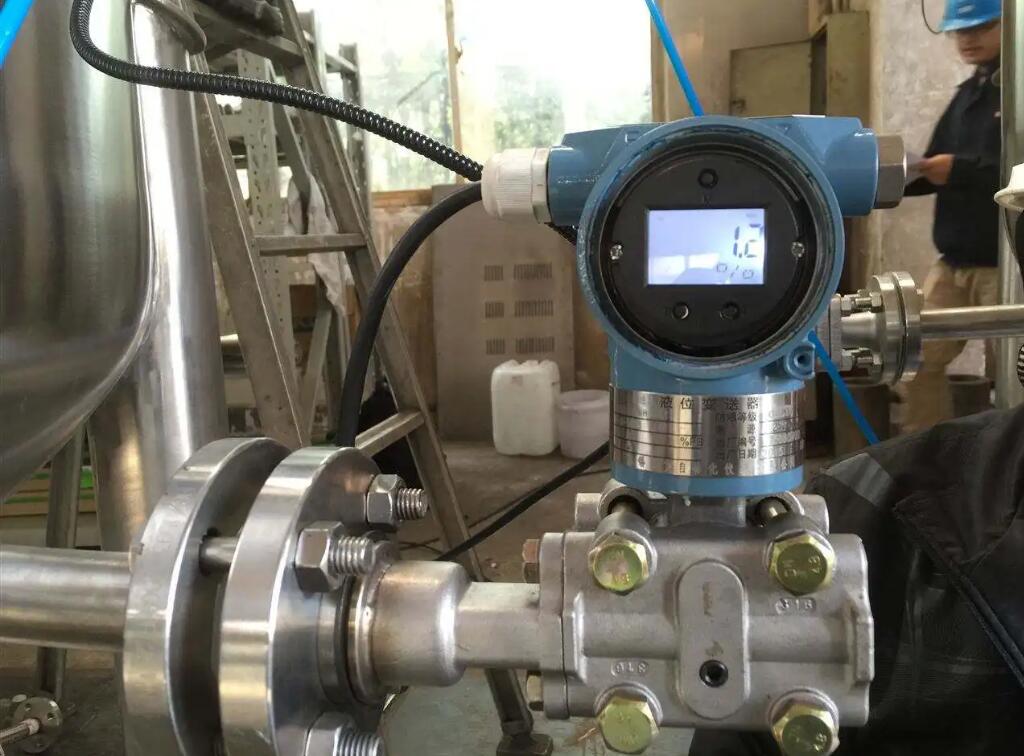
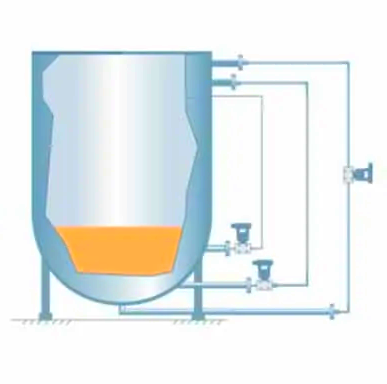
Measuring Liquid Level with a Differential Pressure Sensor
If the tank being measured is sealed. Then we need to consider other methods. Measuring the pressure at the bottom of the tank alone may not be accurate enough. Using a differential pressure sensor liquid level measurement method will be more accurate.
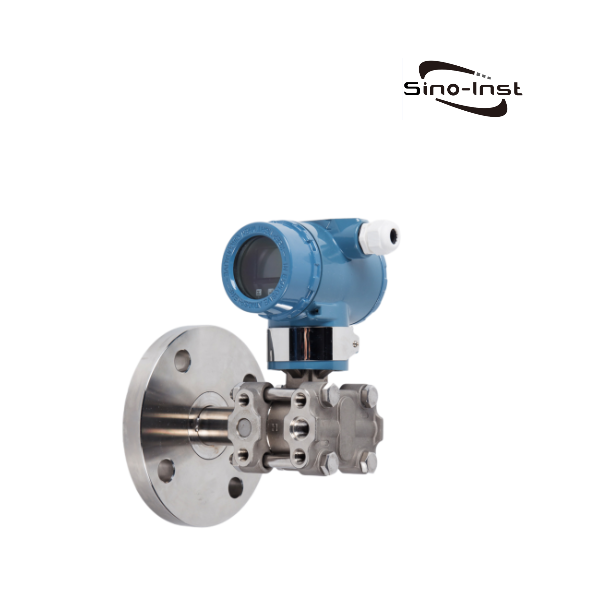
The pressure at the bottom of the water body and above the water surface can be measured through two branches. The differential pressure transmitter can measure the difference between the total pressure at the bottom of the water level and the gas pressure at the top. In this way, a more accurate water level can be obtained.
A water level pressure transducer can provide a lot of meaningful data to water level monitoring personnel. The data can even be analyzed to determine how the water level of groundwater or river water changes. The data are extremely valuable to environmental researchers studying rapidly changing bodies of water.
Read more about: Tank Level Measurement with Pressure Transmitters/DP Transmitters
Benefits of Water level pressure transducers
First of all, Water level pressure transducers are a low-cost type of liquid level measuring instrument. Most level transmitters are more expensive. For example, radar level meters and magnetostrictive level transmitters. Of course, that is because they are more accurate and have other technical advantages.
Secondly, pressure sensors measure liquid levels accurately, stably, and effectively. And using pressure sensors is absolutely simple, without any complications worth mentioning, right?
In addition, Water level pressure transducers can be equipped with a variety of process accessories to meet almost all installation needs. For example, thread sizes, flanges of different standards, and even different contact materials. For example, when measuring corrosive chemical liquids, the tank must be sealed. Then a double flange differential pressure transmitter with a fully PTFE-sprayed flange is a good choice!
In some special applications, it is particularly appropriate to use pressure sensors to detect liquid levels. Turbulence, foam, vapor layers and physical obstacles are all common phenomena in the world of tanks and liquids. And they will have a negative impact on other liquid level sensors. However, pressure sensors are not affected by any of these factors. And they are a good alternative in such applications.
Water Level Pressure Transducers Application
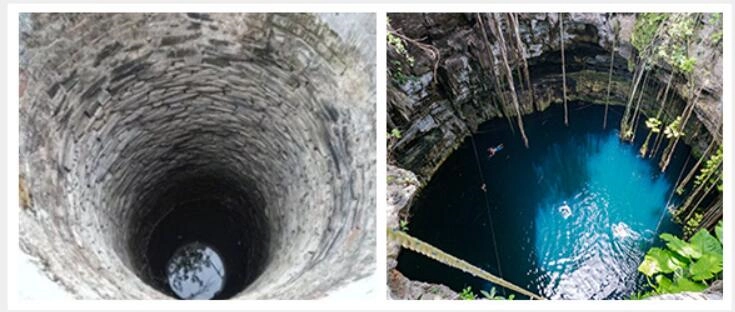
It is very important to monitor the water level of groundwater wells, underground pipelines, etc. in real time. It can grasp the law of groundwater changes, understand the groundwater exploitation situation, guide the protection of groundwater resources, etc.
Using pressure transmitters, groundwater monitoring can be completed at a low cost.
In the application scenarios of hydrological observation holes, geological boreholes, water wells, reservoirs, dams, rivers, lakes and seas in geology, mining, hydrology and other departments. It can be directly invested in hydrostatic pressure level transmitters.
Through monitoring instruments, the groundwater monitoring wells in the water source are monitored in real time to obtain water level data. So as to grasp the exploitation and use of groundwater sources in a timely manner. Timely warning, protect the reasonable application of water resources.
For urban underground water supply pipe networks, it is also necessary to monitor the pressure of the pipes. Of course, there is also monitoring of flow, temperature, etc. By installing pressure transmitters on underground water supply pipes, remote monitoring can be achieved. Reduce water leakage in the pipe network.
In industrial water storage tanks, fire fighting tanks, and sewage treatment plants, monitoring the water level in the tanks is essential. This allows for real-time monitoring of the tank water level and simultaneous control of the inlet and outlet valves.
If the water tank has an opening at the top, a submersible level transmitter can be used directly. Installation is simple, and the measurement is stable.
If the tank does not have an opening at the top, a pressure connection port can be installed on the outside of the tank bottom. Using a threaded or flanged connection, a pressure transmitter can measure the pressure at the bottom of the tank to monitor the real-time water level.
Sometimes, we don’t need to monitor the real-time water level, but rather the pressure of underwater equipment. In this case, an IP68 waterproof pressure sensor can be used. The pressure sensor is submerged underwater and installed on the water pipe to be measured using a threaded connection, allowing for real-time underwater pressure measurement.
In seawater treatment plants, shipyards, etc., monitoring seabed pressure is necessary. Seawater is highly corrosive, and even stainless steel sensors will have a reduced lifespan.
Therefore, for measuring seabed seawater pressure, professional corrosion-resistant materials are required, such as all-PTFE pressure sensors or titanium alloys.
Read more about: Sea Water Resistant Pressure Sensors
If you don’t need to measure the water level, you can also directly install a Water Pressure Transducer to monitor the water pressure.
More Level Measurement Solutions
- Typical Ultrasonic Level Sensor Applications and Advantages
- Different Diesel Level Sensors for Diesel Tank Level Measurement
- 4 Wire – 3 Wire – 2 Wire Ultrasonic Level Transmitter
- Submersible Pressure Transducers for Liquid Pressure and Level Measurement
- Liquid Level Controllers and Switches for Industrial Tanks
- Industrial Ultrasonic Level Transmitters | Non-contact Level Measurement
- Difference Between Radar and Ultrasonic Level Transmitter
So, using a pressure transmitter for water level measurement is a good choice!
From easy-to-use general-purpose sensors to high-tech pressure level sensors suitable for experts, Sino-Inst’s pressure and level sensors offer suitable models for every type of user.
If you need to purchase Water Level Pressure Transducers, or have questions about using pressure sensors for liquid level monitoring? Please feel free to contact our sales engineers!
Zhang Wei, possesses 20 years of experience as an automation instrumentation engineer, specializing in the research, design, installation, commissioning, and maintenance of automation instruments.
Face to various instrument communication protocols (such as Modbus, Profibus, etc.), with solid hardware circuit design and software programming skills (proficient in C language and PLC programming). Has extensive project experience; projects he has led and participated in have all achieved outstanding results, improving product accuracy, reducing costs, and increasing production efficiency.
Possesses excellent communication and coordination skills and a strong team spirit, enabling him to quickly respond to customer needs and provide high-quality automation instrumentation solutions.