Home > Densitometers > Liquid Concentration Meter – Optical Principle
Liquid Concentration Meter – Optical Principle
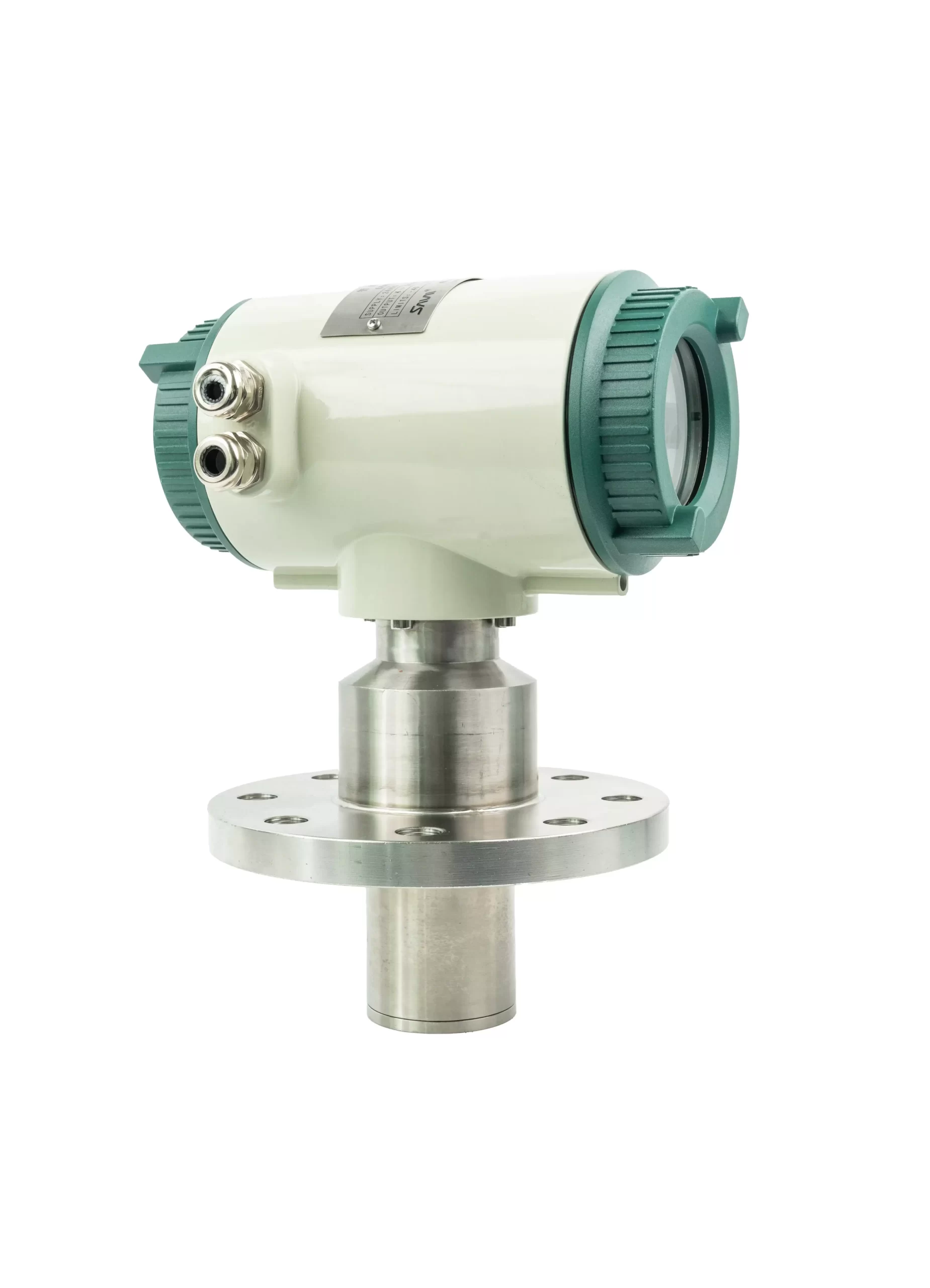
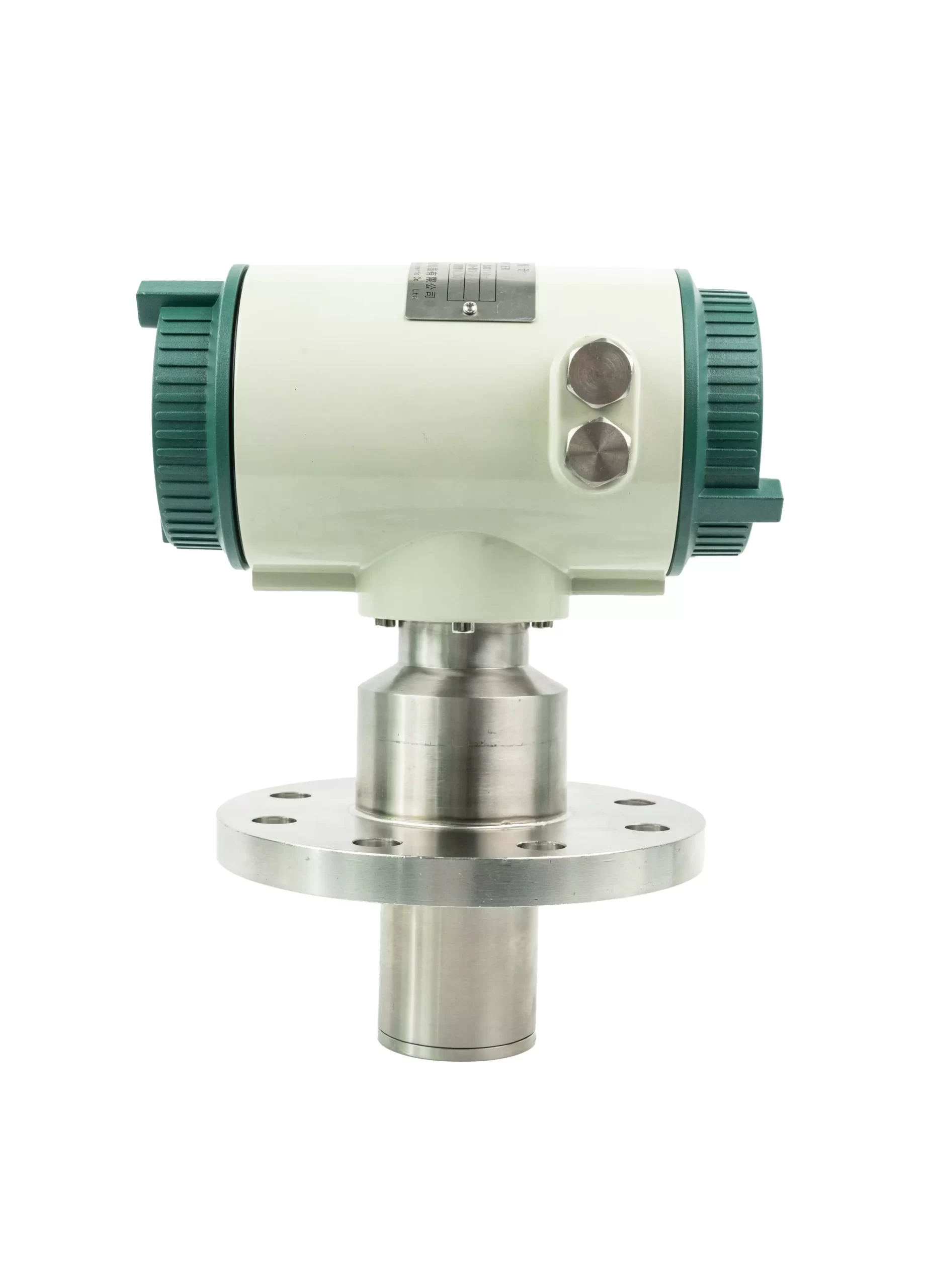
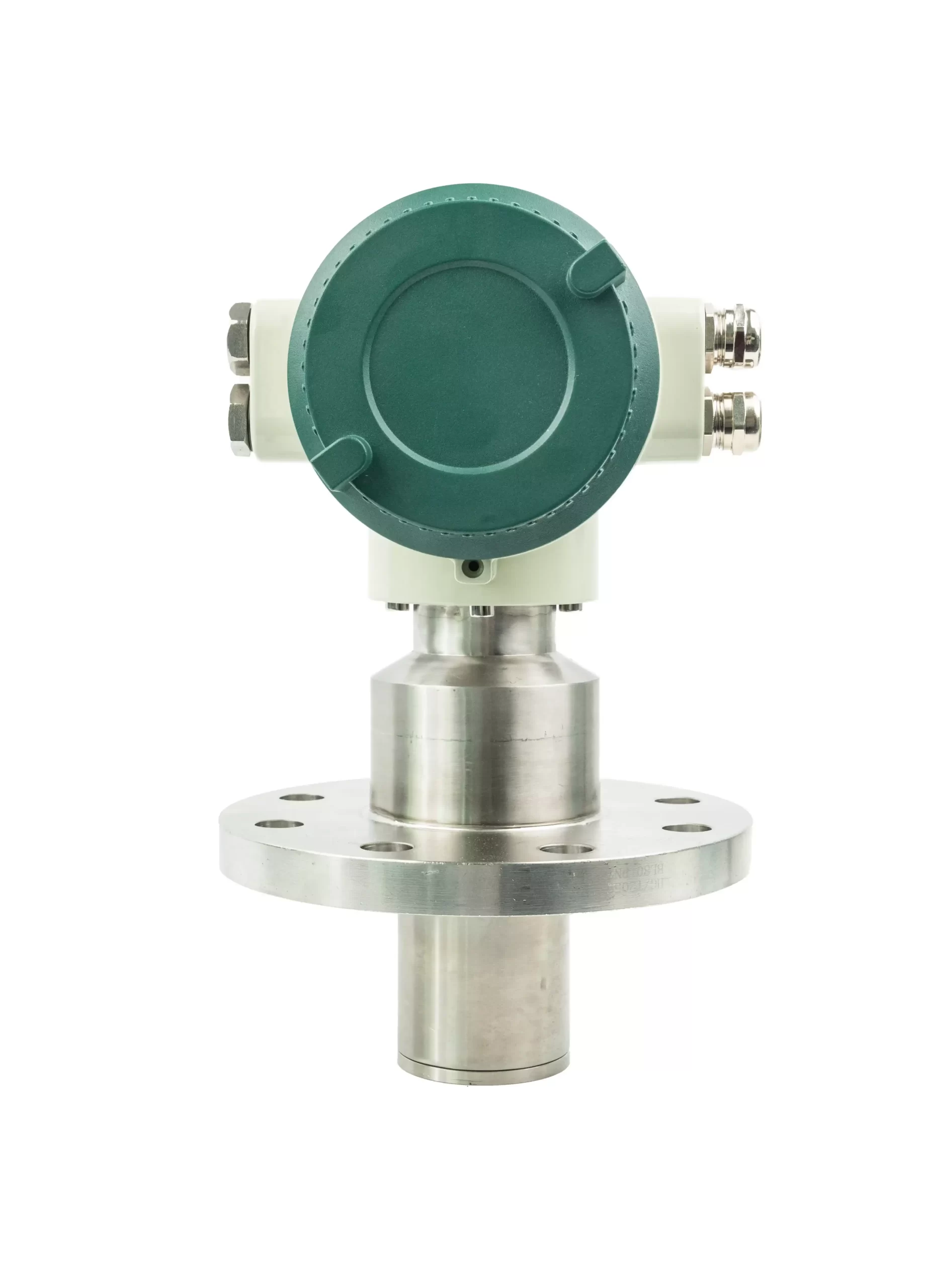
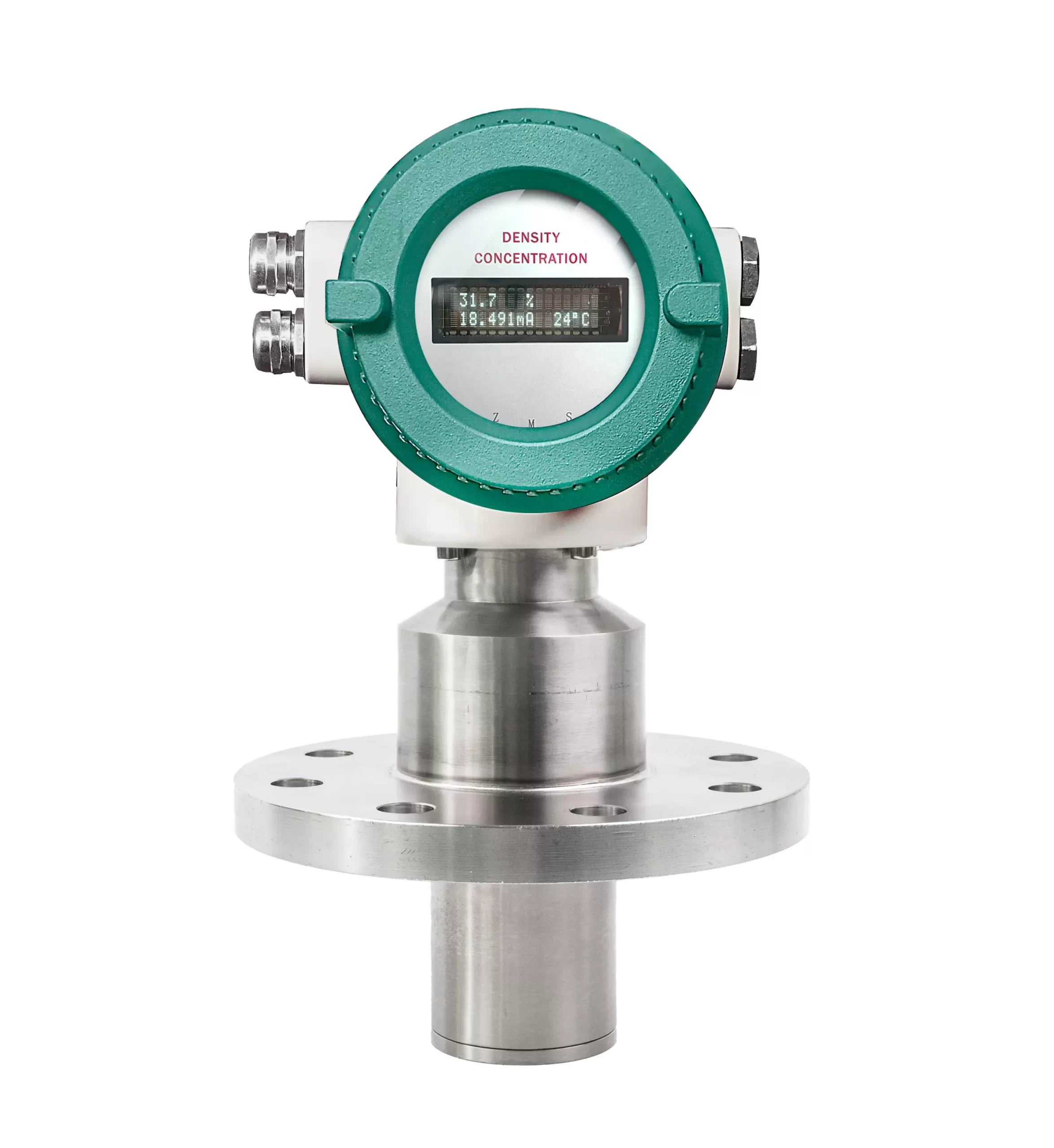
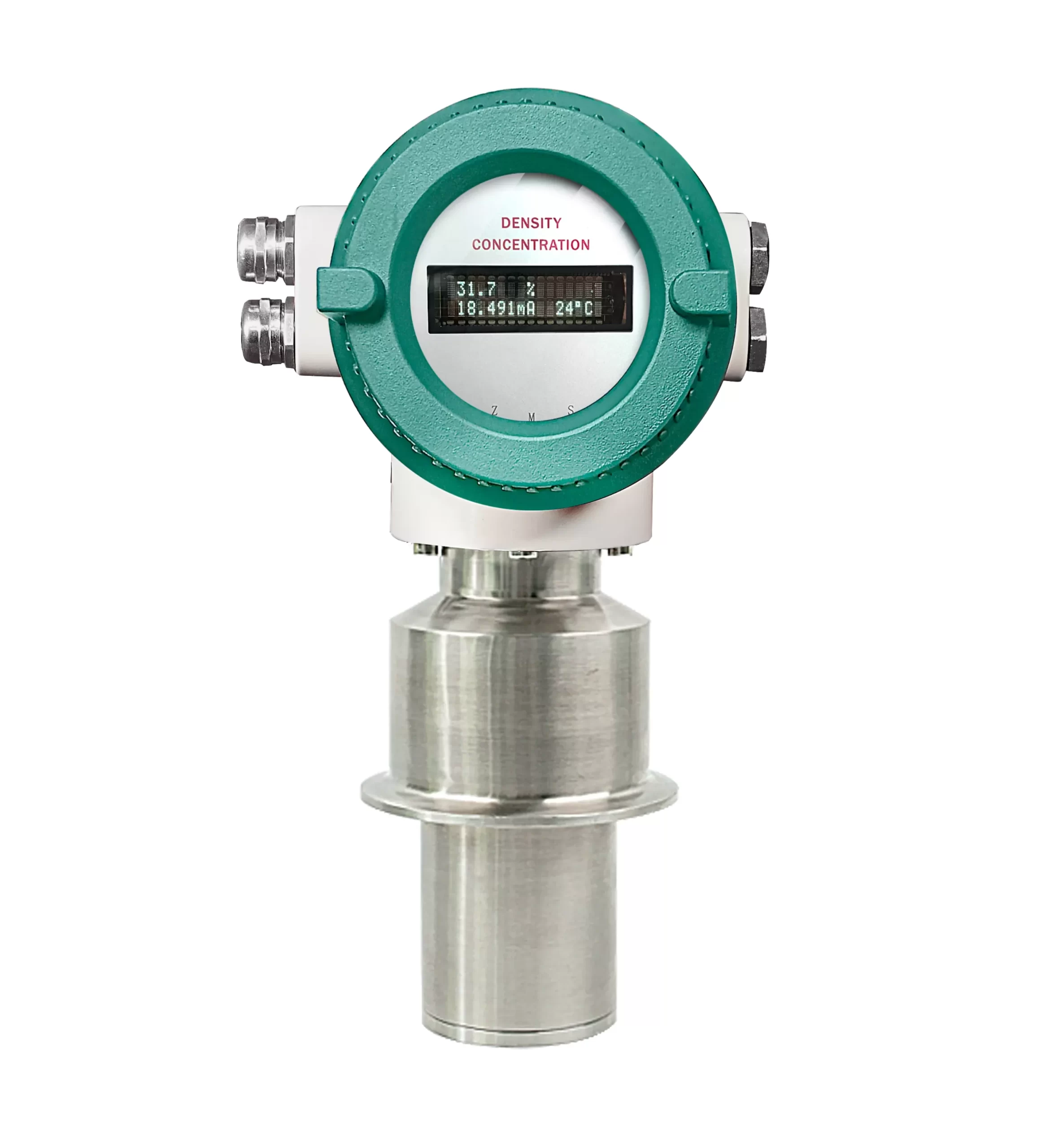
Optical liquid concentration meters calculate concentration values based on the different refractive indices of media with varying concentrations. They utilize the diffusion characteristics of light spectra in liquids, sampling through a high-resolution spectral sensor, and analyzing the data using software to determine the concentration patterns. Temperature compensation is then applied to measure the concentration of various liquids or liquid mixtures.
This is one of the most commonly used liquid density technologies in laboratory and industrial settings.
By capturing the absorption, refraction, or scattering properties of solutes in solutions, a mathematical model linking optical signal changes to concentration is established.
Features automatic temperature compensation, high precision, excellent stability, and simple installation and operation;
The liquid must possess sufficient transparency.
Suitable for measuring concentrations of ammonia water, urea, sodium hydroxide, sodium sulfate, DMF, and similar substances;
Can be installed in pipelines or on container walls.
Measures liquids with viscosities below 5000 MPa·s.
Technical Specifications
Accuracy
±0.5%
Operating Range
0~100% (20℃), calibrated to a specific range depending on usage
Repeatability
±0.2%
Process Temperature Influence (Corrected)
±0.001% (per℃)
Process Pressure Influence (Corrected)
Negligible
Process Temperature
–10℃~+60℃
Ambient Temperature
–10℃~+45℃
Temperature Coefficient
0.1%/m³/℃ (after calibration)
Built-in Temperature Sensor
Temperature chip
Wetted Parts Material
316L, PTFE
Glass
Acid and alkali resistant
House Material
IP65, aluminum alloy
Maximum Operating Pressure
0.8MPa
Test Pressure
Tested at 1.5 times the maximum working pressure
The actual maximum working pressure is limited by the process connection rating.
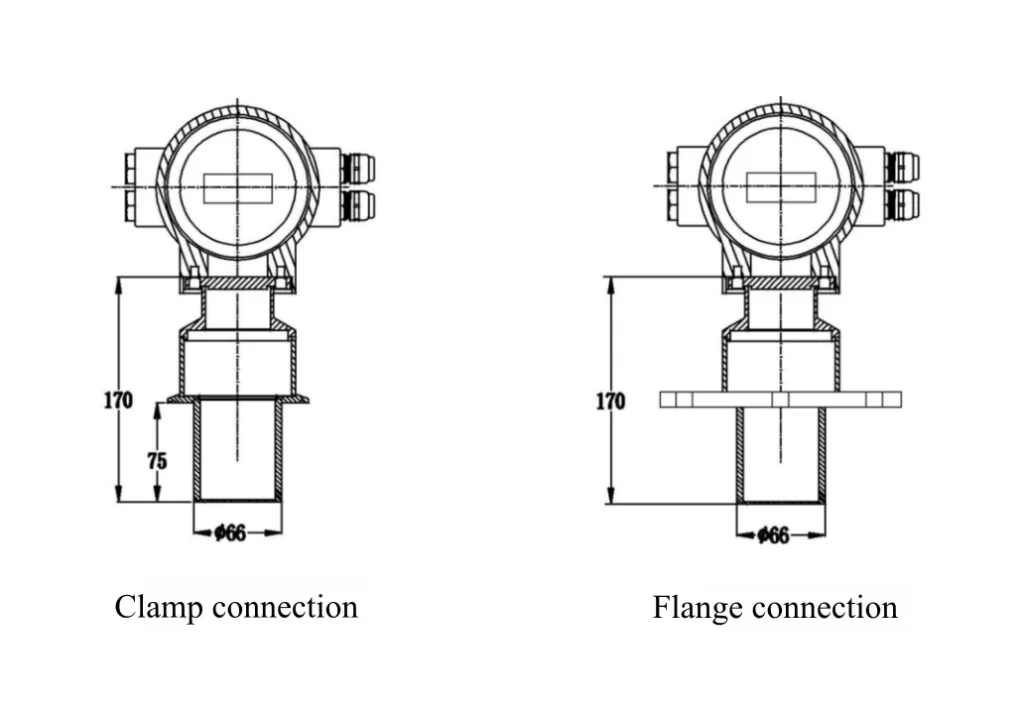
Process connection type
Flange
Clamp
Explosion-proof certification
Ex d ⅡC T6 Gb
Power requirements
24 VDC, 50mA
Output
Four-wire system, 4-20mA
Viscosity range
<5000MPa.s
Liquid and material compatibility:
Type
Name
Molecular formula
concentration(%)
316L
Hastelloy
titanium alloy
zirconium
PTFE
Acids
Hydrochloric acid (excluding hydrofluoric acid)
HCI
0-40
×
○
×
☆
☆
Sulfuric acid
H2SO4
0-50
○
☆
○
☆
☆
H2SO4
50-75
×
○
×
○
☆
H2SO4
75-98
○
☆
○
○
☆
Nitric acid
HNO3
0-100
○
○
○
○
☆
Phosphoric acid
H3PO4
0-98
×
×
×
×
☆
Bases
Sodium hydroxide
NaOH
0-50
☆
☆
☆
○
☆
Potassium hydroxide
KOH
0-50
☆
☆
☆
○
☆
Calcium hydroxide
Ca(OH)2
0-50
☆
☆
☆
○
☆
Salts
Sodium chloride
NaCl
0-50
×
☆
☆
☆
☆
Ammonium chloride
NH4Cl
0-50
×
☆
☆
☆
☆
Ammonium sulfate
(NH4)2SO4
0-50
×
☆
☆
☆
☆
Others
Urea
(NH2)2CO
0-100
☆
☆
○
☆
☆
Sodium hypochlorite
NaOCI
0-16
×
○
×
☆
☆
Hydrogen peroxide
H2O2
0-90
☆
☆
○
☆
☆
☆Recommended ○Use under specific concentration and temperature limits ×Do not use
Liquid Concentration Meter – Optical Working Principle
Optical concentration meters utilize the diffusion patterns of spectra in liquids. High-resolution spectral sensors sample the light, and software analyzes and processes the data to determine concentration patterns. Temperature compensation is then applied to measure the concentration of various liquids or liquid mixtures.
An optical concentration meter consists of a transmitter and a sensor. The sensor can be easily installed in pools, drains, pressure pipelines, or natural water bodies. It automatically compensates for interference caused by contamination. The sensor has an air-cleaning function that automatically cleans itself at preset times, reducing maintenance workload.
The light emitted from the transmitter on the sensor is absorbed, reflected, and scattered by the analyte during transmission, with only a small portion reaching the detector. The transmittance of the transmitted light is related to the concentration of the wastewater being measured; therefore, measuring the transmittance allows calculation of the wastewater concentration.
Four-beam technology uses two detectors and two transmitters. The light emitted from the transmitter is transmitted and reaches the two detectors. This series of optical paths forms a data matrix. Analyzing these data signals reveals the concentration of suspended solids in the medium. It also effectively avoids interference and compensates for deviations caused by contamination. The instrument can operate even in harsh environments.
Media restrictions
Bubbles, Flow Velocity
Maximum Liquid Viscosity
Particles
Transparent
Trace particles
Transparent, pure liquid
Minimal bubbles
5000MPa.s
Flow velocity > 1.5 m/s
Featured Applications
The petrochemical industry can be widely applied to testing in petroleum, refining, and blending operations;
The food industry for production sites processing grape juice, tomato juice, fructose syrup, vegetable oils, and soft drinks;
Dairy industry;
Paper industry;
Measurement of black liquor, green liquor, white liquor, and alkali solutions;
Chemical industry: measurement of urea, detergents, ethylene glycol, acids/bases, and polymer density;
Textile dyeing industry: measurement of ammonia water concentration;
De-NOx industry: measuring ammonia water concentration (0~30%);
What Is a Density Meter? We are discussing industrial density meters here, not laboratory densitometers. Industrial density meters are devices specifically designed to measure fluid density, performing real-time online density detection and displaying data such as density and temperature. They also support outputs of 4-20 mA, 0-1000Hz, RS485 Modbus RTU, HART, and other signals, facilitating … Read more
A power plant uses lime slurry as a desulfurizer. Gypsum or calcium sulfate is formed by reacting with sulfur dioxide in the flue gas. Thus, the purification and emission control of harmful gases in exhaust gas can be achieved. Measuring the density (concentration) of lime slurry is to ensure that the appropriate amount of desulfurizer … Read more
Online optical concentration meters are specifically designed for measuring the concentration—density— of liquids. They are commonly used to measure the concentration of chemical liquids such as ammonia, urea, cleaning agents, ethylene glycol, and acid/alkali solutions.
We at Sino-Inst supply various types of concentration meters and densitometers, and support customized measurement parameters. Please feel free to contact our sales engineers!
Zhang Wei, possesses 20 years of experience as an automation instrumentation engineer, specializing in the research, design, installation, commissioning, and maintenance of automation instruments.
Face to various instrument communication protocols (such as Modbus, Profibus, etc.), with solid hardware circuit design and software programming skills (proficient in C language and PLC programming). Has extensive project experience; projects he has led and participated in have all achieved outstanding results, improving product accuracy, reducing costs, and increasing production efficiency.
Possesses excellent communication and coordination skills and a strong team spirit, enabling him to quickly respond to customer needs and provide high-quality automation instrumentation solutions.
Liquid Concentration Meter - Optical Principle - Sino-Inst
Optical liquid concentration meters calculate concentration values based on the different refractive indices of media with varying concentrations. They utilize the diffusion characteristics of light spectra in liquids, sampling through a high-resolution spectral sensor, and analyzing the data using software to determine the concentration patterns. Temperature compensation is then applied to measure the concentration of various liquids or liquid mixtures.
Product SKU: Liquid Concentration Meter - Optical Principle