
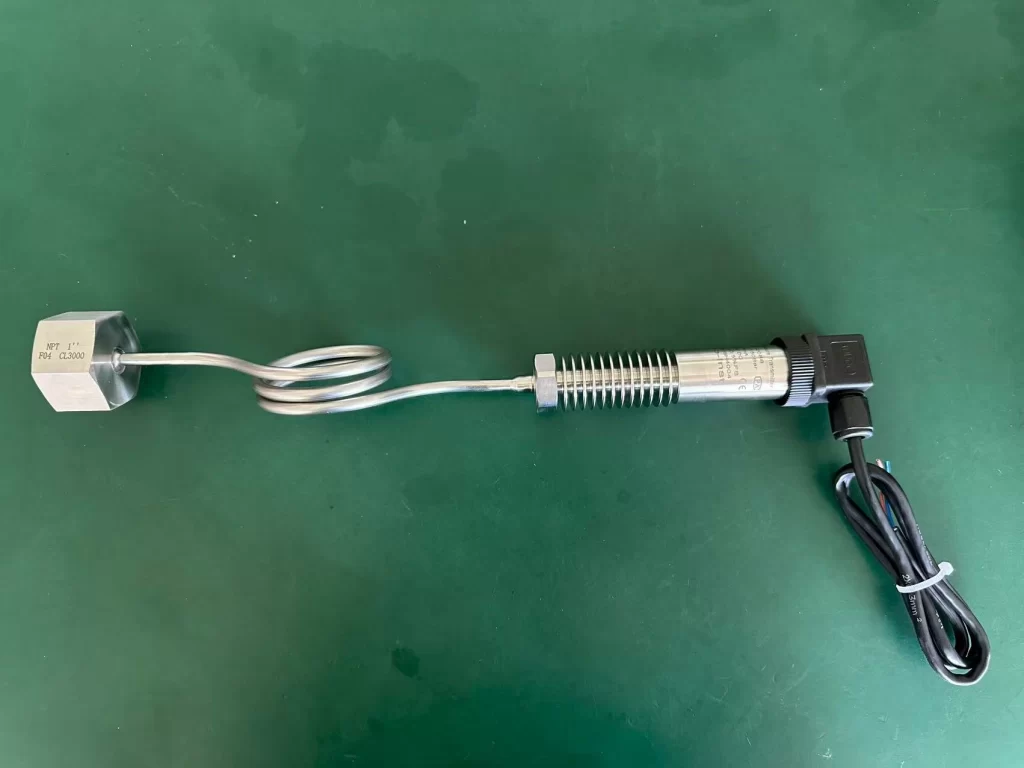
Pressure measurement is often a highly challenging task in many industrial environments. Extremely high-temperature media are commonplace in fields such as aerospace, energy, and chemicals. High-temperature measurements are particularly difficult for electronic components. Because they are typically poorly heat-resistant, high temperature pressure transducers are crucial.
Sino-inst specializes in designing and manufacturing advanced pressure measurement solutions. This article will provide a detailed explanation of high-temperature pressure transducers, their operating principles, and related high-pressure measurement equipment.
High Temperature Pressure Transducer
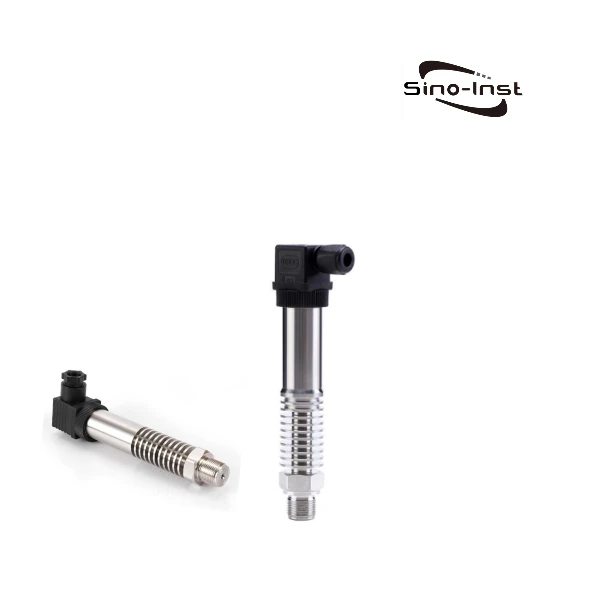
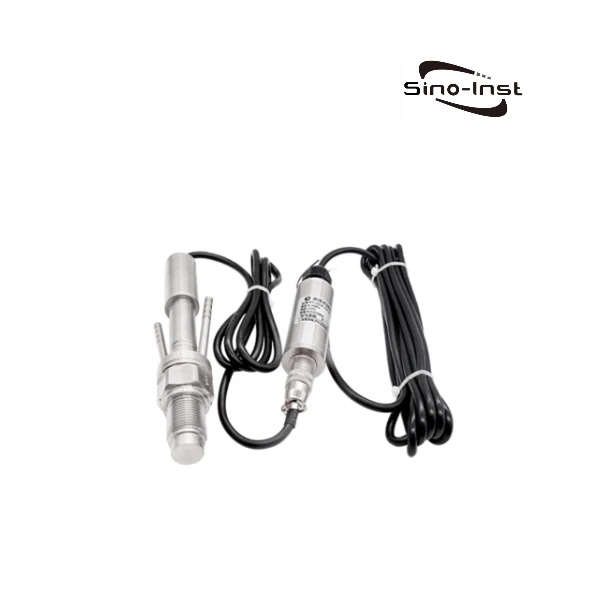
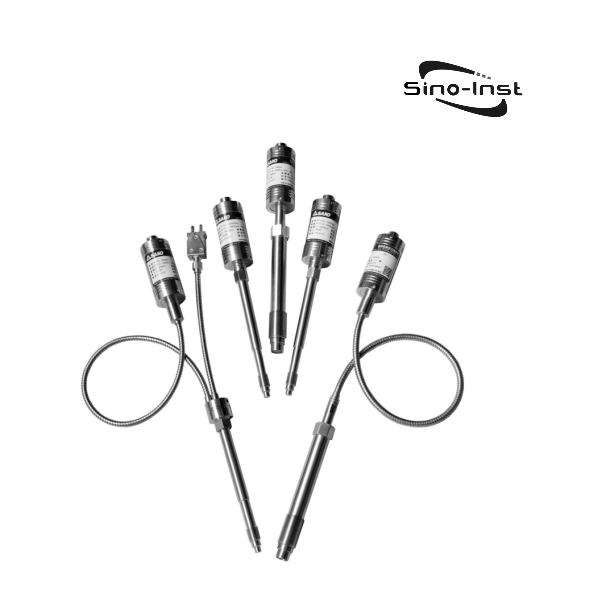
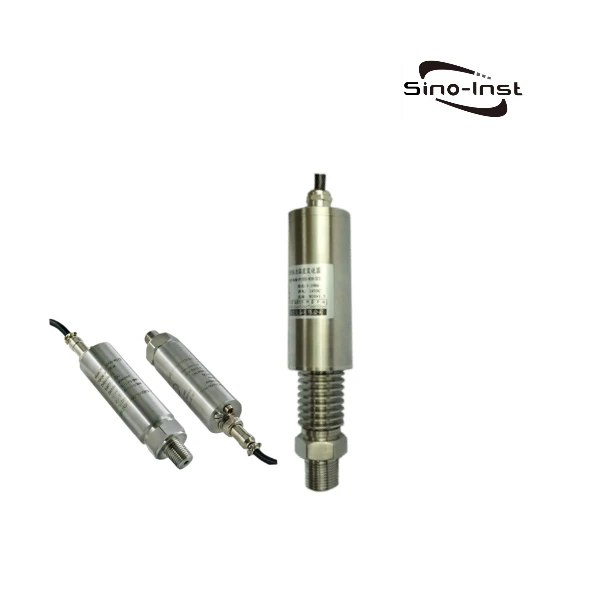
High-temperature pressure transmitters are instruments that stably measure the pressure of high-temperature media. They are specifically designed for measuring the pressure of high-temperature gases, steam, and liquids. High-temperature pressure sensors utilize special materials such as stainless steel and thin-film technology.
High-temperature pressure sensors generally do not contain electronic components. Therefore, they have higher heat resistance than ordinary pressure sensors. Depending on the specific model, the rated operating temperature of these devices is typically from room temperature to 343°C. High-quality high-temperature pressure sensors provide stable measurement results at high temperatures.
With heat sinks, high-temperature pressure sensors can withstand high pressures ranging from 300°C to 500°C to 800°C to 1200°C. The maximum pressure can reach 14503.8 psig (100 MPa). Our high-temperature pressure sensors are available in mV, 4-20 mA, 0-10 VDC, or 0-5 VDC output configurations. HART protocol and RS485 communication are also optional.
Ambient temperature of high temperature pressure transducer
Although high-temperature pressure transducers can measure the pressure of high-temperature media, the main body of the transducer cannot operate in high-temperature environments. This is because it contains circuit boards, cables, and other components. These materials typically only function at ambient temperatures below 85°C; otherwise, they will melt. Therefore, ambient temperature is also crucial.
Thus, ambient temperature is an important consideration when handling high-temperature processes or environments. In high-temperature applications, pressure transducers with built-in cooling mechanisms can be used.
This cooling mechanism typically conducts heat and dissipates it into the air. Therefore, the ambient air temperature must be lower than the process temperature.
How Do High Temperature Pressure Transducer Work?
The working principle of high-temperature pressure transducers is similar to that of standard pressure sensors.
Both convert pressure into an electrical signal. Fluid pressure causes a metal diaphragm to deform. Strain gauges or piezoelectric materials detect this deformation. And they convert this mechanical change into a precise electrical signal. Then, the electrical signal is regulated to a standard output (4-20mA).
However, the real difference between high-temperature pressure transducers and standard pressure sensors lies in their heat dissipation methods. Standard transducers lack reliable thermal isolation, resulting in a lower operating temperature range.
High-temperature transducers typically employ thermal pads or heat sinks. The materials used for the sensor and housing are carefully designed to ensure heat resistance. Stainless steel and other alloys are commonly used to withstand pressure and temperature stresses.
Ampification
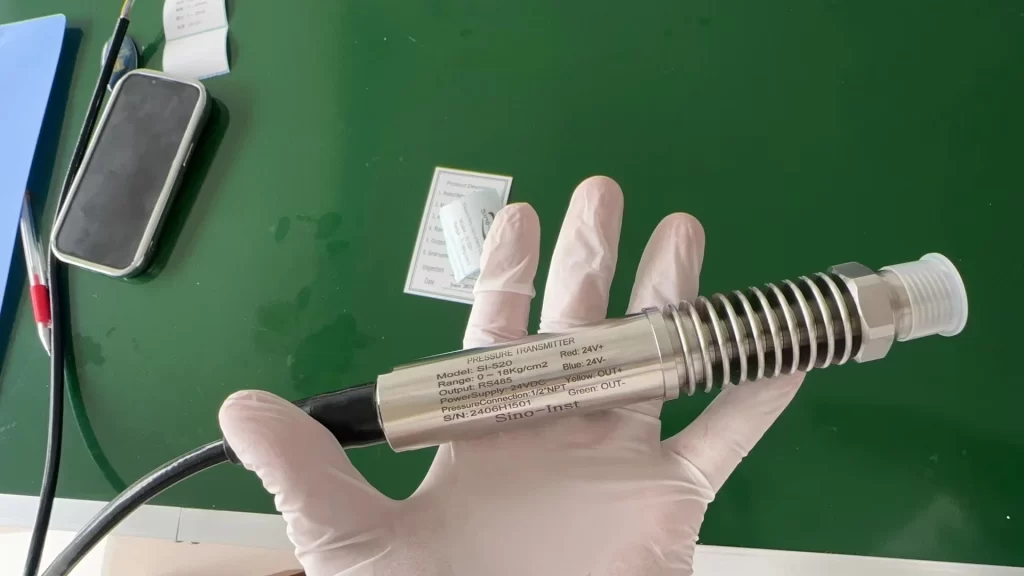
Why mention an amplifier? Because high-temperature pressure sensors provide millivolt-level outputs. This means an external amplifier is needed to convert it into a 4-20 mA or 0-10V signal. The requirement for an external amplifier also increases the system cost.
The amplifier is an indispensable part of a high-temperature pressure transducer. Typically, the amplifier works in conjunction with linearization circuitry. More advanced amplifiers/transducers employ temperature compensation to counteract the inherent drift of the sensor.
Cooling Element
High temperatures can cause material expansion, zero-point drift, and electronic component failure. Therefore, a heat sink is needed between the medium and the transducer.
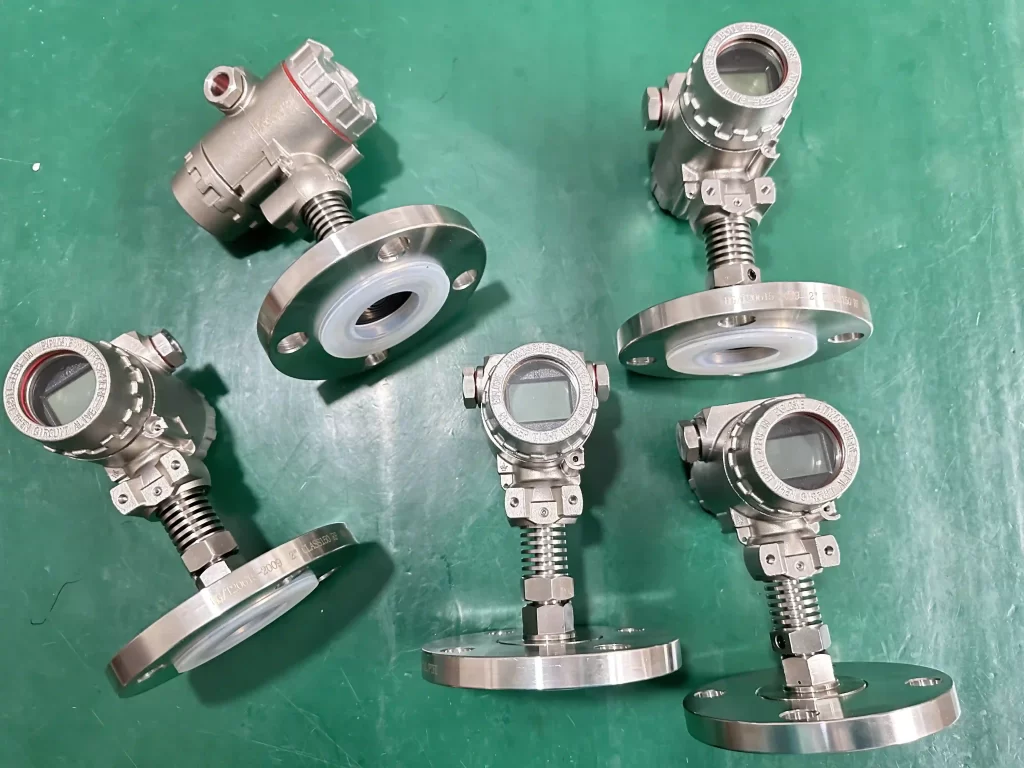
Heat sinks are commonly used cooling elements. They are sheet-like objects made of metal and are typically used in radiators, fans, and other similar devices. Heat sinks have many small wing-like structures that effectively increase their surface area.
The working principle of a heat sink is based on the principles of heat transfer. In pressure transmitters, the main function of the heat sink is to dissipate the generated heat to the external environment.
Heat sinks are usually made of stainless steel to enhance corrosion resistance. If the ambient temperature is high, they can sometimes heat extremely cold media. They can be used with oils. However, they are not suitable for media containing impurities or particles, as they can easily clog the pressure taps.
Where Are High Temperature Pressure Transducer Used?
Pressure measurement plays a central role in many applications. Sometimes, the temperatures in these applications exceed the operating range of pressure instruments. Standard transducers cannot reliably handle temperatures above 125°C (250°F). This is where high-temperature pressure transducers come in.
High-temperature transmitters utilize special materials and designs to accurately measure pressure at extreme temperatures. The key is ensuring the process temperature is cooled before reaching the pressure measuring device. This is typically achieved through two methods: heat sinks and isolation piping.
High-temperature pressure transducers are widely used for pressure measurement in extreme high-temperature environments. This is crucial for monitoring boilers, turbines, engines, reactors, and pipelines.
They are also used in scenarios where standard sensors cannot function properly. Such as monitoring steam, molten materials, high-temperature fluids, and combustion chambers.
High Temperature Pressure Transducer and Cooling Element: A Clear Comparison
| Feature | High-Temperature Sensor | Cooling Element |
| Working Principle | High-temperature pressure sensors convert pressure into electrical signals. | Heat sinks are typically based on the principle of convection heat transfer. |
| Medium Temperature Range | It can measure media from 150°C to above 760°C. | It can measure from -120°C to 350°C. The specific range depends on the media and application. |
| Material | Heat-resistant materials and built-in insulation. | Materials such as stainless steel. |
| Cost | High | Low |
| Advantages | Direct measurement, robust and durable.Suitable for media that cannot be cooled. | cost-effective method for high-temperature environments. Low installation cost. |
| Applications | Extremely high temperatures.Applications requiring direct measurement. | Air, steam, or water environment. |
Choosing the Right High Temperature Pressure Transducer
When selecting a high-temperature pressure transducer, the following should be considered:
- Medium and ambient temperature
- Pressure range
- Medium compatibility
- Materials and structure
- Environment and output type
- Accuracy and stability
By carefully evaluating these factors, you can find the right high-temperature pressure sensor. Our team at Sino-inst is ready to help you meet these requirements and find a solution suitable for your application.
More Cases and Technical Support
High-temperature pressure transducers are the most common solution for pressure measurement in high-temperature environments. Using heat sinks to reduce temperature is also a better option. Pressure transducers can accurately measure high-pressure media for extended periods. They are commonly used for pressure measurement of high-temperature media.
Sino-Inst manufactures and supplies a full range of pressure sensors. We offer various models and can tailor solutions to the specific needs of different applications. This includes not only high-temperature pressure sensors, but also low-temperature sensors, sensors with special threads, and sensors made of special materials.
If you need to purchase high-temperature pressure transducers or have related technical questions, please contact our engineers!

Wu Peng, born in 1980, is a highly respected and accomplished male engineer with extensive experience in the field of automation. With over 20 years of industry experience, Wu has made significant contributions to both academia and engineering projects.
Throughout his career, Wu Peng has participated in numerous national and international engineering projects. Some of his most notable projects include the development of an intelligent control system for oil refineries, the design of a cutting-edge distributed control system for petrochemical plants, and the optimization of control algorithms for natural gas pipelines.