
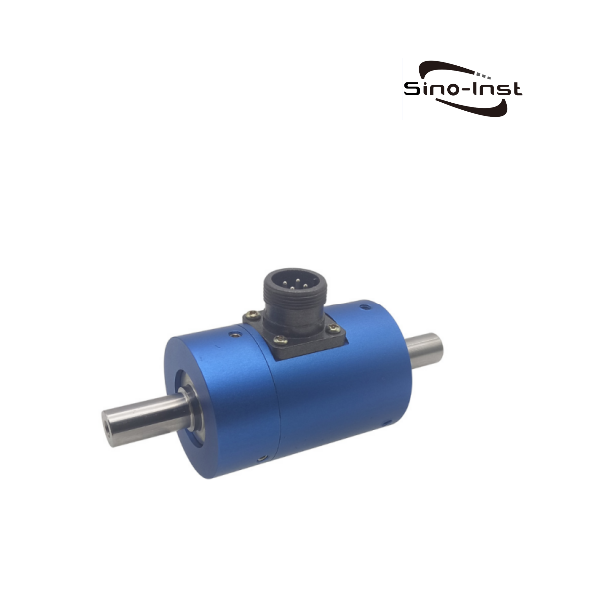
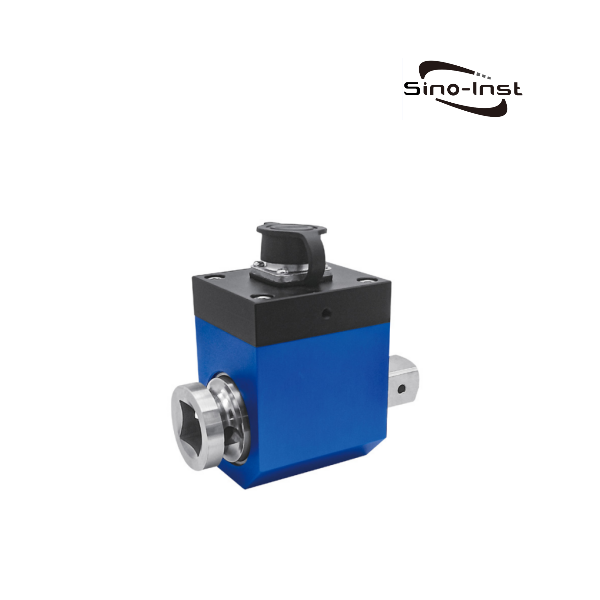
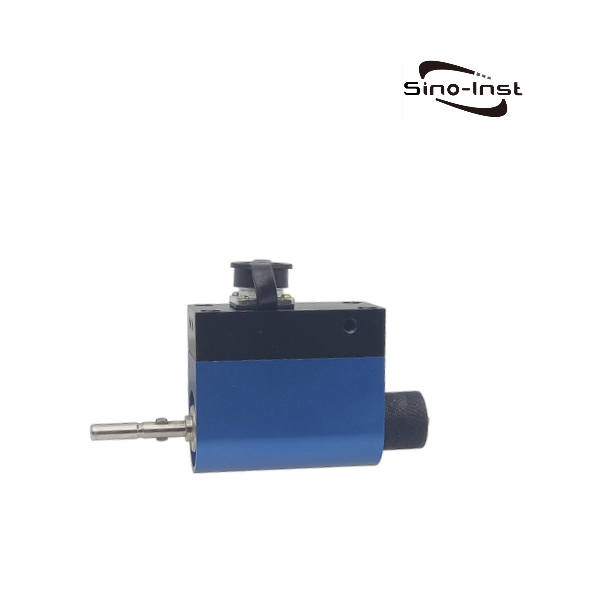
CL1-12 Shaft-to-Shaft Reaction Torque Sensor is suitable for small-range torque testing machines, torque wrenches, valves, mixers, etc., with a rotation torque less than 360 degrees.
- An integrated product consisting of a strain gauge sensitive element and an integrated circuit;
- High precision, stable and reliable performance;
- Low-range torque measurement, easy to install and use;
- Stainless steel shaft.
- Suitable for static torque measurement, 0-0.1,5Nm.
CL1-12 Shaft-to-Shaft Reaction Torque Sensor Technical Parameters
| Range: | 0~0.1, 0.2, 0.3, 0.5, 1, 2, 3, 5Nm | Frequency: | 100μS |
| Output: | 0.1-0.2Nm … 0.6 mV/V±10%F.S. 0.3-0.8Nm … 0.8 mV/V±10%F.S. 1-3Nm …1.3mV/V±10%F.S. | Insulation resistance: | ≥5000MΩ/ 100VDC |
| Zero output: | ±1% F.S. | Working voltage: | 10VDC(9-15VDC) |
| Non-linearity: | ±0.1,0.3% F.S. | Compensation temperature: | -10 ~ 60℃ |
| Hysteresis: | ≤±0.05% F.S. | Working temperature: | -20 ~ 65℃ |
| Repeatability: | ≤±0.05% F.S | Safe overload: | 150% F.S. |
| Creep: | ≤±0.03% F.S/30min | Ultimate overload: | 200% F.S. |
| Temperature effect on sensitivity. | 0.03% F.S. / 10℃ | Wire: | Ø5.2×3m |
| Temperature effect on zero: | 0.03% F.S. / 10℃ | Electronic connection: | Red/E+, Black/E-, Green/S+, White/S- |
| Input resistance: | 350, 750±10Ω | Material: | Aluminum alloy, stainless steel or alloy steel |
| Output resistance: | 350, 700±5Ω | Other | Customized (according to customer needs) |
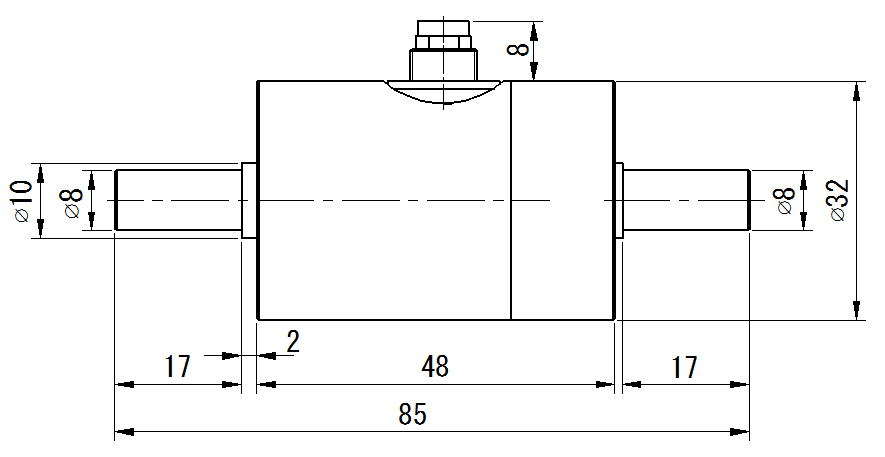
Dimensions
what is reaction torque?
When an object can no longer rotate, a reaction torque is generated. This usually occurs after the tool has completed the tightening of the fastener, and the tool will generate a reaction force. For example, a torque wrench is used to detect the tightness of the nut. After the tightened bolt stops, the maximum torque achieved by continuing to overcome static friction in the tightening direction is called static torque.
More Torque Sensors and Solutions
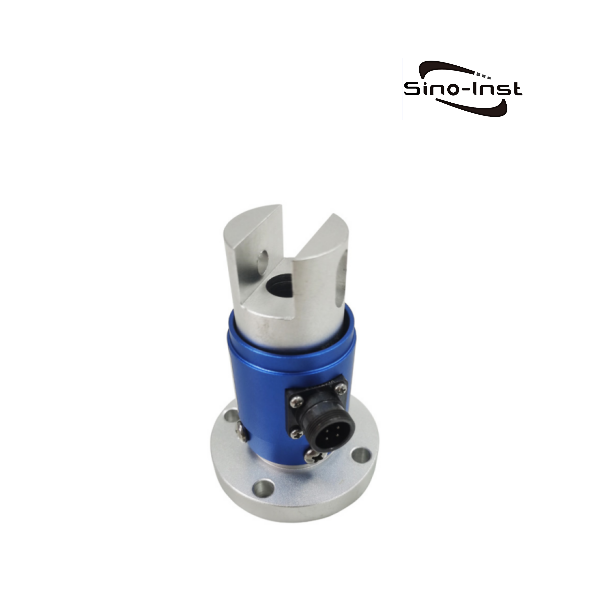
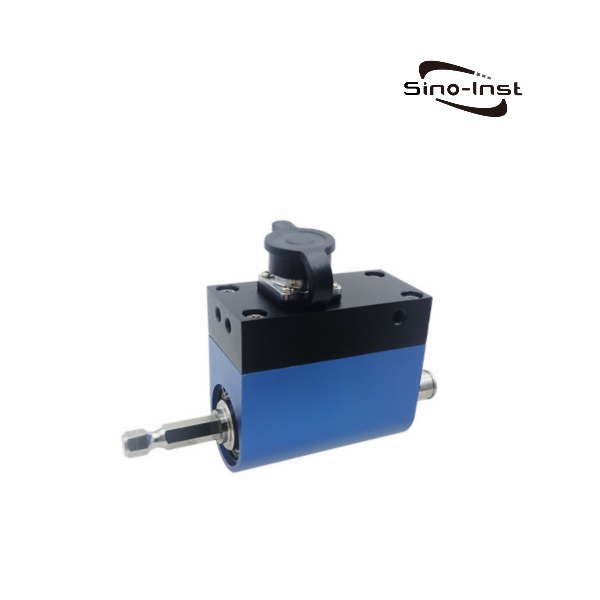
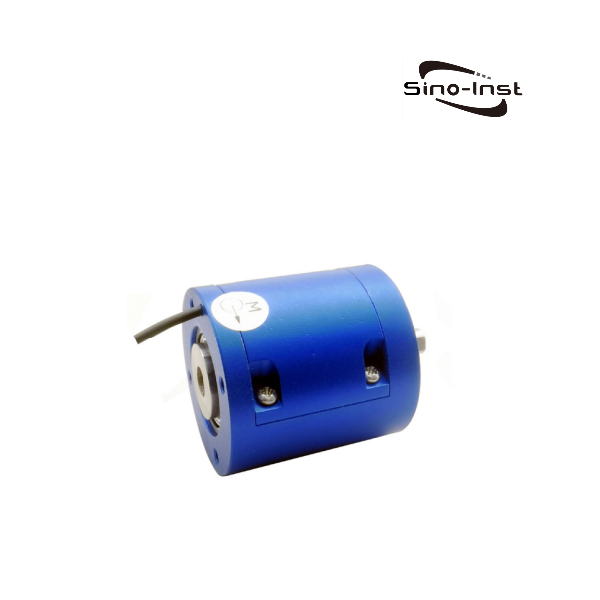
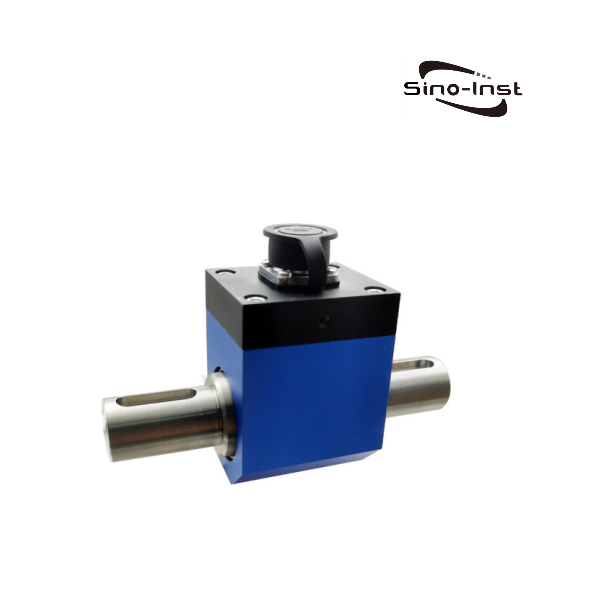
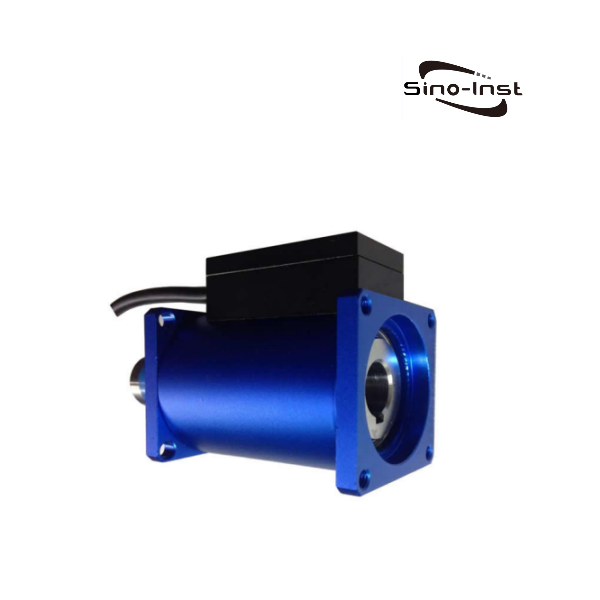
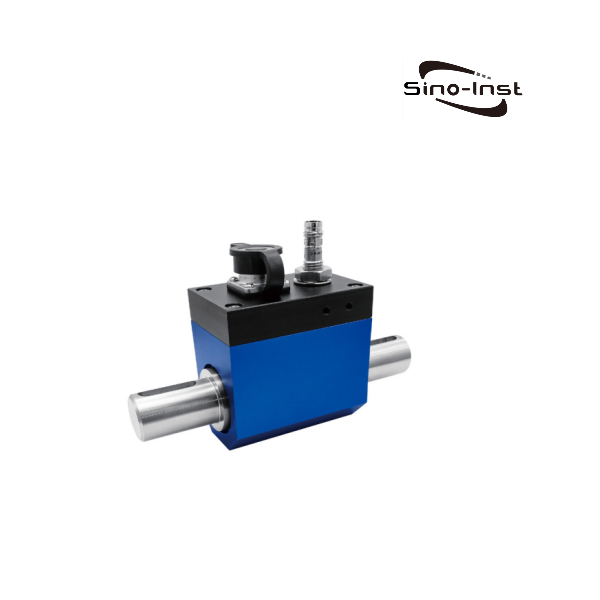
Shaft-to-Shaft Reaction Torque Sensors are widely used in various fields, such as machinery manufacturing, aerospace, automotive, chemical, oil and gas industries. They are used to measure the torque of rotating machinery. For example, engines, drive shafts, wind turbines, etc.
In the aerospace field, reaction torque sensors are used to test the torque of aircraft landing gear and rudders. In the chemical, oil and gas fields, reaction torque sensors are used to measure the torque of pipes and valves.
Sino-Inst has been focusing on sensors and measurements for many years and can provide customers with a variety of competitive sensors and solutions. Especially in the measurement of pressure, flow, force and torque. If you want to learn about related products, please contact us.

Wu Peng, born in 1980, is a highly respected and accomplished male engineer with extensive experience in the field of automation. With over 20 years of industry experience, Wu has made significant contributions to both academia and engineering projects.
Throughout his career, Wu Peng has participated in numerous national and international engineering projects. Some of his most notable projects include the development of an intelligent control system for oil refineries, the design of a cutting-edge distributed control system for petrochemical plants, and the optimization of control algorithms for natural gas pipelines.
CL1-12 Shaft-to-Shaft Reaction Torque Sensor | Sino-Inst
CL1-12 Shaft-to-Shaft Reaction Torque Sensor is suitable for small-range torque testing machines, torque wrenches, valves, mixers, etc., with a rotation torque less than 360 degrees.
Product SKU: CL1-12 Shaft-to-Shaft Reaction Torque Sensor
Product Brand: Sino-Inst
Product Currency: USD
Price Valid Until: 2029-09-09
Product In-Stock: InStock
5