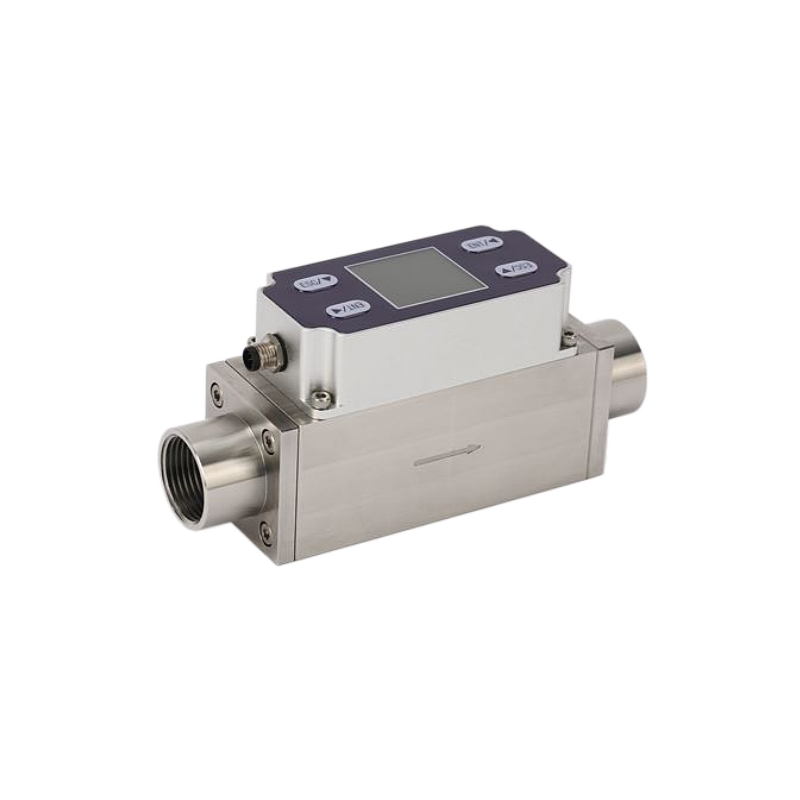
Thermal Gas Mass Flow Meters

Sino-Inst manufactures and sells high-quality thermal mass flow meters that can directly measure the mass flow rate and volumetric flow rate of air and other dry gases.

Thermal mass flow meters are based on the principle of thermal diffusion and accurately measure gases using the isothermal difference method. They measure the fluid’s mass flow rate by utilizing the temperature field change generated when a fluid flows through a pipe heated by an external heat source, or by using the relationship between the energy required to heat the fluid to a certain temperature rise and the fluid’s mass.

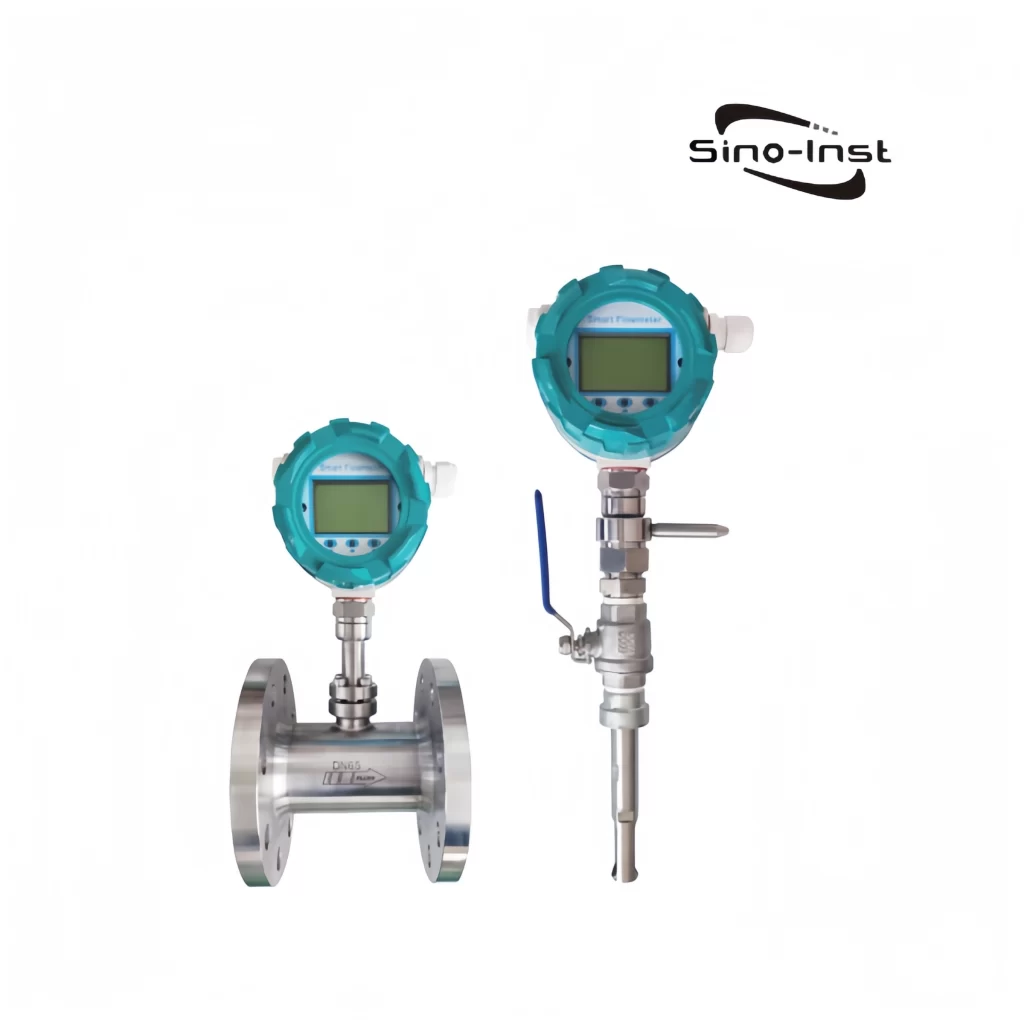
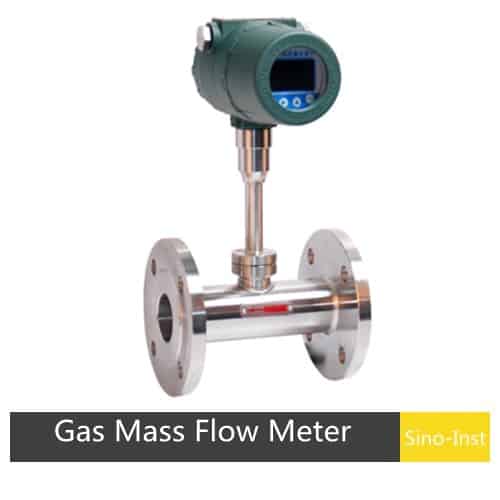
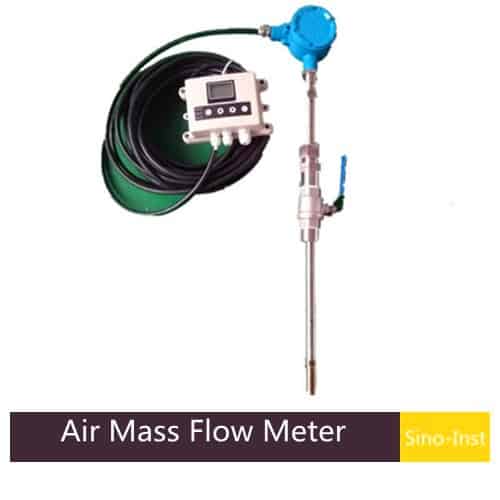
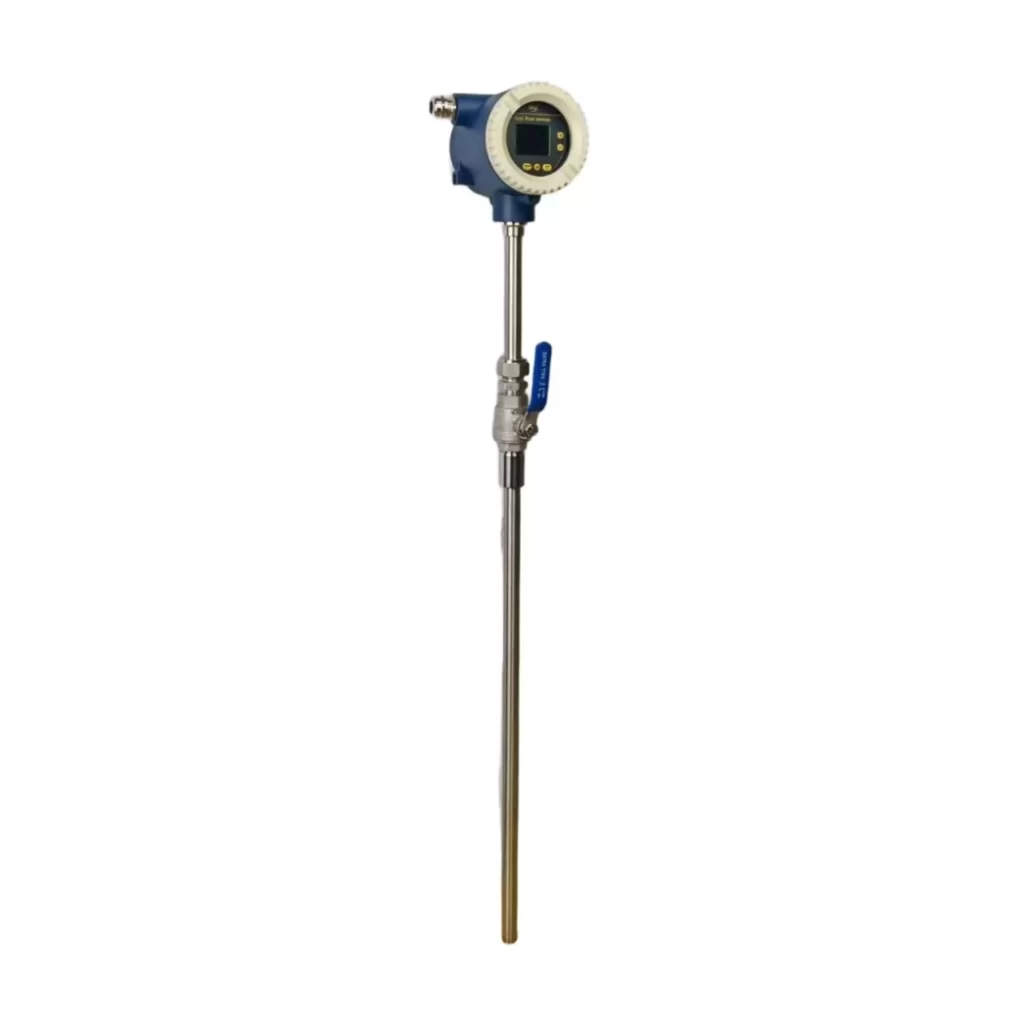
We, Sino-Inst, supply inline thermal mass flow meters and insertion thermal mass flow meters.

Featured Thermal Gas Mass Flow Meters

Data Sheet


FAQ

A thermal mass flow meter is a flow measurement instrument based on the principle of heat diffusion. It calculates the mass flow rate by measuring the heat carried away by the fluid as it flows.

The working principle of a thermal mass flow meter is based on the principle of heat diffusion, that is, the heat exchange relationship between a fluid and a heat source.

Specifically, a thermal mass flow meter contains two main sensors: a velocity sensor (usually a heater) and a temperature sensor. These two sensors are placed in the gas being measured. The velocity sensor is heated, while the temperature sensor measures the temperature of the gas. As the gas flow rate increases, the heat carried away also increases, causing the temperature sensor’s temperature to drop.

By measuring the linear relationship between the temperature change before and after the temperature sensor reading and the gas mass flow rate through the pipe, the gas mass flow rate can be calculated.

  • Simple construction with a wide range ratio, capable of measuring gas flow rates from 0.5 Nm/s to 100 Nm/s, suitable for gas leak detection;
  • Excellent shock resistance and long service life with low failure rate;
  • The specific heat capacity of gases varies with pressure and temperature, but changes minimally in the vicinity;
  • Easy installation and maintenance; under suitable field conditions, the insertion type allows for installation and maintenance without production interruption.

  • Cannot measure gases exceeding 220°C.
  • Not suitable for high-viscosity gases. High-viscosity gases affect the performance of thermal mass flow meters because the gas’s heat transfer characteristics change.
  • Measurements may vary significantly due to changes in specific heat capacity (cp) and thermal conductivity, leading to errors.
  • Deposits forming on the tube wall from the measured gas can affect readings, posing a risk of blockage.

For dry gases, a thermal mass flow meter is the preferred choice. For unstable media such as acetylene and boron trioxide, a vortex flow meter or similar device can be selected.

A mass flow meter is specifically designed to measure the mass flow rate of a medium. It can output 4-20mA analog signals, as well as RS485 and HART digital signals.

A mass flow controller is mainly used to measure and control the flow rate in pipelines. Based on the measured pipeline flow rate, it adjusts the control flow rate according to the user-set flow rate value.

The common accuracy of thermal mass flow meters is ±1.0% to ±1.5%, while insertion-type thermal mass flow meters have an accuracy of ±2.5%.

The calibration process typically involves the following steps:

  1. Prepare calibration equipment: Calibration equipment includes standard gas flow meters, pressure gauges, etc. This equipment needs to be calibrated and verified beforehand to ensure its accuracy.
  2. Set up the operating environment: Before calibration, the gas flow meter needs to be installed in a stable environment. Ensure the gas temperature and pressure are stable and eliminate any external interference that might affect the measurement results.
  3. Connect the calibration equipment: Connect the standard gas flow meter to the thermal mass flow meter. The calibration equipment guides the standard gas flow rate into the mass flow meter being calibrated.
  4. Perform calibration: Compare the readings from the calibration equipment with the readings from the mass flow meter being calibrated. The mass flow meter can be calibrated by adjusting the sensor’s output signal to match the readings of the standard gas flow meter.
  5. Verify and record the calibration results: After calibration, the accuracy of the mass flow meter needs to be verified again. Verification is performed using a standard gas flow meter and other calibration equipment to ensure the calibration effect meets requirements. Simultaneously, record the calibration results, including the calibration date, calibration personnel, and calibration equipment, for future tracking and traceability.
  6. Regular Maintenance and Recalibration: Thermal gas mass flow meters require regular maintenance and recalibration to ensure their continued accuracy. The frequency of maintenance and recalibration depends on the instrument’s usage and requirements.

More Technical Support and Solutions

Thermal Mass Flow Meter Technology

Best Technology Guide to Thermal Mass Flow Meters. A thermal mass flowmeter (TMF) is a gas flowmeter designed based on the principles of thermal diffusion or heat conduction. It directly…

Our Sino-Inst thermal gas mass flow meters are true mass flow meters, directly measuring the mass flow rate or standard volumetric flow rate of gases. No temperature or pressure compensation is required, making measurement convenient and accurate.

Thermal gas mass flow meters can measure the flow rate of natural gas, coal gas, liquefied petroleum gas, flare gas, hydrogen, and other gases. They are widely used in steel mills, coking plants, cement plants, glass factories, and other industries.

If you require a customized thermal mass flow meter, please feel free to contact us.

    Request For Quote