Home > Blog > Thermal Dispersion Flow Switches: A Complete Guide
Thermal Dispersion Flow Switches: A Complete Guide
A thermal diffusion flow switch is a flow monitoring device based on the principle of thermal diffusion. It offers superior performance and reliability. Thermal diffusion flow switches have no moving parts. They are durable, have low maintenance costs, and are highly reliable.
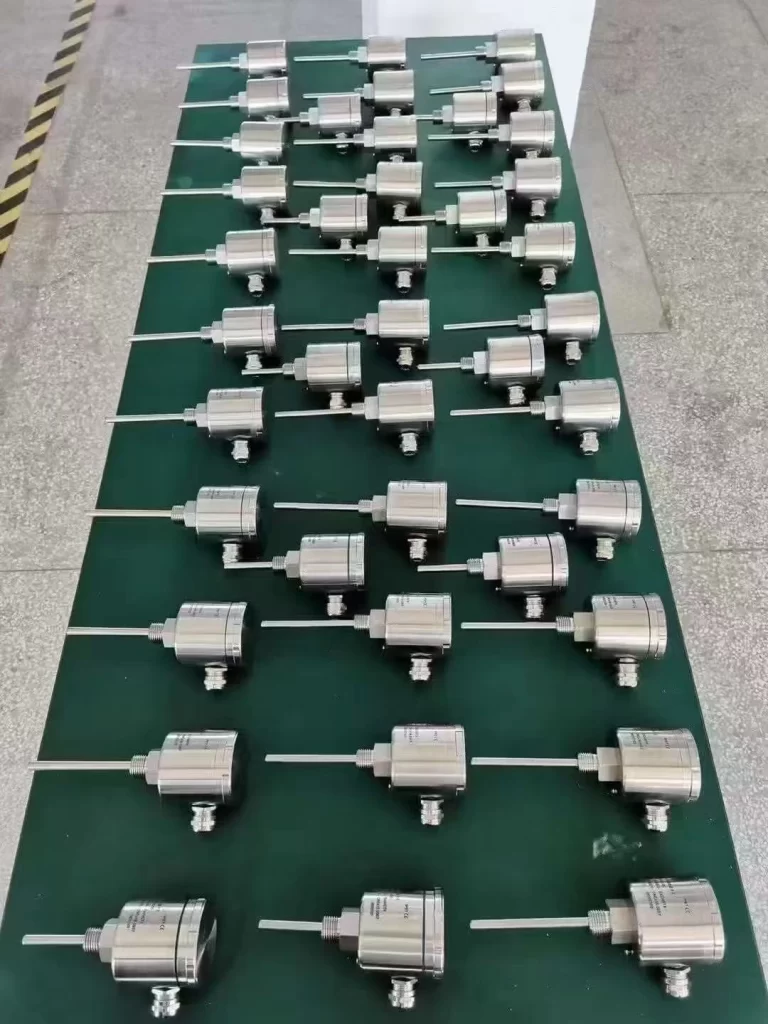
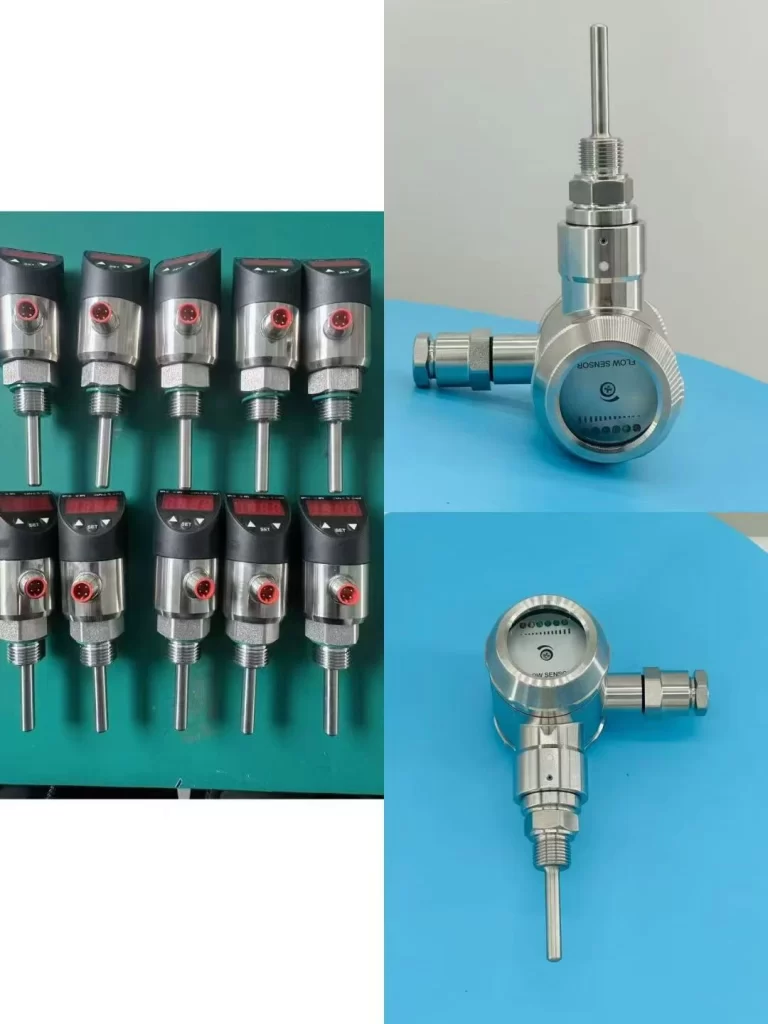
We, Sino-inst, offer the SI-300C and SI-600 series of thermal diffusion flow switches. They can output PNP, NPN, relay, and normally open + normally closed (SPDT) signals. This article will provide a detailed overview of thermal diffusion flow switches.
Thermal diffusion is a technique for measuring fluid flow rate using heat transfer. Its principle is based on the cooling effect of the measuring fluid on a heated sensor. The thermal diffusion principle is commonly used in airflow and HVAC systems, industrial processes, flow switches, and controllers.
The heated sensor element transfers heat to the fluid. The amount of heat loss is proportional to the fluid’s mass flow rate. We can measure the temperature difference between the heated sensor and a reference sensor. This allows us to calculate the fluid’s velocity or mass flow rate.
What is a thermal dispersion flow switch?
Thermal flow switches and thermal diffusion flow switches refer to the same technology. They both operate on the principle of “thermal diffusion.”
A thermal flow switch is a device used to monitor and control the flow rate of liquids in pipelines. A thermal diffusion flow switch is a specific type of thermal flow switch. Essentially, all thermal diffusion flow switches are thermal flow switches. However, not all thermal flow switches are thermal diffusion type.
Thermal diffusion flow switches detect the flow rate of liquids or gases using the principle of thermal diffusion. Thermal flow switches typically feature no moving parts, require no maintenance, and have a compact structure. They are widely used in industries such as petrochemicals, power generation, and metallurgy.
The difference between thermal mass flow meters and thermal flow switches
Thermal mass flow meters and thermal flow switches operate on similar principles, but they are not the same.
A thermal mass flow meter provides continuous, real-time measurement of mass flow rate. A thermal flow switch is a simple on/off device. It only triggers an alarm or action when the flow rate exceeds a preset threshold.
Feature
Thermal Mass Flow Meter
Thermal Flow Switch
Function
Continuously and accurately measure mass flow rate.
Detect and signal when the flow rate exceeds a preset threshold.
Output
Provides continuous output signals.
Provides simple on/off signals or digital signals.
Complexity
More complex. Thermal mass flow meters need to calculate the flow rate based on the thermodynamic properties of the fluid.
Simpler. Thermal flow switches only need to determine whether specific conditions are met.
Measurement Capability
It can accurately measure flow rate within a certain range even at extremely low flow rates.
It does not measure flow rate; it only indicates whether the flow rate is higher or lower than the set value.
Application
Real-time process control, monitoring, and data acquisition requiring precise flow rates.
Simple alarm systems, pump protection, or triggering of process start/stop.
Thermal flow switch working principle
A heat flow switch works by measuring the cooling effect of a flowing fluid on a heated probe. It typically uses two temperature sensors:
one is a heating sensor, and the other is a reference sensor. The heating element inside the heating sensor is usually a platinum resistance thermometer (RTD) or a thermistor. Their temperature is higher than the fluid temperature. The reference sensor only measures the temperature of the surrounding fluid.
When fluid flows, the heating sensor cools down. A temperature difference develops between the two sensors. The higher the flow rate, the stronger the cooling effect, resulting in a smaller temperature difference. When this temperature difference reaches a preset value, the relay is triggered to open or close the circuit.
Common thermal dispersion flow switch
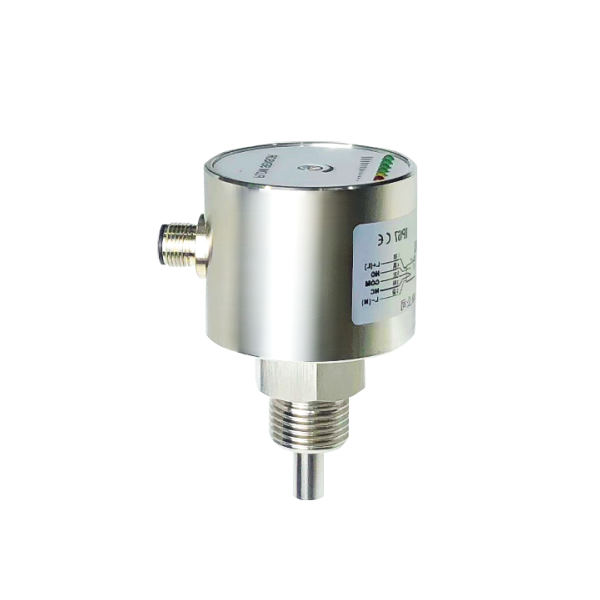
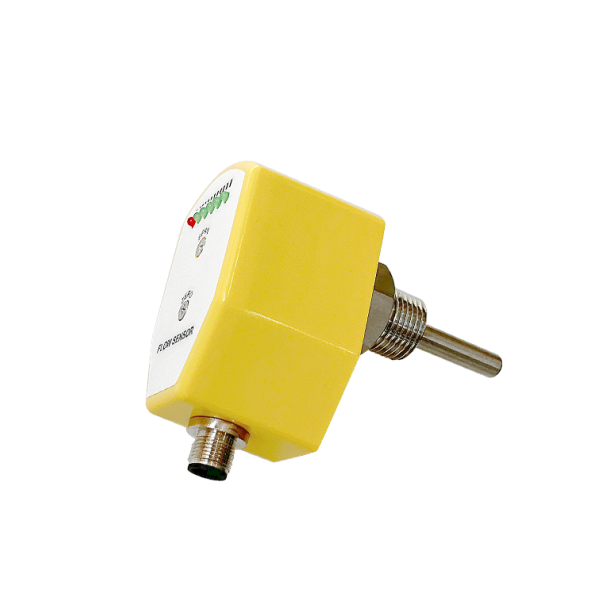
SI-300C Thermal Dispersion Flow Switch
The SI-300C thermal dispersion flow switch operates on the principle of thermal dispersion. It detects changes in flow rate by measuring the rate at which heat dissipates from the fluid.
Its enclosed probe contains two resistors. One acts as the sensing resistor, heated to function as the sensing resistor. The other serves as a reference resistor and is not heated.
When the medium flows, heat is dissipated from the heated resistor, causing a change in resistance. The difference between the two resistors is the basis for determining the flow rate.
Features
The SI-300C thermal diffusion flow switch has no moving parts, making it easy to install.
One model can meet the requirements of various pipe diameters.
The switching value is continuously adjustable.
Extremely low pressure loss.
Compact design.
An LED display shows the flow trend and switching status.
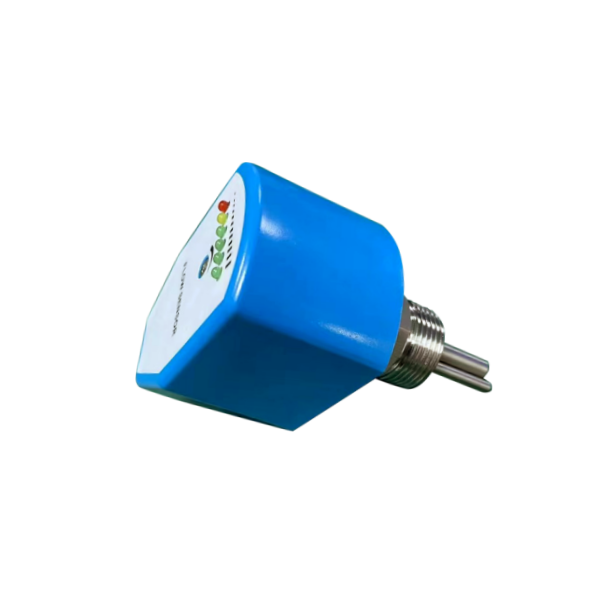
SI-600 Thermal Dispersion Flow Switch
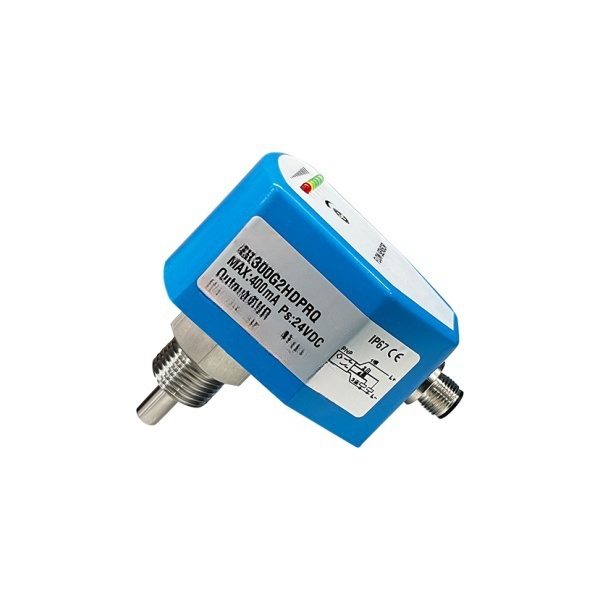
The SI-600 thermal diffusion flow switch also monitors fluid flow rate in pipelines based on thermal principles. It can output PNP, NPN, relay, and normally open + normally closed (SPDT) signals. Suitable for media such as water, oil, and air.
Thermal diffusion flow switches are widely used in petrochemical, food processing, and water treatment applications. They can also be employed in pneumatic and hydraulic systems, circulating water systems, and for dry-running protection of pumps.
Features
Unique conical probe design effectively prevents flow loss caused by entanglement in the medium.
Fully waterproof housing design. Unique waterproof adjustment knob. Adjustable without removing the sealing screws, convenient and reliable.
Suitable for various pipe diameters, adjustable setpoint, and corrosion-resistant type optional.
Pressure resistance up to 100 Bar.
Six LED indicators display fluid flow status in real time.
Thermal diffusion flow switches utilize the heat dissipation of a sensor to detect liquid flow rate. They have no moving parts and are durable. Suitable for a wide variety of liquids, even those containing impurities.
In practical applications, a sensor is heated, and the flow of the liquid cools it. As the flow rate increases, the temperature difference between the heated sensor and the reference sensor decreases. This is then electronically converted into a signal to trigger a relay or alarm.
Use of Thermal Dispersion Flow Switches for Pump Protection
Operating a pump with insufficient liquid flow can lead to excessive wear, component damage, and even shutdown. This increases the costs of replacing parts, repair labor, and lost production.
Many technologies can be applied to pump protection. You can use a flow meter, but flow meters are generally more expensive than flow switches. Mechanical flow switches are another option. We typically choose thermal diffusion flow switches.
Thermal diffusion flow switches protect pumps by detecting low flow conditions when the pump is running dry. This method is highly adaptable to a wide variety of fluids, robust, and can also be used to detect high flow conditions in some applications.
Advantages of thermal dispersion flow switch
Thermal diffusion flow switches offer numerous advantages. They are versatile and suitable for a wide range of liquids and gases, including corrosive and hazardous substances.
Thermal diffusion flow switches deliver precise performance and are highly sensitive to low flow rates. With no moving parts, they offer extended service life and require minimal maintenance.
Thermal dispersion flow switches offer flexible installation, accommodating both horizontal and vertical mounting. They are not restricted by flow direction or alignment. Requiring only a short insertion length into the fluid, they cause minimal pressure drop. Installation remains straightforward even in complex locations or confined spaces.
FAQ
A thermal dispersion flow switch is an electronic device that monitors the flow rate of a liquid or gas by measuring the heat loss of a heated sensor.
A thermal dispersion sensor measures the flow rate or level of a fluid using the principle of heat transfer. Specifically, it measures the rate at which the heated sensor cools in the flowing fluid.
The thermal dispersion method is a technique that uses the principle of heat transfer to measure fluid flow rate. This technique is commonly used in flow measurement and airflow monitoring.
The thermal dispersion method detects flow velocity by measuring the cooling effect of the fluid on a heated sensor. The faster the flow rate, the more heat the fluid carries away. Measuring this heat allows for the calculation of the flow velocity.
The best heat dissipation material depends on the specific application. However, copper and graphite are ideal choices for high-performance heat dissipation. Aluminum is an economical and widely used option.
There are four types of thermal transfer: conduction, convection, radiation, and current.
Common types of thermal switches include bimetallic switches, rod-tube switches, thermoelectric reed switches, and electronic switches.
By Li Rui, Senior Process Engineer at Sino-Inst | Published 2026-03-24. If you’ve ever had an ultrasonic level sensor fail prematurely, there’s a good chance the probe material was wrong for the job. I’ve seen this happen more times than I’d like to admit — a perfectly good sensor, installed in a sulfuric acid tank, … Read more
When purchasing pressure transmitters or flow meters, the sales engineer will usually confirm with you what IP rating you need: IP65, IP67, or IP68? This explanation aims to help you understand the details of IP ratings. Next time you purchase electrical equipment, you’ll know which IP rating to choose. What is an IP rating? First, … Read more
What is Absolute Pressure Transmitter? Absolute pressure transmitters are sensors that measure pressure using absolute vacuum (0 bar) as a reference. They convert the sensed physical pressure value into a standardized electrical signal, such as 4-20 mA or 0-10 V, for processing by control systems or monitoring equipment. They are often called “industrial barometers” or … Read more
In gas flow measurement and control, it is crucial to distinguish between Normal Conditions and Standard Conditions. This is primarily because the volume of gas changes with temperature and pressure. Different standards will result in different measured gas values. This is somewhat similar to the difference between “SCFM (Standard CFM) and ACFM (Actual CFM)“. Characteristics … Read more
SCFM (Standard CFM) and ACFM (Actual CFM) are commonly used units for measuring gas flow rate. For example, in the air compressor industry, they are used to measure airflow and air consumption. So what are the differences between them? How should they be converted? Both SCFM and ACFM are based on CFM. CFM is a … Read more
Thermal Mass Flow Meters and thermal mass flow controllers are suitable for most gaseous media. If a gas mass flow controller or thermal mass flow meter is factory-calibrated for one gas, but you want to switch to another, then a gas correction factor (GCF) is needed. What is Thermal Mass Flow Meter Correction Factor? The … Read more
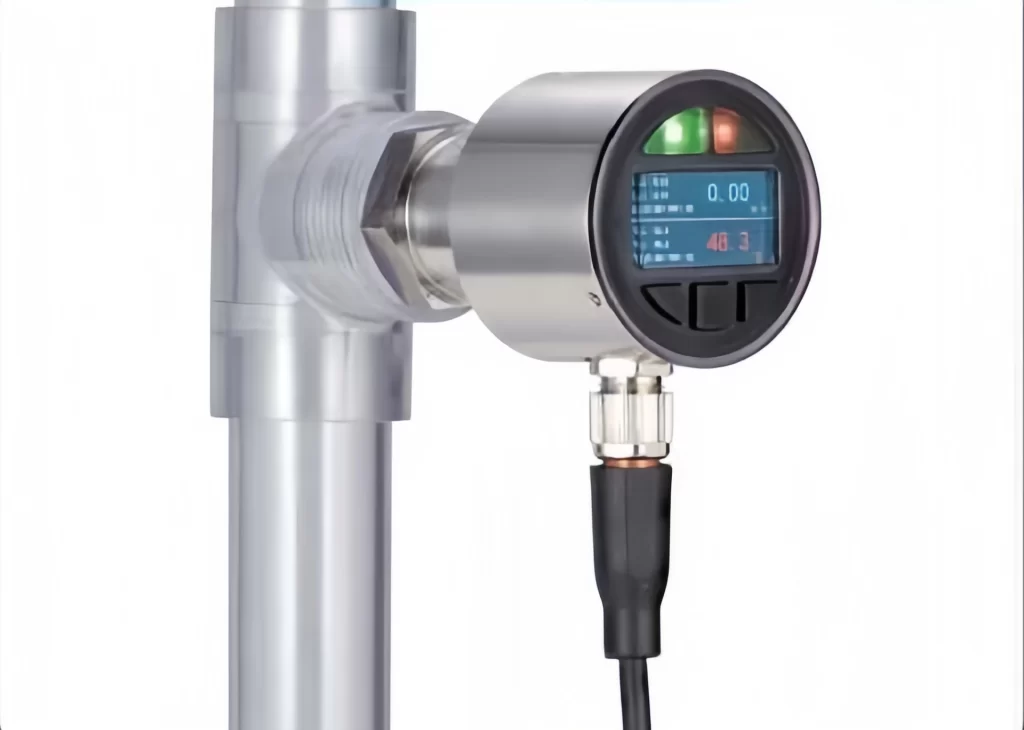
Thermal dispersion flow switches are widely used in industrial environments. Sensor designs vary according to specific application scenarios, including commonly used spherical probes, low-flow probes, and high-temperature/high-pressure probes.
Sino-Inst thermal diffusion flow switches are suitable for various media and operating conditions. Furthermore, this switch supports multiple output signal options, such as PNP, NPN, and relays. You can choose according to your specific needs.
If you need to purchase a flow switch or have any related questions, please feel free to contact our sales engineers.
Zhang Wei, possesses 20 years of experience as an automation instrumentation engineer, specializing in the research, design, installation, commissioning, and maintenance of automation instruments.
Face to various instrument communication protocols (such as Modbus, Profibus, etc.), with solid hardware circuit design and software programming skills (proficient in C language and PLC programming). Has extensive project experience; projects he has led and participated in have all achieved outstanding results, improving product accuracy, reducing costs, and increasing production efficiency.
Possesses excellent communication and coordination skills and a strong team spirit, enabling him to quickly respond to customer needs and provide high-quality automation instrumentation solutions.