
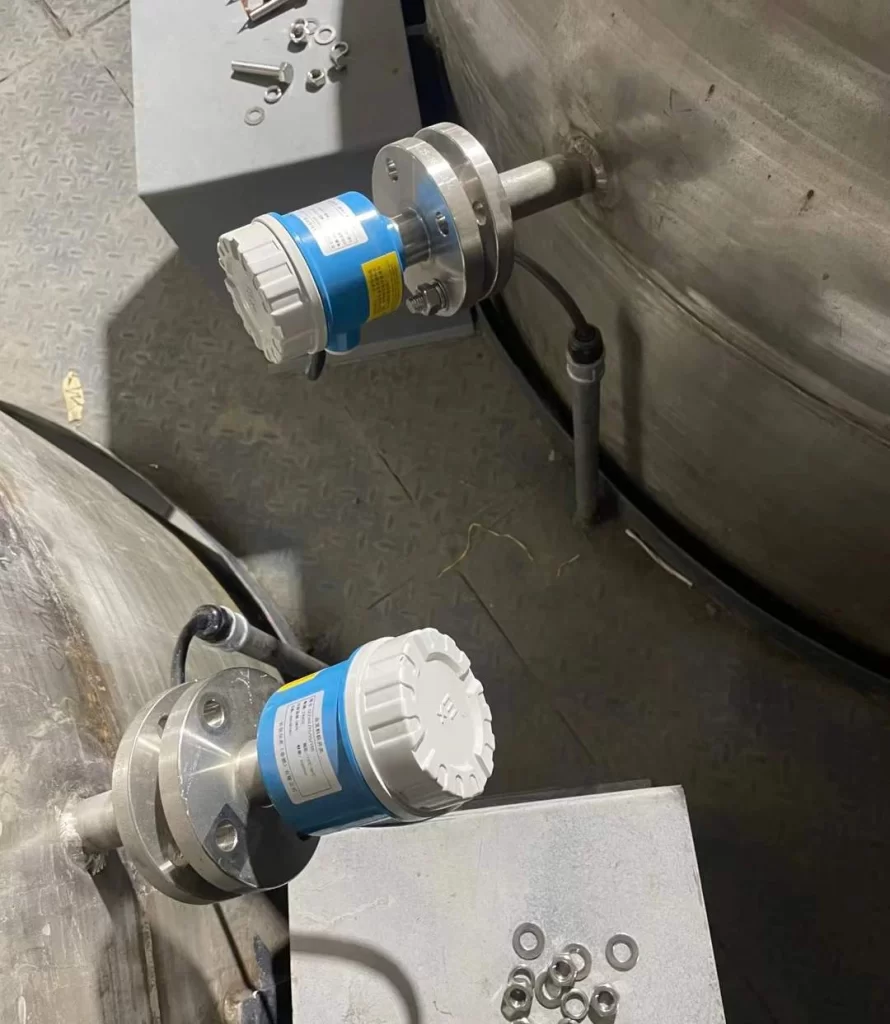
Powder/Dry Material Level Switches are devices used to detect when material reaches a preset level. When the material reaches or exceeds the set position, the level switch sends a signal, typically used to control the starting or stopping of equipment. They are widely used in silos, hoppers, storage tanks, and other locations for simple on/off control tasks.
Benefits of Material Level Switches
For over 10 years, Sino-Inst has been dedicated to providing high-quality level measurement and control solutions. We are a leading supplier of liquid and solid level measurement solutions. We provide customized solutions for point level measurement and level control for various powders and bulk solids, including: flour, cement, fly ash, feed, grains, biofuels, mining, power generation, pharmaceuticals, chemicals, etc., and for various operating conditions, including: hoppers, bins, silos, containers, pipes, etc.
- A wide variety of Powder/Dry Material Level Switches are available, allowing you to choose the most suitable one based on different media and operating conditions.
- Choosing the right Material Level Switches can prevent dangerous leaks and material spills from containers and silos.
- Compared to continuous level meters, level switches are generally less expensive and easier to maintain, suitable for applications that only require point detection.
- By setting level switches at high and low levels, automatic feeding and discharging control of silos can be achieved.
- This avoids production line downtime due to empty silos, ensuring smooth and uninterrupted production processes.
- The switching signal output from the level switch is an important input for industrial automation control systems (such as PLC, DCS). It can be integrated with other process parameters (such as temperature, flow rate) to support data analysis, predictive maintenance, and intelligent decision-making.
Featured Powder/Dry Material Level Switches
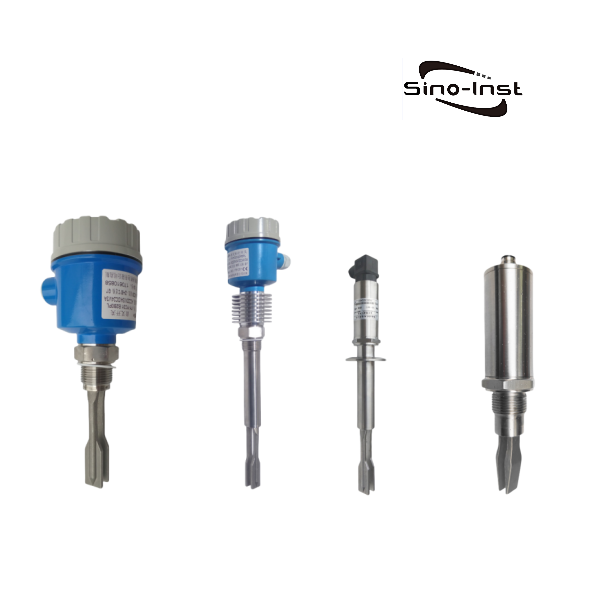
Vibrating level switches are divided into vibrating rod type and tuning fork type. Tuning fork level switches use a piezoelectric crystal to drive the tuning fork’s vibration, and detect the presence or absence of material by monitoring changes in vibration frequency and amplitude.
Tuning fork level switches are unaffected by the electrical parameters, density, or viscosity of the measured material, making them suitable for level monitoring of various solid powders or granules.
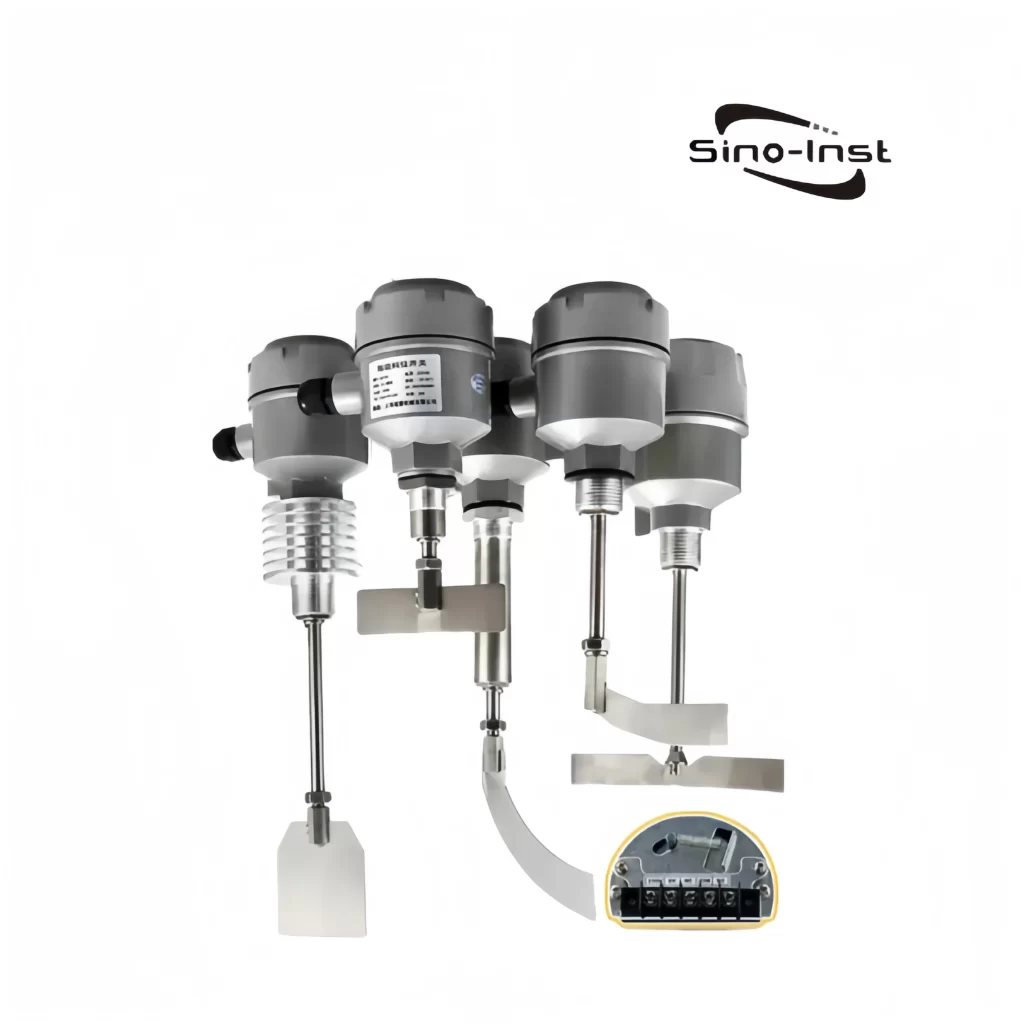
The rotary paddle level switch detects and controls material levels by using a miniature motor to drive a rotating paddle. When the material level reaches the set height, the material creates resistance against the rotating paddle, causing it to stop rotating. At this point, a microswitch inside the switch is triggered, outputting a switching signal, thus achieving precise control of the material level.
The rotary paddle level switch is unaffected by changes in the medium, shape, specific gravity, temperature, humidity, or dust concentration. It has a relatively simple structure, excellent corrosion resistance, high-temperature resistance, and dustproof performance. It is stable and reliable in operation, and its low price makes it highly cost-effective.
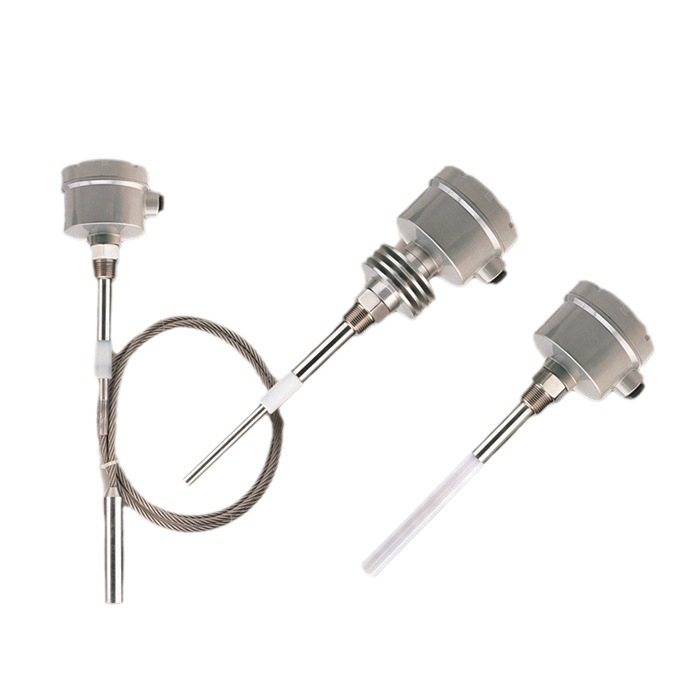
Capacitive level switches utilize the difference in dielectric constant between the material and air to detect the material level. The probe and the container wall form a capacitor. The material acts as a dielectric, and its entry into the probe’s detection area causes a change in capacitance between the probe and the container wall. When this change exceeds a set threshold, the switch state changes.
It is suitable for powders, granules, and viscous media, but the dielectric constant of the medium needs to be relatively stable.
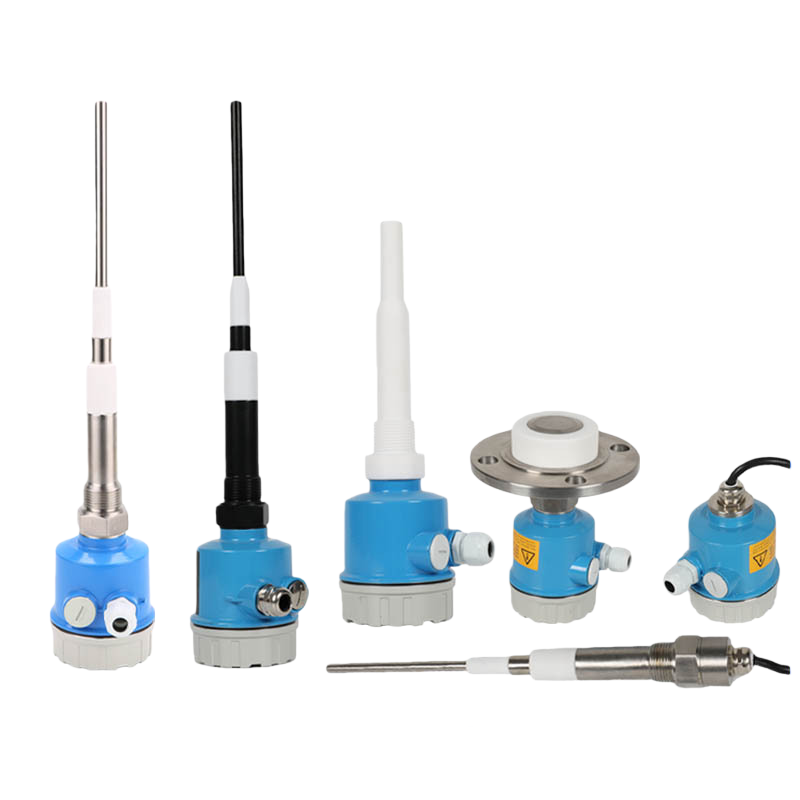
RF admittance level switches measure and control material levels by sensing changes in the reactance (capacitive and impedance) between the probe and the tank body. When the measured medium covers the probe’s measuring electrode, it causes a change in the reactance between the probe and the tank body, leading to an imbalance in the bridge circuit and the cessation of the oscillation signal. The subsequent circuit detects this change and outputs an alarm signal.
Radio frequency admittance level switches are an upgrade of capacitive level technology. They feature anti-fouling capabilities, accurate measurement, easy installation, and wide applicability, and can measure viscous materials. They are widely used in the measurement of fly ash, solid particles, adhesive materials, etc.
In addition to the professional level switches mentioned above, we can also customize switch signals based on continuous level sensors. For example, radar level meters and ultrasonic level meters can be customized to provide 4-20mA output plus high and low level switch signals.
Selection Guide
To maximize the effectiveness of level switches, proper selection is crucial. Based on our experience in level control services, we recommend considering the following details:
More Level Measurement Solutions
Capacitive Level Transmitters: How They Work
What is a Radar Level Sensor? Selection Guide with Example
Level Measurement: Why & When Is a Stilling Well Needed?
Sulfuric Acid Storage Tank Level Measurement
Liquid Nitrogen Cryogenic Tank Level Monitoring
Case Study – Implementing Four-Point Liquid Level Control Using a Float Level Switch
Powder/Dry Material Level Switches provide simple and stable point level detection, ensuring safe operation of industrial processes. Sino-Inst’s level switch technology is applied across various industries, including chemical, cement, pharmaceutical, food, and power generation. It provides reliable overflow prevention, dry-running protection, leak detection, and inventory management alarms.
If you require powder/dry material level control, please feel free to contact our sales engineers to customize a measurement solution.

Wu Peng, born in 1980, is a highly respected and accomplished male engineer with extensive experience in the field of automation. With over 20 years of industry experience, Wu has made significant contributions to both academia and engineering projects.
Throughout his career, Wu Peng has participated in numerous national and international engineering projects. Some of his most notable projects include the development of an intelligent control system for oil refineries, the design of a cutting-edge distributed control system for petrochemical plants, and the optimization of control algorithms for natural gas pipelines.