Home > Blog
2024.4.30

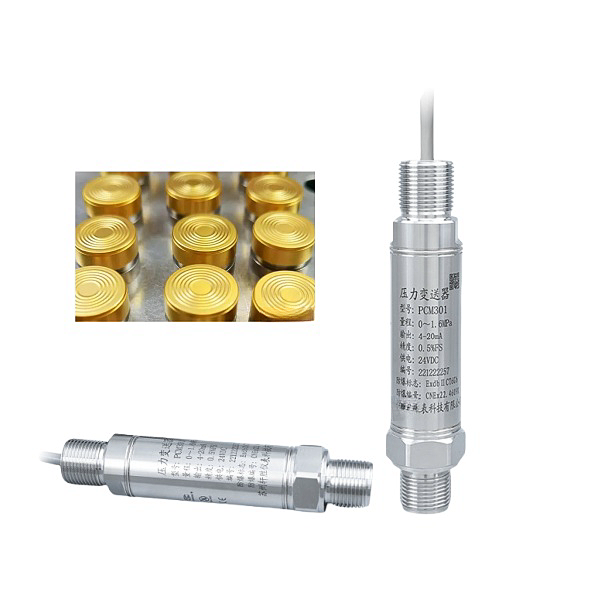
Industrial Hydrogen Pressure Transmitters/Transducers

Hydrogen pressure transmitters can convert gas hydrogen or liquid hydrogen pressure signals into standard electrical signals. Hydrogen has strong reducing properties and is a common industrial gas. Sino-Inst supplies hydrogen pressure transmitters specifically designed for industrial hydrogen measurement. Including measuring gaseous hydrogen, low-temperature liquid hydrogen, etc. It has many advantages in pressure monitoring applications of hydrogen manufacturing and purification equipment and hydrogen storage and transportation equipment. RFQ Table of ContentsCharacteristics and Industrial Us......
2024.4.29

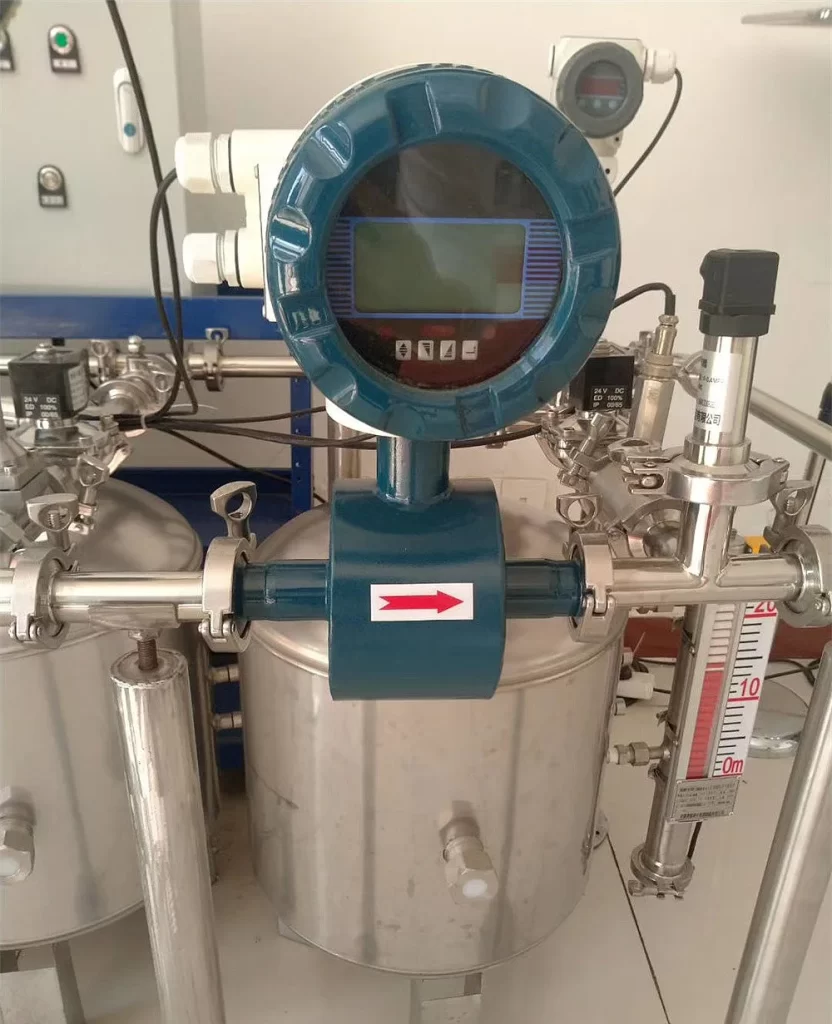
Beverage Flow Meters for Flow Monitoring and Quantitative Filling

Beverage flow meters are commonly used in beverage production processes, metering and filling, etc. In the beverage industry, the requirements for the use of flow meters will be higher. Many beverages are acidic or have other properties, which have certain requirements for the material of the flow meter. Sino-Inst Beverage flow meters can provide reliable performance in a hygienic and sterile environment. Avoid bacterial contamination and food accumulation, ensuring food safety. RFQ Table of ContentsCharacteristics and Industrial Uses of Gaseous HydrogenCharacteristics and Industrial Uses of L......

2024.4.28

Industrial Digital Helium Flow Meters | Mass-Volume Flow

Helium flow meters are used to measure helium pipeline flow rate, volume flow or mass flow. Helium is an inert, non-flammable noble gas. The flow of helium gas through pipelines and circulation systems can be monitored through various flow sensing technologies. And present the results as physical quantities (such as volume flow or mass flow). It can also be configured with 4-20mA, pulse, RS485 and other signal outputs. It is convenient for remote monitoring of the flow rate of helium pipeline. RFQ Table of ContentsCharacteristics and Industrial Uses of Gaseous HydrogenCharacteristics and Indus......

2024.4.27

Liquid and Gas NH3 Ammonia Flow Meters

Liquid and Gas ammonia (NH3) is an important industrial raw material. Ammonia flow meters are specially designed to measure the flow of industrial ammonia pipelines. Output pulse signal, 4-20mA, RS485, etc. Help us effectively monitor the flow of liquid or gaseous ammonia! RFQ Table of ContentsCharacteristics and Industrial Uses of Gaseous HydrogenCharacteristics and Industrial Uses of Liquid HydrogenTechnical Challenges of Hydrogen Pressure MeasurementFeaturd Industrial hydrogen pressure transmittersHydrogen pressure transmitter industrial applications:More Pressure Measurement Solutions Gas ......

2024.4.25

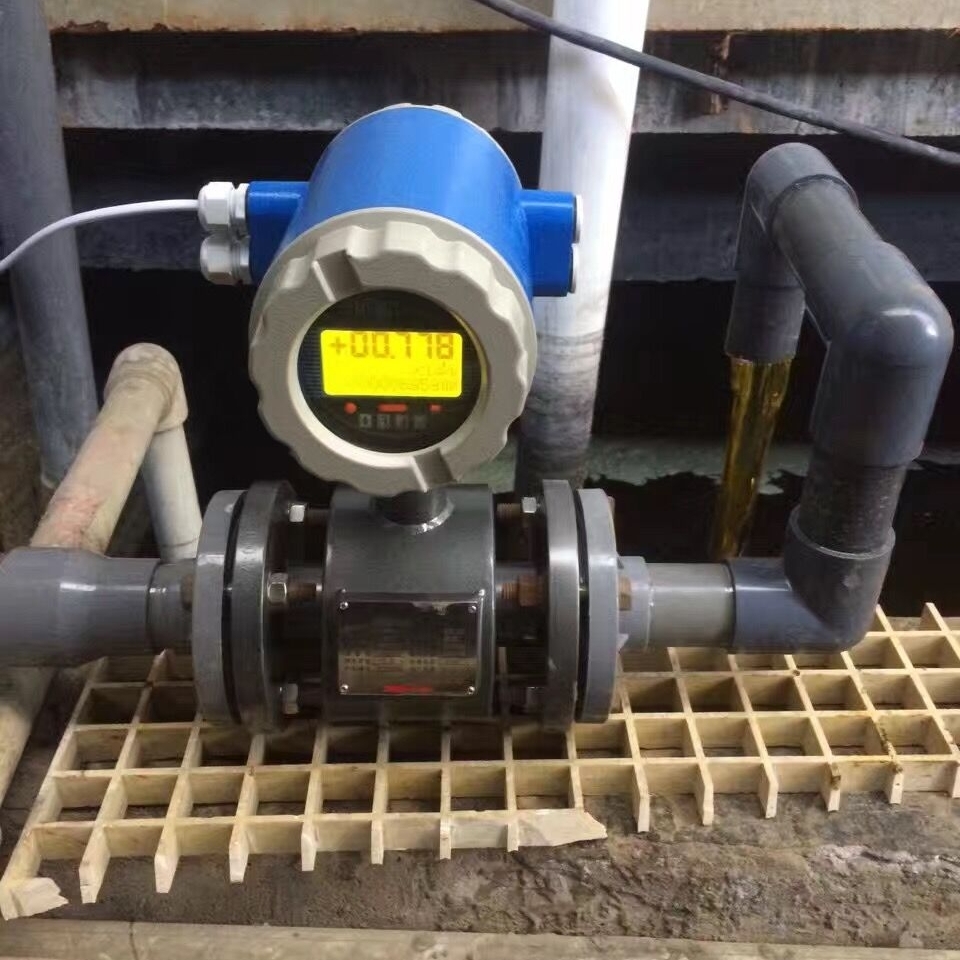
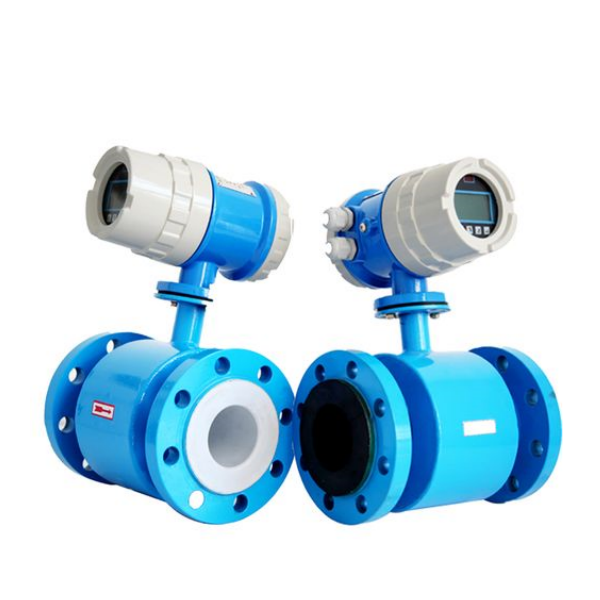
Magnetic Flow Meter Lining Material and Electrode Selection Guide

Electromagnetic flowmeter is suitable for volume flow measurement of various conductive liquid media. The only media contact parts are the electrode and the lining of the measuring tube. According to the characteristics of different media, select the Magnetic Flow Meter Lining Material and electrode material. It can effectively improve the service life and measurement accuracy of the electromagnetic flowmeter. RFQ Table of ContentsCharacteristics and Industrial Uses of Gaseous HydrogenCharacteristics and Industrial Uses of Liquid HydrogenTechnical Challenges of Hydrogen Pressure MeasurementFea......

2024.4.24

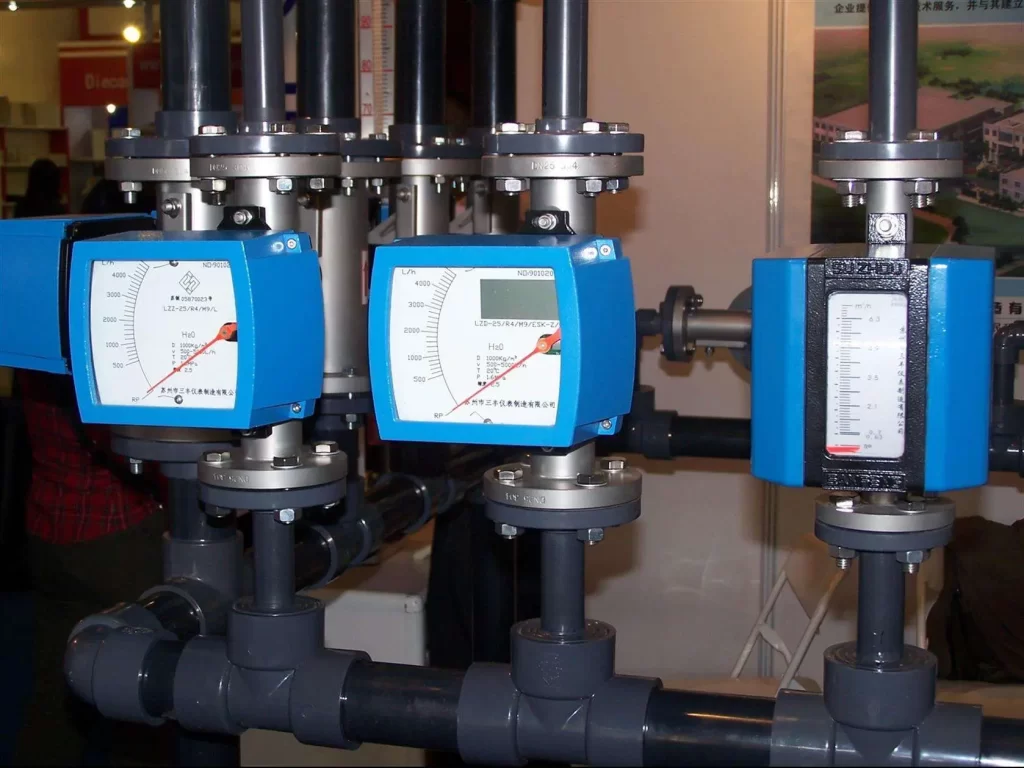
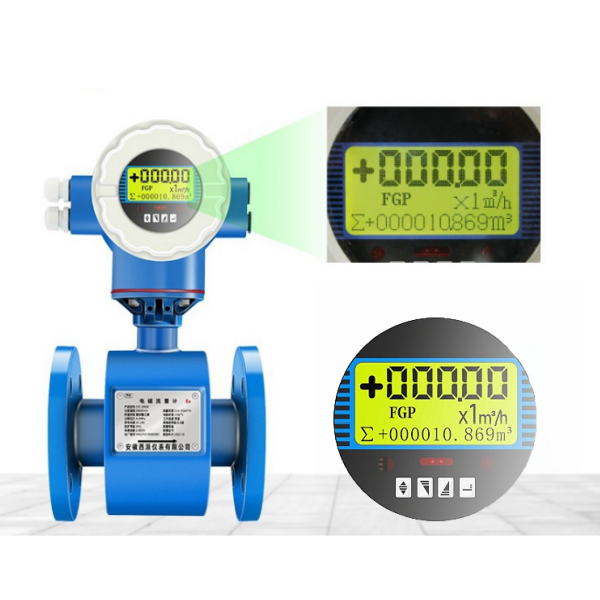
Electronic Flow Meters-Digital Display

What is electronic flow meter? Electronic flow meter is an industrial digital flow meter used for fluid (gas, liquid, steam) flow measurement. Electronic flow meters are an upgrade from traditional mechanical flow meters. Electronic flow meters usually have a digital display that displays the measured flow rate, instantaneous flow, and accumulated flow. It can even display parameters such as temperature, pressure, density, etc. Moreover, compared with traditional mechanical flow meters, electronic flow meters can convert the original signal into a digital signal, then process the data through ......

2024.4.22

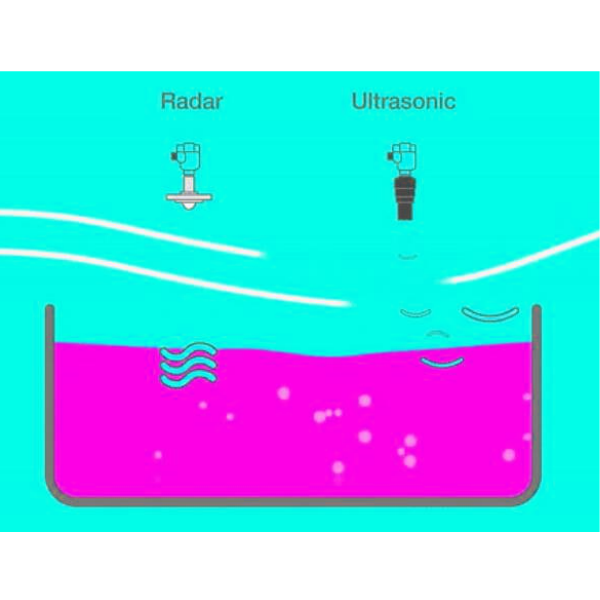
Difference Between Radar and Ultrasonic Level Transmitter

The biggest difference between radar and ultrasonic level transmitter is the different measurement principles. Ultrasonic level transmitter uses sound waves, and radar level meter uses electromagnetic waves. Different measurement principles lead to different application scenarios. Radar and ultrasonic level transmitters are both non-contact level measurement technologies. Both types of liquid level meters send signals to the medium, and the signals are reflected by the medium and then return to the instrument. Distance is measured by calculating the time difference. RFQ Table of ContentsCharac......