Home > Blog
2024.4.27

Liquid and Gas NH3 Ammonia Flow Meters

Liquid and Gas ammonia (NH3) is an important industrial raw material. Ammonia flow meters are specially designed to measure the flow of industrial ammonia pipelines. Output pulse signal, 4-20mA, RS485, etc. Help us effectively monitor the flow of liquid or gaseous ammonia! RFQ Table of ContentsGas Ammonia properties and industrial applicationsFeatured Gas Ammonia Flow MetersProperties and Industrial Applications of Liquid AmmoniaFeatured Liquid ammonia flow metersMore Flow Meaurement Solutions Gas Ammonia properties and industrial applications Ammonia is a commonly used gas widely used in refr......

2024.4.25

Magnetic Flow Meter Lining Material and Electrode Selection Guide

Electromagnetic flowmeter is suitable for volume flow measurement of various conductive liquid media. The only media contact parts are the electrode and the lining of the measuring tube. According to the characteristics of different media, select the Magnetic Flow Meter Lining Material and electrode material. It can effectively improve the service life and measurement accuracy of the electromagnetic flowmeter. RFQ Table of ContentsGas Ammonia properties and industrial applicationsFeatured Gas Ammonia Flow MetersProperties and Industrial Applications of Liquid AmmoniaFeatured Liquid ammonia flo......

2024.4.24

Electronic Flow Meters-Digital Display

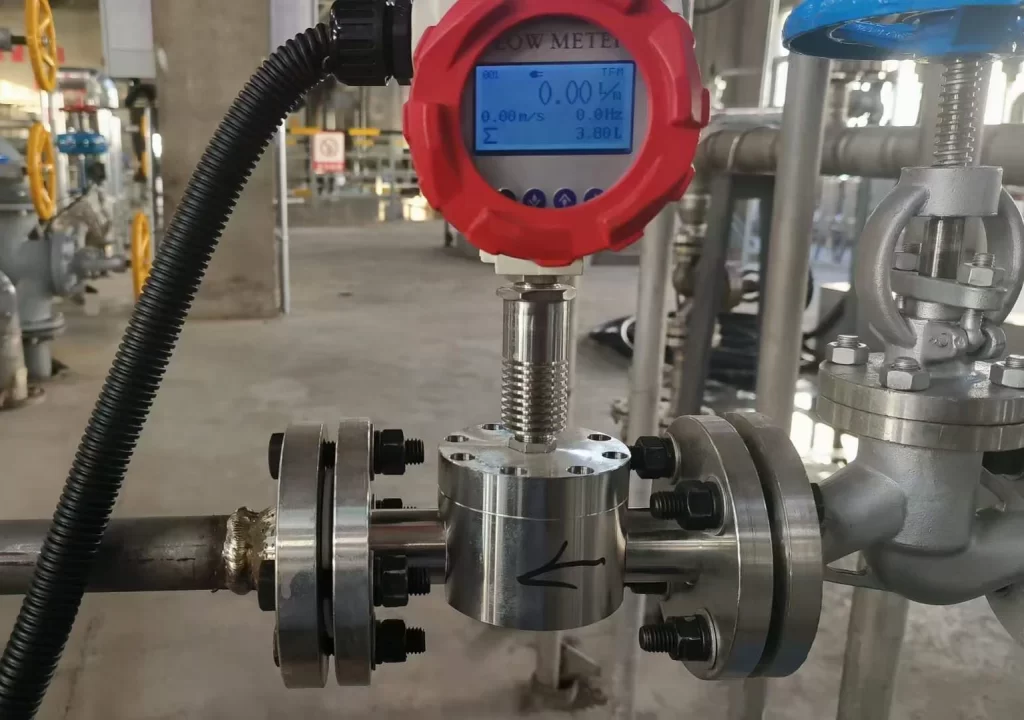
What is electronic flow meter? Electronic flow meter is an industrial digital flow meter used for fluid (gas, liquid, steam) flow measurement. Electronic flow meters are an upgrade from traditional mechanical flow meters. Electronic flow meters usually have a digital display that displays the measured flow rate, instantaneous flow, and accumulated flow. It can even display parameters such as temperature, pressure, density, etc. Moreover, compared with traditional mechanical flow meters, electronic flow meters can convert the original signal into a digital signal, then process the data through ......

2024.4.22

Difference Between Radar and Ultrasonic Level Transmitter

The biggest difference between radar and ultrasonic level transmitter is the different measurement principles. Ultrasonic level transmitter uses sound waves, and radar level meter uses electromagnetic waves. Different measurement principles lead to different application scenarios. Radar and ultrasonic level transmitters are both non-contact level measurement technologies. Both types of liquid level meters send signals to the medium, and the signals are reflected by the medium and then return to the instrument. Distance is measured by calculating the time difference. RFQ Table of ContentsGas Am......

2024.4.22

Pressure Transducer Output Signal Guide

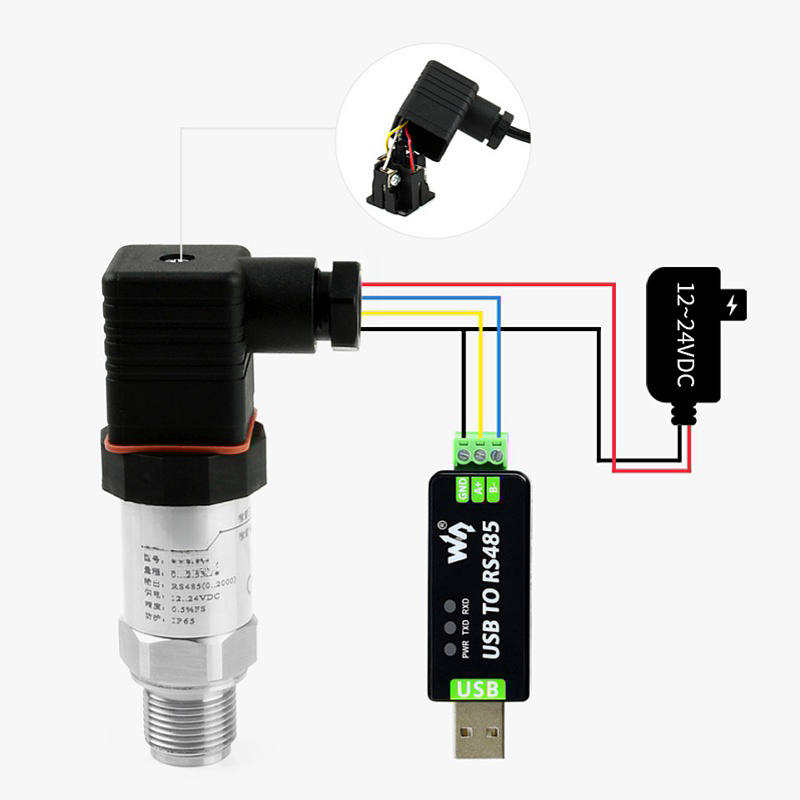
Pressure transducer measures the pressure of fluid, gas or liquid and converts the pressure value into an electrical signal output. Convenient for industrial automation process control. Before purchasing a pressure transmitter, measuring range, Pressure Transducer Output Signal, and connecting thread are three elements that must be clarified. In practical applications, the selection of the pressure transducer output signal is very important, which directly affects the reliability and accuracy of the control system. RFQ Table of ContentsGas Ammonia properties and industrial applicationsFeatured......

2024.4.21

Industrial Ultrasonic Level Transmitters | Non-contact Level Measurement

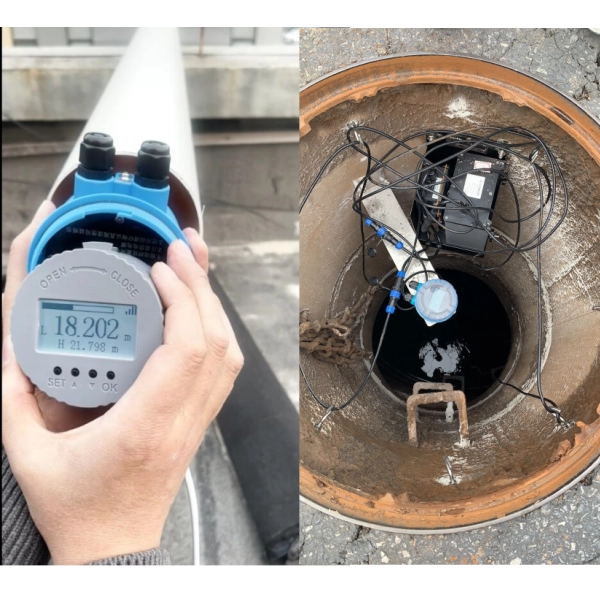
Ultrasonic Level Transmitters are mainly used for continuous non-contact measurement of levels in industrial storage tanks, sewage pits, diesel containers, etc. The liquid cannot contain foam, steam, smoke, etc. The main principle of ultrasonic level measurement is to use the high-frequency vibration of ultrasonic waves and its propagation characteristics in the medium to complete the measurement. Can meet most industrial liquid level measurement needs at a low cost. RFQ Table of ContentsGas Ammonia properties and industrial applicationsFeatured Gas Ammonia Flow MetersProperties and Industrial......

2024.1.19

Top Explosion Proof Flow Meters for Explosive or Hazardous Areas

Flowmeters are divided into explosion-proof and non-explosion-proof types according to their electrical structure. Explosion Proof Flow Meters are mainly used in flammable, explosive, toxic or other hazardous environments. In these situations, the equipment may be exposed to flammable gases, steam, dust, etc., so it needs to be explosion-proof to ensure safe and reliable operation. We at Sino-Inst supply various types of Explosion Proof Flow Meters. Including: explosion proof mass flow meter, explosion proof air flow sensor, explosion-proof turbine flow meter, explosion-proof ultrasonic flow m......