Home > Blog > Absolute Pressure Transmitters: Product List and Guide
Absolute Pressure Transmitters: Product List and Guide
What is Absolute Pressure Transmitter?
Absolute pressure transmitters are sensors that measure pressure using absolute vacuum (0 bar) as a reference. They convert the sensed physical pressure value into a standardized electrical signal, such as 4-20 mA or 0-10 V, for processing by control systems or monitoring equipment.
They are often called “industrial barometers” or “technical barometers” because they can measure true, absolute pressure unaffected by environmental fluctuations.
Measurement Stability: Measurement values remain unchanged regardless of fluctuations in local atmospheric pressure or changes in installation altitude.
High Accuracy and Long-Term Stability: Designed for precision measurements, it boasts exceptional long-term stability.
Flexibility: Typically supports multiple range selections and output signal switching (e.g., via DIP switches), adapting to diverse industrial environments.
Rugged and Durable: Generally equipped with high protection ratings (e.g., IP65/IP68), it prevents dust and water jet intrusion, ensuring operation under harsh conditions.
How Do Absolute Pressure Sensors Work?
The working principle of an absolute pressure transmitter is similar to that of a regular gauge pressure transmitter. The main difference is that the core of an absolute pressure transmitter is a fully sealed reference chamber. This chamber is evacuated to an absolute vacuum state during the manufacturing process using a high-temperature process.
Pressure Deformation:
When external process pressure is applied to the transmitter’s diaphragm, the diaphragm undergoes a slight deformation.
Vacuum Reference:
Because the pressure inside the reference chamber is constantly zero, the sensor output is always a pure pressure value relative to a vacuum, eliminating interference from external atmospheric pressure.
Signal Conversion:
A high-precision capacitive/piezoresistive sensor on the diaphragm converts the deformation displacement into a standard signal such as 4-20mA.
Applications of Absolute Pressure Transmitters
Vacuum System Monitoring: Such as etching equipment in semiconductor manufacturing, vacuum packaging, and various ultra-high vacuum (UHV) environments.
Meteorology and Aviation: Used in weather stations and meteorological services to accurately record atmospheric pressure unaffected by altitude differences.
HVAC (Heating, Ventilation, and Air Conditioning): Compensates for atmospheric pressure fluctuations caused by weather in ventilation systems, ensuring constant airflow.
Liquid Level Measurement in Sealed Containers: Accurately calculates liquid level in sealed storage tanks that are not connected to the atmosphere using absolute pressure values.
Industrial Gas Handling: Such as the storage and transportation of liquid hydrogen (H₂), which requires absolute pressure monitoring to prevent phase changes due to pressure variations.
Absolute pressure transmitters typically provide industry-standard signals:
Current signal: 4 – 20 mA (strong anti-interference capability, suitable for long-distance transmission).
Voltage signal: 0 – 10 V, 1~5VDC, 0~5VDC.
Communication protocols: Modbus RS485, HART
Absolute Pressure Transmitter Calibration
When the absolute pressure transmitter is powered on or connected to the atmosphere, the reading should be close to the local atmospheric pressure. If the reading is 0 or negative, it indicates that the absolute pressure transmitter setting is incorrect.
In systems measuring pressures above absolute zero, a negative reading from the absolute pressure transmitter is impossible. If it occurs, it can be determined that the zero point has been incorrectly reset. Calibration must be stopped immediately.
Calibration can refer to:
Zeroing Prerequisite: Zero point calibration of the absolute pressure transmitter must be performed in an absolute vacuum environment (e.g., using a vacuum pump to 0.001 bar), and cannot be zeroed in open atmosphere.
Setting Steps: This can usually be done through the online parameter setting interface, navigating to “Parameter Setting” > “Pressure/Differential Pressure” > “Process Variable” > “PV Offset”, and selecting “Set PV to 0”.
Maintenance Recommendations: Although the equipment is factory calibrated and has long-term stability, for applications requiring high precision, such as meteorological applications, periodic recalibration is recommended to eliminate environmental influences such as temperature drift.
After calibration, the absolute zero point of an absolute pressure transmitter is set. Any “zeroing” operation performed under atmospheric pressure will incorrectly set the current atmospheric pressure to zero, causing the absolute pressure transmitter to become a “gauge pressure transmitter,” resulting in completely erroneous measurement results.
Absolute Pressure Transmitters Selection Guide
When selecting an absolute pressure transmitter, the following key factors should be considered:
Determine the measurement range:
Maximum pressure (Pmax): The upper limit of the range should cover the highest possible pressure, with a 20%-30% safety margin to prevent damage to the sensor from impact pressure.
The lower limit of the range should be “absolute pressure 0,” and the upper limit should be calculated as “maximum absolute pressure + safety margin” (e.g., for a vacuum system with a maximum absolute pressure of 0.1MPa, select a 0-0.15MPa absolute pressure range).
Normal operating pressure: Should be at least 10% above the upper limit of the range to ensure measurement accuracy.
Accuracy requirements: Select an accuracy class of 0.2 or 0.5 based on the allowable error range of the process.
Temperature: For high-temperature environments, heat dissipation measures or models with temperature compensation should be considered.
Corrosivity: If the medium is corrosive, special diaphragm materials such as 316L stainless steel or Hastelloy should be selected.
Display requirements: Determine whether an integrated display screen is needed for on-site inspection.
FAQ
Absolute pressure is the best choice when you need to obtain true pressure data unaffected by weather changes or altitude (such as in vacuum processes, meteorological research, and measurements in high-altitude areas).
No. Because the reference point for absolute pressure is absolute zero pressure (vacuum) at the physical limit, the absolute pressure value can never be negative.
The main difference lies in the reference point. Relative pressure (gauge pressure) sensors are internally connected to the atmosphere and adjust their reference point according to atmospheric fluctuations. Absolute pressure sensors, on the other hand, have a completely sealed vacuum chamber inside, and the reference point is always zero.
Strain gauge pressure transmitters have good shock resistance and can withstand 100G vibration, making them more suitable for measuring large pressure ranges. They are used in pressure measurement and control in industrial equipment, water pressure testing, building water supply, and hydraulic power stations. What is Strain Gauge Pressure Transmitter? Strain gauge pressure transmitters are a type of pressure transmitter that…
Pressure transmitters are often installed in conjunction with manifolds, primarily for isolation, calibration, and venting. Manifolds control the input of the medium, ensuring measurement accuracy and safety. Manifolds are typically configured with a specified number of valves based on the required operating conditions. Common configurations include single-valve (2-valve), two-valve, three-valve, and five-valve manifolds. When purchasing pressure transmitters or differential pressure…
Water pressure measurement includes pressure detection of water pipes, water containers or equipment. Water pressure measurements can be used to determine whether a pipe, container or equipment is leaking and whether it can withstand the pressure required for the design. By configuring a water pressure transmitter, connecting the water pressure signal to a recorder, PLC and other systems, or configuring…
A water pressure switch is a device used to monitor and control the pressure of a water system. Commonly found in domestic and industrial water treatment systems, it is used to start or stop water pumps and ensure that the water pressure remains within a set range. A digital water pressure switch can display the water pressure value in real…
When selecting a pressure transmitter, you will inevitably encounter a very important parameter: temperature. This includes operating (medium) temperature and ambient temperature. This is because it involves an important manufacturing process that our factory performs: temperature compensation of the pressure transmitter. What is Temperature Compensation for Pressure Transmitters? Simply put, temperature compensation for pressure transmitters eliminates temperature drift in the…
In some industrial closed environments, vacuuming is required. The vacuum pressure sensor can be used to detect the vacuum degree of the closed environment in real time. Generally, vacuum pressure sensors that measure negative pressure have the function of detecting negative pressure and positive pressure at the same time. For example -100KPa~0~100KPa. It is best to use pressure sensors or…
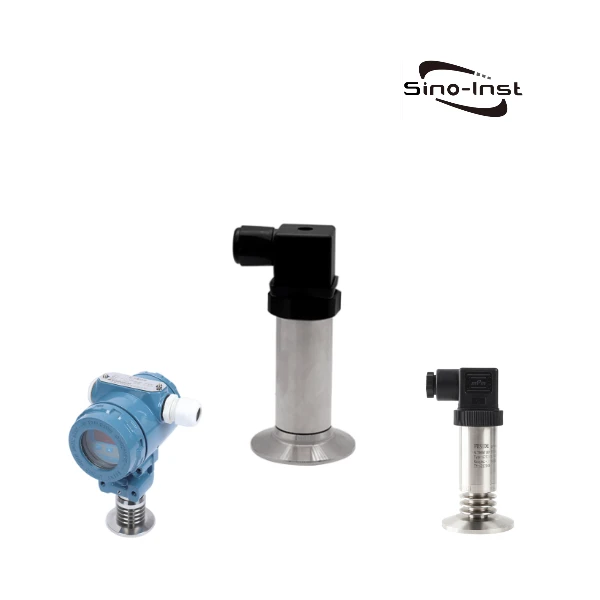
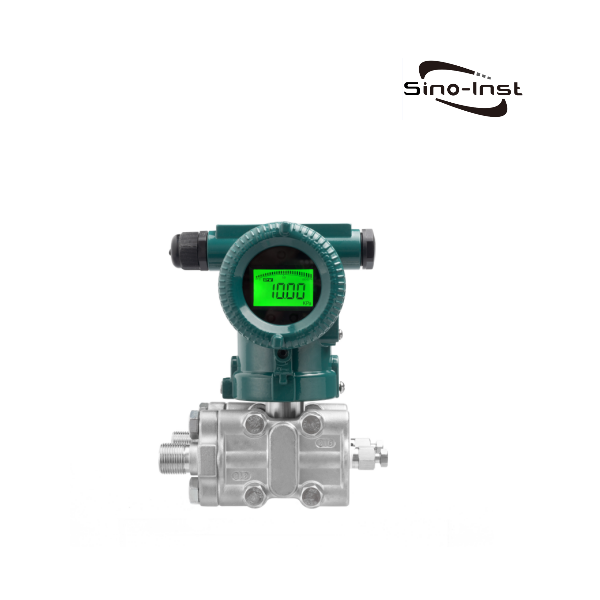
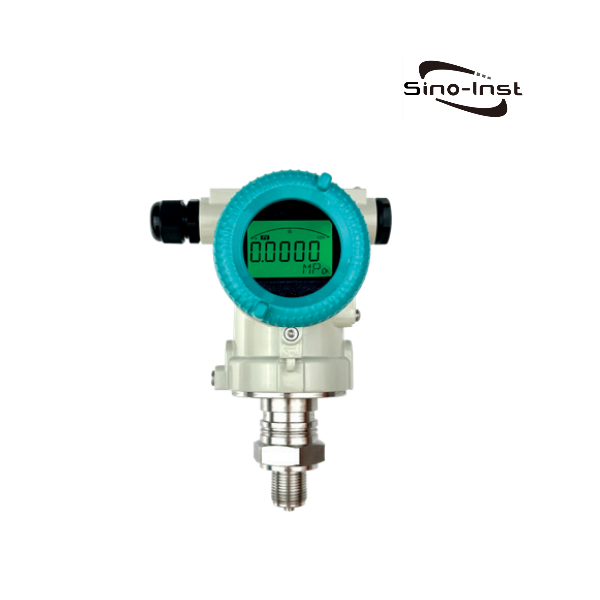
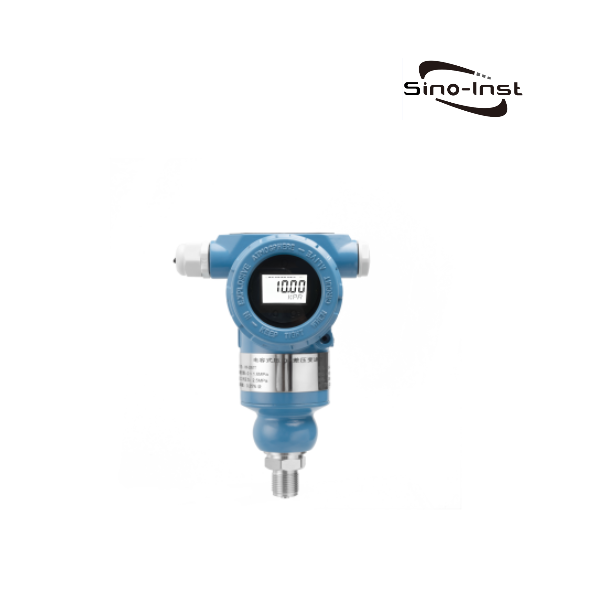
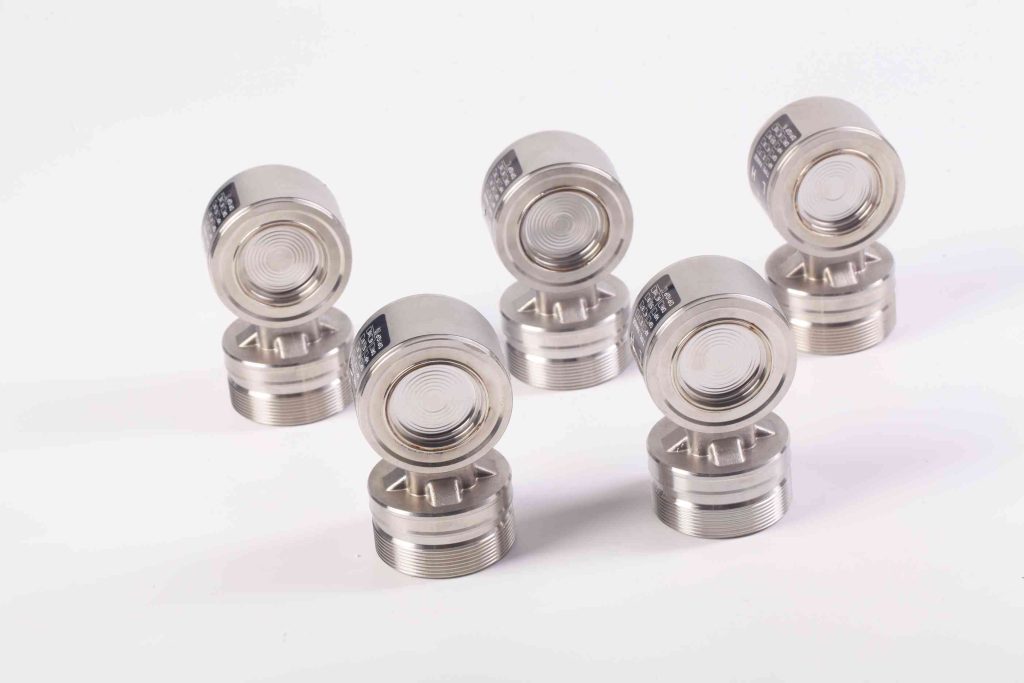
Sino-Inst’s absolute pressure transmitters can extend the minimum measurement range to 0-1 kPa, 2 kPa, 5 kPa, and 10 kPa without significant loss of output signal. Coupled with a special, stable, high input impedance signal processing module, they possess excellent overall measurement accuracy, meeting the needs of vacuum measurement. They are widely used in scientific research, aerospace, pharmaceuticals, leak detection, and automation equipment.
If you require a customized absolute pressure transmitter, please feel free to contact our sales engineers!
Zhang Wei, possesses 20 years of experience as an automation instrumentation engineer, specializing in the research, design, installation, commissioning, and maintenance of automation instruments.
Face to various instrument communication protocols (such as Modbus, Profibus, etc.), with solid hardware circuit design and software programming skills (proficient in C language and PLC programming). Has extensive project experience; projects he has led and participated in have all achieved outstanding results, improving product accuracy, reducing costs, and increasing production efficiency.
Possesses excellent communication and coordination skills and a strong team spirit, enabling him to quickly respond to customer needs and provide high-quality automation instrumentation solutions.