
Chemical Flow Meters

Chemical flow meters are a type of flow meter specifically designed for measuring the flow rate of gases and liquids in the chemical industry. Many gases and liquids in the chemical industry are corrosive or have high viscosity. Monitoring and controlling the flow rate of chemical raw materials is crucial for chemical production. It ensures appropriate chemical mixing rates, improves production efficiency, and saves costs.
Sino-Inst supplies various types of chemical flow meters suitable for pump or hose installation. Custom designs are also available for processes such as chemical feed. You can also follow our selection guide to choose the appropriate chemical flow meter.
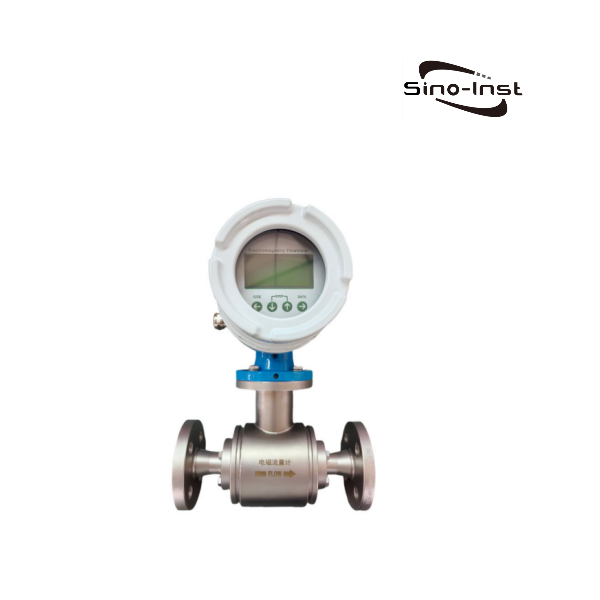
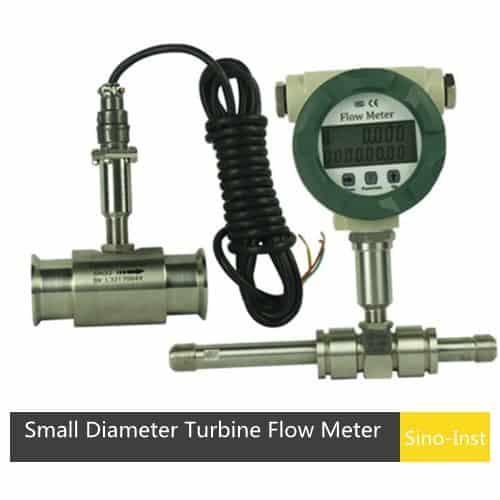
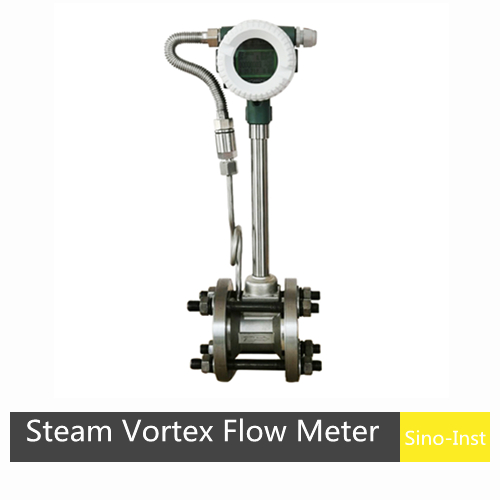
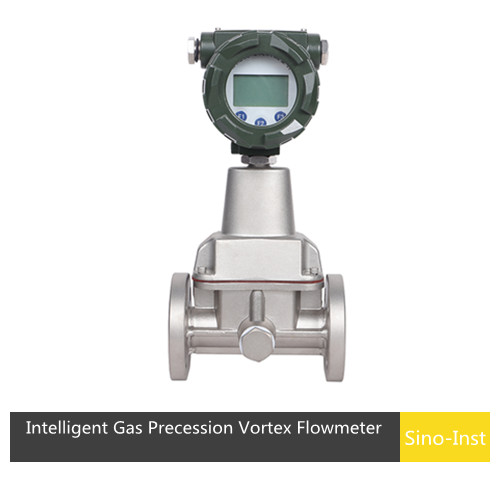
Featured Chemical Flow Meters
What is a flow meter in the chemical industry?
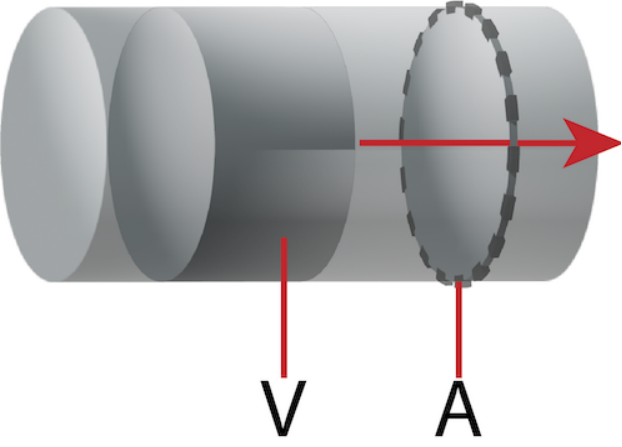
The flow rate in a chemical flow meter is the amount of fluid (In Figure labeled V) that passes through a particular area (In Figure labeled A) within a given period.
It quantifies the fluid’s three-dimensional space as it flows through the device. Divide the fluid volume by the time it takes to pass through to get the volumetric flow rate.
Of course, we can also require measurement of mass flow rate.
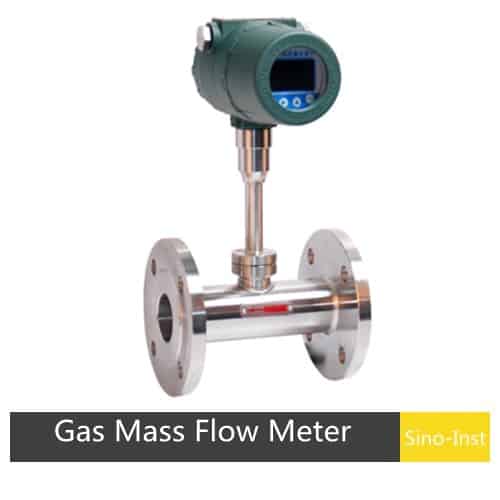
Chemical flow meters may use various technologies such as ultrasonic, electromagnetic, thermal mass measurement, or Coriolis force to accurately measure flow.
Compared with flow meters used in other industries. Flow meters in the chemical industry are able to handle a variety of chemicals. Including corrosive substances and high viscosity liquids, making them suitable for various applications in the chemical industry.
Benefits of Chemical Flow Meters
Flow meters play an important role in continuous and batch chemical processes. Maintain efficient and consistent operation of the process.
- Use flow meters to maintain a constant flow of fluids. For example, in the production of pharmaceuticals, control the flow of reactants to improve product compliance.
- Accurately control the flow in batch production. For example, in the production of polymers, flow controllers can be used to control the flow of monomers during polymerization.
- Special flow meters such as high temperature and high pressure can be customized. Ensure that the final product meets the specifications and the process runs effectively.
- Effectively monitor the flow. Most flow meters have functions such as diagnosis, instantaneous flow, cumulative flow, and signal output.
- For quantitative control, filling and other processes, flow meters can be used to accurately measure and control small flow liquids and gases. Provide high accuracy and high repeatability.


Types of Chemical Flow Meters with their applications
| Types | Overview | Applications |
| Magnetic Flow Meters | Magnetic flow meters take advantage of Faraday’s law of electromagnetic induction. This flow meter creates a magnetic field. When conductive fluid flows through the magnetic field, an electromotive force (voltage) proportional to the flow rate is produced. They have relatively small pressure drops. | These flow meters are best for conductive fluids like water, wastewater, and chemicals. Compatible with highly corrosive fluids, making them an excellent choice for a ‘chemical-resistant flow meter’ |
| Positive displacement (PD) flow meters | They measure flow by trapping a fixed volume of fluid and counting the number of times the chamber fills and empties. PD meters are often used when accuracy is more important than speed. | Ideal for ‘chemical feed flow meters’ where precise dosing is required, Used in the pharmaceutical and cosmetics industries, Suitable for measuring additives and other chemicals in water treatment plants |
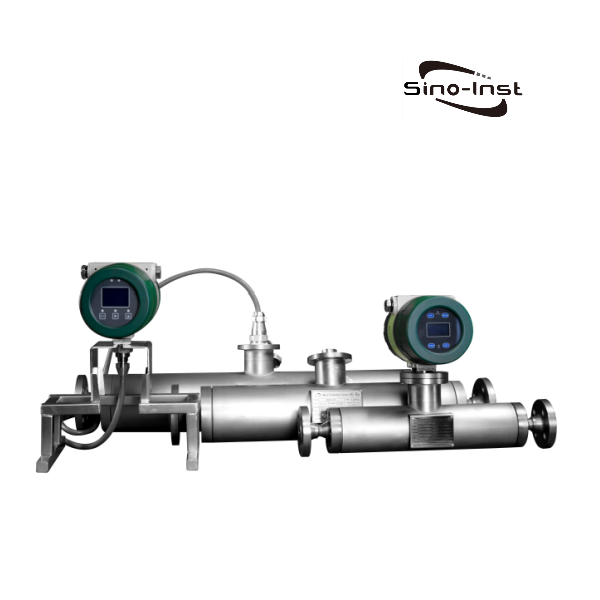
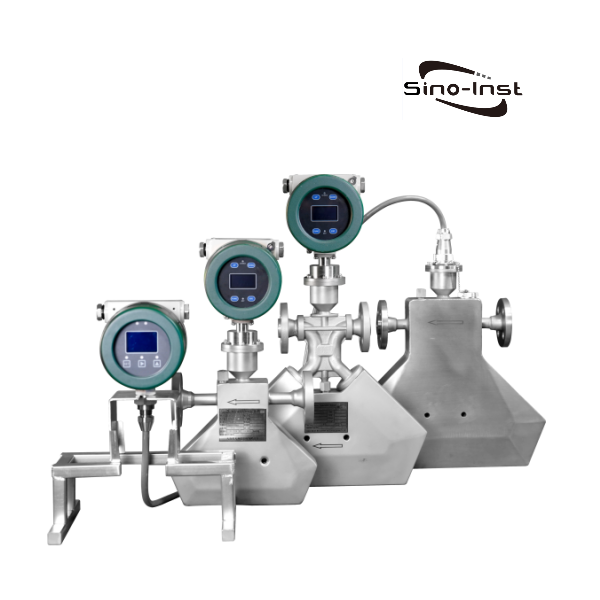
| Coriolis flow meters | Coriolis flow meters are among the most precise flow measurement devices, suitable for handling various chemicals, including highly viscous fluids. These meters work by measuring the mass flow rate of a liquid or gas using the Coriolis effect. When a fluid passes through a vibrating tube, the meter measures the twist or deflection to determine the flow rate. | Useful for chemical injection systems, High-precision dosing of chemicals, Suitable for corrosive and aggressive chemicals |
| Turbine flow meters | Turbine flow meters are a popular choice for measuring clean and stable fluids. A rotor inside the flow meter spins as the fluid flows through it, and the rotational speed is proportional to the flow rate. They are less suitable for highly viscous or dirty fluids but are excellent for non-corrosive liquids. | Used in monitoring and controlling chemical dosing in water treatment plants, Suitable for chemical pump flow meters in non-corrosive environments, Often used in chemical injection flow meter systems for additives |
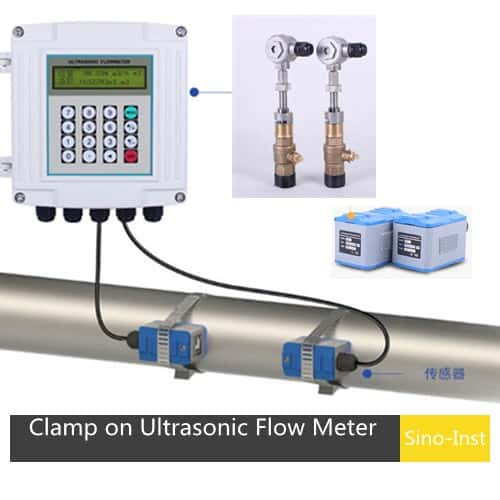
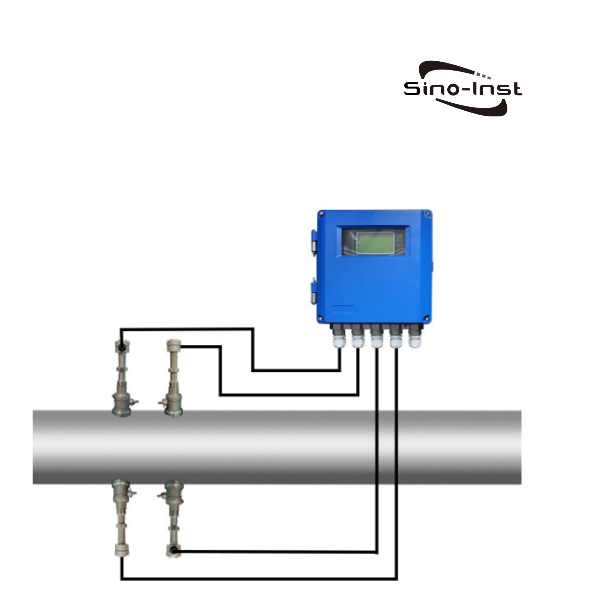
| Ultrasonic flow meters | Ultrasonic flow meters transmit ultrasonic signals through the media to measure the time necessary for the signals to travel upstream and downstream. The transit time difference allows for calculating the flow rate. | These meters are non-intrusive and are suitable for a variety of fluid types, Excellent for corrosive and high-purity chemical applications, A good option for ‘chemical injection flow meters’ where contact with chemicals is undesirable |
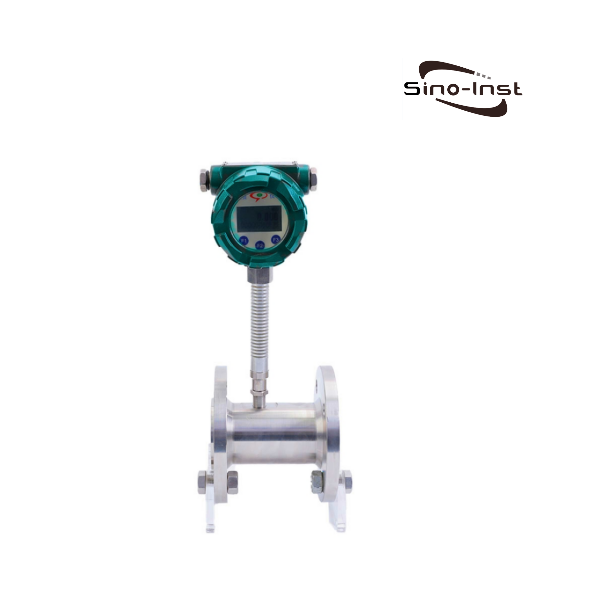
| Vortex flow meters | Vortex flow meters use the von Kármán effect. Vortex flow meters measure flow based on the principle of vortex shedding. Within the meter is a blunt, raised area. As the fluid flows past this area, alternating vortices are created. A flexible sensor tab in the flow meter bends and flexes to measure the frequency of the vortices. The frequency of vortices is proportional to the flow rate. | Used in chemical plants where steam or gas flow needs to be measured, Suitable for monitoring ‘chemical feed flow meters’ in industrial processes, Effective for liquids that have low to moderate viscosityThese flow meters are highly accurate and suitable for a range of fluids. |
Selection Guide for a Chemical flow meter
Consider the following general criteria while selecting a Chemical flow meter:
- Measured medium: First, it is important to know what the measured medium is. And its temperature, flow range, and pressure.
- Material compatibility: There are many acids, alkalis, corrosive liquids, etc. in the chemical industry. It is necessary to confirm the material of the flowmeter. For example, 316 stainless steel, PTFE, PFA, etc.
- Connection size and type: Ensure compatibility with the connection port size and type (clamp, flange, or threaded) to ensure proper installation.
- Operating parameters: Ensure the flow meter can operate within the required temperature and pressure ranges.
- Industry requirements and approvals: Flow meters come with various certifications like Food grade (for the food and beverage industry), ATEX Zone 2 and ATEX Zone 22 (for explosive environments), UL, and ECEx Zone 2 and 22 (international standard for explosive environments).
- Electrical requirements: Verify compatibility with the specified voltage range and connection types (cable glands and plug type) to ensure proper electrical integration.
- Display and transmitter type: Consider whether a display is required for on-site flow rate monitoring. Also, ensure the transmitter supports the required communication protocols, data formats, and connectivity options for seamless integration with the existing control or monitoring system.
- Communication protocol: Assess compatibility with the specified communication protocol to ensure seamless integration with the control or monitoring system.
Chemical Feed Flow Meters
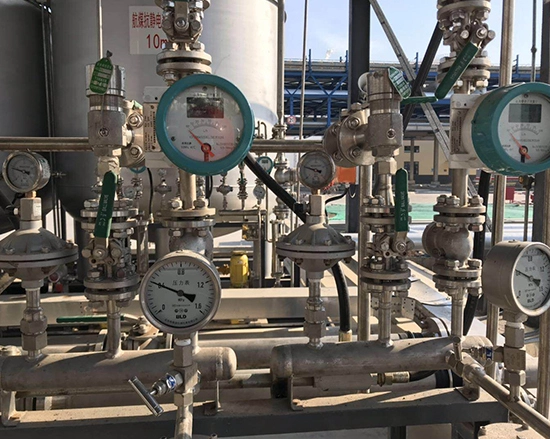
In chemical dosing systems, flow meters are essential components. Flow meters measure fluid flow in real time, ensuring that chemicals are accurately added to the treatment system at predetermined doses.
By integrating flow meters with the control system, the dosing system can achieve automated operation. The control system can automatically adjust pump operating parameters based on data provided by the flow meter, ensuring the accuracy and consistency of chemical dosing, reducing manual intervention, and improving system reliability and efficiency.
By precisely controlling the amount of chemical added, flow meters can effectively prevent chemical waste and reduce operating costs.
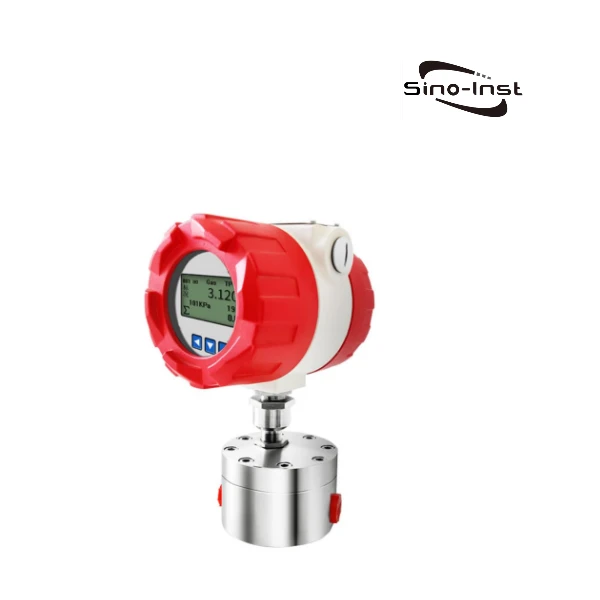
GF Gear Flow Meter for Chemical Feed
GF gear flow meters are the ideal choice for chemical fluids free of impurities.

- GF gear flow meters can be customized with PTFE or 316L materials, which are resistant to the corrosion of chemical fluids.
- GF gear flow meters do not require upstream or downstream straight pipe sections for installation. They can be installed directly at hose or pump interfaces.
- GF gear flow meters have an accuracy of up to 0.5%, meeting the measurement needs of most users.
- GF gear flow meters can measure flow rates as low as 0.6 L/H.
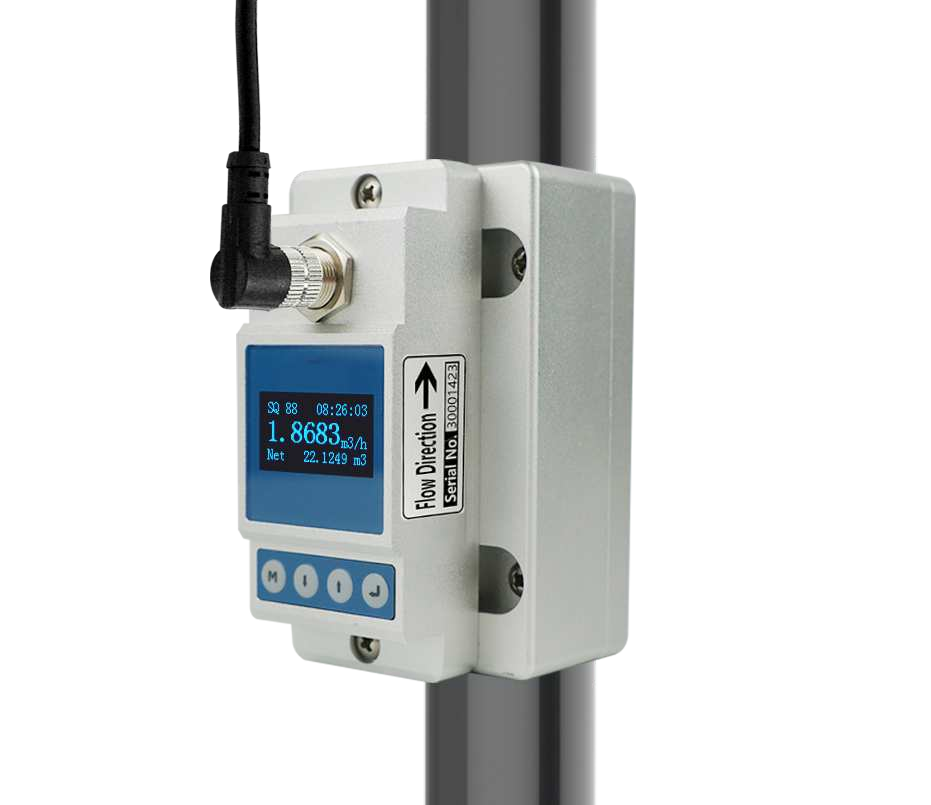
X3 Strap on Flow Meter for Chemical Feed
The X3 Strap on Flow Meter is the fastest way to measure the flow rate of chemical liquids.
- No pipe cutting required, simply clamp it in, install and measure immediately.
- Compatible with most pipe materials and liquids. Stainless steel, plastic, and other pipe types can be measured.
- Available in pipe diameters from φ9.53 to φ228.
Applications of Chemical Flow Meters
Precise dosing of coagulants (PAC, aluminum sulfate) in water treatment plants. Instantaneous flow feedback control of the variable frequency dosing pump enables closed-loop regulation of source water turbidity and chemical dosing, saving chemicals.
Phosphorus and nitrogen removal chemical metering in wastewater treatment plants. Precise mg/L dosing of corrosive chemicals such as sodium acetate and sodium hypochlorite in AAO and MBR process sections ensures effluent TP and TN meet standards.
CIP online cleaning in membrane workshops. Two-way high-precision metering of acid, alkali, and oxidant cleaning solutions ensures membrane life and cleaning effectiveness.
Emergency dosing system. Mobile skid-mounted dosing equipment equipped with DN10 miniature electromagnetic flowmeters allows for rapid deployment after disasters, ensuring water supply safety.
Digital water plant/smart water management. RS485-Modbus connection to SCADA/DCS enables real-time calculation of chemical consumption, carbon emission analysis, and cloud-based operation and maintenance.
Pharmaceutical industry. Extremely strict requirements are placed on the dosage of various raw materials in the pharmaceutical production process. This flow meter can precisely control the dosing flow rate, ensuring the accuracy and consistency of drug components, thereby guaranteeing drug quality and efficacy.
Chemical Production: In fine chemical production, many chemical reactions require precise control of the reactant flow rate. High-precision electromagnetic flow meters for dosing control can meet this need, ensuring that chemical reactions proceed according to the predetermined process, improving product quality and production efficiency.
More Featured Flow Measurement Solutions
- Guide To Vortex Flow Meters For Steam Applications: Steam Vortex Flow Meter In detail
- Featured Gas Turbine Flow Meter for Natural Gas and Other Gases
- Mechanical Oil Flow Meter vs Digital
- Hydrogen Flow Meters for Mass and Volume Flow
- Beverage Flow Meters for Flow Monitoring and Quantitative Filling
- Industrial Digital Helium Flow Meters | Mass-Volume Flow
- Liquid and Gas NH3 Ammonia Flow Meters
- Magnetic Flow Meter Lining Material and Electrode Selection Guide
- Electronic Flow Meters-Digital Display

Sino-Inst is a reliable company that is capable of supporting businesses in maintaining efficiency and enhancing their operational standards with suitable chemical flow meters.
Choosing the right chemical flow meter can help the chemical industry optimize operations, safety, and efficient production. Whether you are looking for a “chemical injection flow meter”, “chemical resistant flow meter”, or “chemical feed flow meter”, understanding the different types of meters available will help you make an informed decision.
If you need to purchase a chemical flow meter or have related technical questions, please contact our engineers!
Zhang Wei, possesses 20 years of experience as an automation instrumentation engineer, specializing in the research, design, installation, commissioning, and maintenance of automation instruments.
Face to various instrument communication protocols (such as Modbus, Profibus, etc.), with solid hardware circuit design and software programming skills (proficient in C language and PLC programming). Has extensive project experience; projects he has led and participated in have all achieved outstanding results, improving product accuracy, reducing costs, and increasing production efficiency.
Possesses excellent communication and coordination skills and a strong team spirit, enabling him to quickly respond to customer needs and provide high-quality automation instrumentation solutions.