Home > Blog > Industrial Analog Pressure Transducers | 4-20mA, 0-5/10V DC
Industrial Analog Pressure Transducers | 4-20mA, 0-5/10V DC
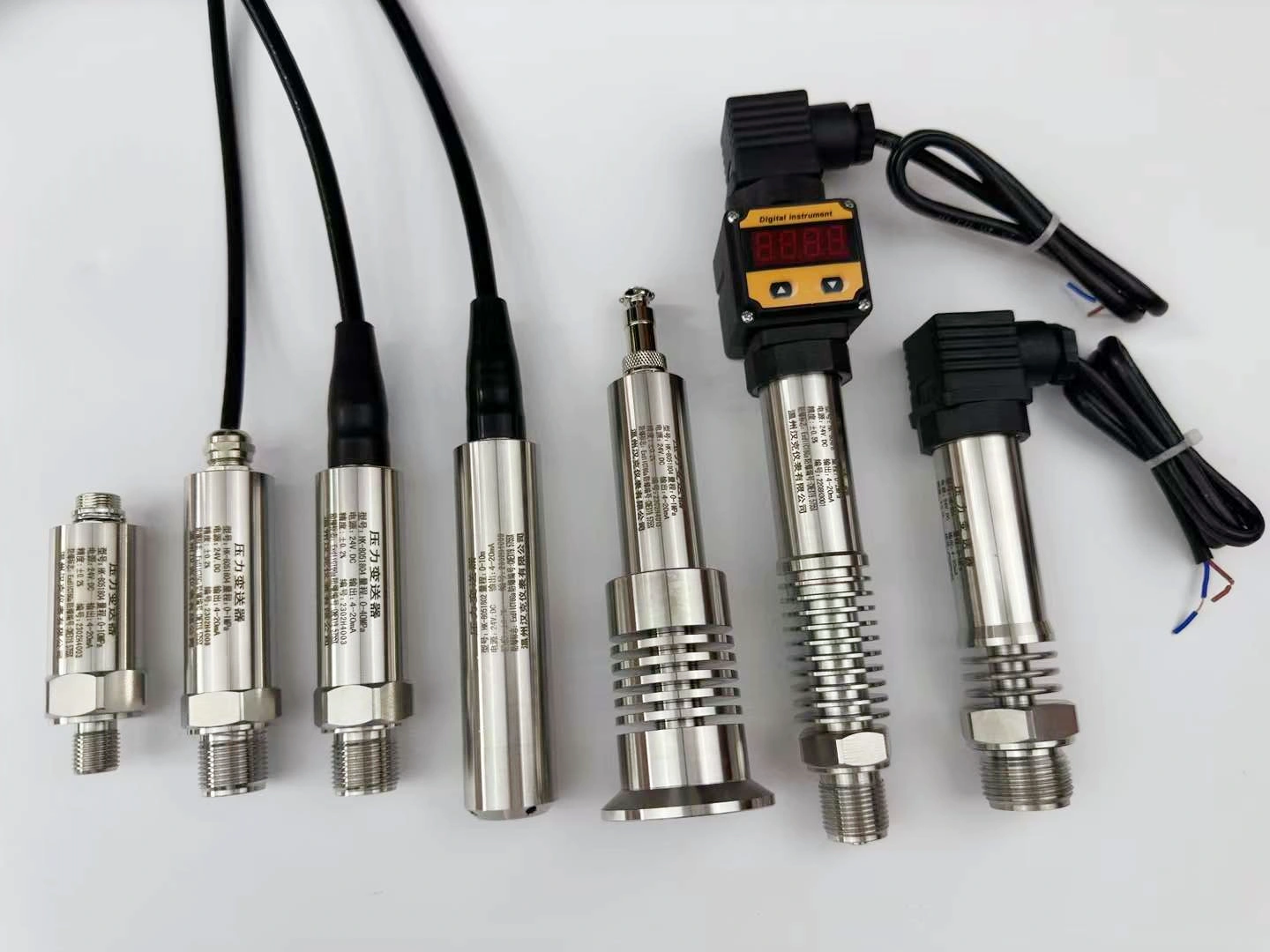
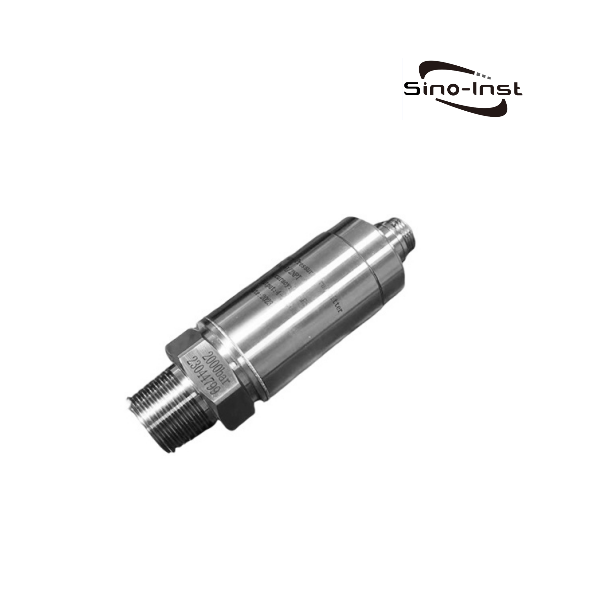
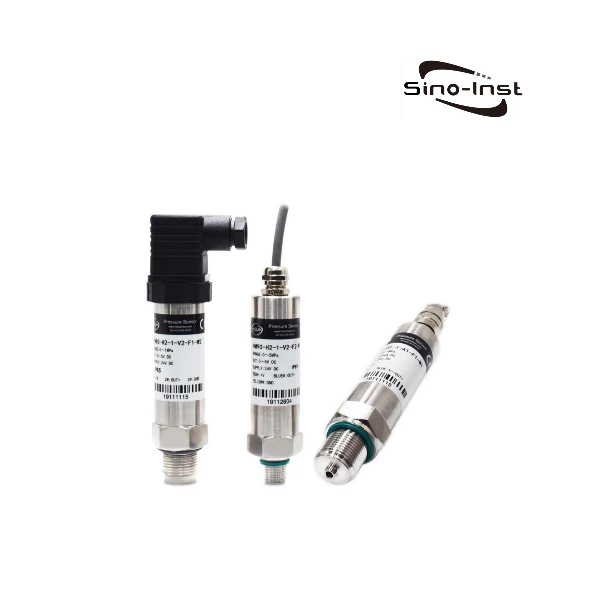
Analog pressure transducers convert measured pressure into a continuous analog signal output. It provides an output signal proportional to the pressure being measured. Common analog output methods are: 4-20mA, 0-5/10V DC, 0.5-4.5V DC, 0.5V~2.5V DC.
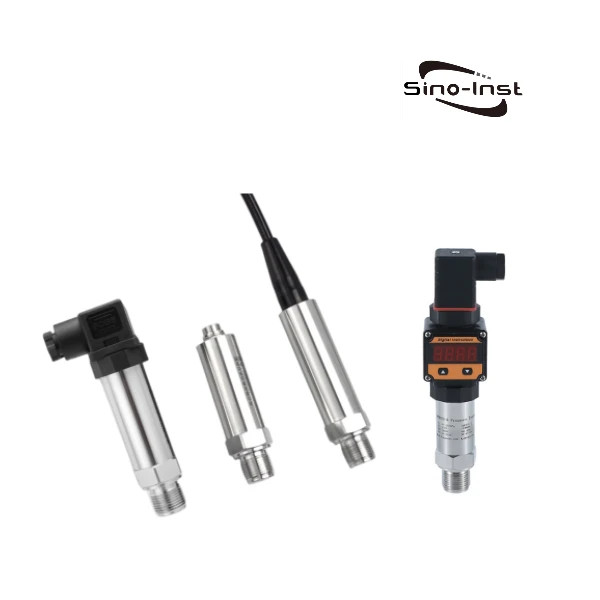
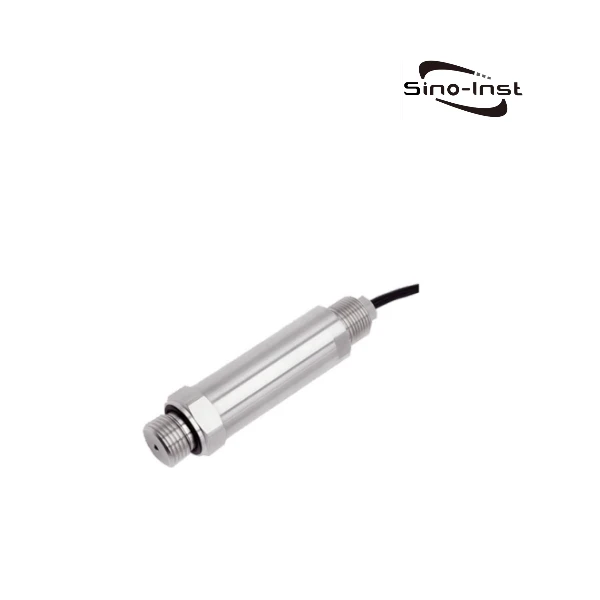
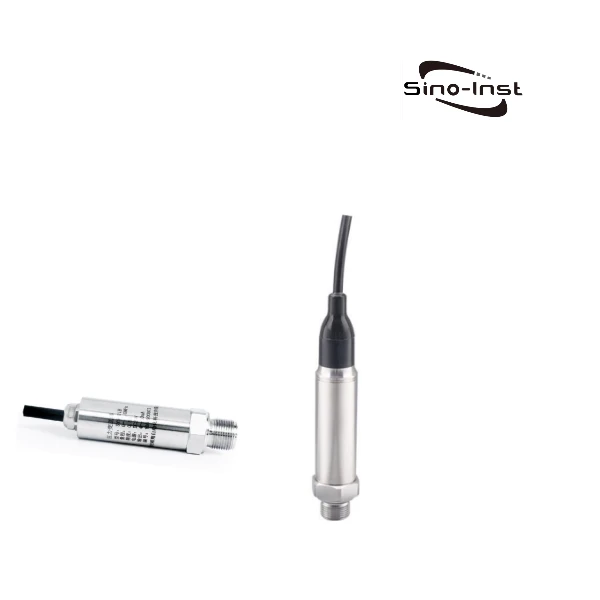
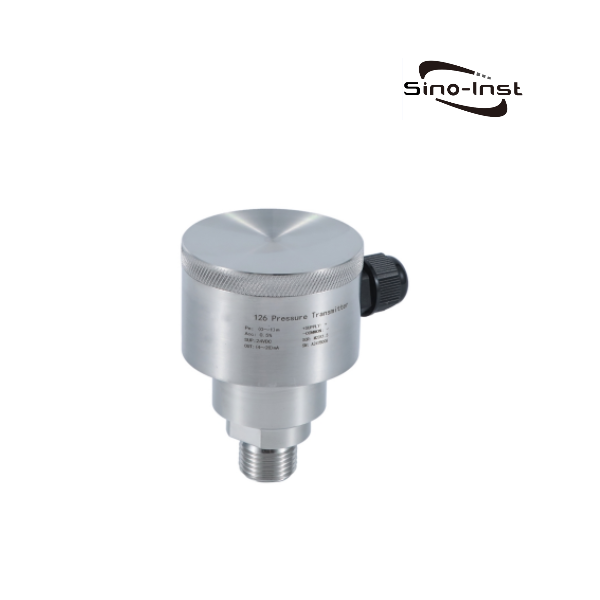
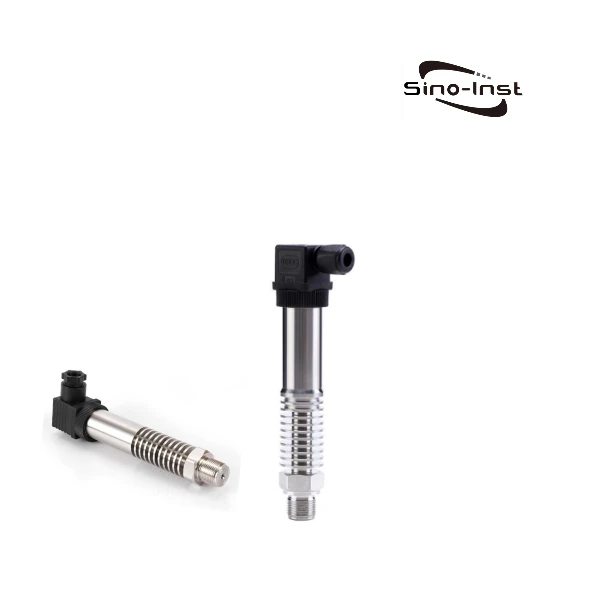
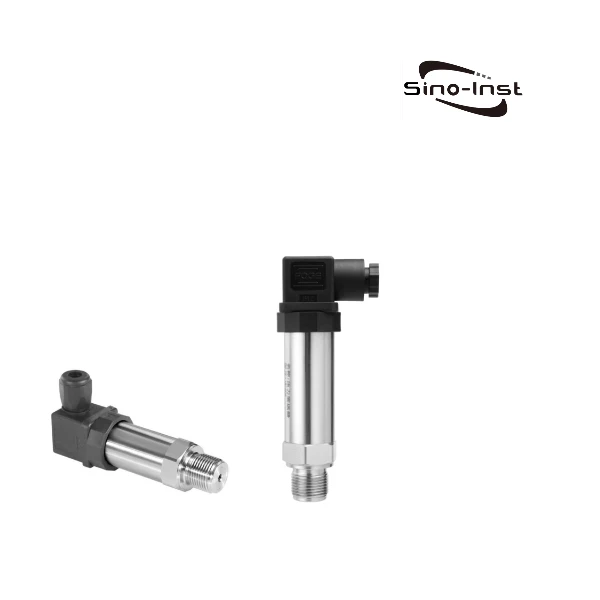
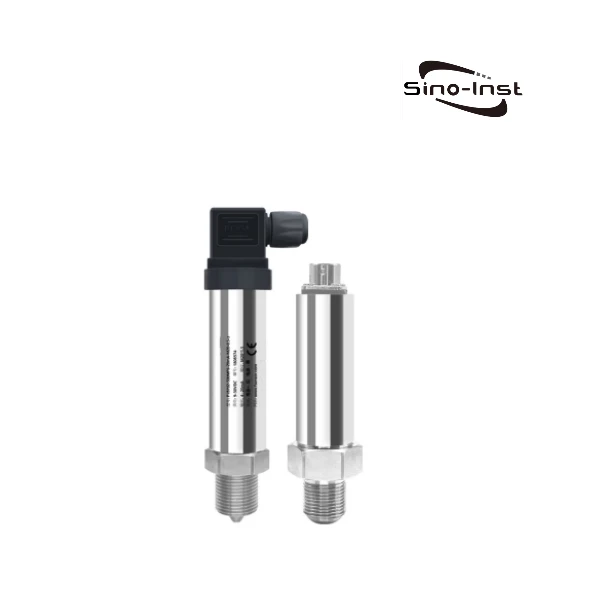
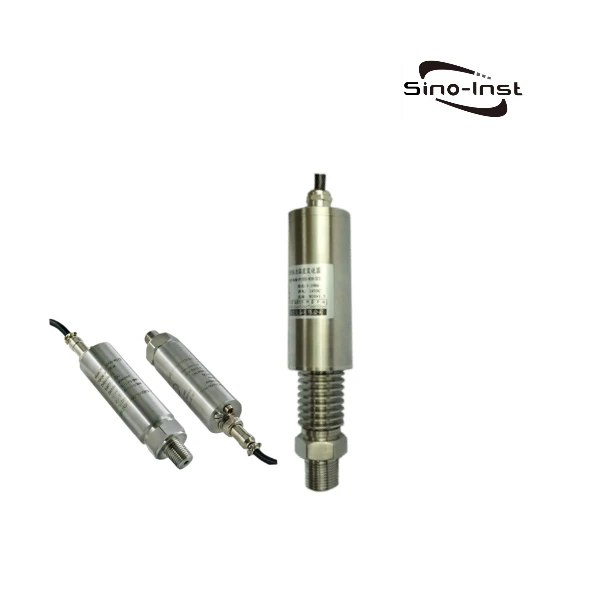
Sino-Inst manufactures and supplies a wide range of analog pressure transducers, from compact, cost-effective OEM transducers to high temperature, high pressure, high precision transducers. Analog pressure transducers are widely used in a variety of industrial, commercial and laboratory applications and are important tools for measuring and monitoring pressure.
4-20mA (2-wire) – cable runs over 10 m, PLC/DCS analog input, noisy plants. The signal rides on the supply loop, and 4 mA at zero tells you the wire is intact. This is the default for most industrial jobs.
0-5V / 0-10V / 1-5V (3-wire) – short cable to a DAQ, data logger or ADC board. Cheaper receiver side; use shielded cable.
0.5-4.5V ratiometric – 5 V supply, OEM equipment, vehicles and compressors.
Pick a range about 1.5× your working pressure, then match the model in the table below. Same sensor body, any of these outputs – tell us the pressure range, media and thread and we reply with a model number and price within one working day.
An analog sensor is a sensor that measures a physical quantity or phenomenon and provides an output signal proportional to the quantity being measured. In other words, analog sensors produce a continuous analog output signal that represents the precise value of the parameter being measured, without the need for any discretization or digital conversion.
Key characteristics of analog sensors:
Continuous Output: Analog sensors provide an output signal that continuously changes as the measured parameter changes. For example, a temperature sensor may output a voltage or current signal that changes smoothly as the temperature changes.
Voltage or current output: Analog sensors typically produce an output signal in the form of voltage or current. The amplitude of the signal corresponds to the amplitude of the measured parameter. The accuracy of analog sensors can be affected by factors such as noise and environmental conditions.
Limited Accuracy: Analog sensors have limited accuracy compared to digital sensors. The accuracy of analog sensors can be affected by factors such as noise and environmental conditions.
Direct connection: If digital data is required, analog sensors are usually connected directly to an analog measurement device or an analog-to-digital converter (ADC). ADC converts analog signals into digital format for further processing and analysis.
Application areas: Analog sensors are often used in applications that require continuous and real-time monitoring of physical quantities. Examples of analog sensors include thermocouples, strain gauges, and pressure sensors.
Analog sensors are valuable in scenarios that require granular, real-time data. The inherent continuity of its output is crucial. They are commonly used in areas such as industrial automation, environmental monitoring, and scientific research. In contrast to digital sensors, which quantize data into discrete values, analog sensors directly represent the measured physical quantity. The choice between analog and digital sensors depends on specific application requirements, accuracy needs, and the ability to process and analyze continuous data.
Digital sensors are an important part of modern technology and data collection. They play a key role in capturing various physical phenomena and converting them into digital signals that can be processed, analyzed, and used in a variety of applications.
At its core, digital sensors are devices that measure physical quantities (such as temperature, humidity, pressure, light or dew point) and quantify them into digital form. In other words, it takes simulated physical data and converts it into discrete digital values, usually in the form of binary codes (0s and 1s).
Key characteristics of digital sensors:
Discrete output: Digital sensors produce discrete quantized output values. These values are usually represented in binary codes, making them suitable for processing by digital systems, microcontrollers, and computers.
Precision and Accuracy: Digital sensors are known for their high precision and accuracy. They provide highly reliable and consistent measurements, which is critical in applications requiring data integrity.
Digital Signal Processing: Many digital sensors are equipped with built-in digital signal processing capabilities. This means they can perform tasks such as calibration, filtering and data compression, making them versatile and adaptable to a variety of applications.
Communication interface: Digital sensors often have communication interfaces such as I2C, SPI, or UART, allowing them to easily interface with other digital devices or microcontrollers. This facilitates data transfer and integration into larger systems.
Compatibility with microcontrollers: Digital sensors are ideal for use with microcontrollers and digital systems. They can interface directly with these devices, simplifying the integration process.
Enhanced features: Digital sensors often offer additional features such as data logging, real-time clock functionality, and graphical user interface compatibility, making them ideal for complex applications.
In summary, digital sensors are favored for their accuracy and adaptability in a wide range of applications ranging from industrial and scientific to consumer electronics. They transform data collection by providing reliable, quantified data that is easy to process and analyze in the digital realm.
What is the difference between analog and digital transducers?
The difference between analog sensors and dgital sensors mainly lies in their output signal type and data processing method.
Analog sensors output continuously changing analog signals, while digital sensors output discrete digital signals. An analog signal is a continuously changing electrical signal whose amplitude and frequency can vary continuously. A digital signal is a signal composed of a series of discrete values, which are represented by binary codes.
The output signals of analog sensors need to be processed by analog circuits before they can be read and utilized by digital devices such as microprocessors. This processing method is easily affected by noise and distortion, resulting in low measurement accuracy.
The output signal of a digital sensor can be directly connected to a digital device. It is processed through digital circuits, so it has higher anti-interference ability and measurement accuracy.
For example, pressure transmitters can be divided into analog output and digital output according to the output mode:
Common analog output methods are: 4-20mA, 0-5/10V DC, 0.5-4.5V DC, 0.5V~2.5V DC. Common methods of digital output are: RS485-Modbus and I²C.
The output signal of an analog pressure sensor is an analog voltage or current signal. It needs to be amplified and filtered through analog circuits before it can be read by the microprocessor.
The output signal of the digital pressure sensor is a digital signal that can be directly connected to the microprocessor for processing, so it has higher measurement accuracy and anti-interference ability.
To sum up, the difference between analog sensors and digital sensors mainly lies in the output signal type and data processing method. Digital sensors have higher measurement accuracy and anti-interference ability, so they are widely used in many application fields.
Analog output signal of pressure transmitter: 4~20 mA
In industrial automation, especially in pressure transmitters, current signals of 4~20 mA are the most commonly used signals for analog value transmission. This signal is widely used because of its ease of processing and, in particular, its immunity to interference.
Current signals have higher EMC immunity than voltage signals. Because electromagnetic interference is injected into the signal line as a voltage signal and causes very small changes in current at the receiver input resistance.
4 ~ 20 mA signals are very widely used in the transmission of pressure values. For example, in the production process, the pressure range of the pressure transmitter from 0 to 10 bar is converted into a current signal of 4 to 20 mA through the electronic equipment in the instrument.
As a two-wire signal, the 4…20 mA signal is preferred over the three-wire version because it saves wires and errors are easier to detect.
Analog output signal of pressure transmitter: DC voltage 0~10 V, DC voltage 1~5 V, DC voltage 1~10 V
In addition to the current signals above, voltage signals 0~10 V, 1~5 V and 1~10 V are also used to transmit measured values in industrial automation.
Like current signals, voltage signals have the advantage of being easy to use and allowing problems to be identified with a simple multimeter. For voltage signals, electromagnetic interference can easily lead to erroneous readings of measured values or control signals. This is why shielded wire must be used for such signals.
Voltage signals of 0~10 V, 1~5 V and 1~10 V are often used for motor set point signals. Although temperature and pressure transmitters can also be used with these electrical outputs.
Similar to the current signal, the actual pressure on the transmitter is converted into a voltage value and transmitted over three wires.
The 1~5 V and 1~10 V signals have the advantage that by setting an effective zero value of 1V, short circuits in the line can also be detected.
How To Choose An Analog Pressure Transducer
When selecting an analog pressure transducer, we recommend that you consider the following parameters:
1. Pressure range: Standard pressure transducers measure pressures from 0 to 60 MPa. For higher pressures or vacuum applications, you will need to select a specialized model.
2. Medium: The wetted parts of pressure transducers are typically made of 316 stainless steel. If the medium is corrosive or contains highly viscous impurities, you should select a flat-diaphragm design or a custom corrosion-resistant material.
3. Output Signal: In addition to the 4–20 mA current and 0–5/10 V voltage discussed in this article, other options include RS-485, HART, CAN, and more.
4. Process Connection Size: This refers to the location where you plan to install the sensor—whether it is threaded or flanged, and the specific dimensions. Accurate dimensions are essential to ensure proper installation.
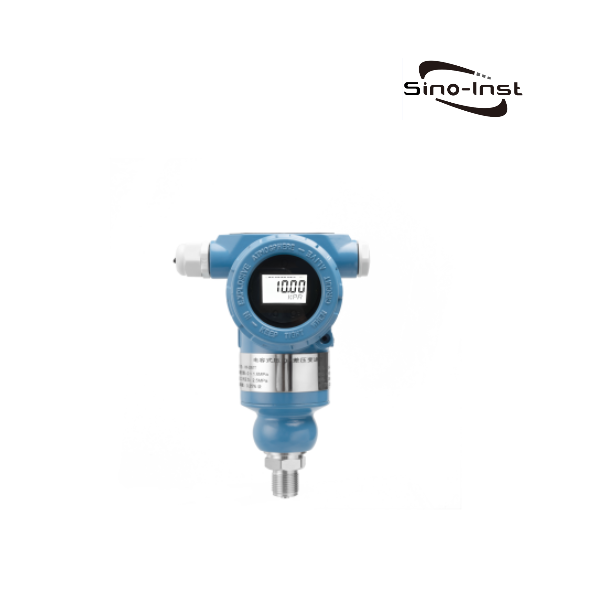
5. Local Display: The device can be configured with an LED or LCD to display pressure values in real time.
6. Process Temperature and Ambient Temperature: Process temperature can be customized within the range of -250 to 1200°C. Ambient temperature is generally within -35 to 80°C.
7. Accuracy requirements: Standard pressure transmitters have an accuracy of 0.5% FS. Higher accuracies, such as 0.25% FS or 0.1% FS, can be customized.
8. Certification requirements: For example, CE, explosion-proof, oxygen-purged, and other certifications.
With these parameters, you should be able to select a suitable pressure transmitter. Alternatively, you can send these parameters directly to us, and our sales engineers will help you choose the appropriate pressure measurement solution.
Analog Pressure Transducer Price
Analog pressure transducers price on the US market range from about $20 for OEM ratiometric units to $400-$1,600 for branded 0.1%-class or ultra-high-pressure models (Google Shopping, 2026-09). Standard pressure transducers are not expensive. Specialized ranges, accuracy, high/low temperature capabilities, ex-approval ratings, and output types drive the price up to the brand. Send your specification for a written quote; most general-purpose ranges are quoted the same day.
Analog Pressure Transducers are widely used in a variety of industrial, commercial, and laboratory applications and are an essential tool for measuring and monitoring pressure.
Sino-Inst manufactures and supplies a wide range of pressure transmitters with analog signal output. Optional 4-20mA, 0-5/10V DC, 0.5-4.5V DC, 0.5V~2.5V DC and other analog signals. And supports the customization of pressure, temperature and other parameters. If you need to purchase Industrial Analog Pressure Transducers, or have related technical questions, please feel free to contact us.
Zhang Wei, possesses 20 years of experience as an automation instrumentation engineer, specializing in the research, design, installation, commissioning, and maintenance of automation instruments.
Face to various instrument communication protocols (such as Modbus, Profibus, etc.), with solid hardware circuit design and software programming skills (proficient in C language and PLC programming). Has extensive project experience; projects he has led and participated in have all achieved outstanding results, improving product accuracy, reducing costs, and increasing production efficiency.
Possesses excellent communication and coordination skills and a strong team spirit, enabling him to quickly respond to customer needs and provide high-quality automation instrumentation solutions.