Home > Blog
2025.12.24

Orifice Plate Tapping Guide

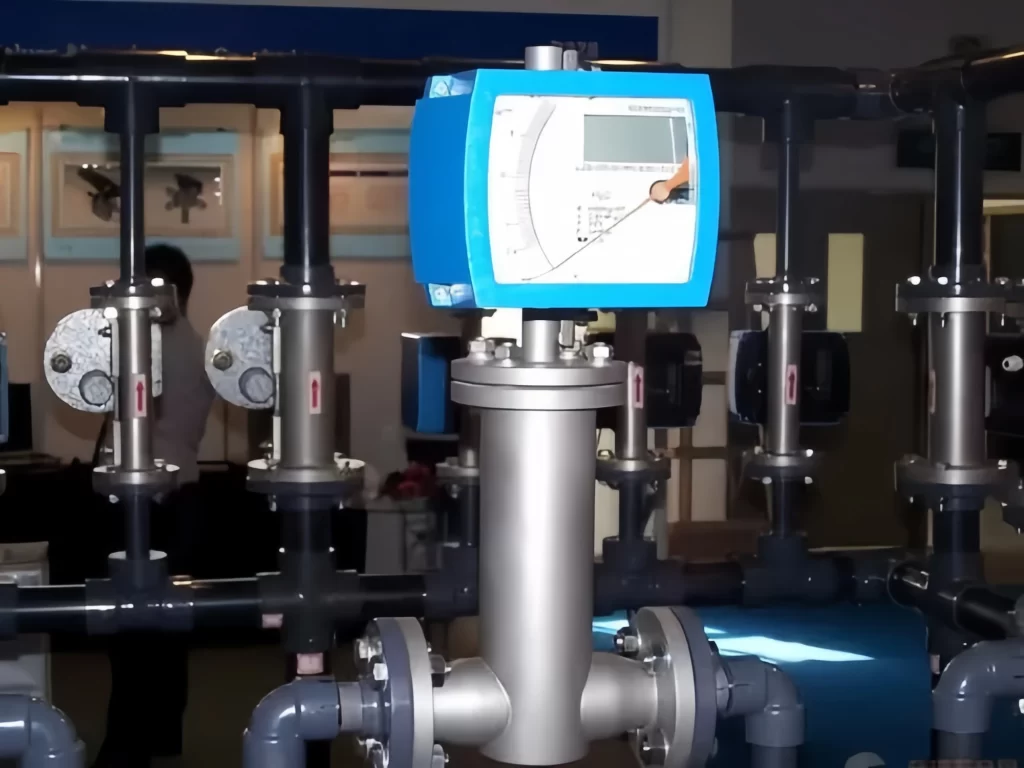
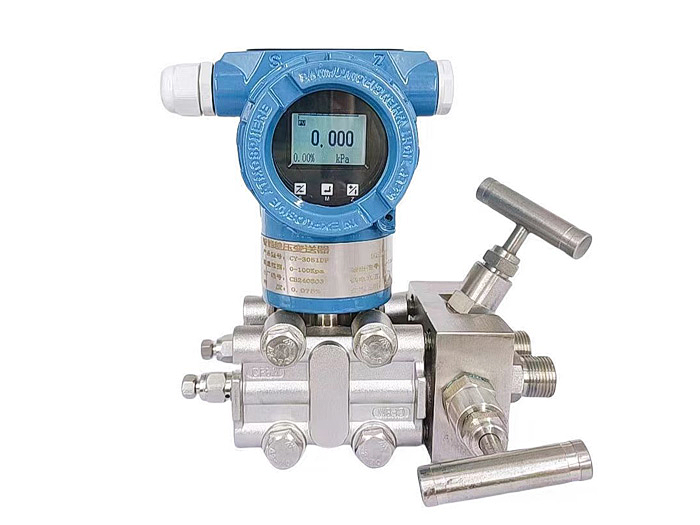
An orifice plate flow meter is a high-range differential pressure flow measurement device consisting of a standard orifice plate and a multi-parameter differential pressure transmitter. Orifice plate tapping refers to the method of extracting the differential pressure before and after the orifice plate. Common types of orifice plate pressure taps include: flange taps, corner taps, and radius taps (D-D/2 taps). In orifice differential pressure flow measurement systems, the choice of tapping method significantly affects measurement accuracy, installation complexity, and maintainability. RFQ Tabl......

2025.12.24

G Thread vs NPT for Pressure Transmitters

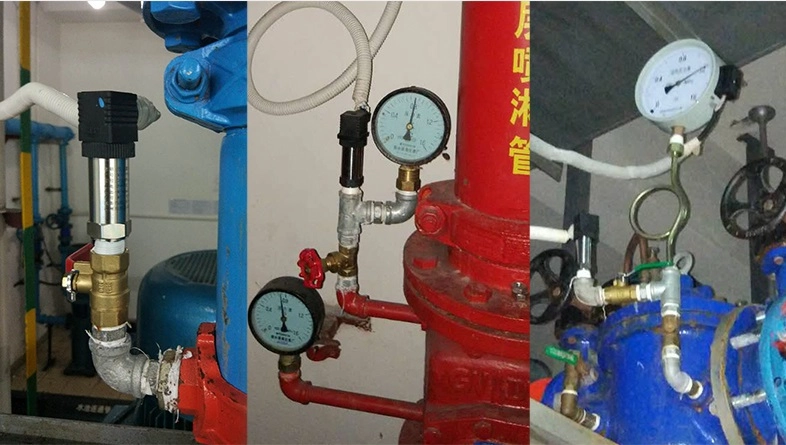
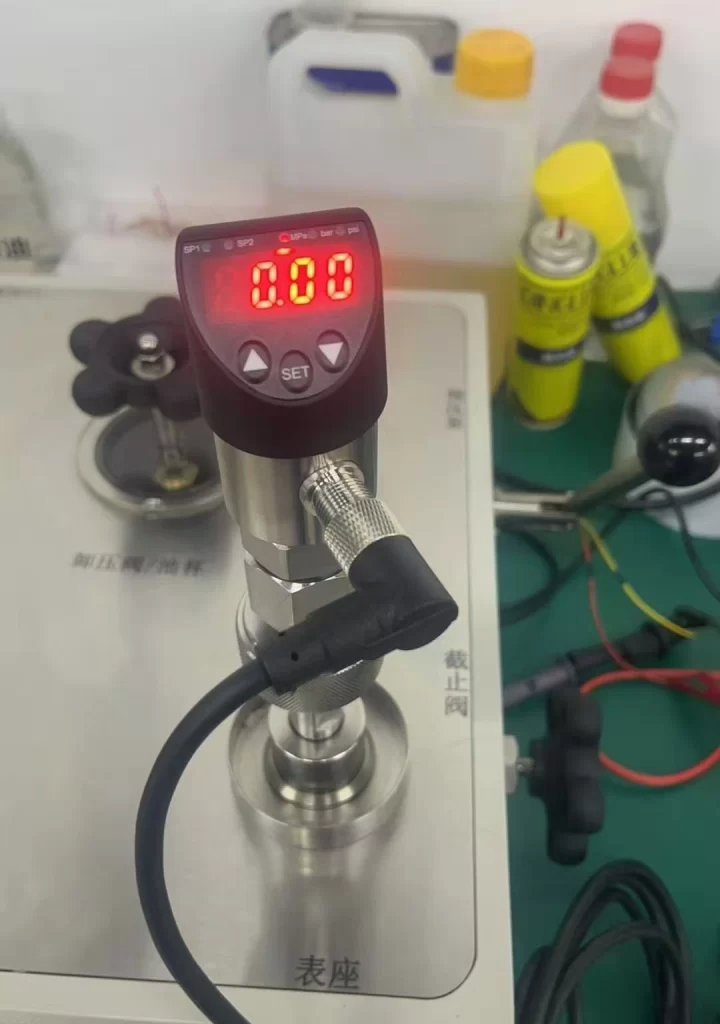
Compare the G Thread vs NPT thread used in pressure transmitters. Understand the difference between 55-degree parallel threads and 60-degree tapered threads to ensure a secure seal. Pressure transmitters utilize various process connection methods, such as threaded, flanged, and clamped connections. Threaded connections are the most commonly used. When adding or replacing a pressure transmitter, it is essential to confirm the thread size. Common examples include 1/2″ NPT, 1/4″ NPT, G1, G1/4 threads, and some special threads like 9/16-18″ UNF, etc. Confirming the pressure trans......

2025.12.23

What is a Dynamic Pressure Sensor? Vs. Static

Master dynamic pressure sensor technology. We’ll guide you through the piezoelectric principle, fast response characteristics, and industrial applications. What is a Dynamic Pressure Sensor? Dynamic pressure sensors are specifically designed to measure dynamic pressure with high frequency variations and steep pressure waveform rise times. They measure instantaneous pressure changes, not “average” pressure. Dynamic pressure sensors have a high natural frequency, extremely short rise time, and a wide and excellent response frequency band to ensure sufficient dynamic pressure me......

2025.12.22

Capacitive Level Transmitters: How They Work

In the rapidly developing industrial sector, liquid level measurement is becoming increasingly important. Capacitive level transmitters are an important solution. They have no moving parts and are unaffected by water vapor, dust, or condensation. They are widely used in the petroleum, chemical, and pharmaceutical industries. Capacitive level transmitters are a key technology for monitoring the levels of liquids and solid powders. They can be used to measure the levels of liquids, oils, and solids. In this article, we will delve into capacitive level transmitters to help you make an informed ch......

2025.12.21

What is a Reaction Torque Sensor? Product Lists and Guide

What is a Reaction Torque Sensor? By definition, a reaction torque sensor is a type of torque sensor specifically designed to measure reaction torque values ​​and convert them into a standardized electrical signal. It is also called a static torque sensor or a reaction sensor. Reaction torque sensors are limited in that they cannot rotate 360 ​​degrees without cable entanglement. What is reaction torque? It is the rotational force or moment applied to the stationary part of a device when the rotating part is transmitting or absorbing power. Torque is detected if the load source remains rigid w......

2025.12.18

10 Steps to Size a Turbine Flow Meter

Need to size a turbine flow meter? Are you still only choosing based on pipe diameter? Please stop immediately. Turbine flow meters account for a significant portion of industrial flow measurement processes due to their low cost and wide range of media compatibility. However, sizing a turbine flow meter is not as simple as just matching the pipe diameter. It also requires considering 10 factors related to actual operating conditions, such as media characteristics, temperature, pressure, and signal output. We hope that by sharing our experience, we can help you choose the most suitable turbine ......

2025.12.17

What is a Radar Level Sensor? Selection Guide with Example

What is a Radar Level Sensor? A radar level sensor is an instrument that uses microwave echo ranging to measure liquid levels non-contactly. It can measure both liquid and solid levels and is widely used in river level measurement, container, storage tank, and silo level monitoring. Measurement accuracy is up to ±1mm, and the measurement range can reach 150m. RFQ Table of Contents1. Flange Pressure Tapping2. Corner Tapping3. Radius Tapping (D – D/2 Tappings)Orifice Plate Flowmeter Working PrincipleTypes of Orifice PlatesIntegrated Orifice Plate Flow MeterMore Flow Measurement Solutions H......