Home > Blog
2023.4.10

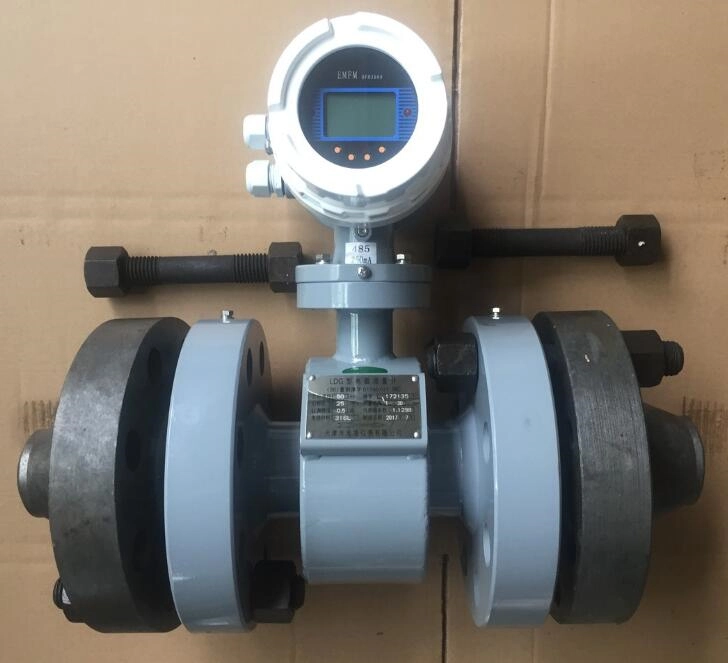
High Pressure Magnetic Flow Meter |16MPa-25MPa-35MPa-42MPa

LDG series High Pressure Magnetic Flow Meter is used to measure the volume flow of conductive fluids in closed pipes. This high-pressure flowmeter adopts excitation technology, and the conversion efficiency of the excitation circuit is extremely high, which is suitable for the measurement of polymer solutions for polymer injection in oil fields. Especially for the flow measurement of high-pressure pipelines, the stability is higher. Can customized meet 1.6MPa; 2.5MPa; 6.4MPa; 16MPa; 25MPa; 42MPa. RFQ Table of ContentsFeatures of High Pressure Magnetic Flow MeterTechnical parametersapplication ......
2023.3.30

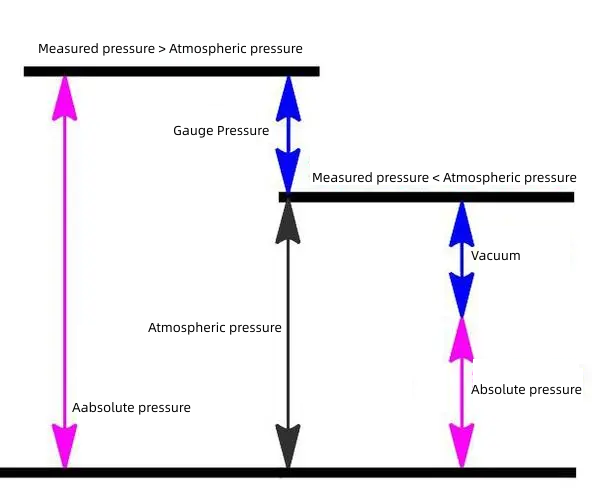
Gauge Pressure vs Absolute Pressure | Differences and Relationships

Selecting the appropriate pressure reference—gauge or absolute—is crucial for accurate pressure measurements. An incorrect choice may result in errors of around 1 bar, especially for low range devices. In this article, we aim to clarify the differences between gauge and absolute pressure measurements, providing a clear understanding of their definitions and applications. By exploring these distinctions, you’ll be better equipped to choose the right pressure range for your instrumentation, ensuring accurate and reliable results. RFQ NOW Table of ContentsFeatures of High Pressure Magnetic ......

2023.3.29

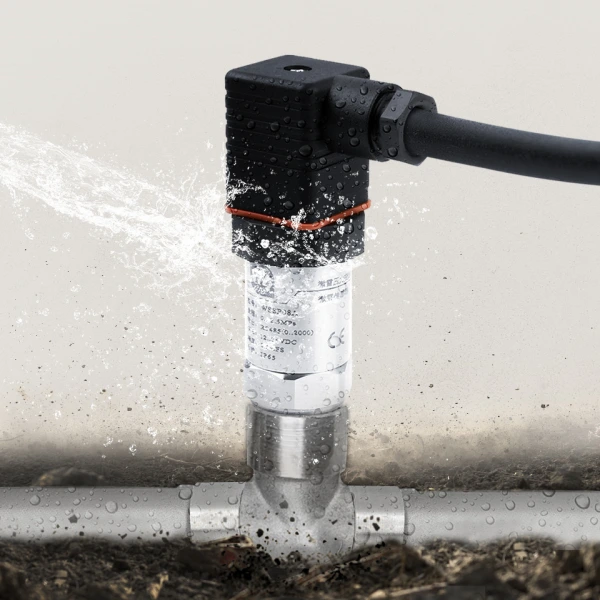
Industrial Water Pressure Sensors | Selection Guide

Water pressure sensors play a crucial role in managing water flow and levels in various industrial applications. These sensors can be analog or digital, with some even offering wireless capabilities for easier integration. They help monitor water levels, control pumps, and measure the depth, differential, and gauge pressure in high-pressure systems. Whether you’re dealing with water flow control or high-pressure environments, selecting the right water pressure sensor is essential for maintaining efficiency and ensuring the proper functioning of your system. RFQ NOW Table of ContentsFeatu......

2023.2.11

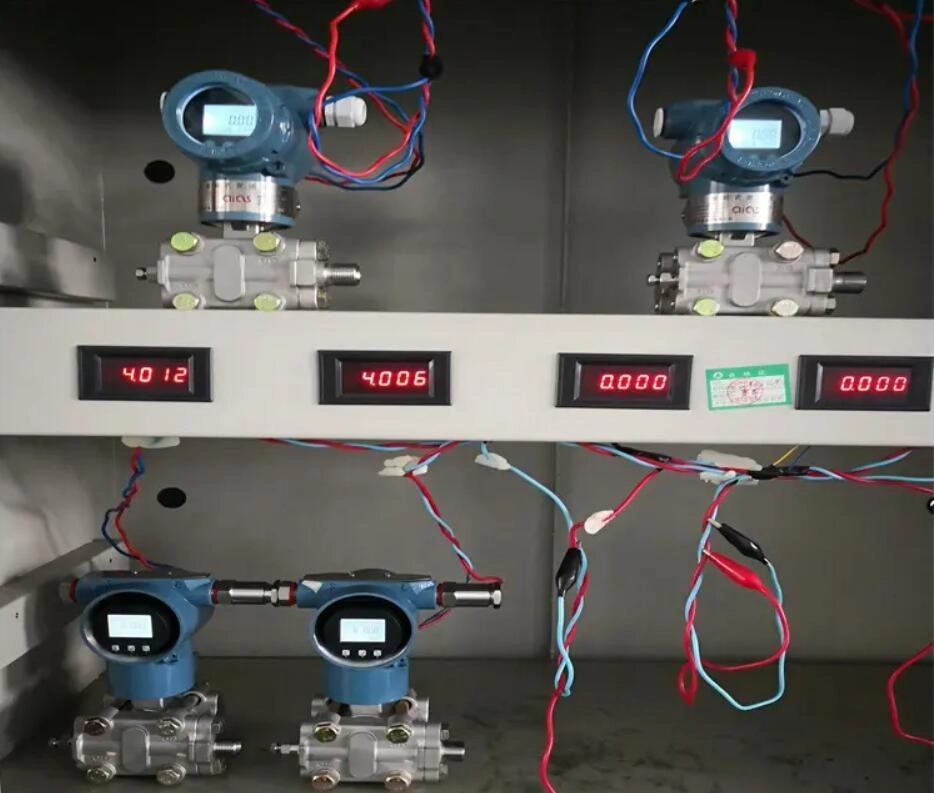
How to calibrate a pressure transmitter? How often?

Calibrate a pressure transmitter is an important step in ensuring its accurate and reliable measurements. It is normal for the pressure transmitter to have a certain error. But if the error is too large, it needs to be calibrated. There are two types of calibration for pressure transmitters: conventional method and intelligent calibration. No matter what it is, you must make preparations before calibration. And then perform calibration and debugging through the handheld operator. Let’s take a look at how to calibrate the pressure transmitter. RFQ NOWPressure Transmitters Table of Content......

2023.2.6

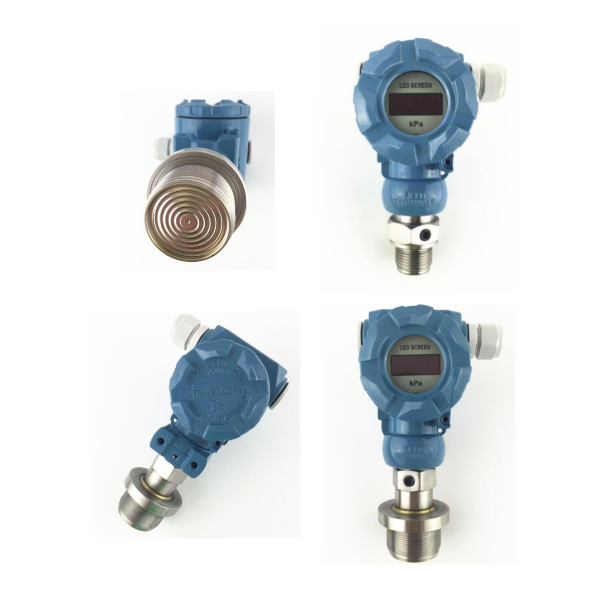
10 Point Guide! Selection of Pressure Transmitters

Selection of pressure transmitters is related to its use. Generally, when selecting, it is necessary to consider many factors comprehensively. Including what kind of pressure to measure, what kind of pressure medium, accuracy requirements, temperature range, and how to obtain The output signal? Do you need an interchangeable pressure transmitter? Stability and so on. When selecting a pressure transmitter, the principles of applicability, economy, convenience, easy maintenance, and intelligence should also be followed. Let’s take a look at how to choose a pressure transmitter. RFQ NOW Tab......

2023.1.17

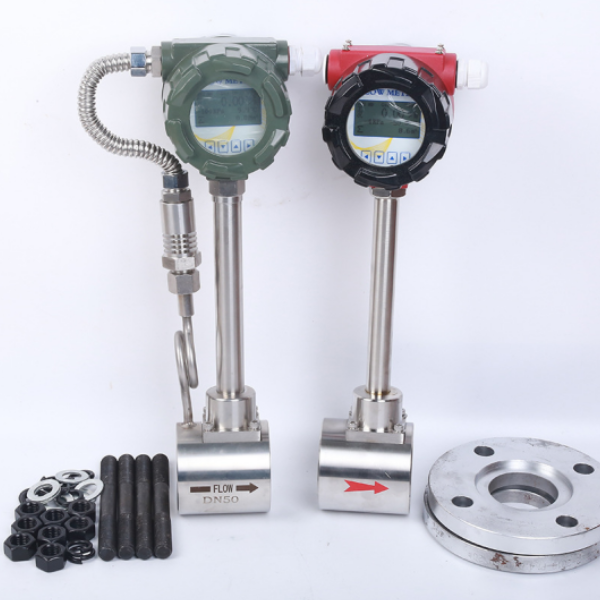
Checklist: Vortex Flow Meter Advantages and Disadvantages

What are the advantages and disadvantages of vortex flowmeters? Understanding Vortex Flow Meter Advantages and Disadvantages can help us better choose the right flow meter. The vortex flowmeter is a volume flowmeter based on the Karman vortex principle to measure the volume flow of gas, steam or liquid, the volume flow under standard conditions, or the mass flow of gas, steam or liquid. A vortex is formed when fluid flows through the collection rod of a vortex flowmeter. The frequency of vortex shedding is proportional to fluid velocity and can be configured for temperature and pressure compen......

2023.1.16

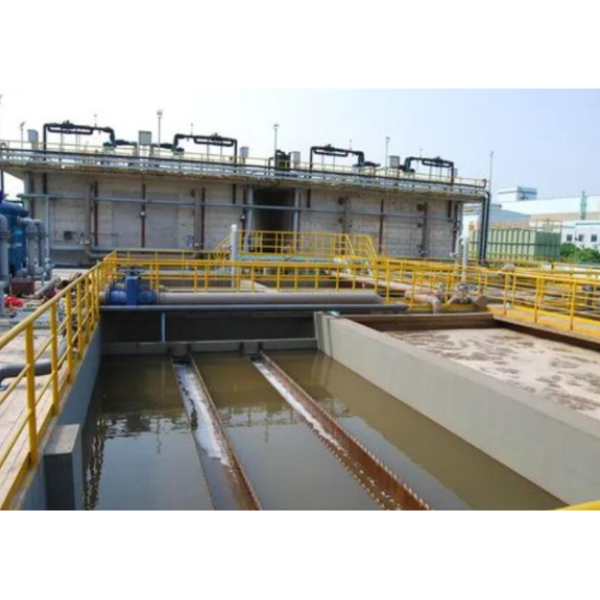
Industry Application: Paper Mill Slurry Wastewater Treatment System

The pulp and paper industry is a major water consumer and one of the leading wastewater generators. Paper industry wastewater can be divided into two types: sulfate pulp wastewater and sulfite pulp wastewater. Wastewater discharged from the pulping process is the most polluting. It contains large amounts of organic matter and suspended solids, as well as numerous chemicals and impurities, and is a major source of water pollution. Sino-Inst provides supporting instrumentation for the pulp and paper industry, including flow meters, level transmitters, and pressure transmitters. RFQ Now Table of ......