Home > Blog
2023.6.7

Industrial Fuel Flow Meters – Choose the Right one for You

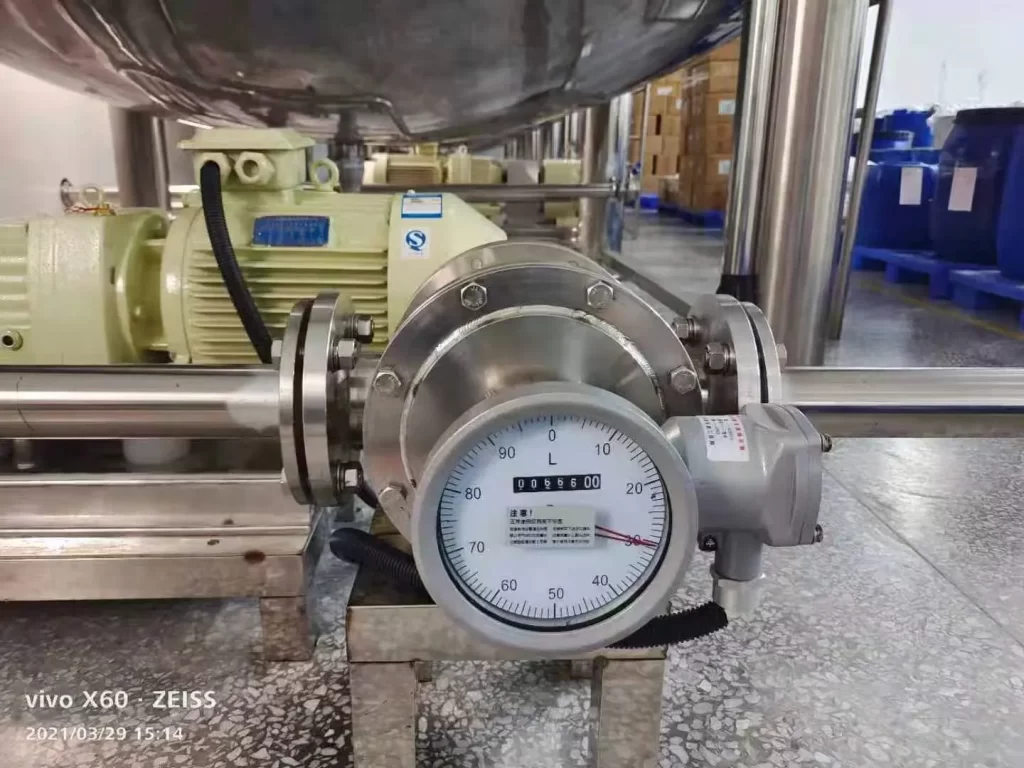
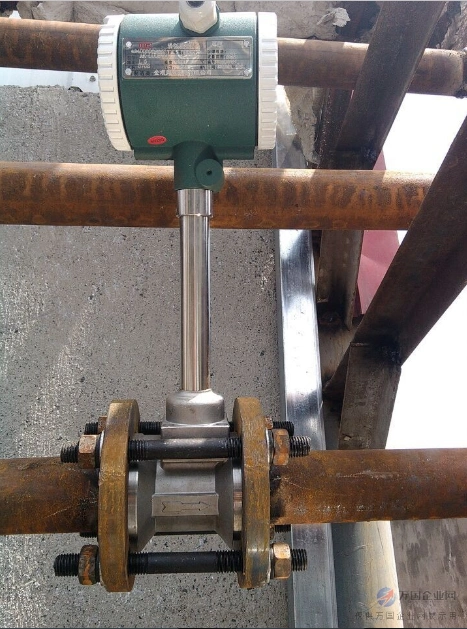
Every drop counts when it comes to fuel. Precise fuel management is a critical need in various industries, be it aviation, marine, automotive, or oil & gas. And, the device at the heart of it all is the fuel flow meter. For those looking for an ideal fuel flow measurement solution, this guide will help you understand the world of fuel flow meters and pick the right one that fits your industrial needs. RFQ Table of ContentsWhat is a Fuel Flow Meter?Featured Industrial Fuel Flow MetersWhy are Fuel Flow Meters Important in Industry?Different Types of Fuel Flow Meters7 Factors to Consider When......
2023.4.20

Top Guide to CO2 Flow Meters

CO2 flow meters are essential tools for measuring and monitoring carbon dioxide gas flow in various industries and applications. Our guide will help you understand the different types of CO2 flow meters, their applications, and how to choose the right one for your specific needs. RFQ Table of ContentsWhat is a Fuel Flow Meter?Featured Industrial Fuel Flow MetersWhy are Fuel Flow Meters Important in Industry?Different Types of Fuel Flow Meters7 Factors to Consider When Choosing a Fuel Flow MeterCase Study: Customized Heavy Oil Flow Meter for a Coal Fired Steam Power PlantMore Flow Measurement S......

2023.4.18

Ultrasonic Clamp on Flow Meter for Quick & Easy Measurements

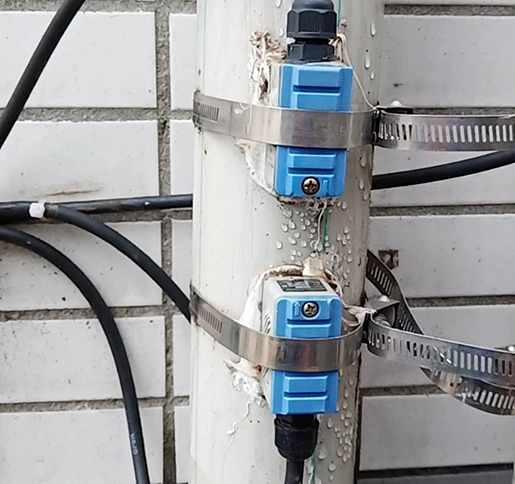
What is clamp on ultrasonic flow meter? Ultrasonic clamp on flow meters is a non-contact flow measurement device. By installing a pair of sensors on the outside of the pipe, the flow of liquid fluid is measured using the transmission and reception of ultrasonic waves. There are two types of non-contact ultrasonic flowmeter technology, including Doppler technology and transit time technology. Ultrasonic clamp on flow meters have become increasingly popular due to their non-invasive nature, quick installation, and ease of use. RFQ Table of ContentsWhat is a Fuel Flow Meter?Featured Industrial Fu......

2023.4.17

What Is a 4 to 20 Milliamp Signal?

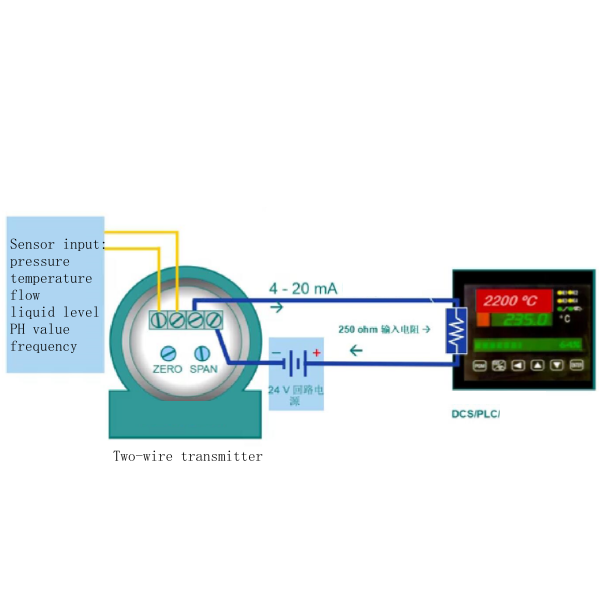
In the world of industrial process control and measurement, the 4 to 20 milliamp (mA) signal is a crucial component. It’s a reliable, widely-used method for transmitting analog signals over long distances in various industries. This article will provide an in-depth understanding of what a 4 to 20 Milliamp signal is, its advantages, applications, and how to work with 4-20 mA systems. RFQ Table of ContentsWhat is a Fuel Flow Meter?Featured Industrial Fuel Flow MetersWhy are Fuel Flow Meters Important in Industry?Different Types of Fuel Flow Meters7 Factors to Consider When Choosing a Fuel ......

2023.4.13

Top 3 Flow Meters for Oil

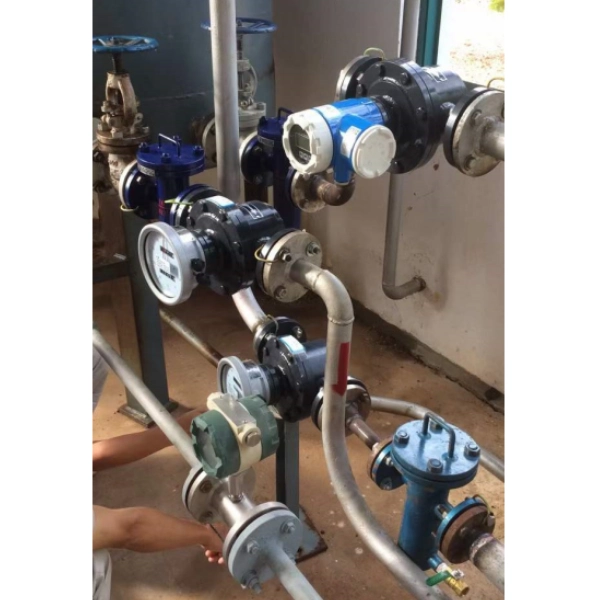
Flow Meters for Oil are essential tools in the gas industry, making accurate flow measurement of liquids like crude oil, biodiesel, and diesel fuel possible. With a variety of options, such as turbine, ultrasonic, and mass flow meters, these devices ensure precise measurement in various applications, from heating oil to vegetable oil. In this easy-to-read guide, we’ll explore the top 3 flow meters used in the oil sector, helping you find the perfect solution for your flow measurement needs. Discover the best flow meters to optimize your business operations and keep up with industry deman......

2023.4.10

High Pressure Magnetic Flow Meter |16MPa-25MPa-35MPa-42MPa

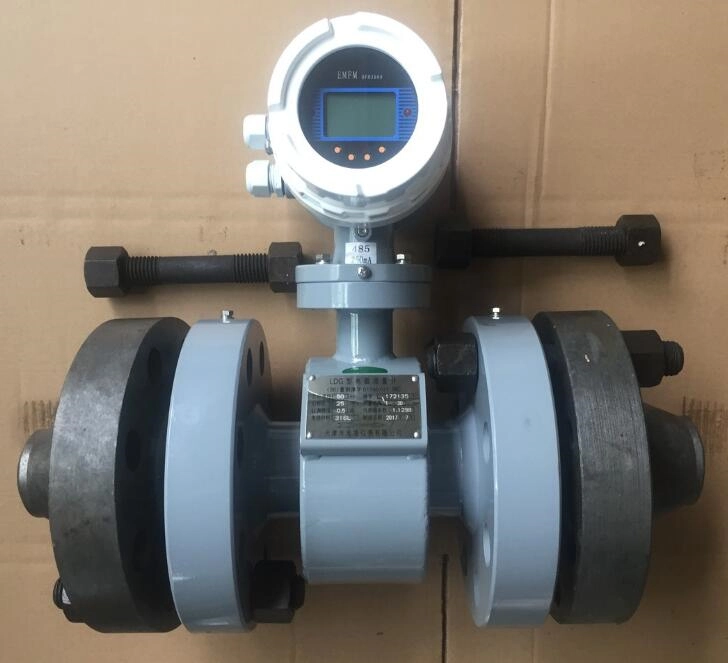
LDG series High Pressure Magnetic Flow Meter is used to measure the volume flow of conductive fluids in closed pipes. This high-pressure flowmeter adopts excitation technology, and the conversion efficiency of the excitation circuit is extremely high, which is suitable for the measurement of polymer solutions for polymer injection in oil fields. Especially for the flow measurement of high-pressure pipelines, the stability is higher. Can customized meet 1.6MPa; 2.5MPa; 6.4MPa; 16MPa; 25MPa; 42MPa. RFQ Table of ContentsWhat is a Fuel Flow Meter?Featured Industrial Fuel Flow MetersWhy are Fuel Fl......

2023.3.30

Gauge Pressure vs Absolute Pressure | Differences and Relationships

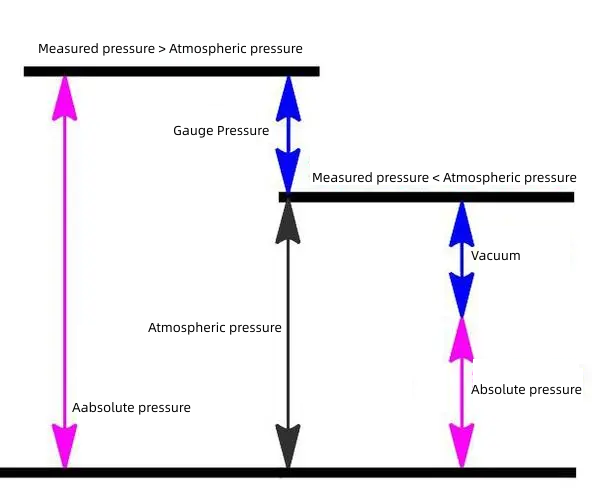
Selecting the appropriate pressure reference—gauge or absolute—is crucial for accurate pressure measurements. An incorrect choice may result in errors of around 1 bar, especially for low range devices. In this article, we aim to clarify the differences between gauge and absolute pressure measurements, providing a clear understanding of their definitions and applications. By exploring these distinctions, you’ll be better equipped to choose the right pressure range for your instrumentation, ensuring accurate and reliable results. RFQ NOW Table of ContentsWhat is a Fuel Flow Meter?Featured ......