Home > Blog
2025.11.11

How to Choose the Right Heating Oil Flow Meter for Your Business

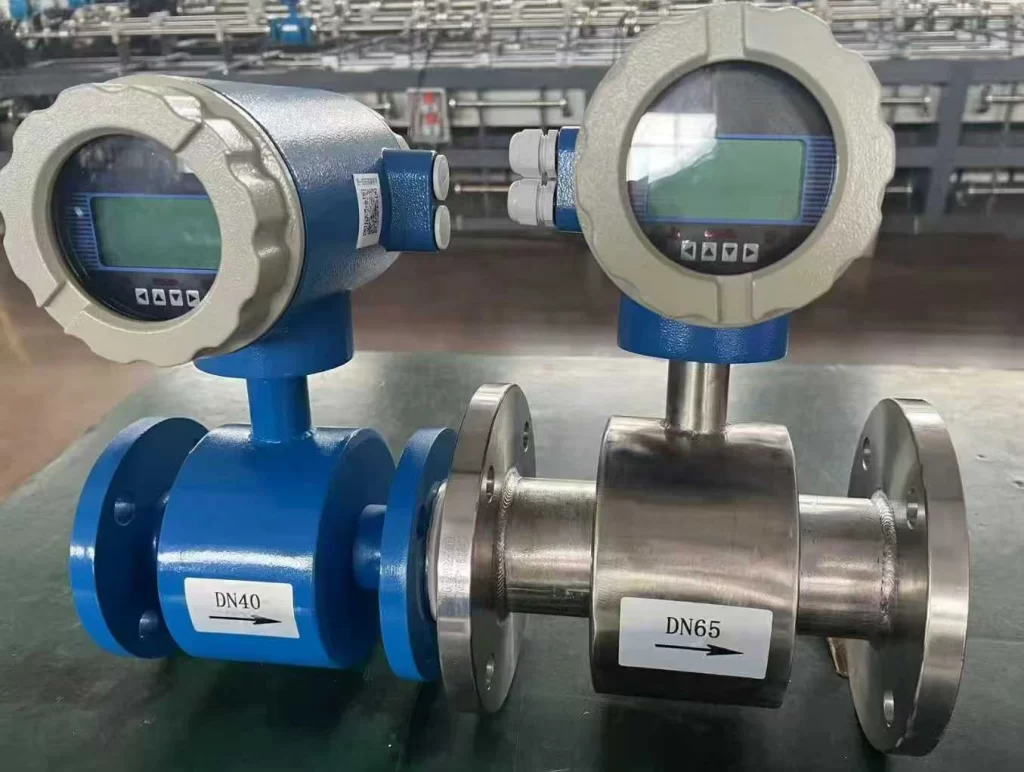
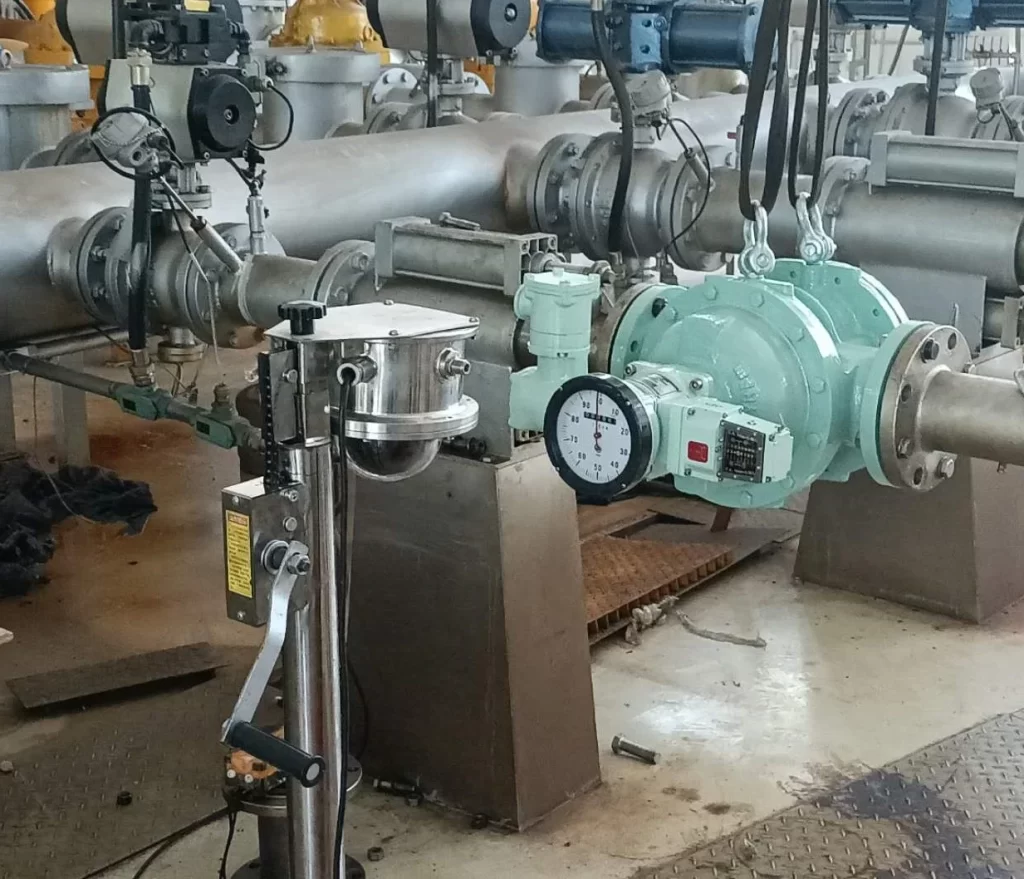
Heating oil flow meters are devices that measure the flow rate of heating oil through a pipeline. Ensuring accurate monitoring and control of fuel consumption. They are essential in various industries. Including manufacturing, energy, and transportation, where heating oil is used as a primary fuel source. Choosing the right heating oil flow meter for your business can significantly improve your fuel management system, increase efficiency, and reduce operational costs. We will discuss essential factors to consider when selecting a heating oil flow meter and how to find the best solution to meet......

2025.11.11

High Temperature Flow Meter Types and Guide | Upto 900℃

Measuring the flow of media at extreme temperatures in industrial processes has always been a challenging task, whether it’s high-temperature gas, high-temperature liquid, or extremely low-temperature liquid. Conventional flow meters may experience reduced accuracy or even damage when exposed to high-temperature media. Based on years of experience in flow measurement, Sino-Inst has summarized flow measurement solutions for extreme temperatures, including both extremely high (900℃) and extremely low (-200℃) temperatures. Here, we primarily share information on high-temperature gas and hig......

2025.11.10

Approaches To Gas Flow Measurement: Types and Applications Of Gas Flow Meters

Gas flow measurement is an essential technology in many industrial processes. For example, in the production of chemical products, accurate measurement of the flow of gases such as oxygen and nitrogen can ensure that the reactants are added to the reactor in the appropriate proportion to obtain high-quality products. RFQ Table of ContentsProperties and Measurement Challenges of Heating OilDifferent Types of Heating Oil Flow MetersKey Factors to Consider When Choosing a Heating Oil Flow MeterIndustry Applications of Heating Oil Flow MetersCase StudiesFrequently Asked QuestionsHow do you measure......

2025.11.10

What Is A Deep Well Water Level Sensor?

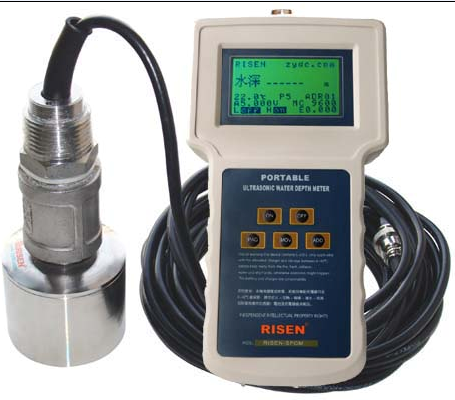
Many wells are between 10 and 60 feet deep, while some can reach depths of 1000 feet. Therefore, deep well level sensors are the best choice when customers need to measure water levels in deep wells. Sino-inst deep well level sensors can measure depths up to 6561.68 feet (2000m). These level sensors are inexpensive, versatile, and easy to install. A deep well level sensor is a device specifically designed to measure and monitor water levels in deep wells or boreholes. These sensors can employ a variety of technologies. These include pressure measurement, ultrasonic sensing, and even simple pro......

2025.11.5

A Practical Guide to 5 Different Types of Flow Elements

Differential pressure flow measurement represents a foundational and widely applied methodology in industrial process control. This technology operates on the principle, articulated by Bernoulli’s equation, that a fluid’s velocity is inversely related to its pressure. By introducing a precisely engineered constriction, known as a primary flow element, into a pipe, a localized pressure drop is created. This differential pressure is then measured by a secondary instrument, a differential pressure flow sensor, and correlated to the volumetric flow rate. We will analyze some of the mos......

2025.11.5

Differential Pressure Level Transmitter: Understanding, Principles and Uses

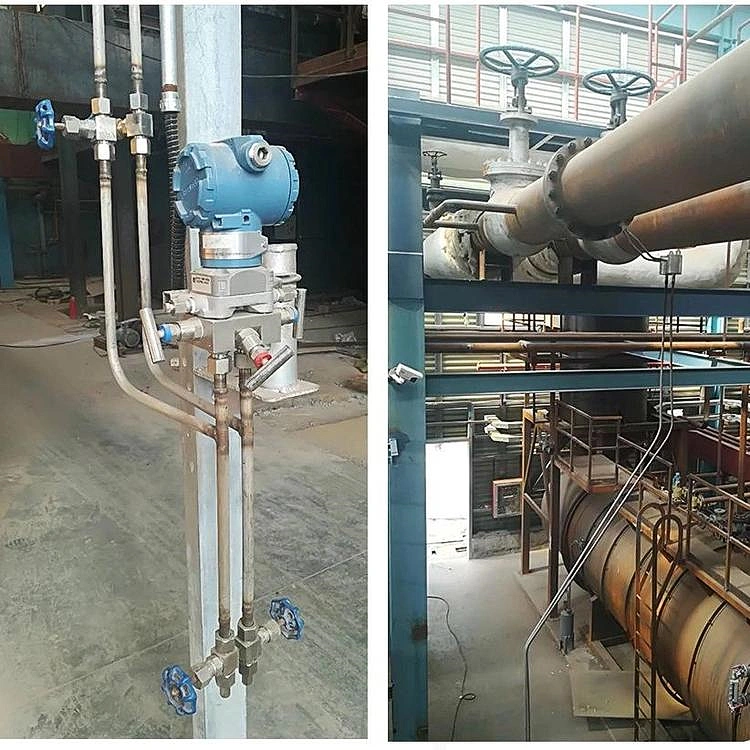
In industrial applications, there are many methods for measuring and monitoring liquid levels. For measuring liquid levels in open and pressurized tanks, engineers typically choose differential pressure level transmitters. This is a well-established technology. The liquid level is calculated by measuring the pressure difference between the liquid and gas phases of a fluid within a closed tank. It outputs a standard signal (e.g., 4~20mA, 0~5V). Differential pressure transmitters can also be used to measure differential pressure, pressure, and negative pressure of liquids and gases. They can als......

2025.10.29

Case: Non-Contact Material Level Measurement – Radar Level meter

Due to its unique non-contact measurement capabilities, this intelligent radar level/liquid level meter accurately measures contaminants and corrosive media. Its 4-20mA and RS-485 output signals enable remote control. Its pulse operation allows for measurement of low-dielectric-constant media and is safe for use in various metal and non-metal containers, harmless to humans and the environment. It utilizes unique microwave technology and echo processing techniques to adapt to various operating conditions. It is widely used in reservoirs, dams, coal plants, power plants, petrochemicals, and gene......