Home > Blog
2026.9.27

Guided Wave Radar Level Transmitters: Alternative to Other GWR Brands

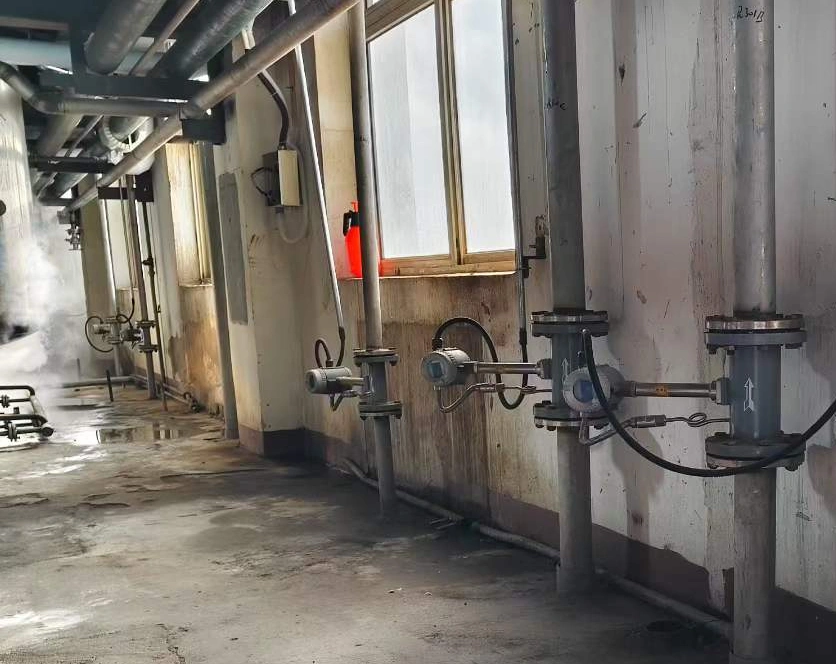
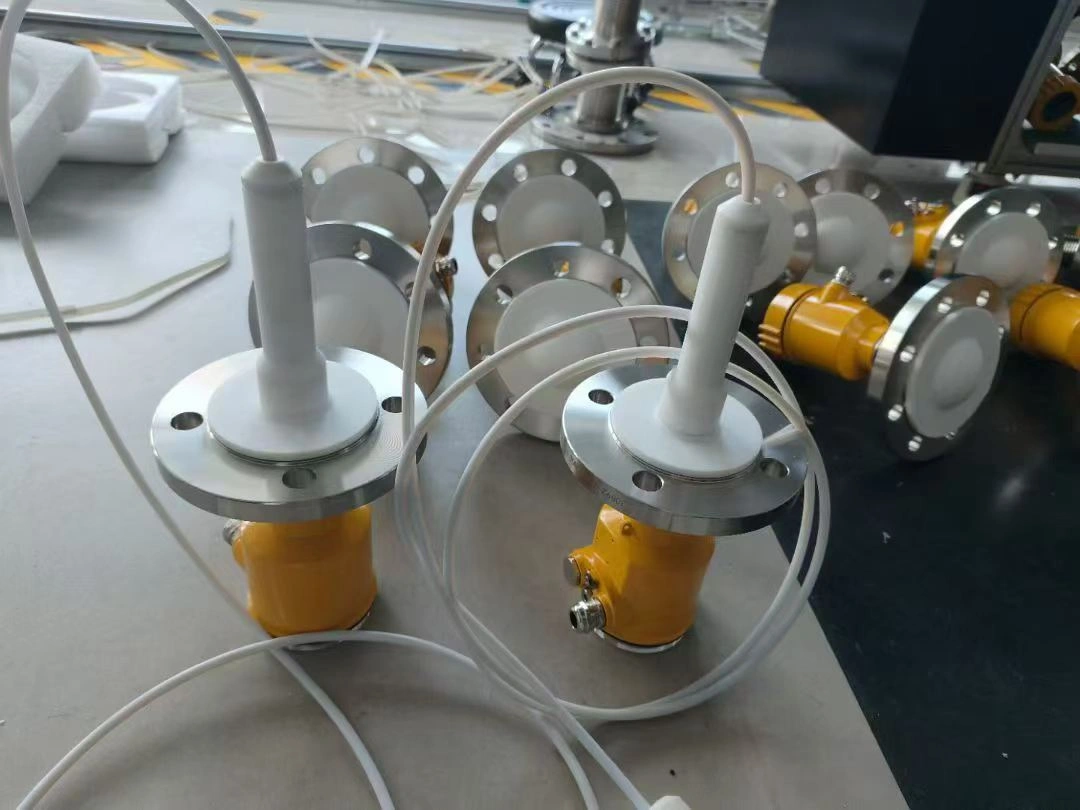
In industrial tank level measurement applications, high-performance guided-wave radar level transmitters—such as the Eclipse 706-512B-320—have become the ideal choice for many high-precision operations due to their stable measurement performance. The 316 stainless steel model, in particular, meets the measurement requirements for the majority of standard industrial media. Unlike the simple selection process for general-purpose instruments, accurately selecting a guided-wave radar level transmitter requires a comprehensive assessment based on actual on-site operating conditions. Four key factor......
2026.9.23

PSI to Feet of Head Conversion (Feet of Water to PSI): Formula, Chart & Calculator

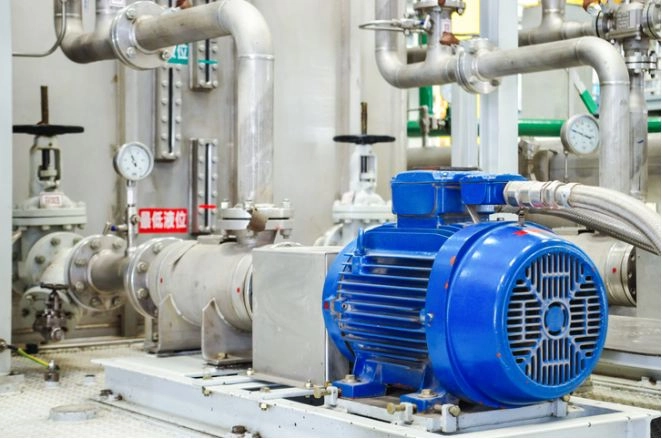
A water pump is a device used to transport or pressurize liquids. Pump head refers to the height to which the pump can lift water; pump head is directly proportional to pressure. Based on clear water at 4°C (39.2°F), density 1000 kg/m³: 1 psi = 2.31 ft H₂O = 0.703 m H₂O; 1 ft H₂O = 0.433 psi; 1 m H₂O = 1.422 psi = 9.81 kPa = 0.0981 bar. For other liquids, divide by the specific gravity (SG). Next, let us examine in detail the relationship and conversion between head (feet or meters) and pressure (psi, bar, or kg/cm²). RFQ Table of ContentsFeatures of Guided Wave Radar Level TransmittersTechnic......

2026.9.22

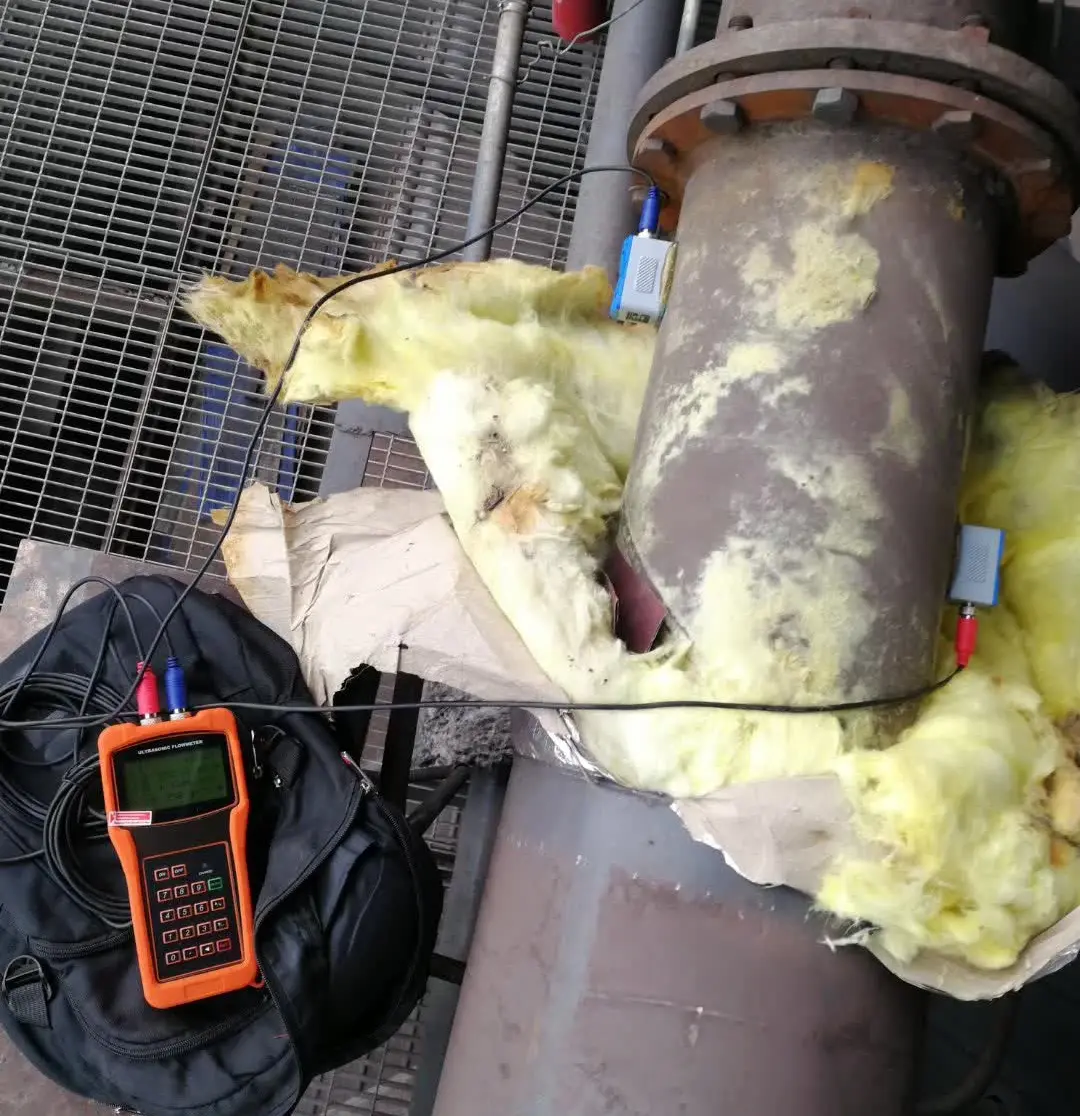
Portable Ultrasonic Flow Meters for Large Diameter Pipes

On-site flow measurement for large-diameter pipelines is often constrained by requirements such as water supply shutdowns or the need to cut into the pipe, making flexible operation difficult. For pipelines with a diameter of DN1600 or larger, handheld ultrasonic flow meters utilize a non-invasive, clamp-on measurement method; this allows flow to be measured directly from the outer pipe wall without damaging the pipeline. Next, focusing on the challenges of flow measurement in large-diameter pipes, we will introduce the features, operating principles, and specifications of the handheld ultraso......

2026.9.21

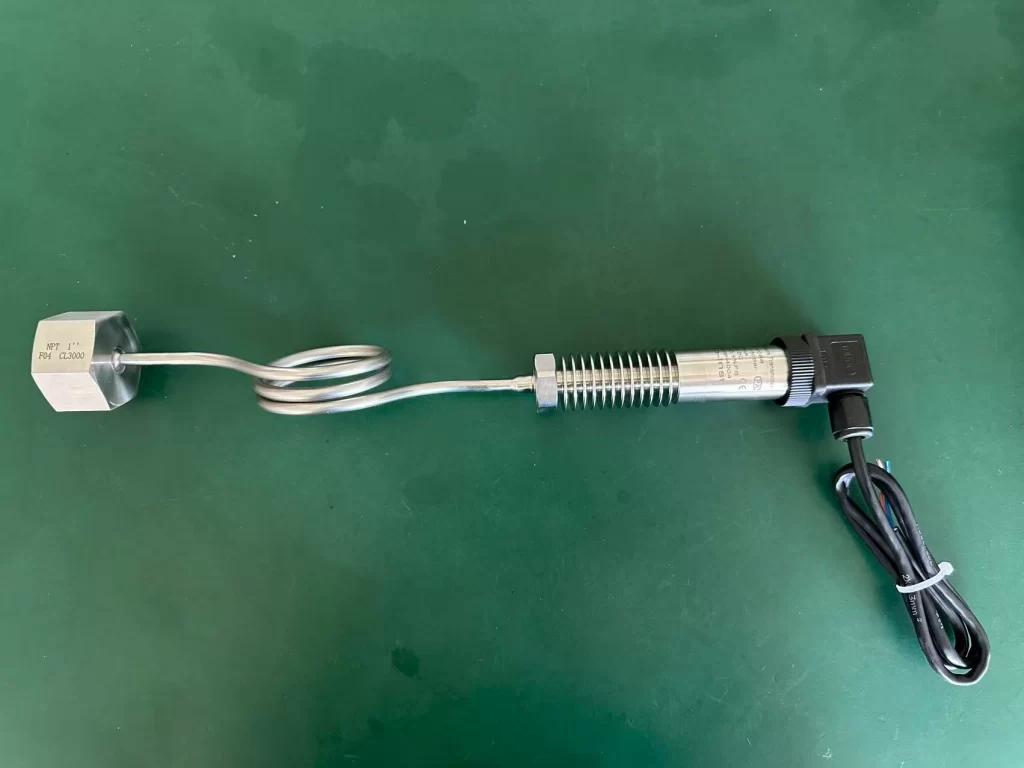
Do Pressure Sensor Work at 450 Degree Celsius?

Pressure sensors can operate with media temperatures of 450°C. It is important to clarify that this refers to the temperature of the medium itself, not the ambient temperature. Standard pressure sensors typically measure media temperatures in the range of -20°C to 80°C. Custom high-temperature pressure sensors can measure pressures in media at 450°C; however, the main body of the sensor must remain in an ambient-temperature environment. This is because the sensor body contains a circuit board that would be damaged by temperatures exceeding 80°C. The sensor’s cable must also be kept out o......

2026.9.20

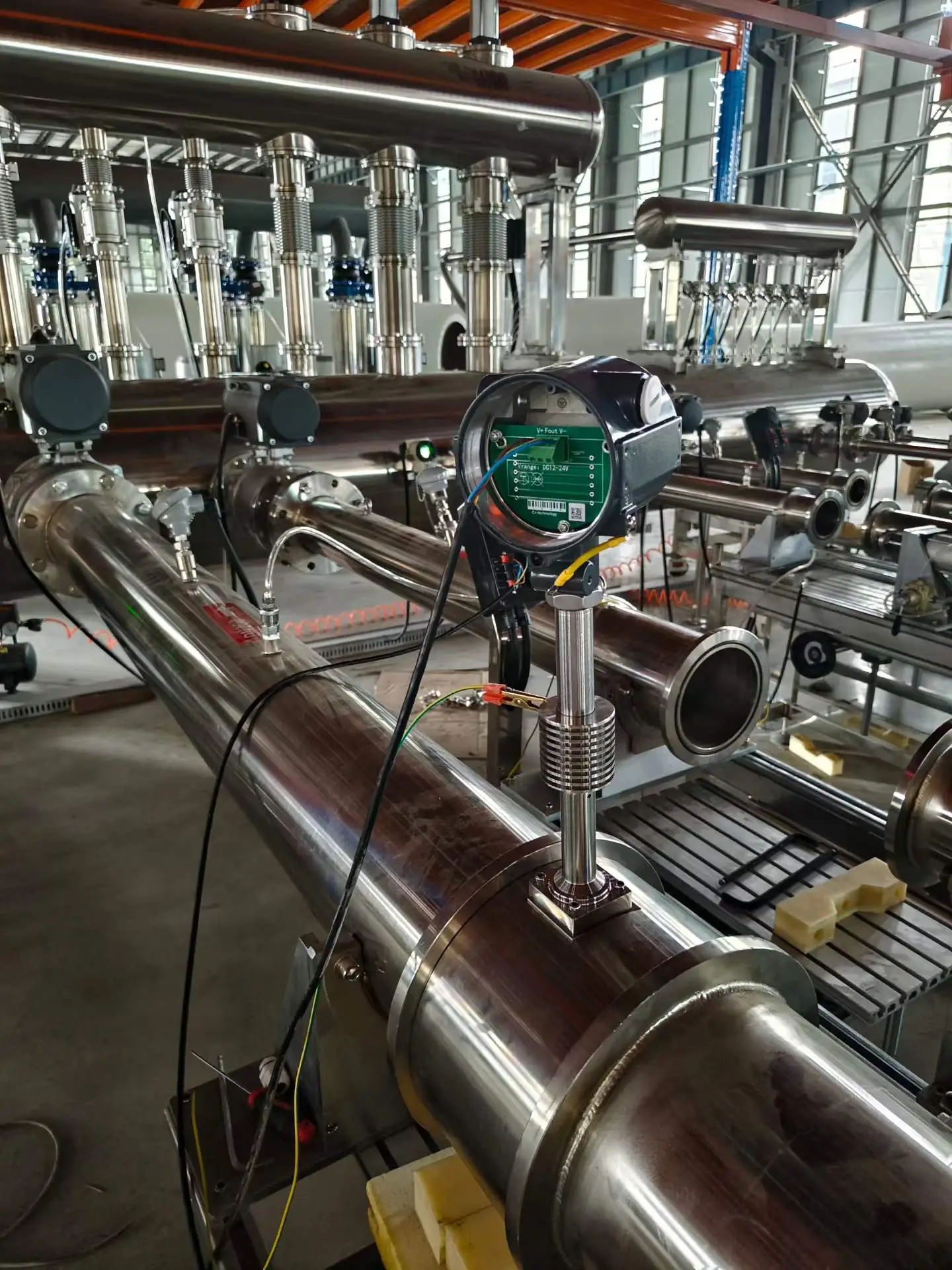
Vortex Flow Meter: 6 Troubleshooting Guides

Vortex flow meters are developed and manufactured based on the von Kármán vortex street principle and are primarily used to measure the flow rate of media within industrial pipelines. Their stable operation depends on numerous factors, including product quality, model selection, installation, parameter configuration, and on-site interference. Drawing on years of experience in flow measurement, we analyze six common fault scenarios and examine application-related issues to help you utilize vortex flowmeters more effectively. RFQ Table of ContentsFeatures of Guided Wave Radar Level TransmittersT......

2026.9.18

Molten Salt Flow Measurement: 565°C——How to Select a Flow Meter

Molten salt is not an ordinary liquid; the operating conditions are extremely demanding. Measuring the molten salt flow rate from a storage tank requires simultaneous monitoring of the liquid level, internal tank pressure, and molten salt temperature. The binary solar salt (60% NaNO₃/40% KNO₃) operates at a pressure of 2.5 bar, a flow rate of 36 kg/hr, and a temperature of 565°C. This temperature is very close to the upper decomposition limit for this type of molten salt, requiring special attention. RFQ Table of ContentsFeatures of Guided Wave Radar Level TransmittersTechnical SpecificationsW......

2026.9.16

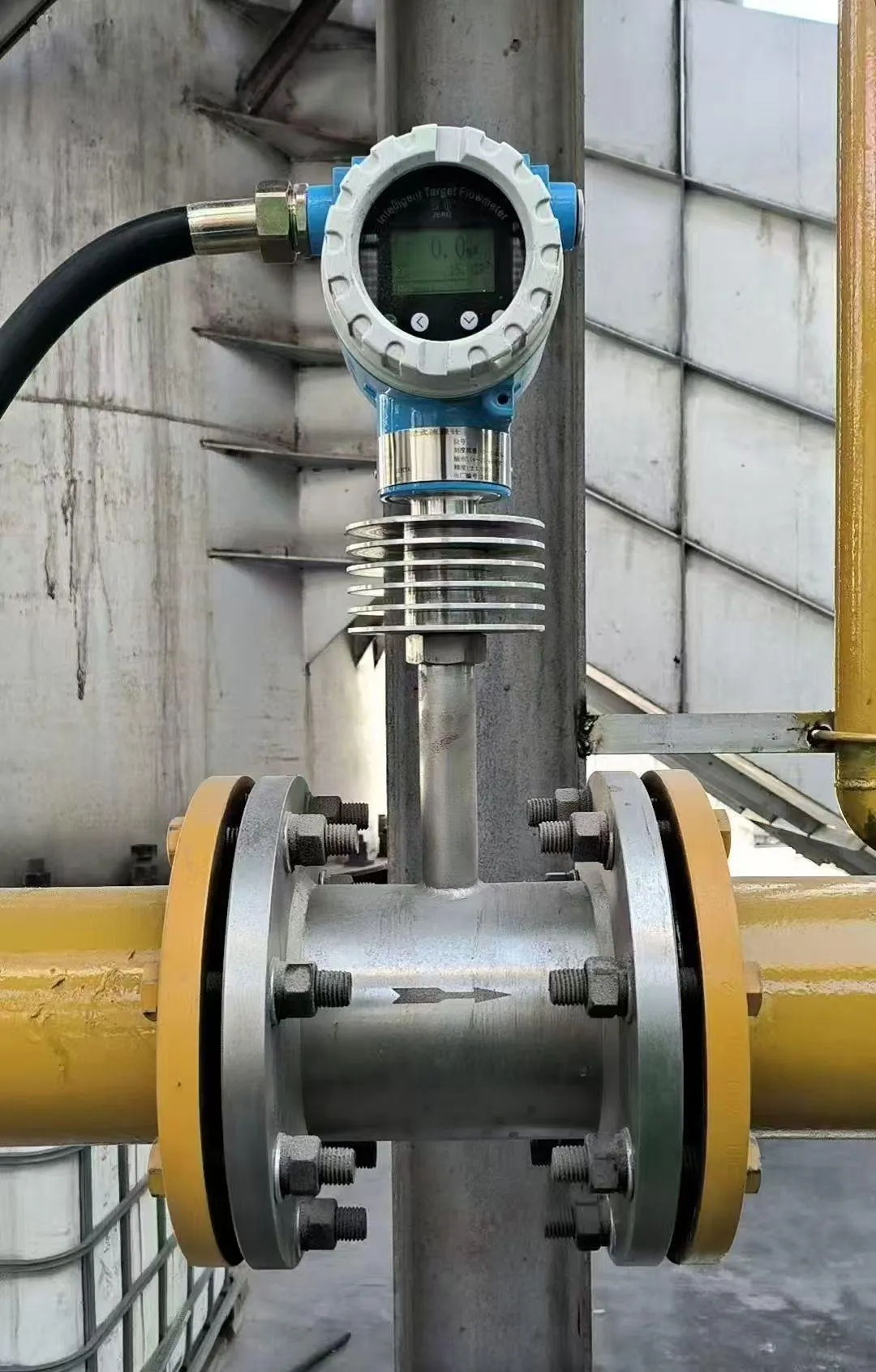
Measuring Superheated Steam Mass Flow with Vortex Meters

Steam is the most widely used heat-transfer medium across various sectors, including industrial production, heating, and cooling. There is a significant demand for steam flow measurement, which plays a crucial role in enhancing management, ensuring fair trade, conserving energy, and improving economic efficiency. In most cases, users monitor the mass flow rate of steam. The unit is kg/h or t/h. Why is this? And how should one choose a steam mass flow meter? RFQ Table of ContentsFeatures of Guided Wave Radar Level TransmittersTechnical SpecificationsWorking Principle of Guided Wave Radar Level ......