Home > Blog
2026.10.28

Paddle Flow Switch Technical and Selection Guide

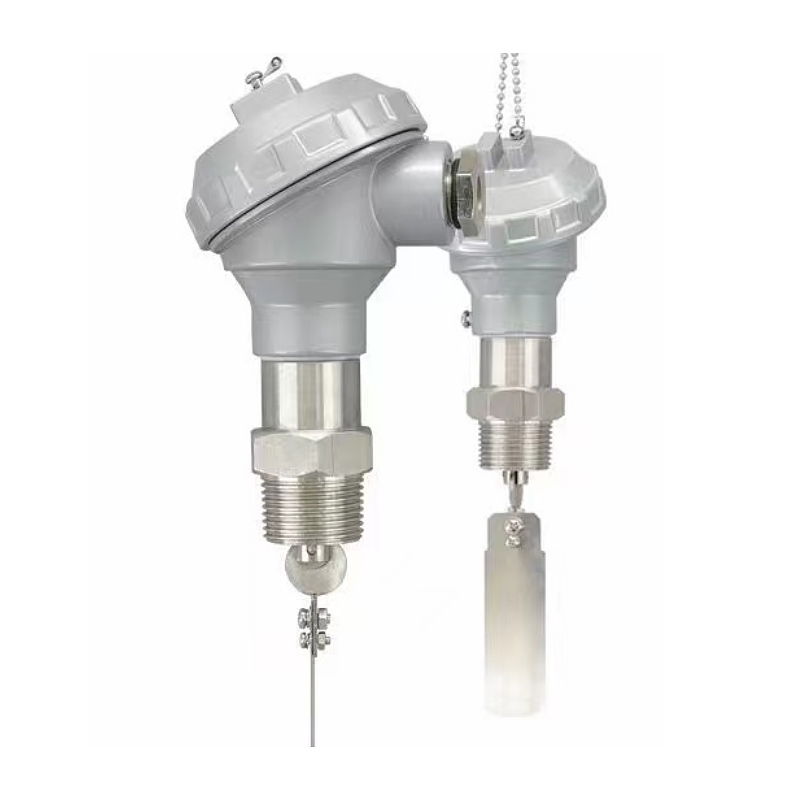
What Is a Paddle Flow Switch? A paddle flow switch is a mechanical flow switch that uses a paddle to detect unidirectional or bidirectional flow of clean media such as air, oil, or water. It is also known as a vane, target, or baffle flow switch. The medium being measured must not contain any entangling debris. Precise on/off settings are achieved via a knob, and the mechanical and electronic components are completely isolated from one another. With paddles of various sizes available, users can flexibly combine them based on on-siteconditions when dealing with large pipe diameters and low flow......
2026.10.27

Radar Level in Agitated Vacuum Reactors: What Works

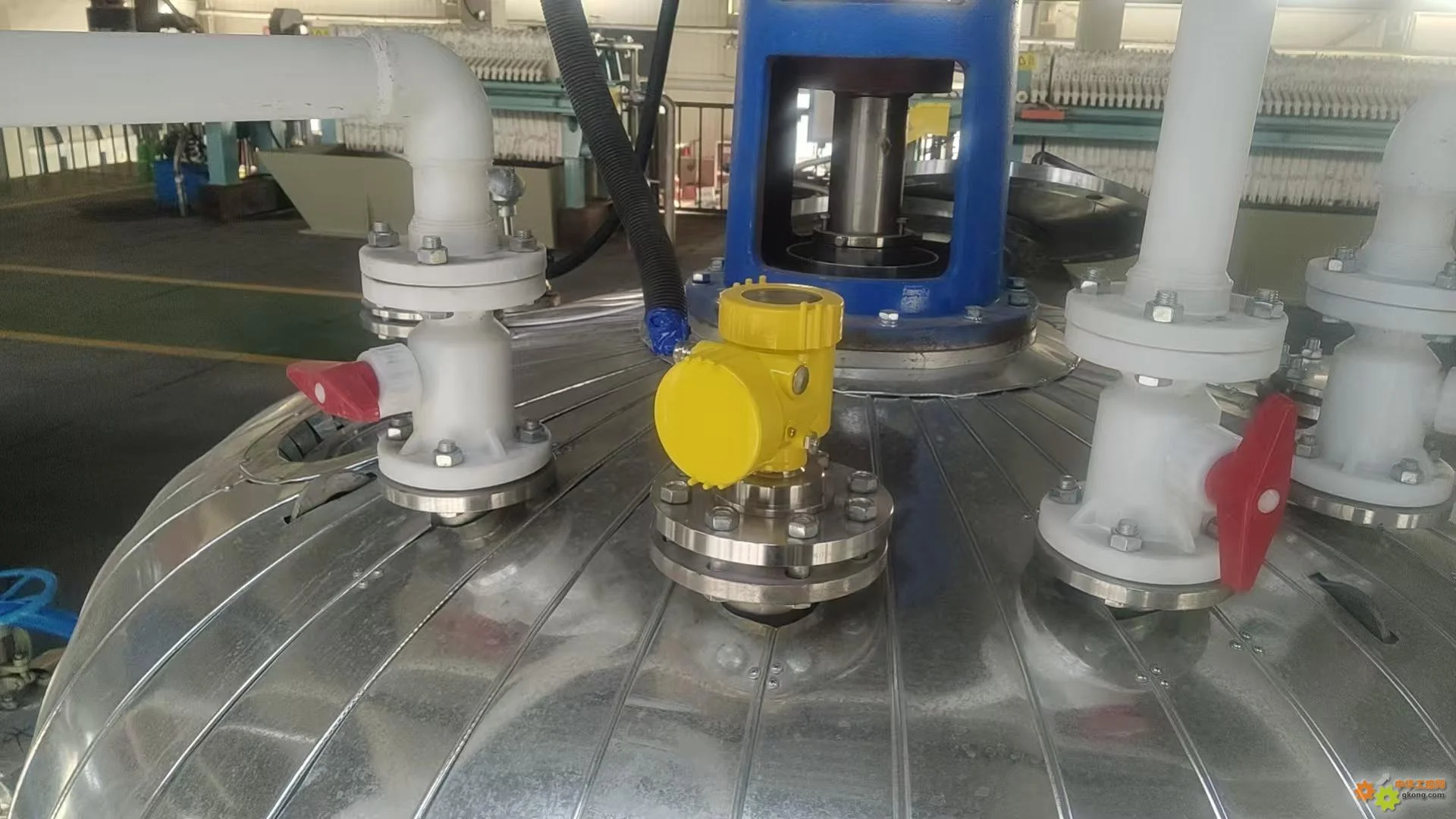
In a vacuum reactor with a stirrer, the stirrer blade is mounted on the central axis of the vessel; for most of a batch run, the gas phase space remains under vacuum. Many reactors of this type were originally equipped with submersible (hydrostatic) level probes. Under vacuum conditions, these probes present a fundamental problem: common vented probes use atmospheric pressure as a reference, so the vacuum level inside the reactor is directly subtracted from the liquid level reading. When the pressure inside the reactor is −0.09 MPa (gauge pressure), this deviation is approximately equal to −9.......

2026.10.26

Anhydrous Ammonia Tank Level Measurement: Top Sensors by Tank Type

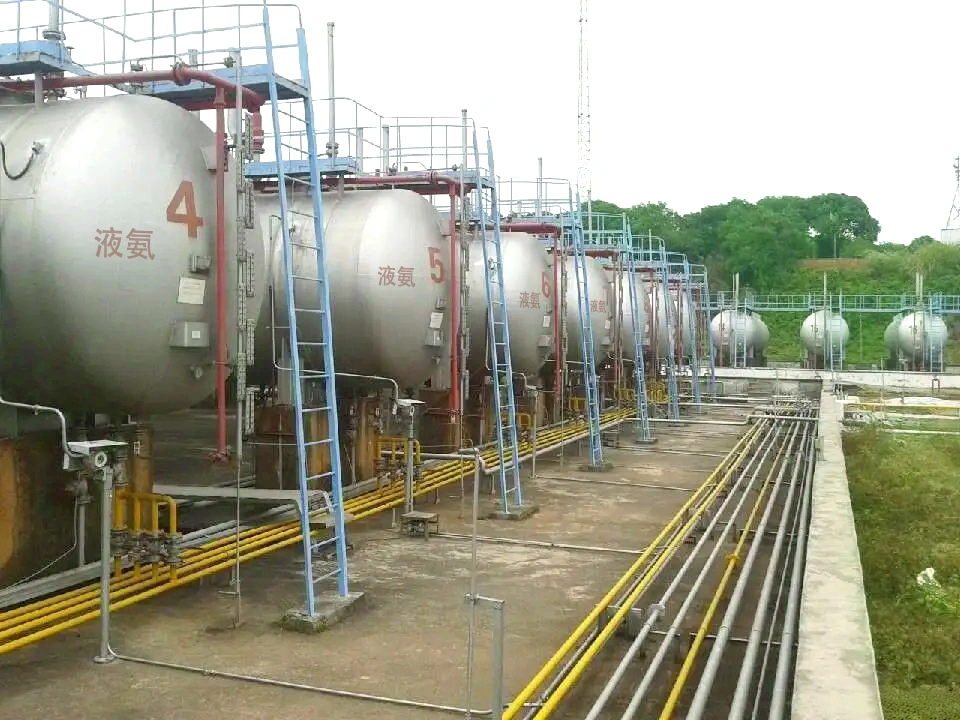
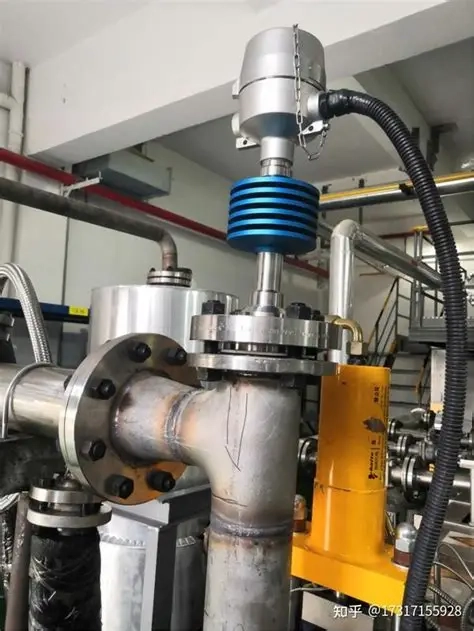
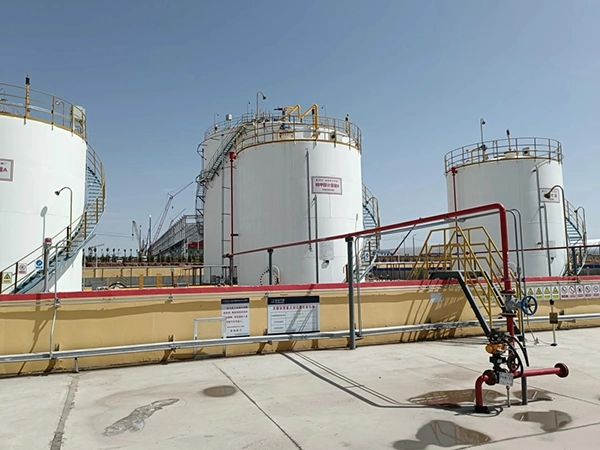
Liquid ammonia is anhydrous ammonia that becomes liquid after being pressurized or frozen. Ammonia is an important chemical raw material. For convenient transportation and storage, gaseous ammonia is usually pressurized or cooled to obtain liquid ammonia. Therefore, Anhydrous Ammonia Tank level measurement faces challenges such as low temperature -33.4℃/-28.1 °F, high pressure 0.8~1.5 MPa (116–218 psi), high corrosivity, and high toxicity. Based on our years of experience in tank level measurement, we recommend three preferred level sensors for Anhydrous Ammonia tank level measurement and cont......

2026.10.26

Explosion-Proof FMCW Radar for Water, Methanol and Acids

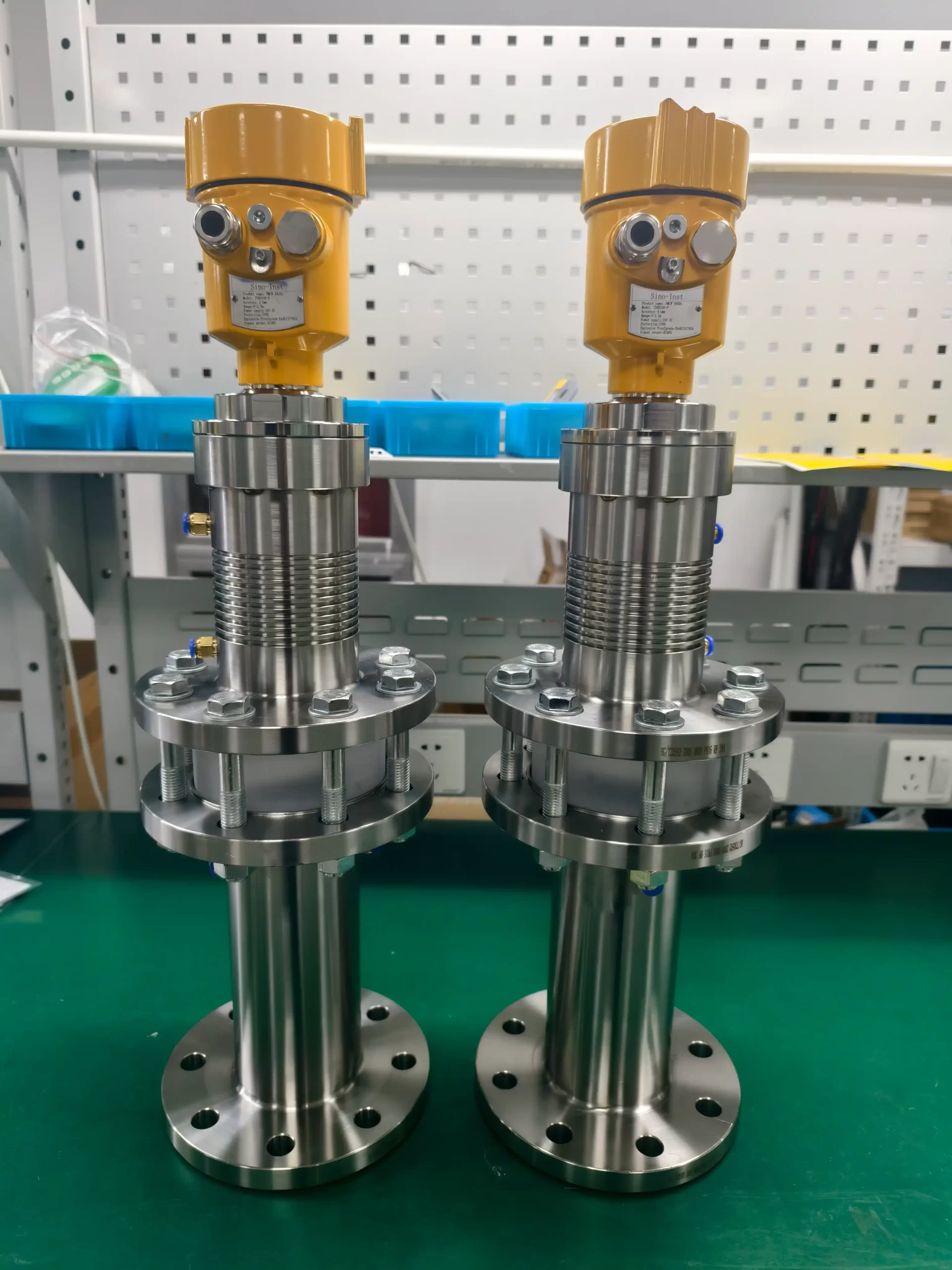
FMCW (Frequency-Modulated Continuous Wave) radar level meters, also known as FMCW radar level sensors, calculate the distance to liquid surfaces by comparing frequency differences between transmitted signals and reflected echoes. These devices feature small measurement dead zones and deliver millimeter-level measuring accuracy. Most commercial 80 GHz radar level meters on the market adopt this technical solution. We recently received a technical inquiry from one chemical industry customer. The instrument needs to measure water, methanol and acidic liquids. The technical requirements include ex......

2026.10.23

Types of Viscometers: Lab vs Inline

Viscosity and its measurement are closely related to experimental scientific research and industrial production. A viscometer is a device capable of effectively measuring the viscosity of a fluid and providing a readout or an output signal. While viscosity measurements were traditionally conducted primarily in laboratory settings, technological advancements now enable such measurements to be performed directly on-site during industrial processes. RFQ Table of ContentsWhat Is a Paddle Flow Switch?Recommended Paddle Flow SwitchesSI-01B Target Flow SwitchSI-01BS Explosion-proof Flow SwitchSI-600 ......

2026.10.22

Pressure Transducer for Ammonia Refrigeration

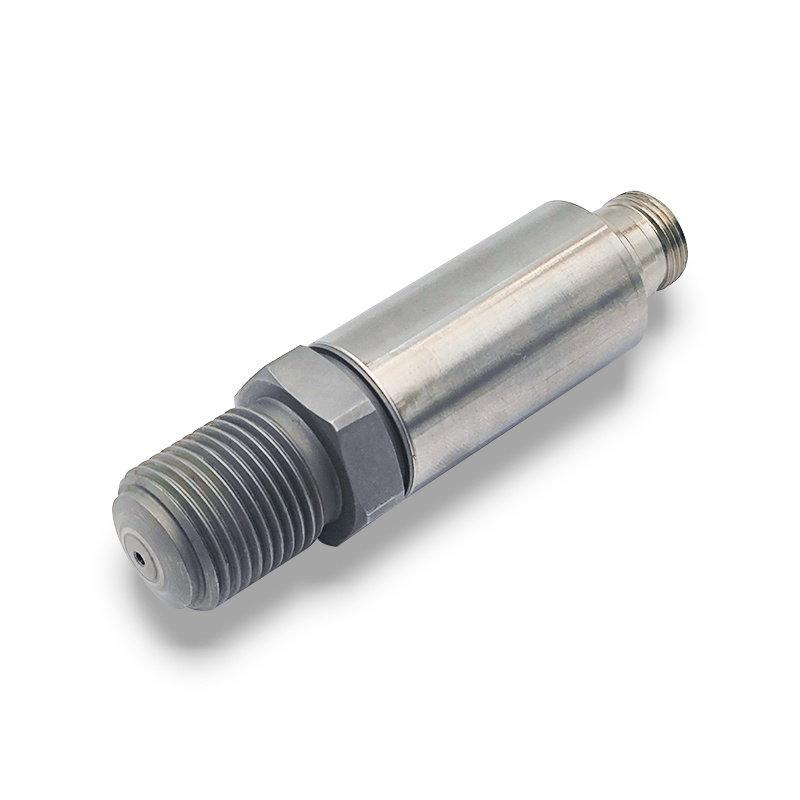
Pressure transducers for ammonia refrigeration are designed to measure the pressure and vacuum of ammonia in both liquid and gaseous states. It is mainly used in refrigeration equipment to measure the pressure of liquid ammonia, gaseous ammonia, or mixtures thereof. It is used for pressure monitoring of ammonia media in refrigeration cycles of cold storage, air conditioning systems, etc., to prevent system overload or leakage. This monitoring helps prevent system overloads or leaks. RFQ Table of ContentsWhat Is a Paddle Flow Switch?Recommended Paddle Flow SwitchesSI-01B Target Flow SwitchSI-01......

2026.10.21

Tank Gauging Systems for Hazardous Areas: Sensors, ATEX and OEM Options

Tank gauging systems measure the liquid level, temperature, and, if necessary, pressure or density inside the tank, then convert the readings into storage volume or mass and send them to the control room. For tank gauging systems, customers not only requested OEM (original equipment manufacturer) cooperation but also required that the products have ATEX explosion-proof certification. Given the technical status of our existing products, we are fully capable of providing OEM services; however, our current level sensors have not yet obtained ATEX certification. We need to first assess the on-site......