Home > Blog
2026.11.3

RTD Wiring: 2-Wire vs 3-Wire vs 4-Wire PT100 Diagrams

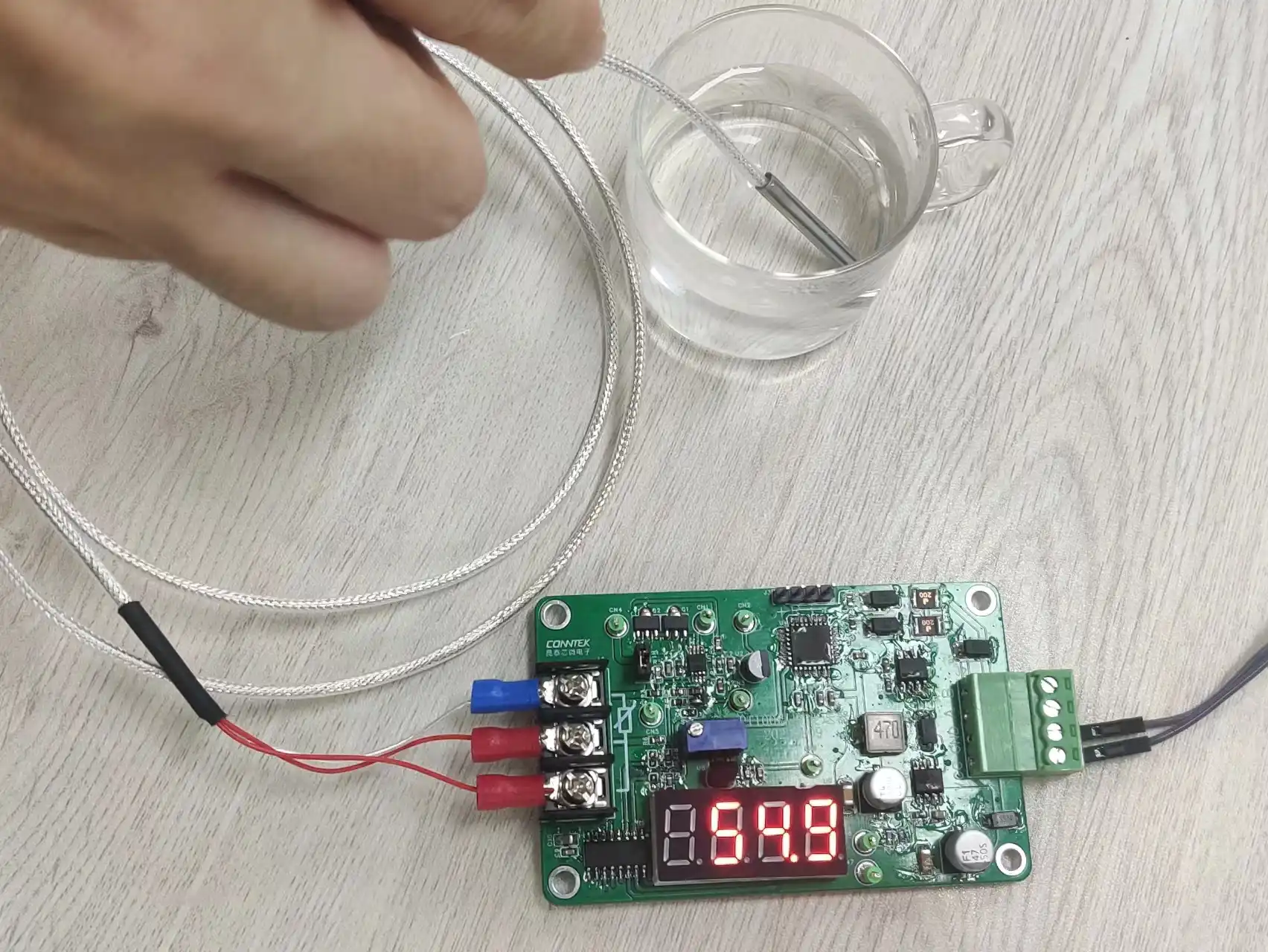
There are three options for resistance temperature detector (RTD) wiring: 2-wire, 3-wire, and 4-wire. The key difference lies in whether the measurement error caused by lead resistance can be eliminated. Simply put: 2-wire systems have large errors and are largely obsolete; 3-wire systems are commonly used in industry; and 4-wire systems offer laboratory-grade precision. Why are there these differences in wiring? A PT100 has a resistance of 100 Ω at 0°C, and its resistance changes by approximately +0.385 Ω/°C as the temperature changes (IEC 751 standard). The connecting wires themselves also h......
2026.11.2

Non-Contact Radar Level for Viscous Paste (SLES) Tanks

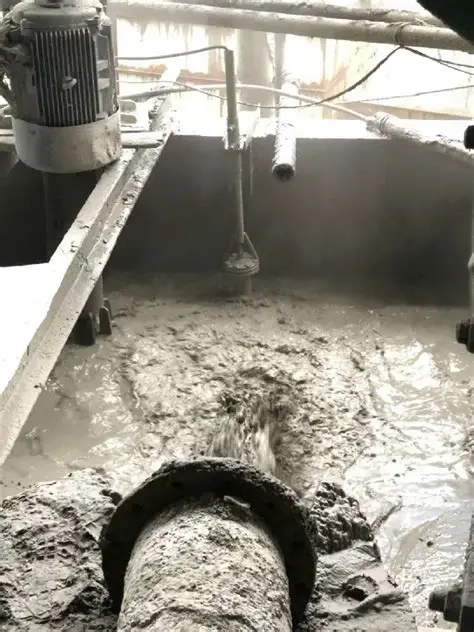
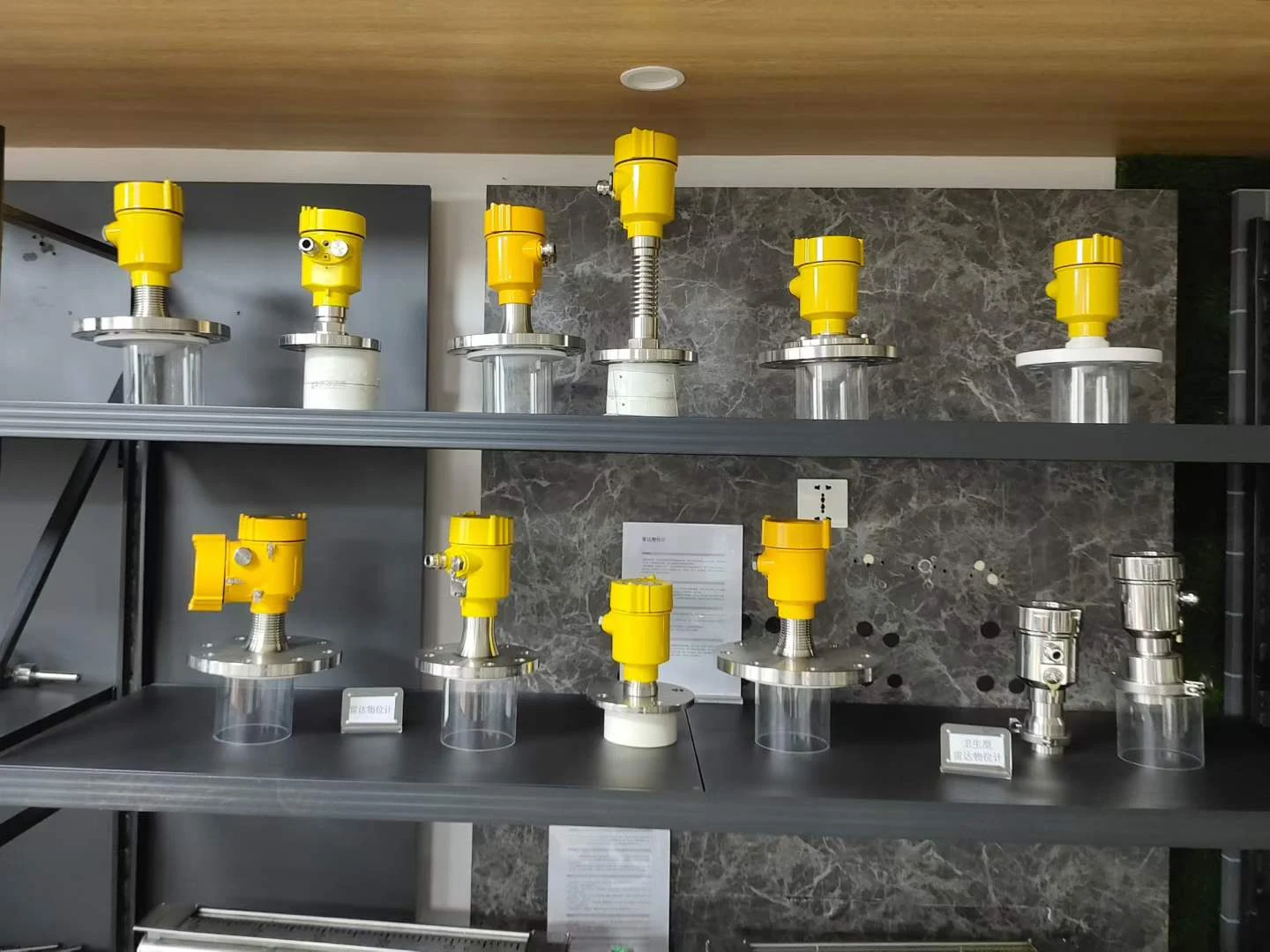
In production and storage tanks holding SLES paste, high material viscosity coupled with strong adhesive properties often results in heavy material build-up on tank inner walls. When contact-type level instruments are deployed, their probes commonly get coated with paste deposits. This causes inaccurate level readings and forces frequent offline shutdowns for instrument cleaning and maintenance work. For these high-viscosity conditions, we recommend an 80GHz non-contact radar level sensor. Because it measures without contact, it delivers stable and continuous level monitoring inside the tank. ......

2026.11.2

GPM Flow Meter: Pipe Size Ranges & Product Listings

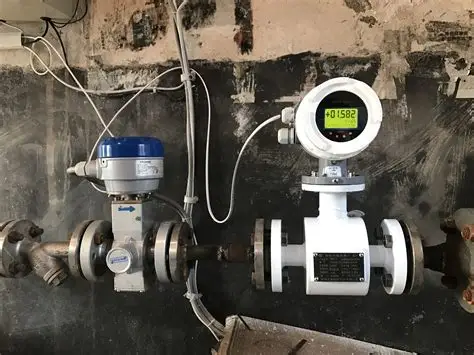
A GPM flow meter refers to a type of flow meter that displays flow rate in “gallons per minute” (GPM). 1 GPM = 3.785 liters per minute. It is not specified which measurement principle is used. Sino-Inst’s electromagnetic flow meters, ultrasonic flow meters, GF gear flow meters, mass flow meters, turbine flow meters, and smart oval gear flow meters can be supplied with a GPM display; just tell us when you order. When selecting a GPM flow meter, you need to consider the fluid, pipeline velocity, and pipe size to determine the appropriate flow meter model to purchase. RFQ Table of Contents2-Wire ......

2026.10.30

Cement Silo Level Measurement: How to Choose Sensors and Indicators

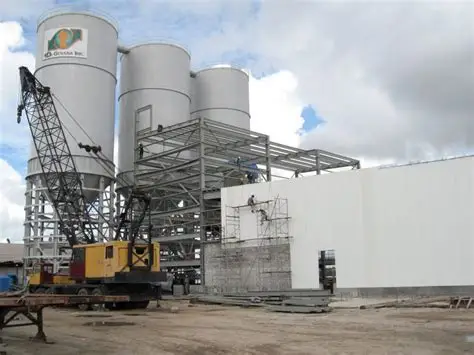
Accurate level monitoring in cement silos is directly related to production scheduling efficiency, inventory management accuracy, and equipment operational safety. This is particularly true in core stages of cement production, such as raw material storage and finished product warehousing. Cement is a dry, powdered material with a low dielectric constant (typically only 1.8–2.5) and high flowability, which can easily result in sloping material surfaces and large amounts of suspended dust inside the silo. Traditional ultrasonic and weight-drop level transmitters often suffer from measurement ina......

2026.10.30

Flow Rate Converter: LPM to GPM, GPM to m³/h

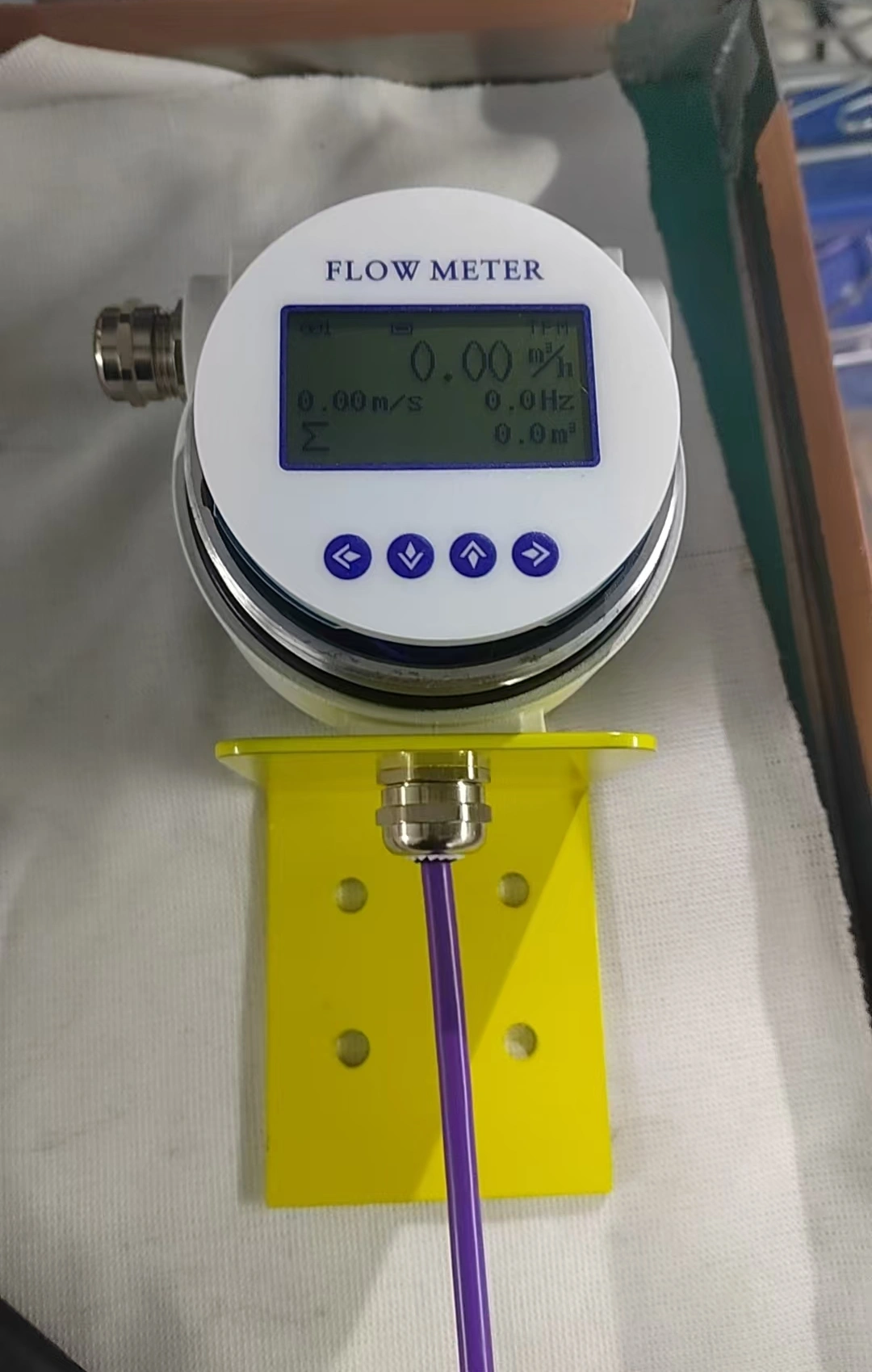
LPM, GPM, and m³/h are all commonly used units of volumetric flow rate. They can be converted as follows: 1 L/min = 0.2642 US GPM, and 1 US GPM = 0.2271 m³/h. Different industrial product segments tend to prefer different units. For example, flow meters typically use LPM, while data sheets for U.S. pumps or valves prefer GPM, and projects in India or Southeast Asia often calculate flow rates in m³/h. Therefore, we’re providing a simple Flow Rate Converter here, along with a detailed analysis of LPM, GPM, and m³/h. RFQ Table of Contents2-Wire vs 3-Wire vs 4-Wire RTD2-Wire RTD Wiring Diagram3-Wi......

2026.10.29

How Does a Differential Pressure Switch Work

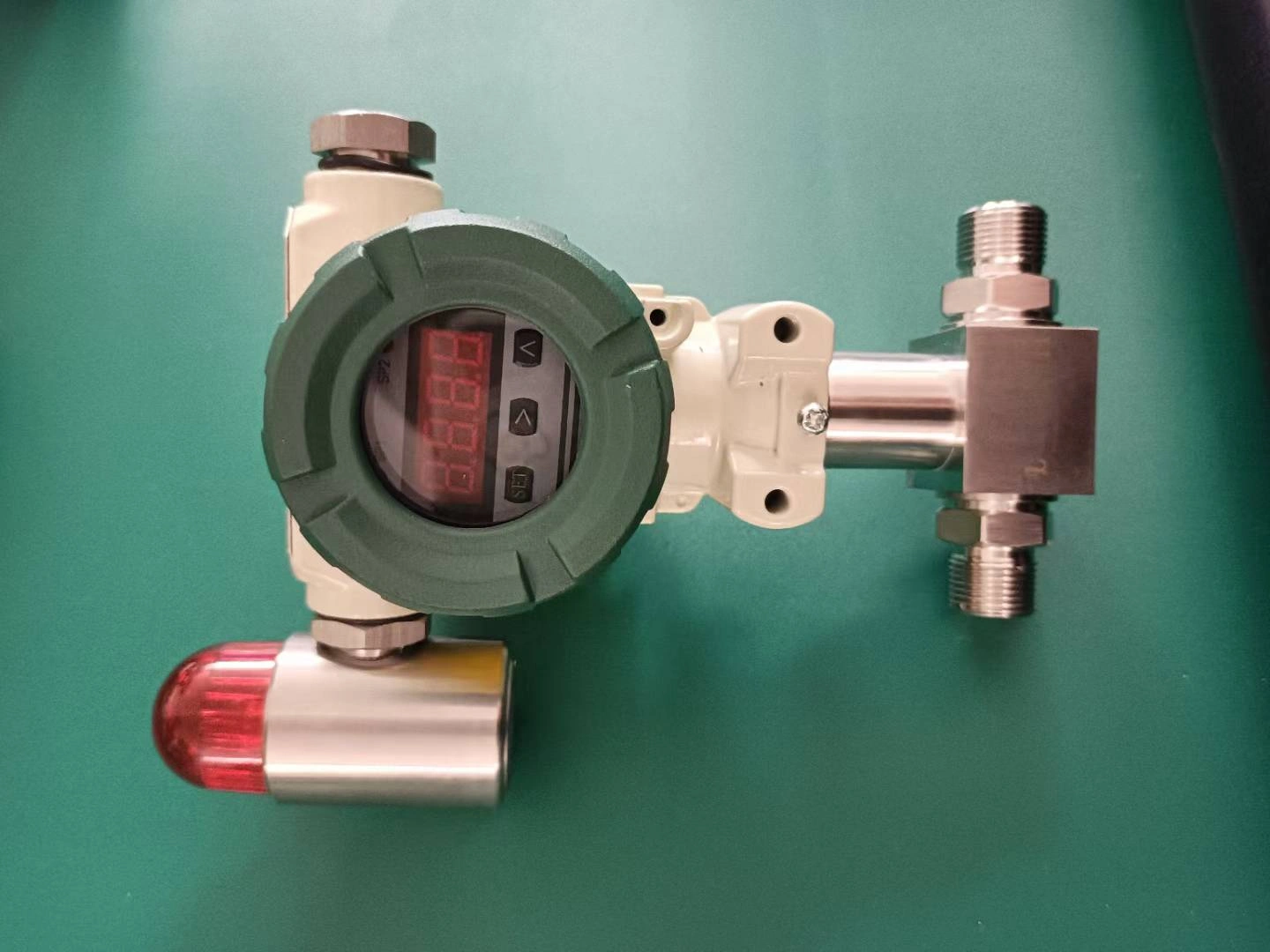
What Is a Differential Pressure Switch? A differential pressure switch is an instrument used to measure the pressure difference between two points. It is classified into mechanical types (such as bellows and diaphragms) and electronic types. When the pressure difference between the two sides reaches a preset value, the sensing element deforms or displaces, driving a microswitch via a mechanical structure to output an electrical signal. This triggers various control operations in the circuit, such as opening, closing, or switching. They are widely used in industrial sectors such as chemical pro......

2026.10.29

80GHz Radar Level for Warm Slurry Tanks with Condensation

When monitoring the level of warm slurry in an open-top, circular tank approximately 3 meters high, the continuous rise of water vapor often leads to condensation on the sensor surface, which interferes with the instrument’s ability to accurately collect signals. For this specific field condition, we recommend using an 80GHz radar level sensor. RFQ Table of Contents2-Wire vs 3-Wire vs 4-Wire RTD2-Wire RTD Wiring Diagram3-Wire RTD Wiring Diagram4-Wire RTD Wiring DiagramHow to ChooseDual-Element (Duplex) RTD WiringConnecting an RTD to a Temperature Controller, PLC or TransmitterMethod 1: D......