
GPM Flow Meter: Pipe Size Ranges & Product Listings
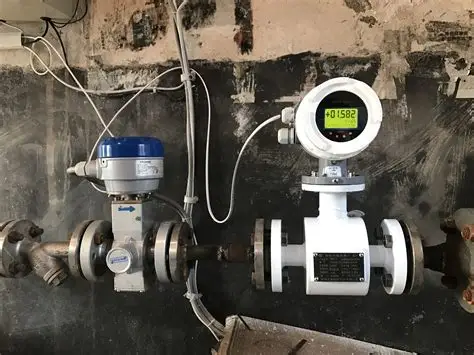
A GPM flow meter refers to a type of flow meter that displays flow rate in “gallons per minute” (GPM). 1 GPM = 3.785 liters per minute. It is not specified which measurement principle is used. Sino-Inst’s electromagnetic flow meters, ultrasonic flow meters, GF gear flow meters, mass flow meters, turbine flow meters, and smart oval gear flow meters can be supplied with a GPM display; just tell us when you order.
When selecting a GPM flow meter, you need to consider the fluid, pipeline velocity, and pipe size to determine the appropriate flow meter model to purchase.
GPM Flow Meters Product Listings
The meters below are listed from the lowest to the highest flow rate. Ranges are shown in US GPM, with the metric figure in brackets.
| Model | Best for | Sizes | Flow range (GPM) | Accuracy | Outputs | GPM display |
|---|---|---|---|---|---|---|
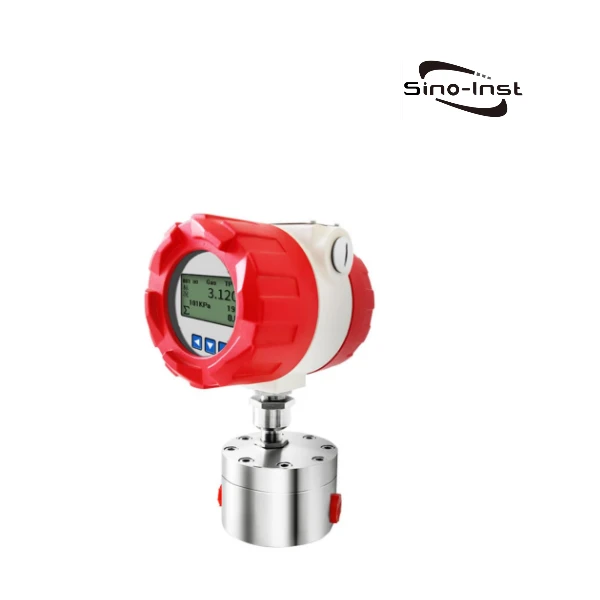 | Hydraulic oil, fuel, resins, chemicals; very low flow; up to 400 bar | G1/8″ to G1-1/2″ thread | 0.0026–88 (0.6–20,000 L/h) | ±0.5% / ±1% | Pulse, 4–20 mA, RS485, HART | ✓ |
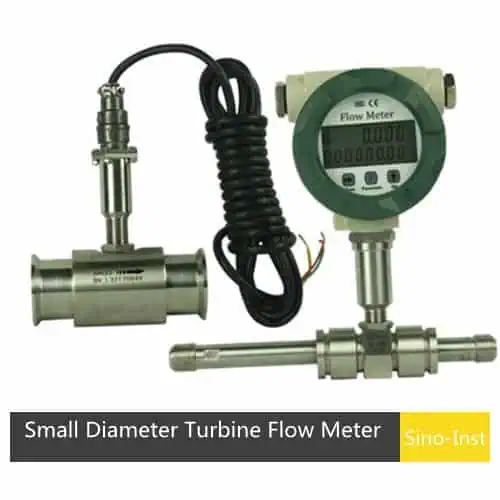 | Clean, low-viscosity liquids at low flow | DN2–DN10 | 0.13–6.6 (30–1,500 L/h) | 1.0% FS / 0.2% FS | Pulse, 4–20 mA, RS485, HART | On request |
 SI-3603 Stainless Steel Oval Gear Flow Meter | Viscous liquids: oils, syrups, resins; up to 280 °C | DN10–DN200 (3/8″–8″) | 0.13–1,497 (0.03–340 m³/h, varies with viscosity) | Class 0.5 / 0.2 | Pulse, 4–20 mA, RS485, HART (optional) | On request |
 SI-3202 Liquid Turbine Flow Meter | Clean water, diesel, solvents | DN4–DN200 (to 8″) | 0.18–3,522 (0.04–800 m³/h) | ±0.5% (±0.2%, ±0.1% optional) | Pulse, 4–20 mA, RS485, HART | On request |
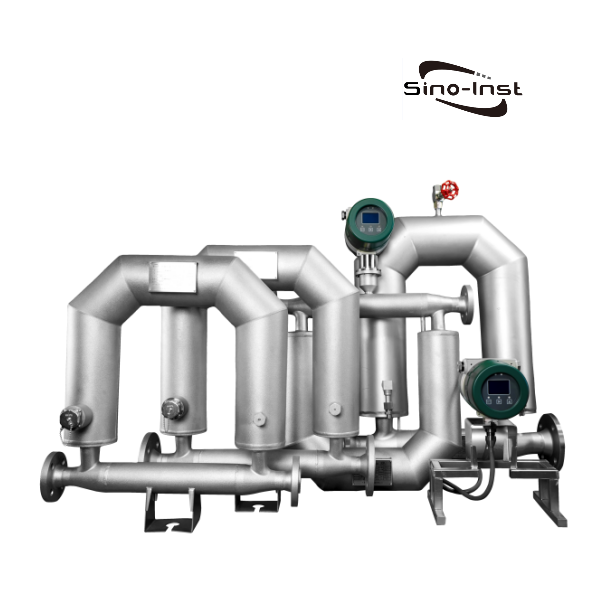 | Custody transfer, batching, density measurement | DN6–DN250 (1/4″–10″) | Up to 11,900, water equivalent (2,700,000 kg/h) | ±0.15% / ±0.2% | 4–20 mA, 0–10 kHz, RS485, HART | On request |
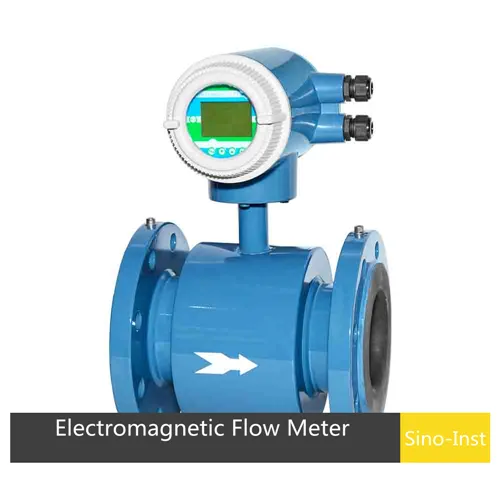 | Water, wastewater, conductive liquids, slurries | DN6–DN3000 (1/4″–120″) | 1″: 2.7–133; 4″: 39–1,953 (0.3–15 m/s) | ±0.5% | 4–20 mA, pulse, RS485 | On request |
 SI-3403 Clamp-on Ultrasonic Flow Meter | Existing pipes, no cutting; water, seawater, oils | DN15–DN6000 (1/2″–240″) | 1/2″: up to 22; 4″: up to 911 (0–7 m/s) | ±1% | 4–20 mA, pulse, relay | ✓ |
If you are unsure which flowmeter model or size to choose, please provide your fluid, pipe size, and GPM range, and our sales engineers can assist you with model selection and a quote.
GPM Range by Pipe Size
The flow measurement range of a GPM flow meter primarily depends on the pipe size and the flow velocity inside the pipe. For water flow, under normal conditions, the flow velocity should ideally be maintained within the range of 1–3 m/s (3.3–10 ft/s); at the same time, the minimum flow velocity should be kept above 0.3 m/s (1 ft/s).
| Pipe size | DN | Inside diameter (in) | Low limit 0.3 m/s (1 ft/s) | Recommended 1 m/s (3.3 ft/s) | Recommended 3 m/s (9.8 ft/s) | High limit 10 m/s (33 ft/s) |
|---|---|---|---|---|---|---|
| 1/2″ | DN15 | 0.622 | 0.9 | 3.1 | 9.3 | 31 |
| 3/4″ | DN20 | 0.824 | 1.6 | 5.5 | 16.4 | 55 |
| 1″ | DN25 | 1.049 | 2.7 | 8.8 | 26.5 | 88 |
| 1-1/2″ | DN40 | 1.610 | 6.2 | 20.8 | 62.5 | 208 |
| 2″ | DN50 | 2.067 | 10.3 | 34.3 | 102.9 | 343 |
| 3″ | DN80 | 3.068 | 22.7 | 75.6 | 226.8 | 756 |
| 4″ | DN100 | 4.026 | 39.1 | 130.2 | 390.5 | 1,302 |
| 6″ | DN150 | 6.065 | 88.6 | 295.4 | 886.3 | 2,954 |
| 8″ | DN200 | 7.981 | 153.5 | 511.6 | 1,534.7 | 5,116 |
The table above is based on the following formula: Flow Velocity (ft/s) = 0.4085 × GPM ÷ ID² (where ID is measured in inches). You can find your corresponding standard flow rate (GPM) in one of the two “Recommended” columns, then look horizontally to find the corresponding meter size. For example, a flow rate of 10 GPM should use a 1-inch meter (with a flow velocity of approximately 1.1 m/s), rather than a 2-inch meter (with a flow velocity of approximately 0.3 m/s).
For high-viscosity liquids such as hydraulic oil or syrup, select a gear-type or oval-gear flow meter based on viscosity. Electromagnetic flow meters require the liquid being measured to be conductive. For slurries, a specialized flow velocity verification is required; for gases, SCFM (standard cubic feet per minute) should be used instead of GPM to determine meter specifications.
Meter Size by GPM: 1 to 1,000 GPM
Already know your flow rate? Find it in the left column. The meter size shown keeps the velocity between 1 and 3 m/s for water.
| Flow rate | m³/h | L/min | Meter size (velocity) | Suggested meter types |
|---|---|---|---|---|
| 1 GPM | 0.23 | 3.8 | Below 1/2″ range (0.32 m/s in 1/2″) | Gear, small-bore turbine (SI-3207), oval gear |
| 5 GPM | 1.14 | 18.9 | 1/2″ (1.6 m/s) | Magnetic, turbine, small-bore turbine, gear |
| 10 GPM | 2.27 | 37.9 | 3/4″ (1.8 m/s) or 1″ (1.1 m/s) | Magnetic, turbine, gear |
| 20 GPM | 4.54 | 75.7 | 1″ (2.3 m/s) | Magnetic, turbine, oval gear |
| 50 GPM | 11.36 | 189.3 | 1-1/2″ (2.4 m/s) or 2″ (1.5 m/s) | Magnetic, turbine, oval gear, Coriolis |
| 100 GPM | 22.71 | 378.5 | 2″ (2.9 m/s) or 3″ (1.3 m/s) | Magnetic, turbine, clamp-on ultrasonic |
| 200 GPM | 45.42 | 757.1 | 3″ (2.7 m/s) or 4″ (1.5 m/s) | Magnetic, turbine, clamp-on ultrasonic |
| 500 GPM | 113.56 | 1,892.7 | 6″ (1.7 m/s) | Magnetic, clamp-on ultrasonic |
| 1,000 GPM | 227.12 | 3,785.4 | 8″ (2.0 m/s) | Magnetic, clamp-on ultrasonic |
GPM Flow Meters for Water
For measuring water flow, electromagnetic flow meters are typically the preferred choice: they have no moving parts, cause no pressure loss, and are available in sizes ranging from 1/2“ to 120”.
- Municipal water, cooling water, irrigation water, and wastewater can all be measured, provided the conductivity is no less than 5 µS/cm;
- Pure water and deionized water are non-conductive and cannot be measured by electromagnetic flow meters. Use an ultrasonic, Coriolis or turbine flow meter instead;
- For existing pipelines where the pipe cannot be cut, use clamp-on ultrasonic flow meters.
When customers request a quote, they often provide only a GPM value and a pipe diameter, then select a meter based on the pipe size. Selecting a meter this way can easily lead to problems. The signal from an electromagnetic water flowmeter weakens at flow velocities below 0.3 m/s. We first calculate the flow velocity to ensure that the typical flow rate falls between 1 and 3 m/s.
For example, a flow rate of 10 GPM through a 2“ pipe results in a velocity of only about 0.3 m/s. By switching to a 1” meter and adding reducers before and after it, the velocity increases to 1.1 m/s. Another consideration is nighttime flow: water supply and recirculating water volumes at night may be only one-tenth of daytime levels, so the minimum flow rate must also be calculated to ensure it falls within the meter’s operating range.
GPM Flow Meters for Hydraulic Oil
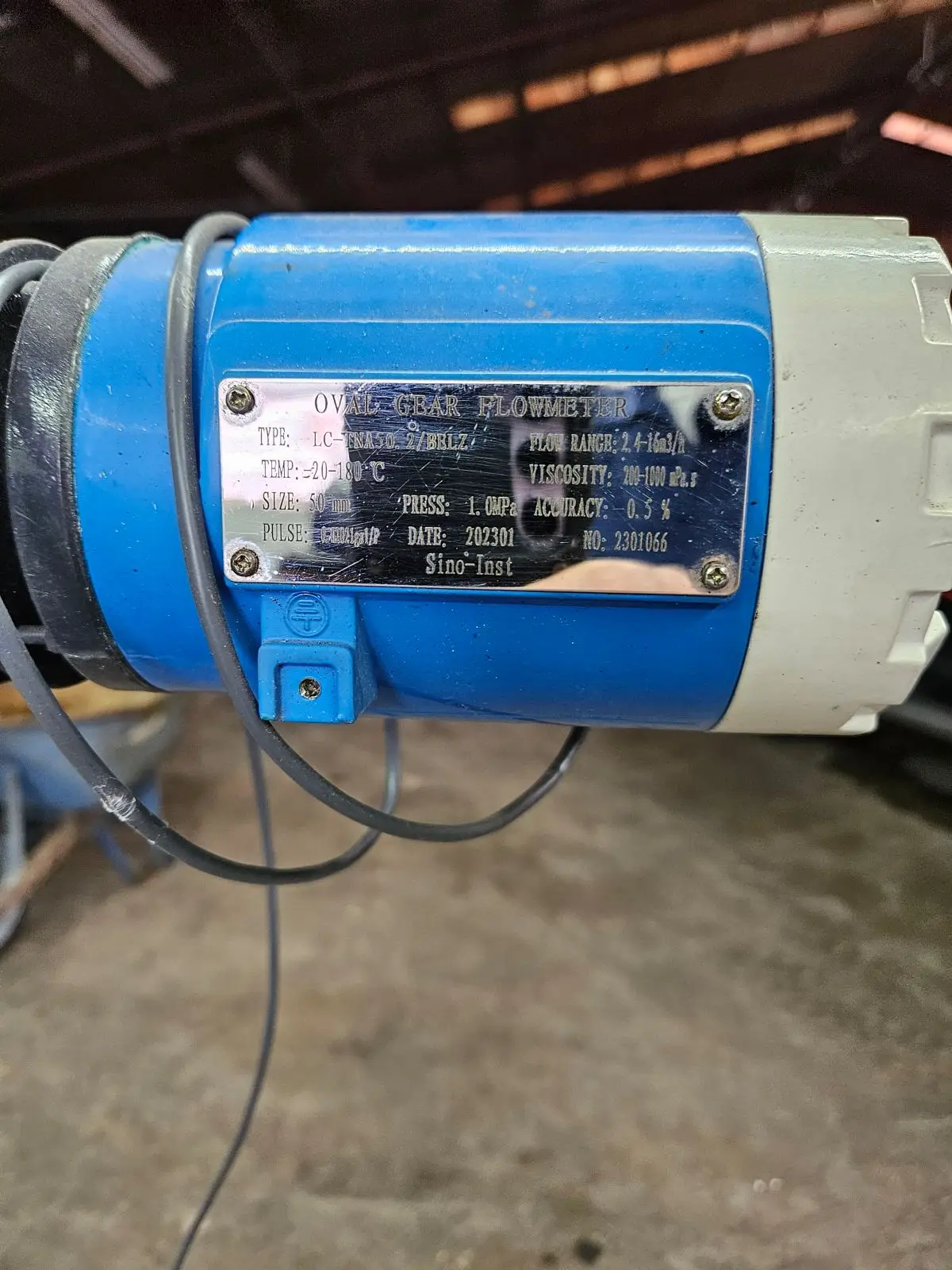
Gear or turbine flow meters should be used for hydraulic oil. Hydraulic oil is non-conductive, operates at high pressures, and its viscosity varies with temperature. Gear flow meters are insensitive to viscosity changes and are suitable for pressurized lines and test benches; turbine flow meters have low pressure drop and are suitable for clean, low-viscosity oils and high flow rates. For commercial metering, a Coriolis mass flow meter can be selected.
GF gear flow meters and turbine flow meters can be customized for high-pressure applications, ranging from 150 to 400 bar. Elliptical gear flow meters are rated up to 6.4 MPa. Our SI-3505 Coriolis mass flow meter is rated up to 6.3 MPa.
Turbine flow meters are suitable for clean oils with viscosities below 100 cSt; higher viscosities require gear flow meters or mass flow meters.
How to select flow meters for several common flow rates:
10 GPM pressure line: Select the GF15 gear flow meter, with a range of 0.88–13.2 GPM.
50 GPM: For the pressure line, select the GF32 gear flow meter; 50 GPM is approximately 57% of full scale; for the return line, select the SI-3603 DN50 oval gear flow meter for the return line.
100 GPM: This exceeds the upper limit of the GF series (88 GPM). Select the SI-3206 high-pressure turbine flow meter for the pressure line; select the SI-3603 DN65 oval gear flow meter for the return line, with a range of approximately 35–176 GPM.
FAQ
More Flow Meter Guides
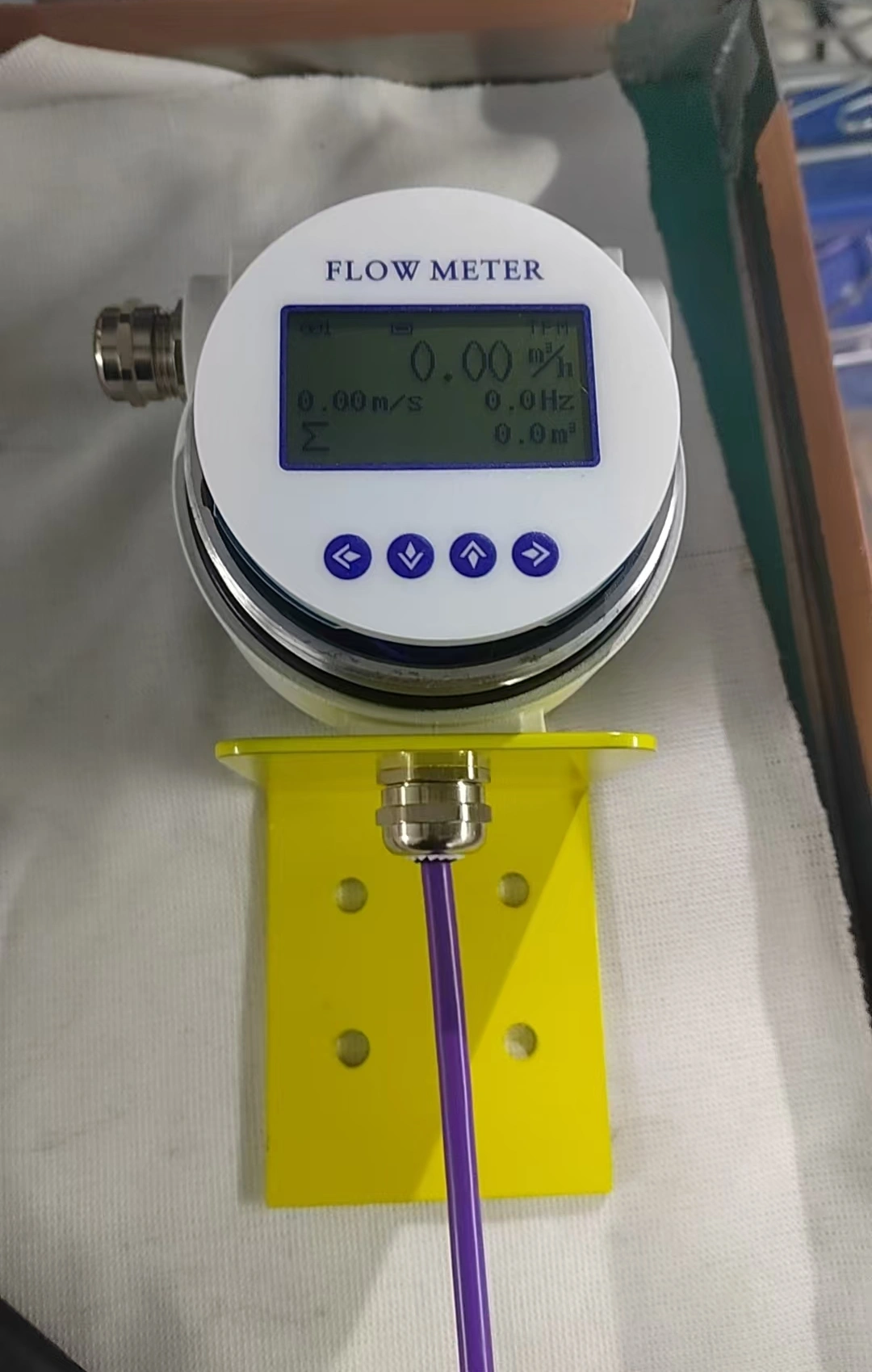
Flow Rate Converter: LPM to GPM, GPM to m³/h
Convert LPM, GPM, m³/h, L/s and imperial GPM instantly, with conversion charts and flow meter sizing examples.
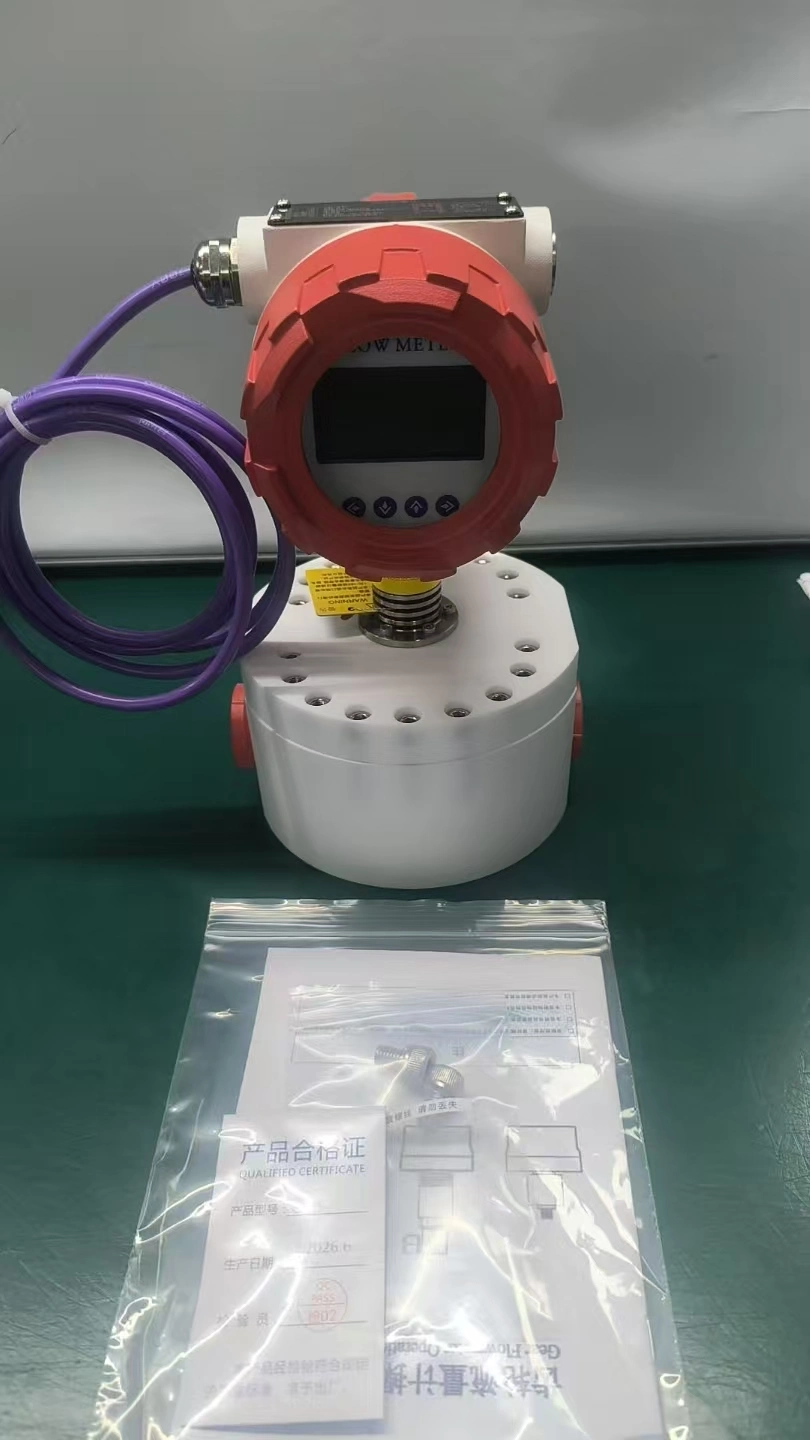
Gear Flow Meters for Viscous and Corrosive Low Flow Dosing
All-PTFE gear meters from 0.6 L/h and stainless models down to 0.1 L/h, with pulse sizing and pressure drop explained.
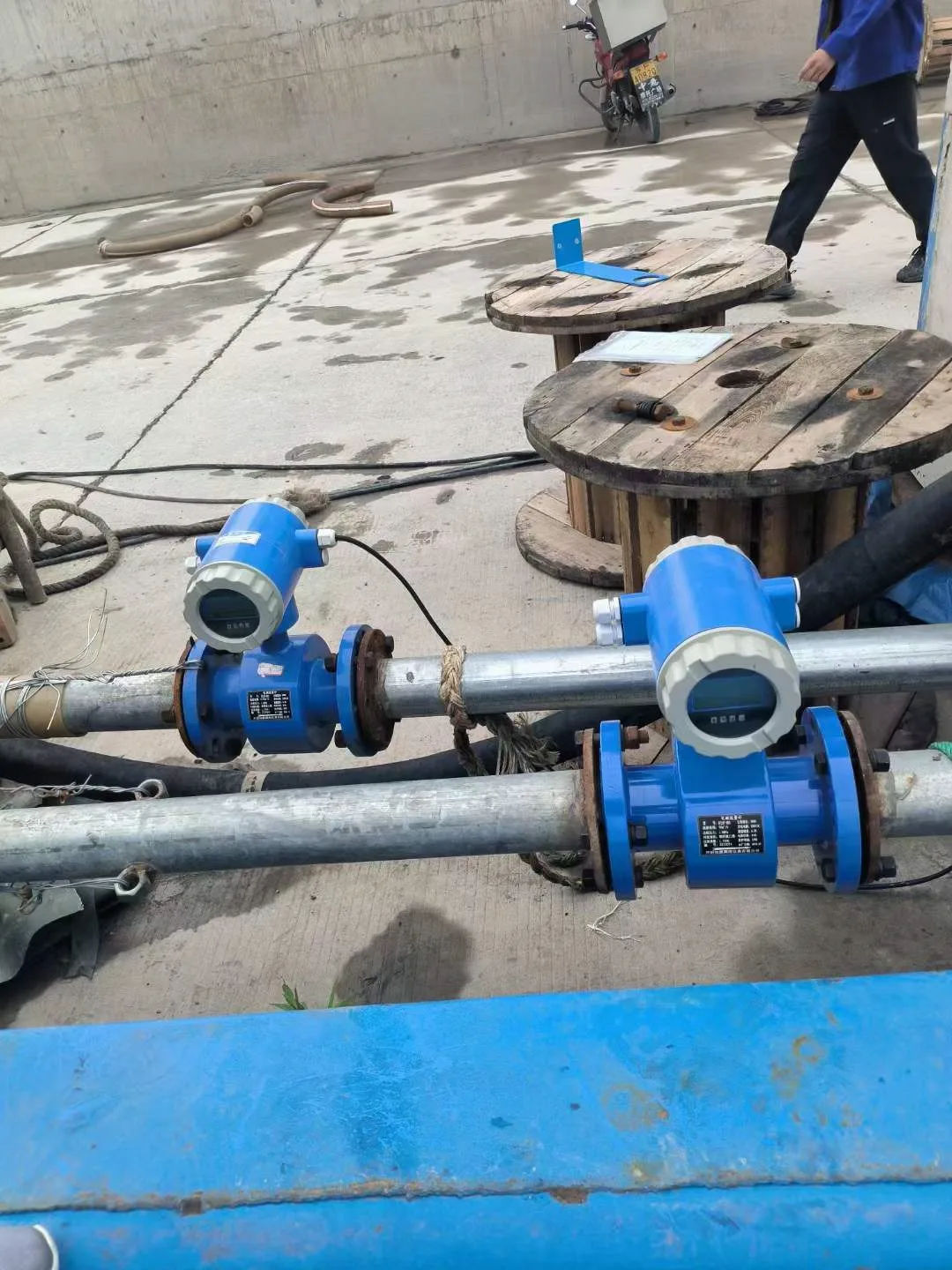
Choosing the Right Inline Water Flow Meter
Types, accuracy, sizing and material tips to match an inline meter to your industrial water application.

Zhang Wei, possesses 20 years of experience as an automation instrumentation engineer, specializing in the research, design, installation, commissioning, and maintenance of automation instruments.
Face to various instrument communication protocols (such as Modbus, Profibus, etc.), with solid hardware circuit design and software programming skills (proficient in C language and PLC programming). Has extensive project experience; projects he has led and participated in have all achieved outstanding results, improving product accuracy, reducing costs, and increasing production efficiency.
Possesses excellent communication and coordination skills and a strong team spirit, enabling him to quickly respond to customer needs and provide high-quality automation instrumentation solutions.
Want to see more of our engineering guides in Google Search? Add Sino-Inst as a preferred source.