
PSIG vs PSIA vs PSI: What They Mean and How to Convert
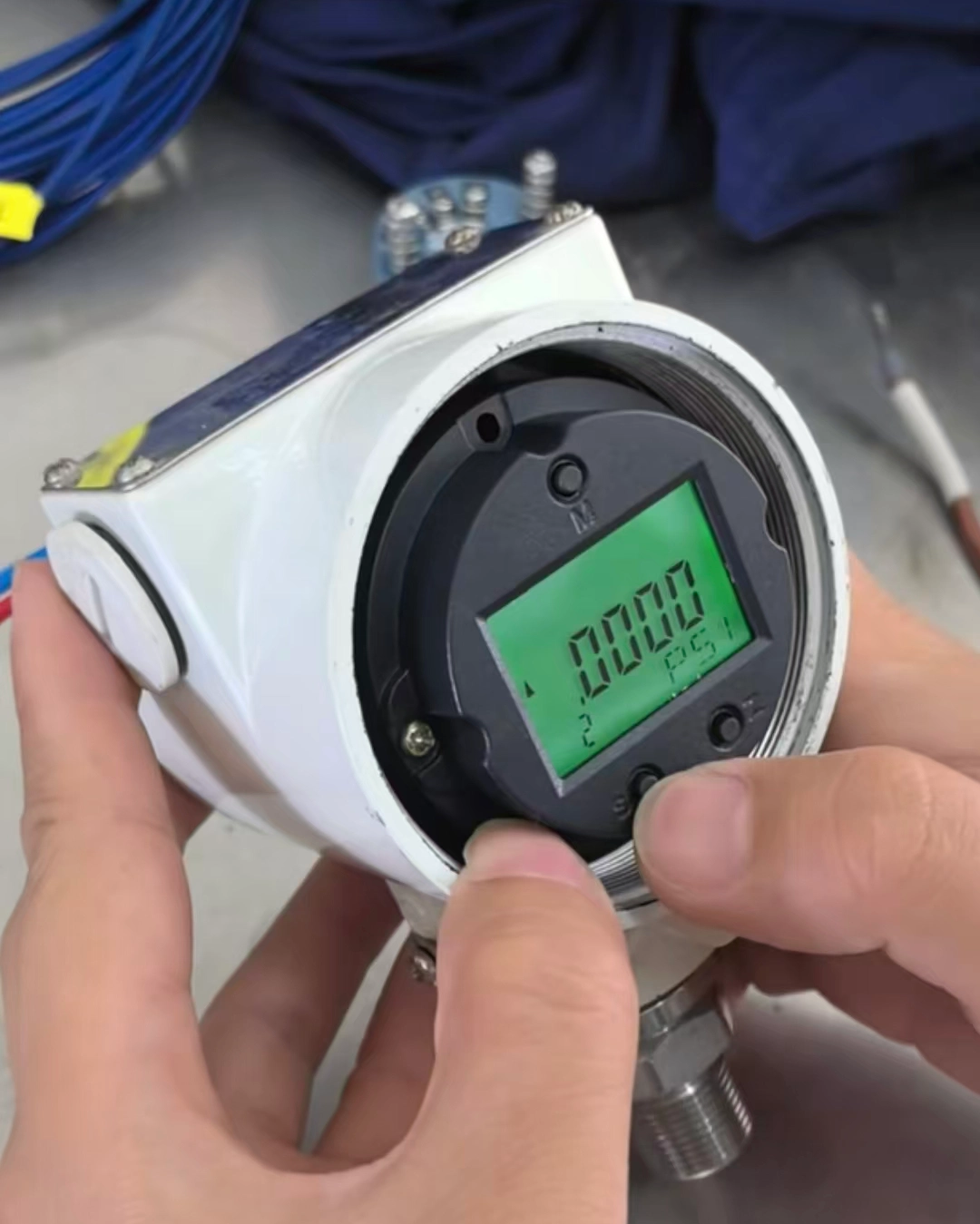
When purchasing or using pressure measurement equipment, you’ll often encounter units such as PSI, PSIA, and PSIG. Take air compressors, for example: they provide compressed air for a variety of industrial applications and needs, and the pressure measured in PSI indicates the maximum pressure generated by the air compressor.
Simply put, PSI is the most basic unit, while PSIG and PSIA are variants of PSI.
- PSI: Stands for pounds per square inch (Pounds per square inch), a commonly used unit of pressure employed in many pressure measurement applications.
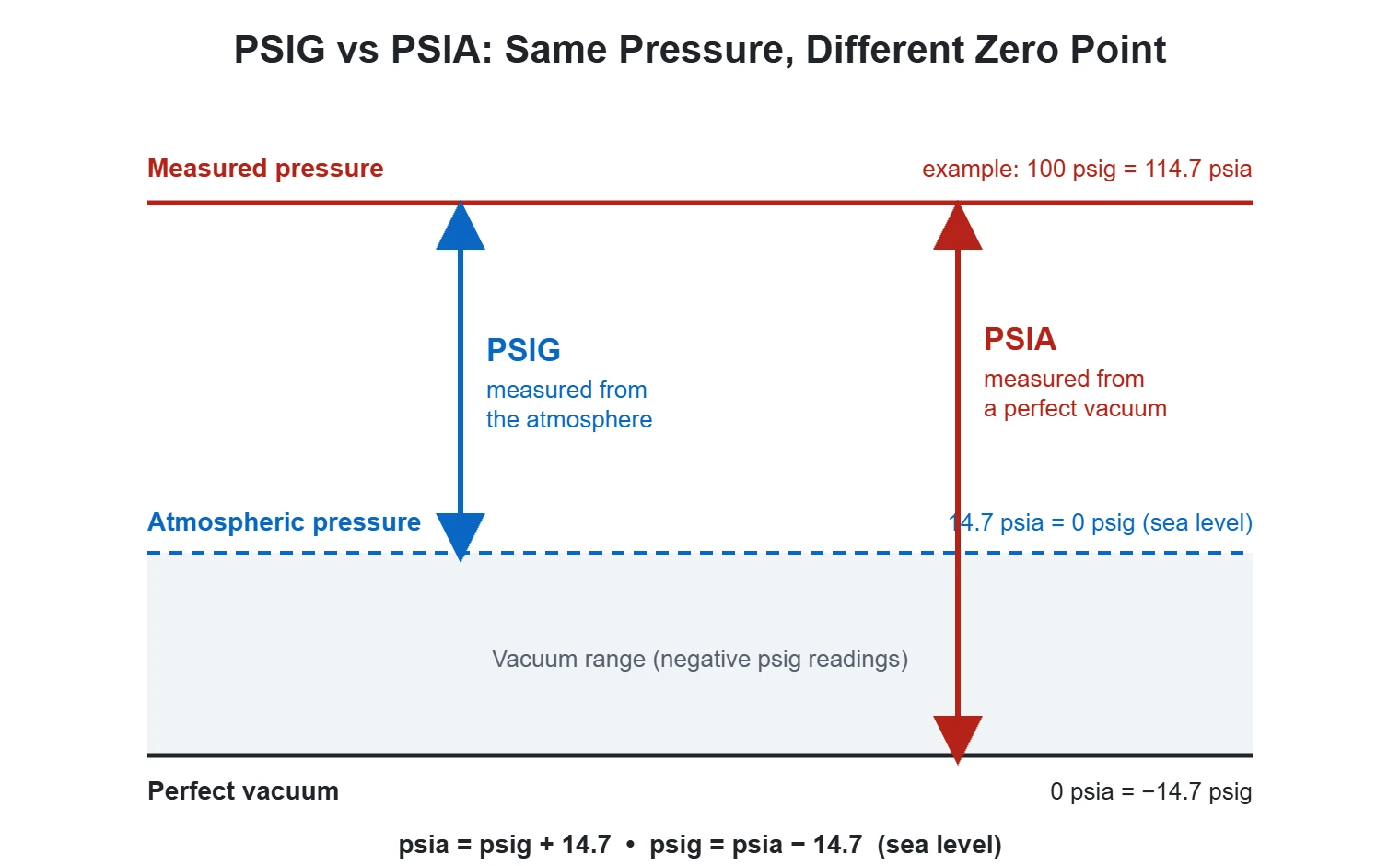
- PSIA: PSI Absolute, similar to absolute pressure, refers to absolute PSI. It is a pressure value measured relative to absolute vacuum.
- PSIG: PSI Gauge, similar to gauge pressure, refers to the PSI value corresponding to gauge pressure. It is equivalent to PSI.
PSIG-PSIA Calculator
The conversion formula between the two is: PSIA = PSIG + 14.7
1 PSI =
- 0.068046 atmospheres
- 0.0689476 bar
- 6,894.76 pascals
- 51.7149 torr
- 2.03602 inches of mercury
- 27.7076 inches of water
We’ve created a simple calculator to help you convert between PSIG and PSIA. It also supports local altitude correction. Enter the on-site altitude—in either feet or meters—and the calculator will use the standard atmospheric formula to calculate the local atmospheric pressure before performing the conversion. If no altitude is entered, the calculation will default to sea level (14.696 psi).
PSIG to PSIA Calculator
What is PSI?
PSI stands for Pound per square inch, which represents the force in pounds acting on each square inch. P stands for pound, S for square, and I for inch; it is a unit of pressure in the imperial system. It is widely used in Europe and the United States and can be found everywhere—in pipeline design, vehicle tire pressure, and industrial sensors. 1 standard atmosphere (atm) = 14.696 psi.
In the metric system, 1 bar ≈ 14.5 psi, and 1 MPa ≈ 145 psi. However, psi is widely used in the United States. This unit is applied in standards related to aircraft subsystems, such as JSSG-2009, as well as in pressure vessel certification.
PSI is used exclusively for industrial and technical applications outside the International System of Units (SI), such as tire pressure, fuel storage and distribution, and wastewater management. For example, when inflating a car tire, PSI indicates the air pressure inside the tire. Similarly, an air compressor rated at 500 PSI means it can deliver a pressure of 500 pounds per square inch.
What is PSIG?
PSIG stands for “pounds per square inch gauge,” which refers to a pressure value relative to local ambient atmospheric pressure. It represents the value directly displayed on a pressure gauge; for example, 100 psig indicates a pressure 100 psi higher than atmospheric pressure.
PSIG is commonly used in industrial applications; for example, compressed air pressure is typically around 100 psig, while hydrogen refueling stations operate at pressures ranging from 5,076 to 10,153 psig. Pressure gauges cover ranges from 0–15 psig to 0–1,000 psig and even up to 2,000 psig.
What is PSIA?
PSIA stands for “pounds per square inch absolute,” with absolute vacuum as its reference point. Therefore, PSIA readings include atmospheric pressure. At standard atmospheric pressure at sea level, the absolute pressure value is approximately 14.7 PSI higher than the gauge pressure value.
Atmospheric pressure varies with altitude and other factors such as weather patterns and temperature, but at sea level, it is 14.69 PSIA. PSIA is also used as a unit of pressure in other fields, such as pressure measurement at high altitudes or in vacuum environments, as well as in the avionics and oil and gas industries.
PSIG vs PSIA vs PSI
Simply put, the comparison between these three units is as follows:
| PSI | PSIG (gauge) | PSIA (absolute) | |
|---|---|---|---|
| Zero reference | Not stated — read it as gauge unless marked otherwise | Local atmospheric pressure | Perfect vacuum |
| Reading in open air | 0 | 0 psig | ≈14.7 psia at sea level |
| Can it read negative? | — | Yes, down to −14.7 psig (vacuum) | No, 0 psia is a perfect vacuum |
| Shifts with altitude / weather | — | Yes — the zero point moves with the atmosphere | No — fixed zero |
| Conversion | psia = psig + 14.7 (sea level) | psig = psia − 14.7 (sea level) | |
| Typical uses | Tire pressure, compressor ratings, general specs | Pipelines, hydraulics, pneumatics, HVAC gauges, relief valve settings | Vacuum systems, steam tables, gas flow P/T compensation, aerospace |
PSID and PSIS
PSID stands for Pounds per Square Inch Differential, which refers to the pressure difference generated by a force of 1 pound per square inch. PSID is specifically used to indicate the difference between two pressures, rather than absolute pressure or relative atmospheric pressure. For example, the differential pressure across a filter—used to indicate whether the filter element is clogged—as well as orifice flow meters and differential pressure level transmitters, can all utilize PSID.
PSIS stands for Sealed Gauge Pressure. Its reference chamber is sealed at the factory and contains approximately one standard atmosphere of pressure, so the reading does not vary with on-site atmospheric pressure or weather conditions.
When to Use PSIG vs PSIA in Real Applications
The difference between PSIG and PSIA is not merely theoretical; in industrial process applications, the two must never be confused. Below are some of the most common scenarios encountered in the field.
1. HVAC and refrigeration systems. The scales on refrigerant manifold gauges and the values in maintenance manuals are, by default, all gauge pressure. The saturated temperature is directly engraved on the inner ring of the pressure gauge, which is calibrated based on gauge pressure readings; therefore, the refrigeration industry exclusively uses psig.
2. Steam systems. Saturated steam tables are based on absolute pressure, but pressure gauges in boiler rooms read gauge pressure.
3. Vacuum Conditions. Measurements below atmospheric pressure must use absolute pressure. The zero point of gauge pressure gauges follows local atmospheric pressure; as weather changes or altitude shifts, the reference drifts, making it impossible to distinguish minute changes in negative pressure.
4. Temperature and pressure compensation for gas flow. The density correction in flow totalizers uses absolute pressure. The most common mistake in the field is entering a gauge pressure signal directly into a DCS or totalizer as if it were absolute pressure. This effectively omits one atmosphere from the density calculation, resulting in flow measurement errors.
Gauge, Absolute and Differential Pressure Transmitters
Each reference type has a matching transmitter. These three cover the psig, psia and psid measurements discussed above.
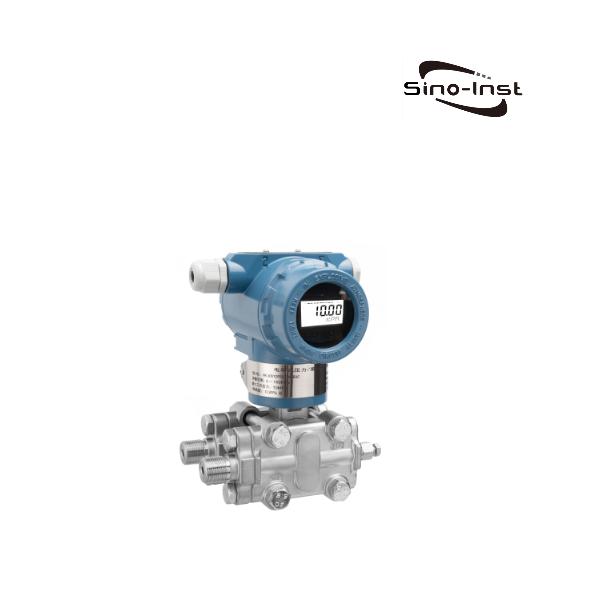
SI-3151 Absolute Pressure Transmitter
Capacitive absolute pressure transmitter that measures in psia, from a true vacuum reference. Use it for vacuum processes, distillation and gas density compensation. 4-20 mA with HART.
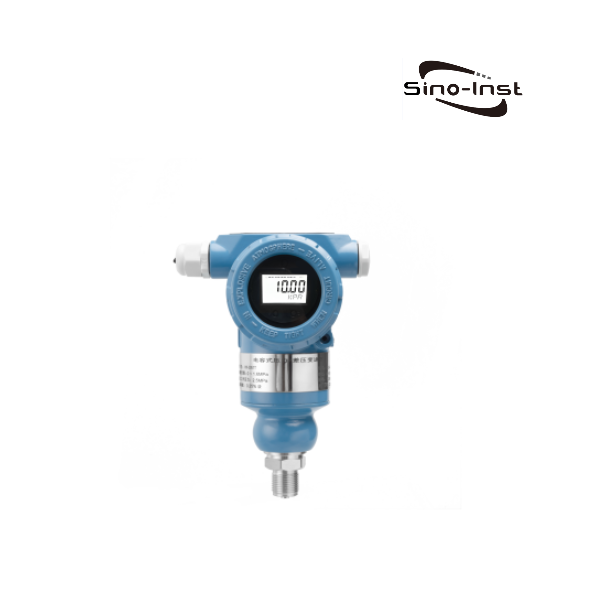
SI-3051T Gauge Pressure Transmitter
Direct-mount gauge pressure transmitter that reads in psig, referenced to the local atmosphere. A fit for pipeline, pump outlet and compressed air monitoring.
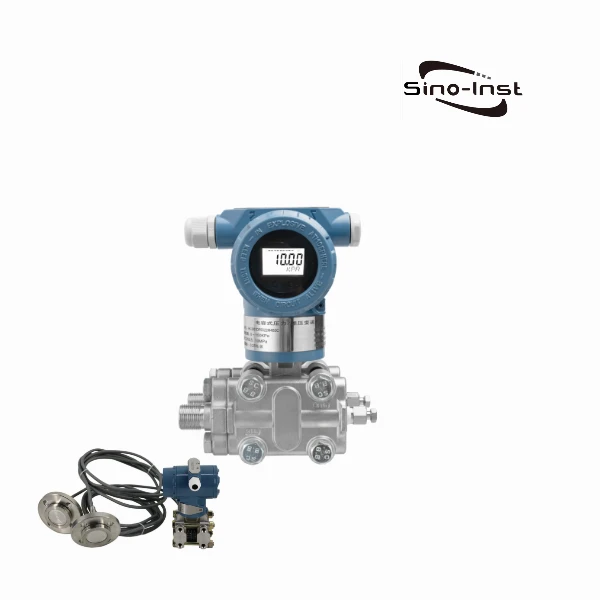
SI-3151DP Differential Pressure Transmitter
Capacitive differential pressure transmitter for psid measurements: filter pressure drop, orifice flow and DP level applications.
Further Reading
- 2-Wire, 3-Wire and 4-Wire Pressure Transducer Wiring
- Top 10 Pressure Transmitter Terminology
- Common Industrial Pressure Measuring Devices
FAQ

Zhang Wei, possesses 20 years of experience as an automation instrumentation engineer, specializing in the research, design, installation, commissioning, and maintenance of automation instruments.
Face to various instrument communication protocols (such as Modbus, Profibus, etc.), with solid hardware circuit design and software programming skills (proficient in C language and PLC programming). Has extensive project experience; projects he has led and participated in have all achieved outstanding results, improving product accuracy, reducing costs, and increasing production efficiency.
Possesses excellent communication and coordination skills and a strong team spirit, enabling him to quickly respond to customer needs and provide high-quality automation instrumentation solutions.
Want to see more of our engineering guides in Google Search? Add Sino-Inst as a preferred source.