Sulfuric Acid Flow Measurement
Sulfuric acid is a vital industrial raw material used in the manufacture of fertilizers, pharmaceuticals, pigments, detergents, and batteries. It is widely used in industries such as petroleum purification, metal…

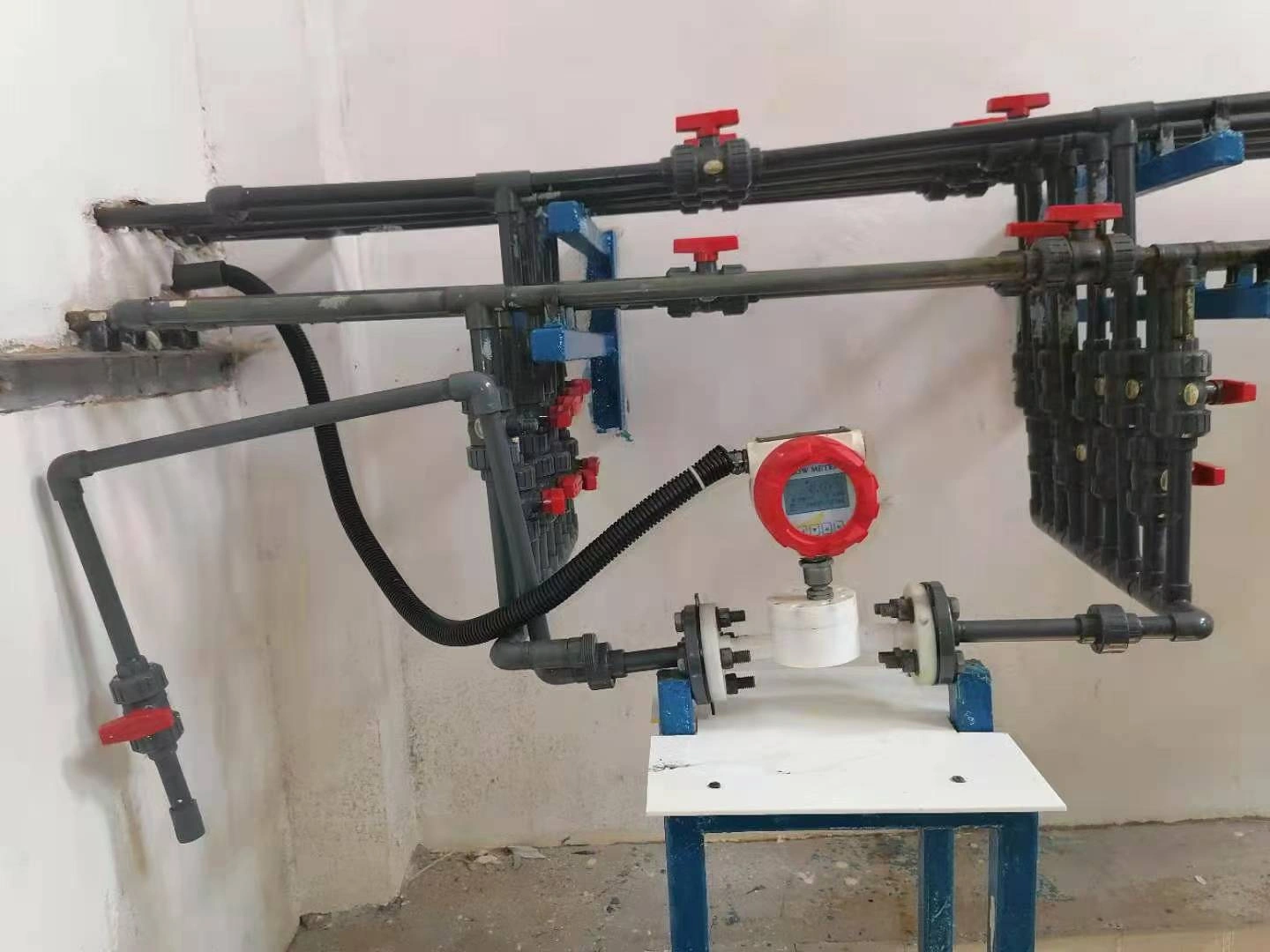
Hydrochloric acid is a vital basic chemical raw material widely used across various sectors, including the chemical industry, metallurgy, water treatment, food processing, pharmaceuticals, and electronics. Selecting the appropriate flow meter for hydrochloric acid helps reduce costs and ensures the safety and stability of the production process.
For hydrochloric acid flow measurement, the top four choices are: electromagnetic flow meters, all-PTFE turbine flow meters, all-PTFE gear flow meters, and clamp-on ultrasonic flow meters.
The primary challenge in measuring hydrochloric acid is its corrosiveness. As a typical strong non-oxidizing acid, hydrochloric acid is highly corrosive to the vast majority of metals. Standard stainless steel electrodes (such as 316L) quickly succumb to corrosion in hydrochloric acid; pitting or even dissolution occurs on the surface, directly leading to distorted flow signals or a complete loss of output.
To complicate matters, actual operating conditions often involve the presence of iron ions, chlorine gas, or other impurities, as well as fluctuations in temperature and concentration—all of which accelerate electrode corrosion. Therefore, addressing the corrosion issue essentially comes down to selecting materials suitable for the specific conditions under which the hydrochloric acid is being measured.
Next, let’s take a look at these four types of flow meters, and then tell you how to choose the right one.
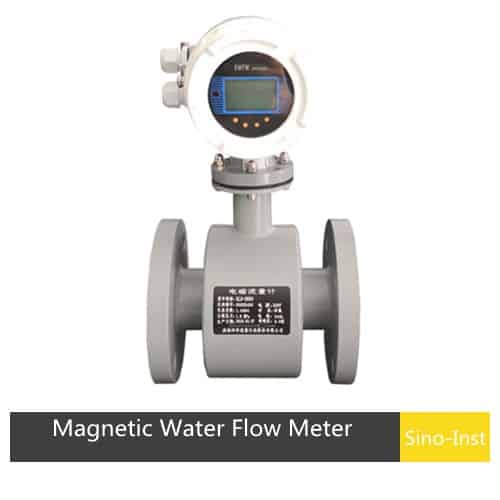
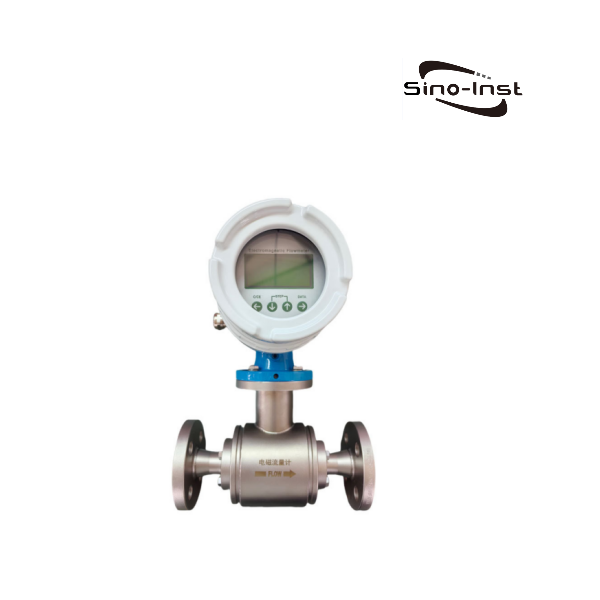
Electromagnetic flowmeters are suitable for measuring the flow of various conductive media and are the preferred choice for hydrochloric acid applications. They can measure conductive hydrochloric acid and pickling waste liquids containing particulates, covering pipe diameters from DN2 to DN3000.
When selecting an electromagnetic flowmeter, it is essential to specify the material configuration, including the electrodes, liner, and grounding components.
Tantalum Electrodes
Tantalum exhibits excellent corrosion resistance to hydrochloric acid at room temperature, allowing for stable, long-term operation in acid concentrations below 40% and at moderate temperatures. A dense oxide film (Ta₂O₅) forms on its surface, preventing further corrosion.
However, note that tantalum’s corrosion resistance drops significantly when the hydrochloric acid contains fluorides or when temperatures are high (e.g., exceeding 80°C); in such cases, it is not a suitable choice.
Hastelloy B or Hastelloy C Electrodes
Hastelloy B (UNS N10001) is a nickel-molybdenum alloy specifically developed to resist non-oxidizing acids; it demonstrates excellent corrosion resistance in hydrochloric acid across a wide range of concentrations and at temperatures below the boiling point.
The Hastelloy C series (e.g., C-276), containing chromium, molybdenum, and tungsten, offers good resistance to mixed oxidizing and reducing acids, making it suitable for hydrochloric acid media containing chloride ions or trace amounts of oxidizing agents.
However, these materials require demanding manufacturing processes and come at a high cost.
Platinum-Iridium Alloy Electrodes
Platinum-iridium alloys possess extremely high chemical stability and are commonly used in highly corrosive, high-temperature, or high-pressure applications. In hydrochloric acid, these alloys remain virtually uncorroded, provided the medium does not contain strong oxidizing agents such as aqua regia or free chlorine.
Due to their high cost, they are typically reserved for special operating conditions or critical measurement points requiring an exceptionally long service life.
Liner Materials:
When measuring hydrochloric acid, acid-resistant, temperature-resistant, and low-permeability fluoroplastic liners—such as Polytetrafluoroethylene (PTFE) or Perfluoroalkoxy (PFA) resin—should be selected. These materials are chemically inert and effectively isolate the pipe wall from the medium, preventing corrosion of the flanges or the measuring tube.
Grounding rings or grounding electrodes:
To prevent electrolytic corrosion, grounding components in contact with the medium should be made of materials resistant to hydrochloric acid—such as tantalum or Hastelloy—and should match the electrode material to avoid accelerated corrosion caused by electrochemical potential differences.
Therefore, electromagnetic flowmeters are suitable for hydrochloric acid with a conductivity of ≥5 μS/cm (typical industrial concentrations of 10%–37% meet this requirement). The liner must be PTFE or PFA (for strong corrosion resistance), and the electrodes should be made of tantalum (for concentrations ≤40% at ambient temperature) or Hastelloy C (for higher concentrations/temperatures); materials such as 316L or platinum should be avoided, as they are susceptible to corrosion by hydrochloric acid.
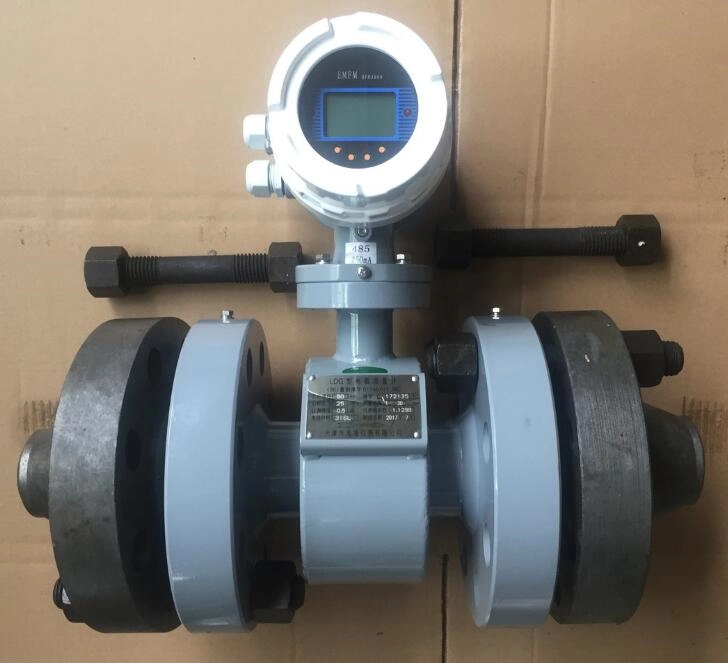
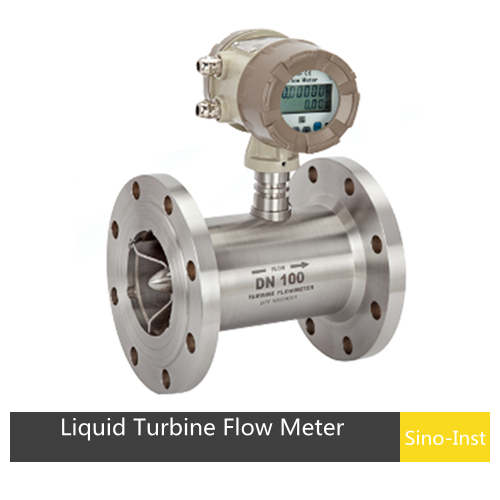
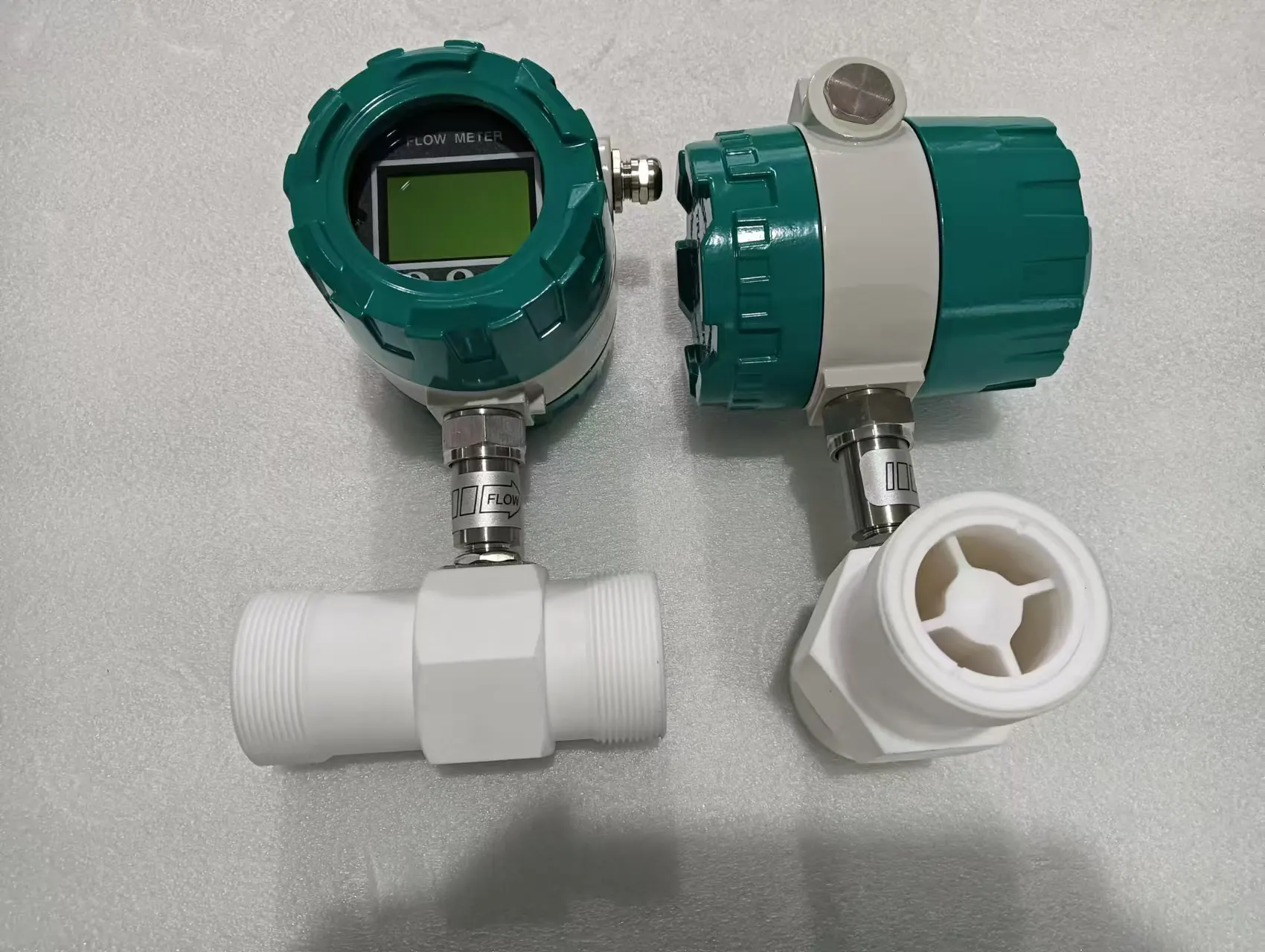
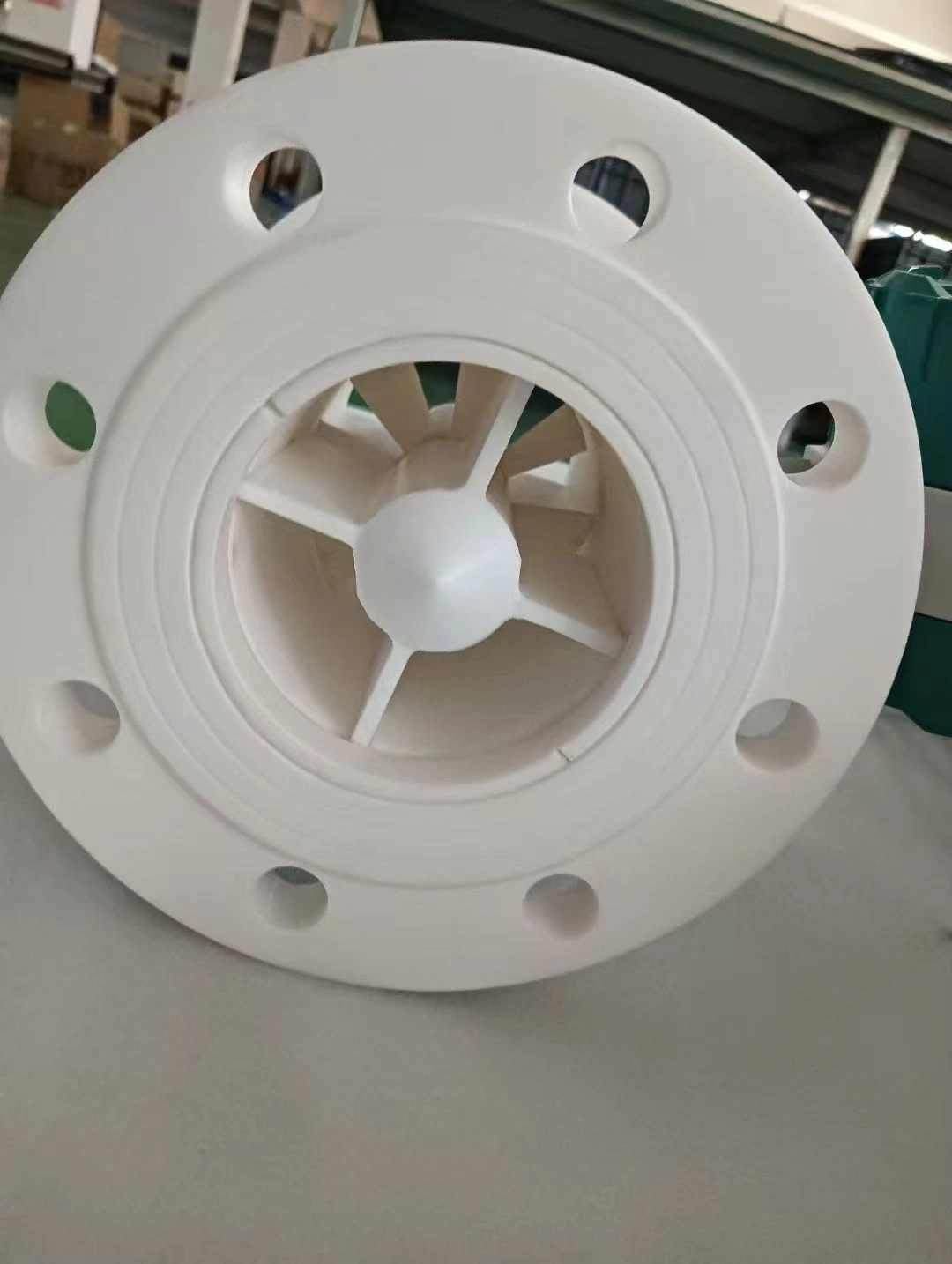
Conventional turbine flow meters are typically made of carbon steel or duplex stainless steel alloys and cannot directly measure hydrochloric acid flow. However, by constructing the flow meter body entirely from PTFE (polytetrafluoroethylene), it becomes suitable for measuring hydrochloric acid.
Turbine flow meters do not require the measured hydrochloric acid to be electrically conductive and can tolerate small amounts of impurities.
We have previously customized all-PTFE turbine flow meters for clients:
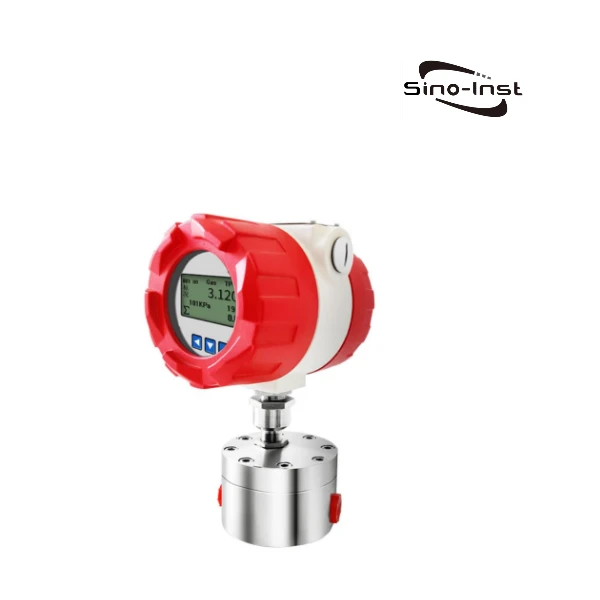
Our gear flow meter is a type of positive displacement (PD) flow meter. It offers an accuracy of up to 0.5% F.S. It operates by utilizing the pressure difference between the inlet and outlet as fluid passes through the meter’s chamber, driving a pair of meshing gears. These two precision-matched gears are enclosed within a finely machined chamber, where the space between the gear teeth and the chamber wall forms volumetric pockets of equal size. As the fluid drives the gears to rotate, the flow is segmented into discrete, known standard volumes. The total fluid volume is measured by counting the successive filling and discharging cycles of these volumetric pockets.
Constructed entirely from PTFE, this gear flow meter withstands pressures up to 0.6 MPa and temperatures ranging from -20°C to 80°C. It is particularly well-suited for measuring very low flow rates, ranging from 0.6 to 50 L/h, and meets Exd IICT6 explosion-proof standards.
Additionally, the meter offers installation advantages: it does not require straight pipe runs upstream or downstream and can be installed directly onto flexible hoses. It enables precise control over processes such as fine ingredient proportioning, micro-dosing, and chemical titration.
Of course, the PTFE gear flow meter requires that the measured medium be free of impurities such as particles.
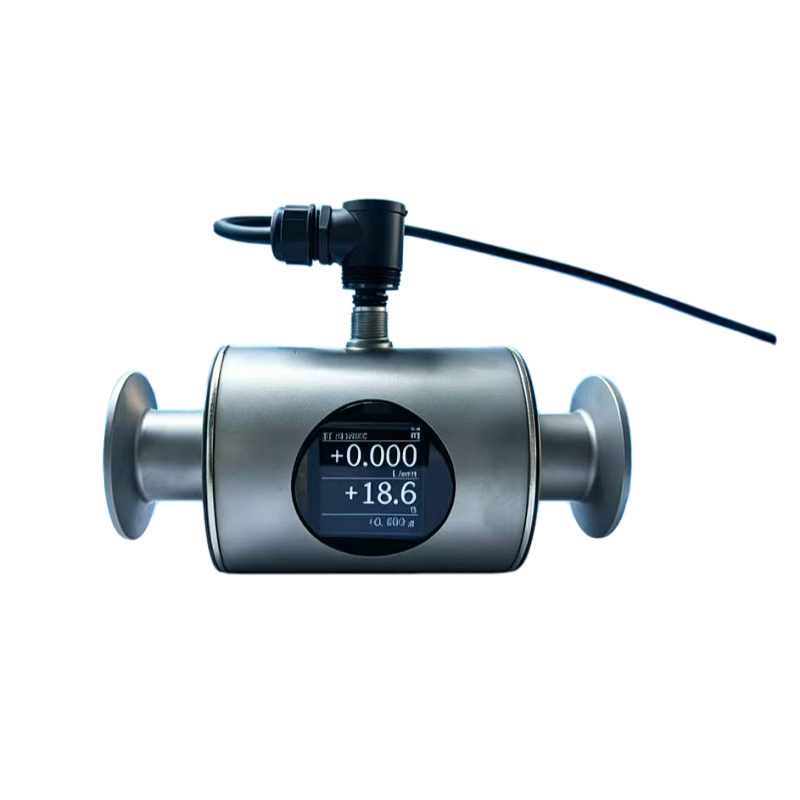
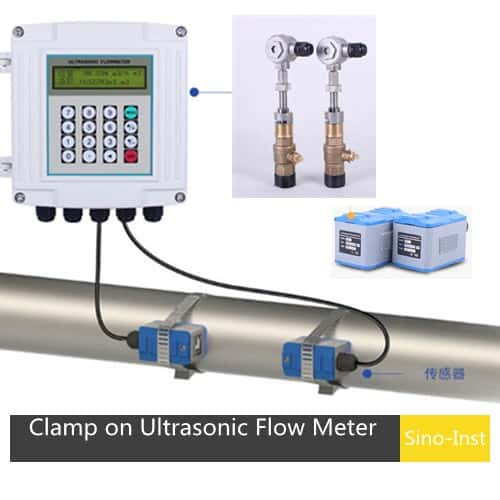
If your operating conditions do not allow for cutting into the pipeline, you can choose a clamp-on ultrasonic flow meter. The sensors are mounted on the exterior of the pipe and do not come into contact with the hydrochloric acid being measured, making the measurement process simple.
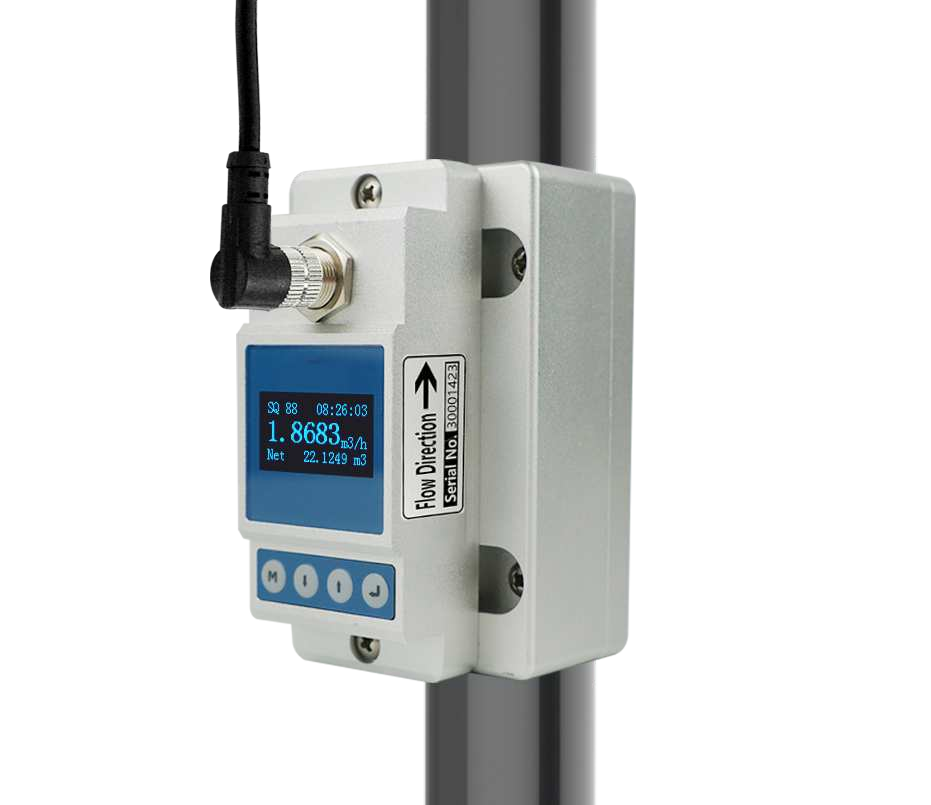
We offer compact clamp-on ultrasonic flow meters suitable for pipe sizes ranging from DN6 to DN200, while our standard models cover a range of DN15 to DN6000.
Compatible pipe materials include metal, PVC, PVDF, PPR, PU, and HDPE. However, the pipeline must be completely filled with the medium, free of internal linings or scaling, and the medium itself must not contain significant amounts of air bubbles or suspended particles.
Before selecting the appropriate hydrochloric acid flow meter, please confirm the following operating parameters:
With these parameters in hand, you can contact our sales engineers to quickly select the most suitable hydrochloric acid flow meter.
For example, this user on Reddit could actually choose either an electromagnetic flow meter or a full PTFE gear flow meter. Of course, the specifications mentioned in the post are incomplete; with full specifications, we could recommend a suitable flow meter for hydrochloric acid.
Solving corrosion issues in hydrochloric acid measurement depends not only on the materials themselves but is also closely related to the manufacturing precision of the flowmeter’s components, material compatibility, and overall protective design.
Once the hydrochloric acid concentration, temperature, flow rate, pressure, and presence of particulates are determined, electromagnetic flowmeters are the preferred choice (no pressure loss, wide measurement range, proven solution). We will select a lining and electrode combination based on the operating conditions. If the hydrochloric acid concentration exceeds 40% or the temperature exceeds 80°C, corrosion-resistant electrodes are required (tantalum may fail in high-temperature, concentrated hydrochloric acid; in such cases, Hastelloy offers greater stability).
At Sino-Inst, we have long provided customized hydrochloric acid flow measurement solutions for our customers and possess extensive experience in multi-material fabrication and system integration for corrosive media. For 90% of operating conditions—including routine hydrochloric acid transfer, acid pickling production lines, process monitoring, and trade metering—a corrosion-resistant electromagnetic flowmeter with a PTFE lining and tantalum electrodes is suitable. For high-temperature applications, upgrade to a PFA lining with Hastelloy electrodes, paired with a split-body design. For other special applications, such as high-precision micro-dosage in fine chemicals or automated quantitative acid dosing in small-diameter pipes, fully PTFE-lined gear flowmeters and turbine flowmeters are available. For temporary flow monitoring without interrupting pipeline operations, clamp-on ultrasonic flowmeters are recommended.
Please feel free to contact our sales engineers at any time to discuss hydrochloric acid flow measurement solutions.
Zhang Wei, possesses 20 years of experience as an automation instrumentation engineer, specializing in the research, design, installation, commissioning, and maintenance of automation instruments.
Face to various instrument communication protocols (such as Modbus, Profibus, etc.), with solid hardware circuit design and software programming skills (proficient in C language and PLC programming). Has extensive project experience; projects he has led and participated in have all achieved outstanding results, improving product accuracy, reducing costs, and increasing production efficiency.
Possesses excellent communication and coordination skills and a strong team spirit, enabling him to quickly respond to customer needs and provide high-quality automation instrumentation solutions.