Home > Blog > Case: Non-Contact Ultrasonic Flow Meter For Water
Case: Non-Contact Ultrasonic Flow Meter For Water
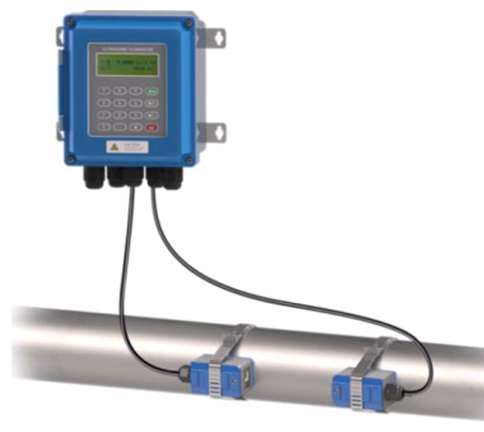
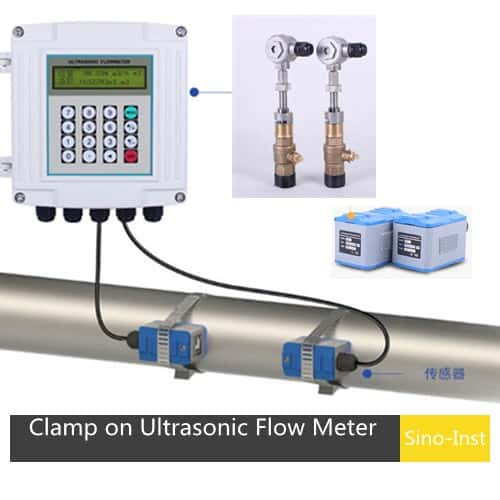
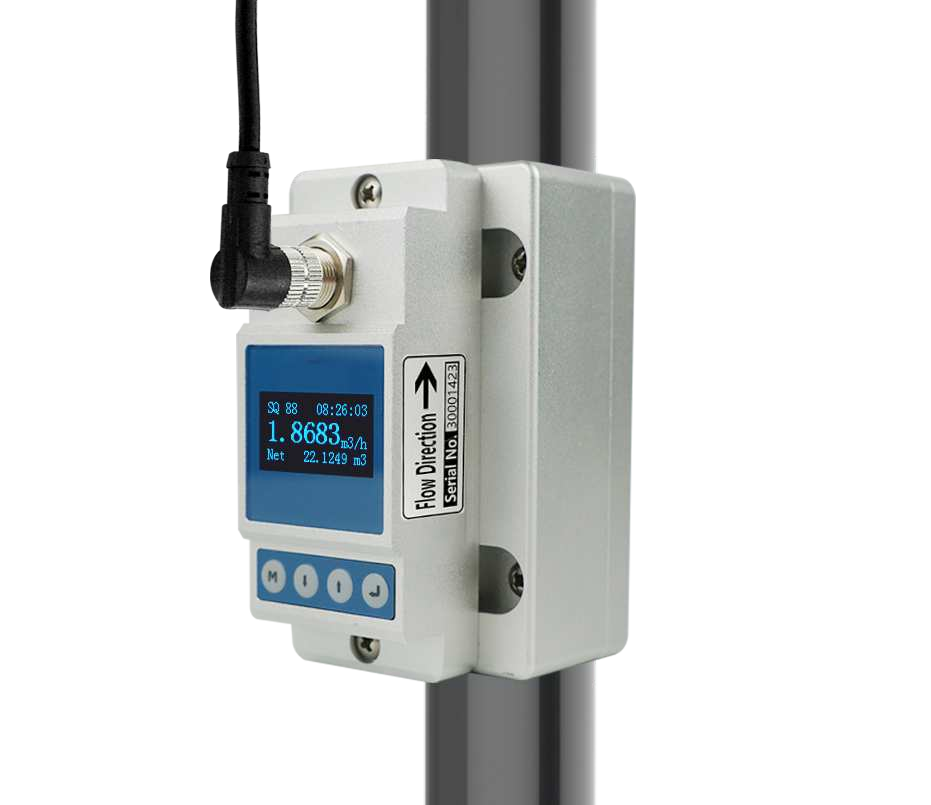
A clamp-on ultrasonic flow meter is an instrument that uses high-precision ultrasonic sensing technology to measure flow rate. It mainly consists of a host and a set of ultrasonic sensors. These sensors can be installed on the outer wall of the pipe without the pipe or shutting down the system, and they will not contaminate the medium in the pipe. The clamp-on ultrasonic flow meter measures the velocity and flow rate of fluids by utilizing the propagation characteristics of ultrasonic waves. It has advantages such as being non-invasive, highly accurate, and widely applicable.
Custom Case
A client from Nigeria wanted to measure the flow rate of water in a pipe. He wanted a non-contact measurement method. He contacted our sales staff through our website, and the final parameters are as follows:
Ultrasonic flowmeter
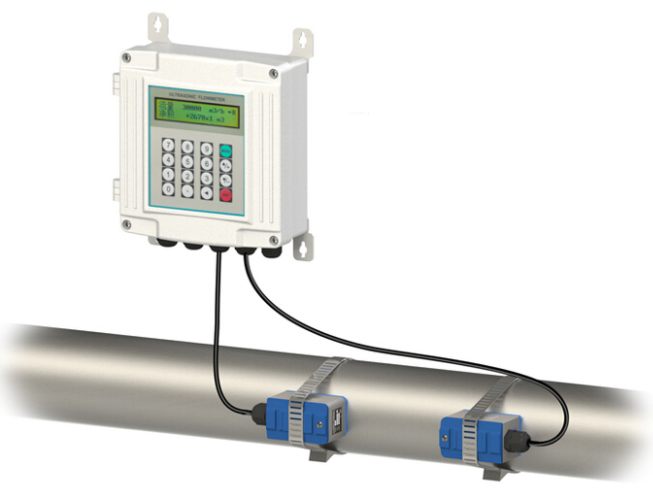
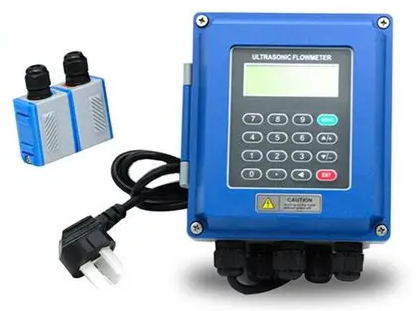
Wall-mounted host + external clamp sensor
Measuring range: DN50~DN700
Temperature: -30~90℃
Measuring medium: single uniform medium
Accuracy level: ±1.0%
Display mode: on-site display
Signal output: 4-20mA output + RS485 communication
The core technology of clamp-on ultrasonic flow meters originates from the time-of-flight measurement principle. The time-of-flight method of clamp-on ultrasonic flow meters works essentially like this: You attach a probe to the outer wall of a water pipe, one upstream and one downstream, one emitting ultrasonic waves and the other receiving them. When there is no water flow, the time it takes for the ultrasonic wave to travel from point A to point B is the same as the time it takes to travel from point B to point A. This is similar to shouting in still air; the round trip distance is the same, so the waves arrive simultaneously.
However, things change when water flows. Downstream, the ultrasonic waves are “pushed” by the water flow and travel faster; upstream, they are “pushed” by the water flow and travel slower. The time difference between these two directions directly reflects the magnitude of the water flow velocity.
In practical calculations, using known parameters (pipe diameter, wall thickness, material) and the time difference, the average linear velocity can be calculated. Multiplying this by the pipe cross-sectional area gives the flow rate. In actual field applications, the probe installation angle is crucial; it must be installed at a standard angle such as 45 degrees, as the angle directly affects the calculation accuracy. Furthermore, too many air bubbles or high turbidity in the fluid will significantly reduce signal quality, which is the biggest weakness of this method.
In general, the time-of-flight method measures velocity by capturing the minute time difference between the “forward” and “backward” flow of ultrasound in water, thus its accuracy is good. Its most attractive feature is its non-contact measurement capability.
Main Features
Non-invasive measurement: No pipe cutting or shutdown is required, and it does not contaminate the pipe medium, achieving non-destructive installation.
High Precision: In actual use, this flow meter has good accuracy control, and the time difference method can reduce the error to within 1%.
Wide Applicability: It has strong on-site adaptability, can test various cleaning liquids, and can cover pipe diameters from DN15 to DN6000 mm, as well as pipes of different materials.
High Reliability: The most worry-free feature is that it operates outside the tube and does not come into contact with the medium. This way, it will not disturb the flow field, nor will it be affected by changes in the properties of the medium, and it is relatively stable in long-term operation.
Simple and Quick Installation and Low Maintenance Costs.
Corrosion resistant, high temperature resistant, impact resistant, and wear resistant: It has good environmental adaptability and can meet the flow measurement needs of various applications.
Clamp-on ultrasonic flow meters have wide applications in industrial production, water treatment, and environmental monitoring. Typical applications include:
1. Municipal Water Supply and Drainage Systems
In waterworks and sewage treatment plants, people use clamp-on ultrasonic flow meters to monitor the flow of raw water, treated water, and sewage. And this can optimize water resource utilization and ensure environmental compliance. For example, in drainage networks, the equipment can monitor sewage flow in real time, which can assist in assessing pipeline load and drainage efficiency, and provide data support for urban flood control.
2. Industrial Process Control
In industries such as chemical and oil and gas, clamp-on ultrasonic flow meters are particularly convenient to use. They are ideal for monitoring the flow of corrosive liquids such as strong acids and alkalis, since they are clamped outside the pipe and never come into contact with the medium, thus greatly reducing the risk of leakage. Moreover, these devices are resistant to high pressure and high temperatures, and can operate stably even in harsh environments, ensuring the efficiency of energy transmission.
3. Energy and Environmental Monitoring
In power plants, the staff use clamp-on ultrasonic flow meters to monitor the flow of cooling water and heat transfer media, which can ensure safe equipment operation. In the environmental field, they can be used for wastewater discharge monitoring. For example, at industrial wastewater discharge outlets, it can record flow data in real time, which can assist environmental protection departments in verifying total emissions.
4. Building and HVAC Systems
In HVAC systems, people use clamp-on ultrasonic flow meters to optimize cooling water flow management and reduce energy consumption. Its high-precision measurement capabilities ensure that the system adjusts the flow rate as needed, which can avoid energy waste.
For a project involving level measurement in a sodium hydroxide (NaOH) storage tank, the client had previously used pressure-based level transmitters. Given the corrosive nature of the strong alkaline medium, we recommended an 80 GHz non-contact radar level transmitter; compared to ultrasonic alternatives, this instrument offers superior corrosion resistance and effectively handles in-tank condensation issues. … Read more
For a turbine oil tank level measurement project, the client specified an RF capacitance level transmitter with a 700mm coaxial rod probe and PTFE insulation. The operating conditions are 200°C and 24 bar, with a 4–20 mA + HART output and a 1.5″ BSP threaded connection. An assessment based on application experience confirms that an … Read more
In industrial tank level measurement applications, high-performance guided-wave radar level transmitters—such as the Eclipse 706-512B-320—have become the ideal choice for many high-precision operations due to their stable measurement performance. The 316 stainless steel model, in particular, meets the measurement requirements for the majority of standard industrial media. Unlike the simple selection process for general-purpose instruments, … Read more
The Type S thermocouple (Model WRP-130) is a high-temperature platinum-rhodium thermocouple. Classified under the “S” graduation, it is primarily used to measure temperatures ranging from 0°C to 1600°C and belongs to the category of noble metal thermocouples. Type S thermocouples are typically used in conjunction with display instruments, recorders, and electronic regulators. They can directly … Read more
A water pump is a device used to transport or pressurize liquids. Pump head refers to the height to which the pump can lift water; pump head is directly proportional to pressure. Based on clear water at 4°C (39.2°F), density 1000 kg/m³: 1 psi = 2.31 ft H₂O = 0.703 m H₂O; 1 ft H₂O … Read more
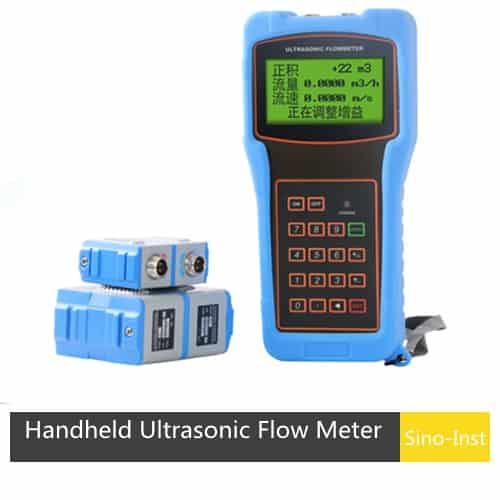
On-site flow measurement for large-diameter pipelines is often constrained by requirements such as water supply shutdowns or the need to cut into the pipe, making flexible operation difficult. For pipelines with a diameter of DN1600 or larger, handheld ultrasonic flow meters utilize a non-invasive, clamp-on measurement method; this allows flow to be measured directly from … Read more
In summary, the actual performance of our clamp-on ultrasonic flow meters is quite good. Installation is simple (no pipe opening required), maintenance costs are low, measurement accuracy meets most industrial requirements, and its functions are sufficient. If any problems are encountered during on-site measurements, our technical team can assist in resolving them.