Home > Blog
2025.7.19

What is Contactless Torque Sensor and Technology?

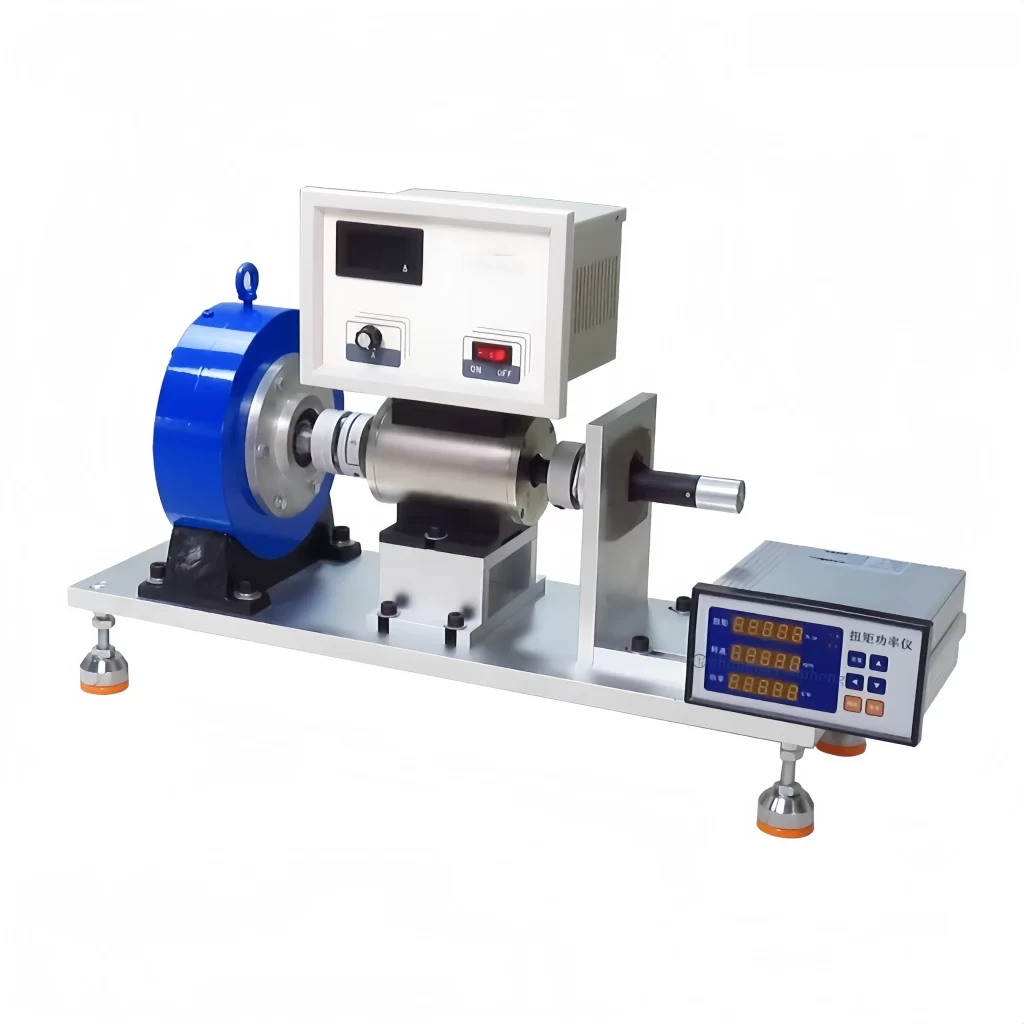
Compared with traditional contact torque sensors, Contactless Torque Sensor avoids physical contact. This feature significantly reduces wear and energy loss. Improves the reliability of the measurement system. Contactless Torque Sensor does not mean that the sensor can obtain measurement results without contacting the measured object. Instead, it means that the power supply and signal inside the sensor are transmitted through two sets of coils, and there will be no friction loss when the sensor rotates. The advantage of this sensor is that it can rotate at high speed and has a long service lif......

2025.7.12

Ultrasonic vs Magnetic Flow Meter: Analyze and Help You Choose

Ultrasonic vs Magnetic Flow Meter, are you confused about which one to choose? Sino-Inst, based on our years of experience in flow measurement services, has compiled this blog, hoping to help you! Ultrasonic flow meters and electromagnetic flow meters are both commonly used liquid flow meters. Because of their different working principles, they both have their own advantages and disadvantages. Next, let’s analyze them in detail. RFQ Table of ContentsFeatured Contactless Torque SensorsContactless Torque Sensor TechnologyWorking PrincipleComposition and designBenefitsMore Torque Measuremen......

2025.7.10

Industrial Applications of Torque Sensors

In industrial production, torque sensors are widely used on rotating or non-rotating mechanical parts to monitor torque. The industrial applications of torque sensors is mainly to convert torque into electrical signals. Of course, it can also detect speed, power, etc. at the same time. It can be said that torque and speed sensors are indispensable and important tools in industry. They are widely used and effectively ensure production efficiency and product quality. RFQ Table of ContentsFeatured Contactless Torque SensorsContactless Torque Sensor TechnologyWorking PrincipleComposition and desig......

2025.7.9

What Is a Rotary Torque Sensor?

A rotary torque sensor is a device that detects the torsional torque on various rotating mechanical parts. It is also called a dynamic torque sensor. It converts the physical change of torque into an accurate electrical signal. It allows us to accurately measure the force applied to the shaft or rotating parts. Sino-Inst provides a variety of rotary torque sensors that can be used in the manufacture of viscometers, electric (pneumatic, hydraulic) torque wrenches, etc. RFQ Table of ContentsFeatured Contactless Torque SensorsContactless Torque Sensor TechnologyWorking PrincipleComposition and de......

2025.7.8

Liquid Nitrogen Level Measurement: Real Project Case

Liquid nitrogen is a commonly used industrial gas with extremely low temperature, strong cooling capacity, and controllability. Liquid nitrogen has important applications in various industries, so it is important to monitor and control the liquid nitrogen level. Our liquid nitrogen tank level meter is a device used to monitor the liquid nitrogen level in ultra-low temperature containers (such as Dewar flasks). Looking for the sensor itself? See our dedicated liquid nitrogen level sensor (SI-LN2 cryogenic level transmitter) product page for specifications, pricing, and request quote. Table of C......

2025.7.8

Case: Flow Meter for Liquid Cement Additive

Cement additives are chemical additives added during the production and use of cement. They improve the overall performance of cement products by adjusting the setting time, improving rheological properties, and enhancing durability. The main types include water reducers, retarders, early strength agents, and expansion agents. Liquid Cement Additive is a state of mixed solvent. The flow meter can effectively monitor the real-time flow and cumulative flow of Liquid Cement Additive. RFQ A customer from North Macedonia contacted us for consultation: Dear,We would like to install flow meter for li......

2025.7.7

Magnetic Level Measurement: Indicators,Transmitters, Switches Or Sensors

Level transmitters with a magnetic, high-resolution measuring principle are used for continuous level measurement of liquids and are based on determining the position of a magnetic float following the magnetostrictive principle. This blog looks into each of the magnetic level instruments, their working principles, advantages, applications, comparability to other types of level measurement practical applications. RFQ Table of ContentsFeatured Contactless Torque SensorsContactless Torque Sensor TechnologyWorking PrincipleComposition and designBenefitsMore Torque Measurement Solutions Magnetic Le......