Home > Blog
2025.6.4

All-inclusive Guide To Bin Level Measurement Systems

Level measurement is the process of measuring the level of a liquid or solid material inside a tank, silo, container or reservoir. Measurement is calculated from the distance between the liquid or solid material surface and a predetermined reference point. Among the several applications of level measurement, the bin level measurement system plays an important role in bulk material handling industries such as cement, food processing, agriculture, and mining. RFQ Table of ContentsWhat is the difference between level measurement and level monitoring?Level Measurement System TypesImportance of Lev......

2025.5.29

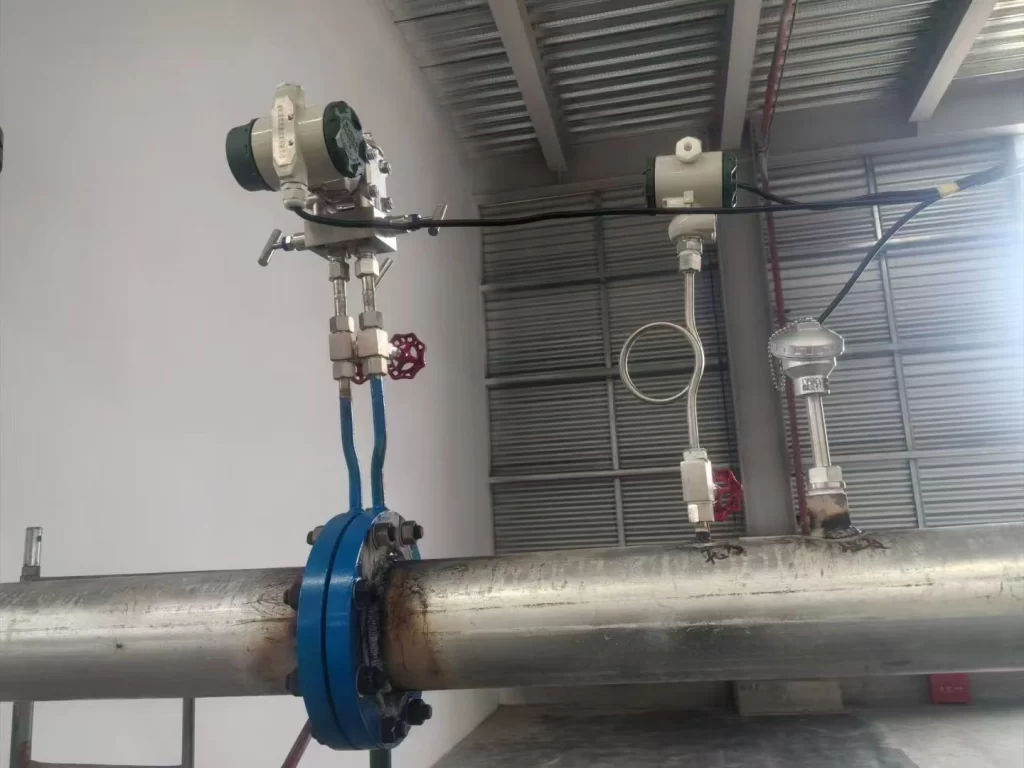
Everything You Need To Know About Electronic Pressure Transducers

What is a Pressure Transducer? It is often called a pressure transmitter. An absolute Pressure Transducer is a device that measures the pressure relative to 0 Pa. Then, a Gauge Pressure Transducer is an instrument that measures the pressure with atmospheric pressure as the reference point. A Differential Pressure Transducer measures the difference between pressures at two different points. From monitoring hydraulic systems to ensuring accurate performance in medical ventilators, electronic pressure transducers play a vital role. In this blog post, we’ll explore everything you need to kno......

2025.5.27

An Out-and-Out Guide To Different Types Of Level Transmitters

In different industrial processes, the measurement and control of fluid levels are crucial for ensuring creaseless operations. One effective way used for this intention is a level transmitter. A level transmitter, also known as a level sensor or level gauge, plays a critical role in accurately determining the level of liquids or bulk solids within a container or vessel. Knowing level transmitter types can help you choose the high-grade device for your application. RFQ Table of ContentsWhat is the difference between level measurement and level monitoring?Level Measurement System TypesImportance......

2025.5.25

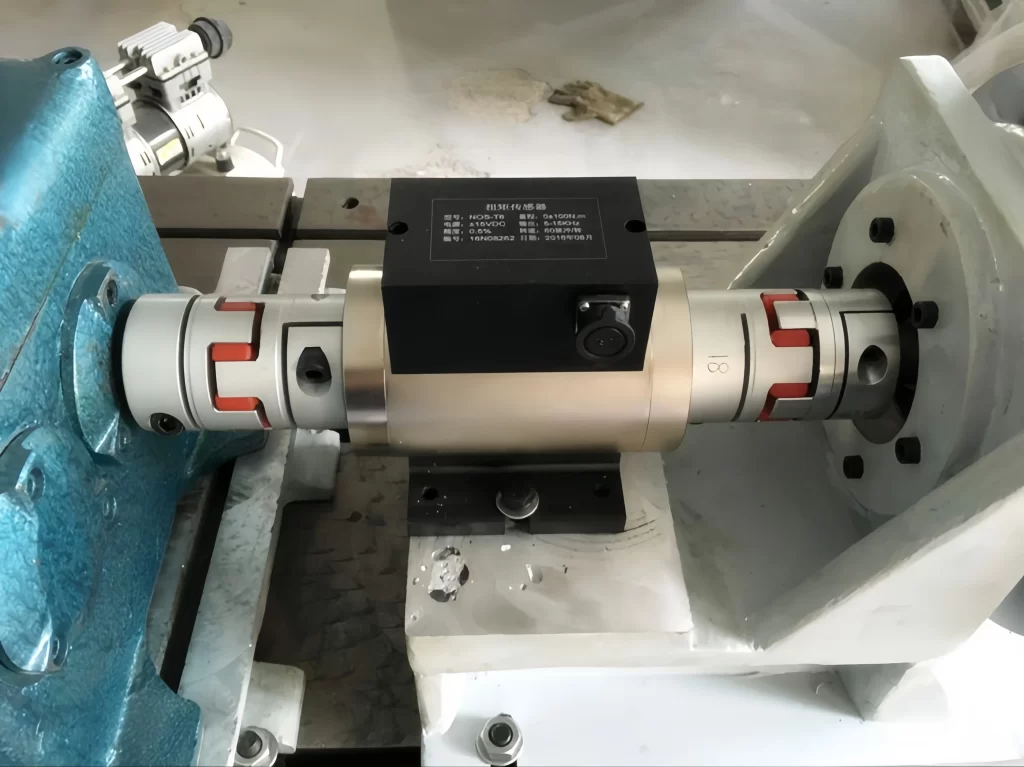
How to Measure Torque?

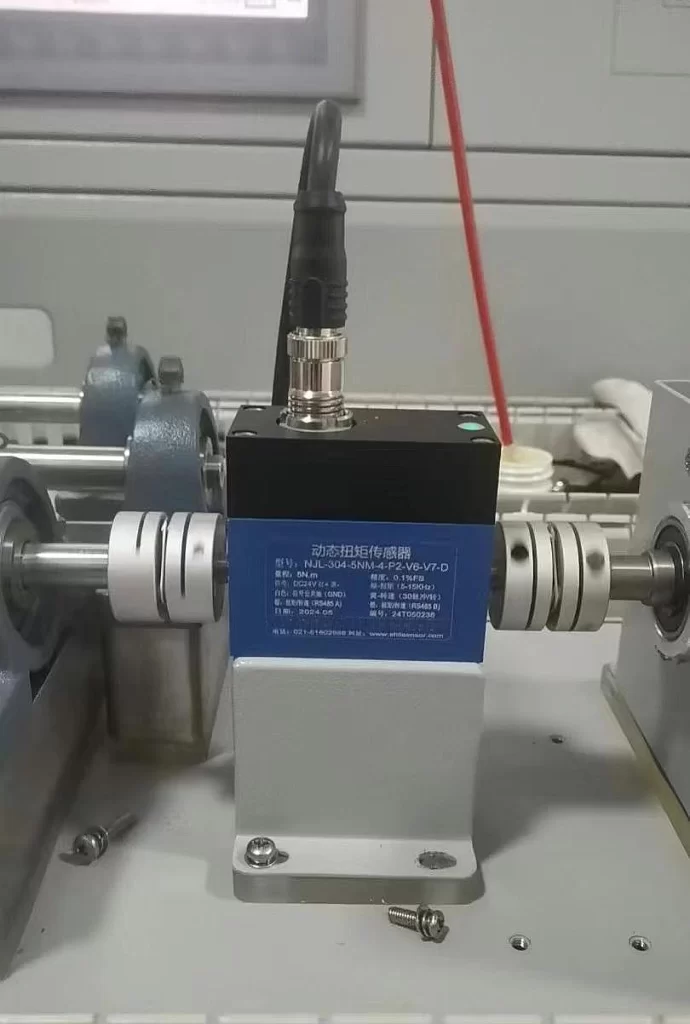
What is torque? Torque is the rotational force applied to an object, which refers to the moment of rotation of an object around a certain axis. It is a physical quantity that measures the rotational force. It is determined by the product of force and lever arm, and the unit is Newton meter (N m). Torque is a typical mechanical quantity that can reflect the performance Q of mechanical transmission system, and has a very wide range of applications. For example, the torque of the engine refers to the torque output from the crankshaft end of the engine. Under the condition of fixed power, it is in......

2025.5.20

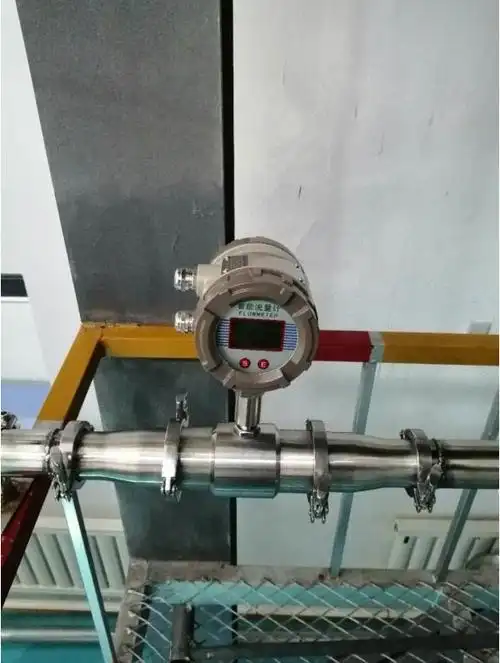
Negative Pressure-Vacuum Flow Meters

Negative pressure/vacuum environment refers to the situation where the ambient pressure is lower than the atmospheric pressure. This environment places higher requirements on the selection and use of flow meters. In order to accurately measure the flow in a negative pressure environment, we need to choose a suitable type of flow meter.In a negative pressure/vacuum environment, thermal mass flow meters and Coriolis mass flow meters are ideal measurement tools. They can accurately measure flow and are suitable for the special conditions of negative pressure environments. RFQ Table of ContentsWha......

2025.5.19

Annubar Flow Measurement: Principles, Applications, And Advantages

An Annubar is a type of insertion flow meter founded on the averaging pitot principle. That’s why Annubar flow meter are sometimes referred to as Averaging pitots. It is used to measure the flow of liquid, gas or steam that flows through a pipe. The name annubar has become synonymous with averaging pitot tubes despite other manufacturers selling their own version of Annubar Flow Meter. This blog will provide an overview of Annubar flow meter. RFQ Table of ContentsWhat is the difference between level measurement and level monitoring?Level Measurement System TypesImportance of Level Measurement ......

2025.5.12

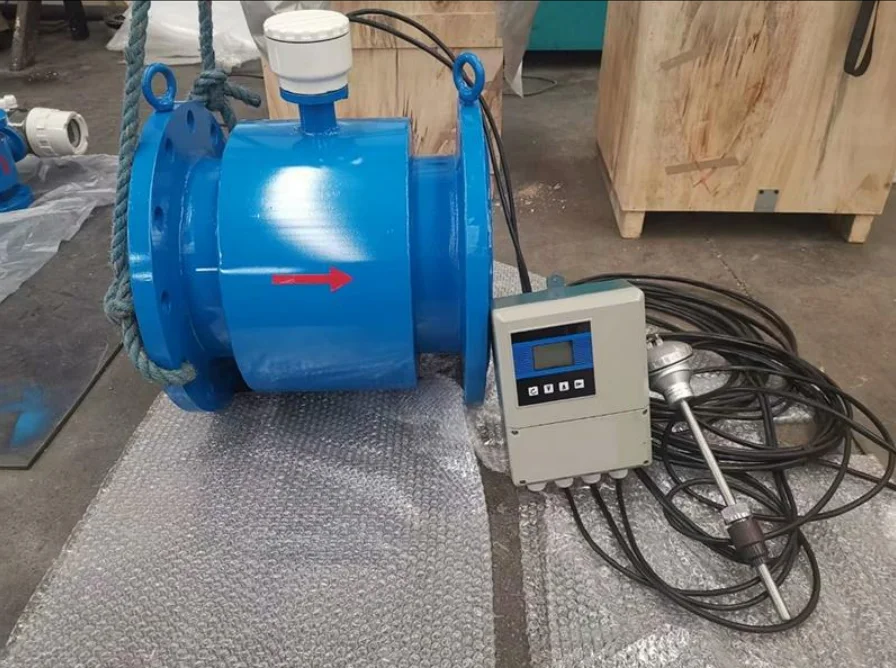
Insertion Magnetic Flow Meter | Better Solution for Large Diameter Pipes

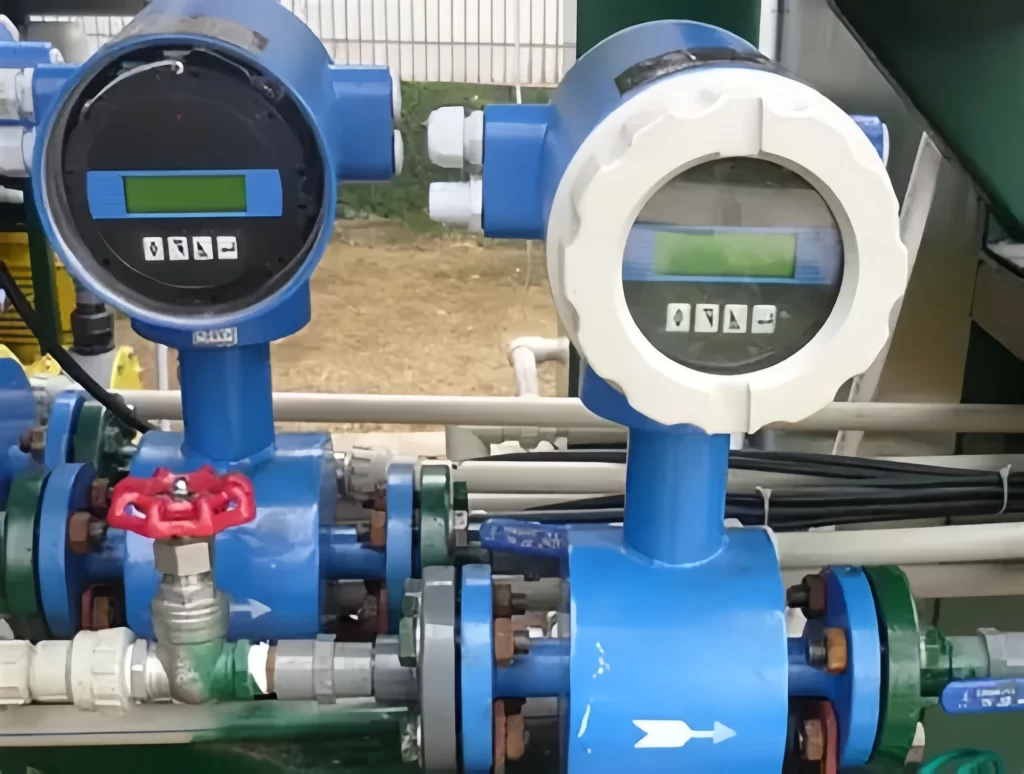
Insertion Magnetic Flow Meters are configured for use with conductive liquids in DN100~DN3000 (4″ ~ 120″) pipe. A selection of materials (stainless steel, brass, and PVC) allows the meter to adjust to a range of temperatures, pressures, and corrosive environments. With no moving parts, these meters can be used in “dirty” applications where debris would foul a mechanical meter. We’ll explore insertion mag meter technology in this blog post. RFQ Table of ContentsWhat is the difference between level measurement and level monitoring?Level Measurement System TypesImportance of Level Mea......