Home > Blog
2026.9.16

Measuring Superheated Steam Mass Flow with Vortex Meters

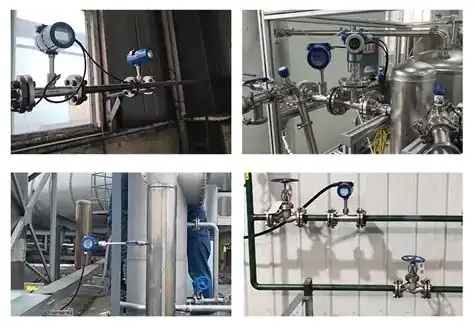
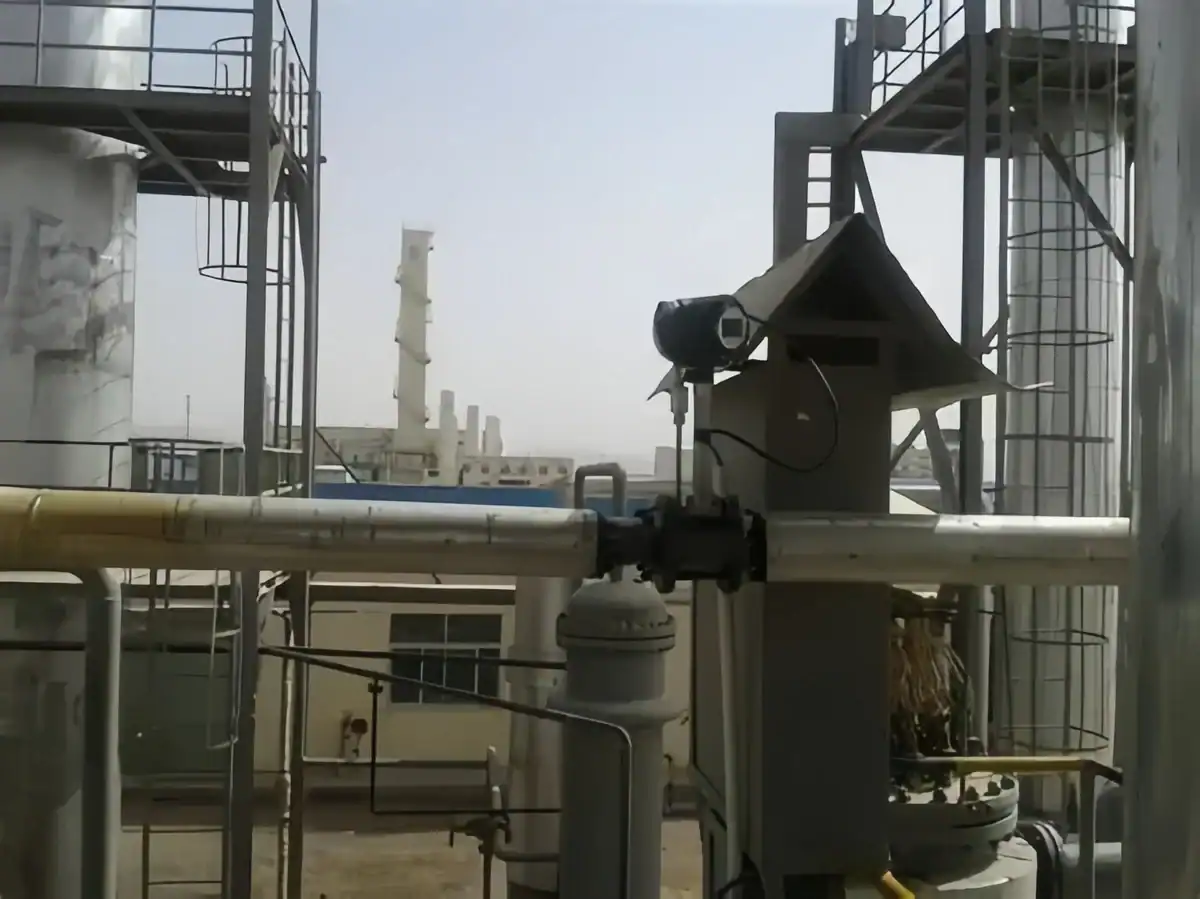
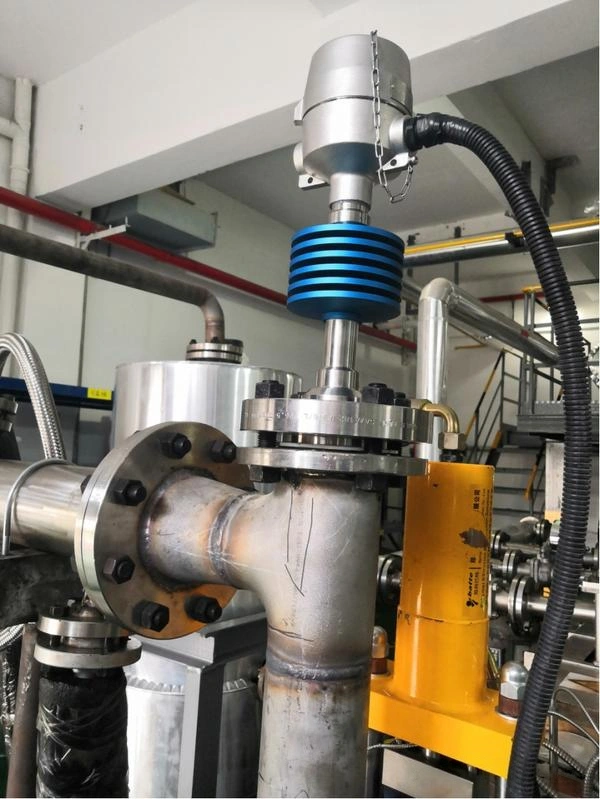
Steam is the most widely used heat-transfer medium across various sectors, including industrial production, heating, and cooling. There is a significant demand for steam flow measurement, which plays a crucial role in enhancing management, ensuring fair trade, conserving energy, and improving economic efficiency. In most cases, users monitor the mass flow rate of steam. The unit is kg/h or t/h. Why is this? And how should one choose a steam mass flow meter? RFQ Table of ContentsWhy use mass flow for steam?Conversion from Volumetric Flow to Mass FlowSteam mass flow metersVortex Steam Mass Flow ......
2026.9.15

Top 4 Hydrochloric Acid/HCL Flow Meters

Hydrochloric acid is a vital basic chemical raw material widely used across various sectors, including the chemical industry, metallurgy, water treatment, food processing, pharmaceuticals, and electronics. Selecting the appropriate flow meter for hydrochloric acid helps reduce costs and ensures the safety and stability of the production process. For hydrochloric acid flow measurement, the top four choices are: electromagnetic flow meters, all-PTFE turbine flow meters, all-PTFE gear flow meters, and clamp-on ultrasonic flow meters. RFQ Table of ContentsWhy use mass flow for steam?Conversion fro......

2026.9.8

How Does Gas Composition Affect Thermal Mass Flow Meter Accuracy?

Thermal gas mass flow meters are the preferred instruments for measuring the flow of dry, stable gases—whether pure gases (such as oxygen, compressed air, nitrogen, chlorine, etc.) or gas mixtures (such as biogas). Users often ask us a question during use: Will changing the type of gas being measured or changing the composition of the gas being measured affect the measurement of the thermal gas mass flow meter? The answer is yes. Taking air as the most common example, actual flow tests were performed on a standard calibration rig. Within a flow range of 300–3000 kg/h, variations of 1%, 5%, and......

2026.9.7

7 Types of Biogas Flow Meters – 9 Steps to Select the Right One

Biogas is a form of clean energy, primarily composed of methane (CH4) and carbon dioxide (CO2). In the fields of renewable energy, environmental protection, and energy management, biogas flow measurement is a critical step in ensuring accuracy during production, utilization, and trade. This article outlines the various types of biogas flow meters and provides guidance on selecting the most suitable one for your needs. RFQ Table of ContentsWhy use mass flow for steam?Conversion from Volumetric Flow to Mass FlowSteam mass flow metersVortex Steam Mass Flow MeterOrifice Plate Steam Mass Flow Meter......

2026.9.3

Liquid Oxygen / Oxygen Pressure Transducer | Cleaned for Oxygen Service (Certificate Included)

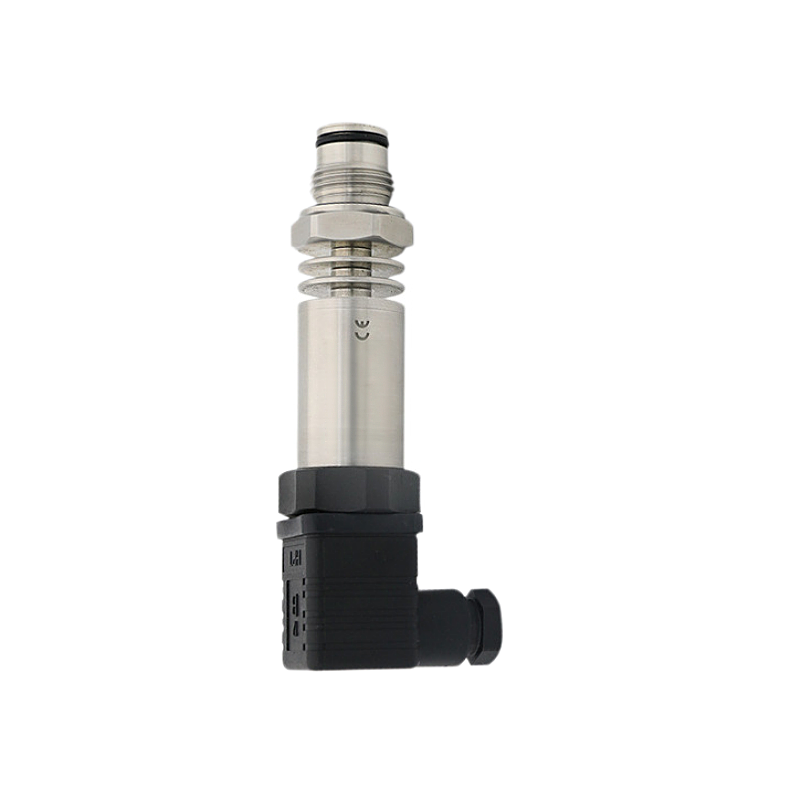
Oxygen cleaning is a specialized cleaning procedure for special-purpose pressure transmitters, also known as oil-free. For example, oxygen pressure transmitters must undergo rigorous oxygen-grade cleaning to ensure the sensor is clean and free of oil, corrosion, scale, particles, and other impurities. This completely eliminates the potential risk of oxygen combustion or explosion caused by oil contamination in the sensor during oxygen pressure measurement. Sino-Inst supports customized liquid oxygen to oxygen pressure transmitters and provides Oxygen Clean Certificates. RFQ Table of ContentsWh......

2026.8.5

Dynamic vs Kinematic Viscosity

When purchasing an online viscometer, do you often encounter this situation: you specify the viscosity in cSt at 50°C, but the manufacturer provides the value in cP, leaving you confused? Dynamic viscosity (μ) is a fluid’s internal resistance to shear, measured in centipoise (cP = mPa·s). Kinematic viscosity (ν) is that value divided by density, in centistokes (cSt = mm²/s): ν = μ / ρ. Water is about 1 cP and 1 cSt at 20 °C — which is why the two get confused. Most inline viscometers output cP; cSt requires a density input. RFQ Table of ContentsWhy use mass flow for steam?Conversion from......

2026.6.16

How to Verify Fuel Tanker Delivery Volume at a Gas Station

Accurate monitoring of unloading volume is crucial for tanker truck deliveries to gas stations, as well as trade transfers and distribution. Data from before, during, and after delivery should be precisely correlated, at least within permissible margins. So, how do you calculate the delivery volume of tanker trucks to gas stations? Where do gaps typically occur? We’ll share three methods for checking unloading volume and why temperature is often the cause of most “shortfalls.” RFQ Table of ContentsWhy use mass flow for steam?Conversion from Volumetric Flow to Mass FlowSteam m......