Home > Blog > Liquid Oxygen / Oxygen Pressure Transducer | Cleaned for Oxygen Service (Certificate Included)
Liquid Oxygen / Oxygen Pressure Transducer | Cleaned for Oxygen Service (Certificate Included)
Oxygen cleaning is a specialized cleaning procedure for special-purpose pressure transmitters, also known as oil-free. For example, oxygen pressure transmitters must undergo rigorous oxygen-grade cleaning to ensure the sensor is clean and free of oil, corrosion, scale, particles, and other impurities. This completely eliminates the potential risk of oxygen combustion or explosion caused by oil contamination in the sensor during oxygen pressure measurement.
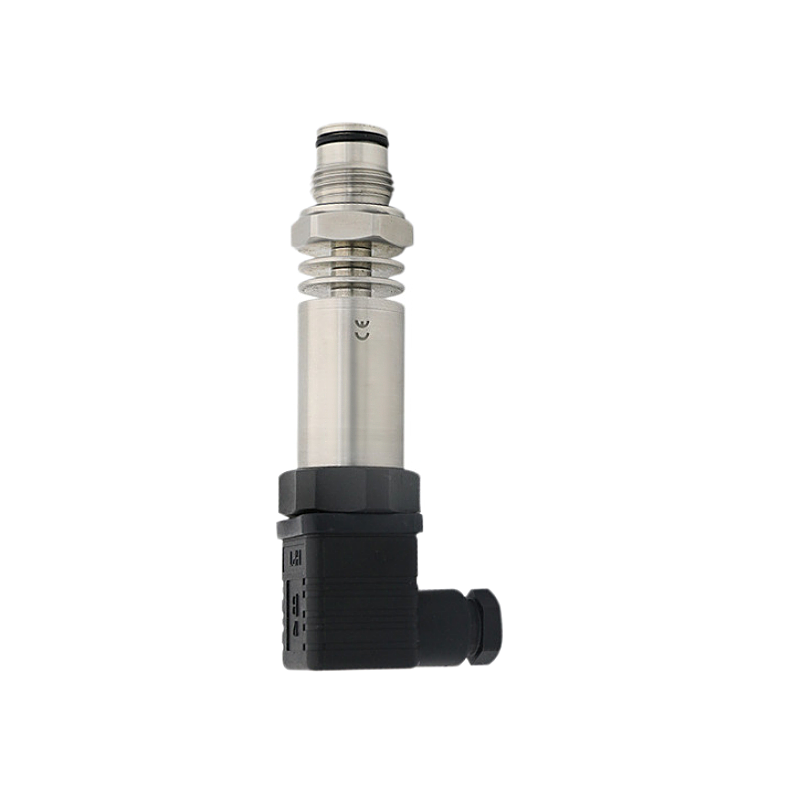
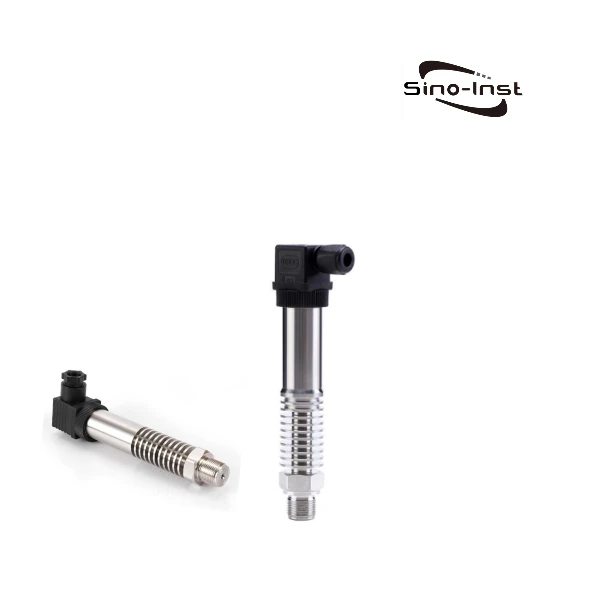
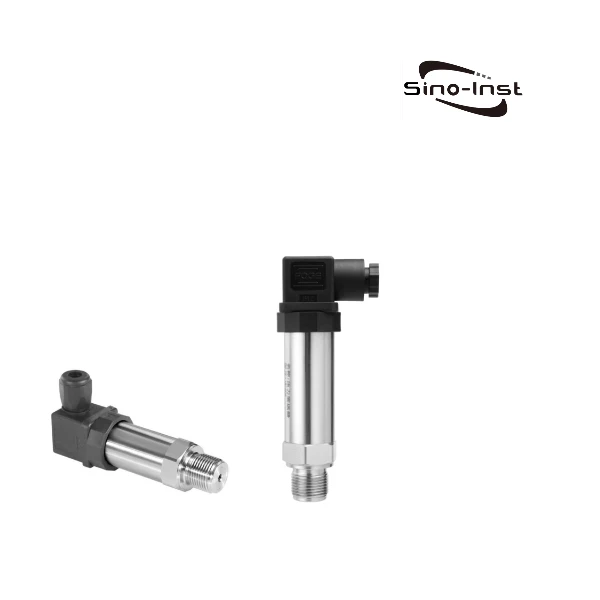
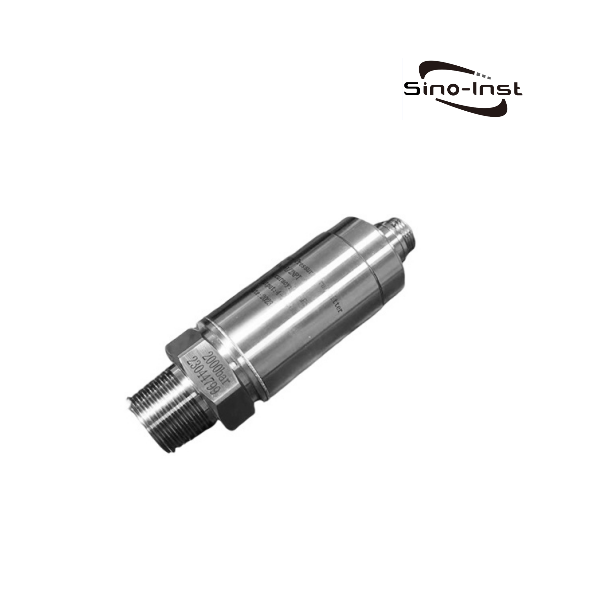
Sino-Inst supports customized liquid oxygen to oxygen pressure transmitters and provides Oxygen Clean Certificates.
Oxygen plays a vital role in smelting, the chemical industry, and healthcare; however, the production and use of oxygen carry a high risk of combustion and explosion. Consequently, oxygen pipelines and associated measurement equipment require specialized oxygen-service cleaning.
Oxygen cleaning—specifically oil and grease removal—involves manufacturing using oil-free processes and subjecting sensors and transmitters to rigorous oxygen-grade cleaning and packaging procedures. The primary objective is to eliminate grease or organic contaminants from sensor surfaces and internal channels, thereby preventing direct contact between oxygen and grease.
For oxygen pressure measurement, selecting clean instruments filled with inert oil not only enhances safety but also significantly reduces the risk of financial and time losses associated with maintenance or replacement due to failure.
Sino-Inst’s pressure transducers and differential pressure transmitters designed for oxygen applications are filled internally with methyl silicone oil or Fluorolube® oil. They are manufactured using oil-free processes and undergo oxygen-grade cleaning and packaging.
These products are suitable for use in hazardous locations—including explosion-proof and intrinsically safe models—and are ideal for industrial and medical facilities requiring oxygen pressure measurement.
Oxygen Pressure Transducer Materials
For oxygen or liquid oxygen pressure measurement, our pressure transmitters typically feature the following material specifications:
Wetted parts material: SS316
Diaphragm material: SS316
Process connection material: SS316
Internal seal material: Fluororubber (FKM/Viton)
Only SS316 comes into contact with the oxygen
The sensor contains silicone oil internally
The diaphragm cavity is filled with methyl silicone oil (fluorinated oil filling is available upon request)
Free of any lubricants or grease; no grease is present, including during testing and inspection processes
Oxygen Cleaning Process
1. Applicable Standards
Strict adherence to internationally recognized standards for industrial gases and oxygen-enriched environments:
ASTM G93 / G93M: Standard Practice for Cleaning Methods and Cleanliness Levels for Material and Equipment Used in Oxygen-Enriched Environments.
CGA G-4.1: Cleaning of Equipment for Oxygen Service (Compressed Gas Association).
Internal Procedure No.: SI-SOP-O2C-2024
2. Core Cleaning and Degreasing Procedures
Cleaning Method: Multi-stage ultrasonic cleaning combined with high-pressure spray rinsing. The high-frequency cavitation effect of ultrasonics penetrates sensor diaphragms and microscopic pores to dislodge surface contaminants.
Cleaning Agent: High-purity, water-based alkaline cleaning agent specifically formulated for oxygen service (e.g., Alconox or an equivalent active degreaser meeting oxygen compatibility standards); free of chlorofluorocarbons (CFCs).
3. Degreasing Procedure:
Pre-wash: Initial soaking in an alkaline solution at 50°C–60°C.
Ultrasonic Degreasing: Wetted parts of the sensor core are placed in an ultrasonic cleaning bath for 15–20 minutes.
Neutralization and Rinsing: Multiple overflow rinses using high-purity deionized (DI) water (resistivity > 18 MΩ·cm) until the pH is neutral and no detergent residue remains. Drying Procedure: Thorough moisture removal via deep drying in a vacuum drying oven.
4. Acceptance and Cleanliness Standards
Upon completion of cleaning, all batches must pass rigorous quality inspections meeting the following limits:
Maximum Allowable Hydrocarbon Contamination: Strictly controlled at < 11 mg/m² (equivalent to 1 mg/ft²). This standard complies with Level C as defined in ASTM G93. Inspection methods typically involve visual inspection using a black light (UV lamp) or solvent extraction analysis.
Particulate Cleanliness Requirements:
Compliant with ASTM G93 Level 175 standards. Specifically, upon microscopic inspection, the surface must be free of any particles, fibers, or metal debris larger than 175 microns (0.175 mm).
5. Packaging and Protection Procedures
To prevent secondary contamination during transport and storage, final protective measures are carried out in a controlled cleanroom environment:
Sealing of Process Connections: Following successful cleaning, all process interfaces that come into contact with the medium (such as threads or flanges) are immediately sealed and secured using oxygen-compatible protective caps (typically made of high-purity PTFE or specialized polyethylene).
Double Packaging: Sensors are double-bagged in cleaned polyethylene (PE) or anti-static nylon bags.
Vacuum/Nitrogen Purge: The inner bag is vacuum-sealed prior to final closure.
Dedicated Labeling: A prominent, dedicated warning label reading “CLEANED FOR OXYGEN SERVICE” (cleaned for oxygen service/oil-free treatment) is affixed to both the exterior of the packaging and the sensor housing.
Oxygen Clean Certificate
For products such as pressure transmitters that have undergone oxygen cleaning, we provide an oxygen cleaning certificate for each unit. Please refer to the certificate template below.
Oxygen is a powerful oxidizing agent capable of rapidly reacting with certain oils, greases, and organic substances. In the presence of oil or grease, the oxidation reaction can release significant heat rapidly, causing localized high temperatures and potentially triggering a fire or explosion.
② Increased Risks in Pressurized Environments
When pressure transmitters are used in high-pressure oxygen environments, the oxidizing activity of oxygen intensifies significantly, thereby heightening the risks associated with contact with oil or grease.
③ Role of Particulate Contaminants
In addition to oils and greases, certain solid particles (such as rust or dust) can act as catalysts for oxidation reactions, further increasing the level of danger.
Purpose of Oxygen Cleaning
Preventing Oxidation Reactions: Oil and grease removal eliminates contaminants from sensor surfaces or internal channels, preventing contact between oxygen and these substances.
Enhancing Measurement Safety: Treated equipment effectively reduces accidents caused by oil or grease, thereby improving system reliability and operational safety.
Ensuring Measurement Accuracy: Residual oil or grease can trap particulate matter or clog internal flow paths, compromising sensor performance and measurement accuracy.
When Is Oil and Grease Removal Required?
Special attention to oil and grease removal is required in the following scenarios:
Medium is Pure Oxygen or High-Concentration Oxygen Gas: Oxidizing activity is significantly enhanced in environments containing high-purity oxygen (typically >99% purity) or high concentrations of oxygen.
High System Pressure: When oxygen pressure in the system is high (e.g., >1 MPa), the reactivity of high-pressure oxygen increases sharply, making strict oil and grease removal mandatory.
Medical or Aerospace Applications: Safety requirements for oxygen are extremely stringent in medical equipment (such as ventilators) and aerospace environments; ensuring the absence of oil or grease contamination is essential.
High Ambient Temperature: Elevated temperatures (e.g., >60°C) in the measurement environment accelerate oxygen oxidation reactions.
Presence of Highly Sensitive Components: When the system contains components susceptible to contamination or reaction, such as high-precision valves or coated materials.
When Is Oil and Grease Removal Not Required for Instruments?
Instruments do not require oil and grease removal under the following conditions:
The medium is air rather than pure oxygen: The oxygen concentration in ordinary air is relatively low (approx. 21%), and system pressures are generally lower, resulting in comparatively lower risk.
Low system pressure and temperature: The likelihood of oxidation reactions is significantly reduced in low-pressure (e.g., atmospheric pressure or below 1 MPa) and low-temperature environments.
Low safety requirements: In non-critical applications, the presence of trace amounts of oil or grease does not significantly compromise operational safety.
In specialized applications such as power generation, high-temperature reactors, and metallurgical smelting, process pressure measurement often faces extreme conditions of “high temperature” + “differential pressure,” with the temperature of the measured medium reaching 300℃~600℃. Differential pressure measurement of high-temperature media can be used in important processes such as flow calculation, liquid level monitoring, and differential … Read more
Pressure transmitter for level measurement is a relatively inexpensive and stable solution. Proper selection and configuration of pressure transmitters can effectively save on measurement costs. On CAN-based machinery, a CAN bus pressure transmitter reports level-related pressure straight onto the network. Pressure transmitters for level measurement can be broadly categorized into two types: one for measuring … Read more
What is Absolute Pressure Transmitter? Absolute pressure transmitters are sensors that measure pressure using absolute vacuum (0 bar) as a reference. They convert the sensed physical pressure value into a standardized electrical signal, such as 4-20 mA or 0-10 V, for processing by control systems or monitoring equipment. For absolute pressure on a digital bus, … Read more
Strain gauge pressure transmitters have good shock resistance and can withstand 100G vibration, making them more suitable for measuring large pressure ranges. They are used in pressure measurement and control in industrial equipment, water pressure testing, building water supply, and hydraulic power stations. The same piezoresistive sensing element also drives our CAN bus pressure transducer, … Read more
Pressure transmitters are often installed in conjunction with manifolds, primarily for isolation, calibration, and venting. Manifolds control the input of the medium, ensuring measurement accuracy and safety. Manifolds are typically configured with a specified number of valves based on the required operating conditions. Common configurations include single-valve (2-valve), two-valve, three-valve, and five-valve manifolds. This is … Read more
Water pressure measurement includes pressure detection of water pipes, water containers or equipment. Water pressure measurements can be used to determine whether a pipe, container or equipment is leaking and whether it can withstand the pressure required for the design. By configuring a water pressure transmitter, connecting the water pressure signal to a recorder, PLC … Read more
In some industrial closed environments, vacuuming is required. The vacuum pressure sensor can be used to detect the vacuum degree of the closed environment in real time. Generally, vacuum pressure sensors that measure negative pressure have the function of detecting negative pressure and positive pressure at the same time. For example -100KPa~0~100KPa. It is best … Read more
Master dynamic pressure sensor technology. We’ll guide you through the piezoelectric principle, fast response characteristics, and industrial applications. What is a Dynamic Pressure Sensor? Dynamic pressure sensors are specifically designed to measure dynamic pressure with high frequency variations and steep pressure waveform rise times. They measure instantaneous pressure changes, not “average” pressure. Dynamic pressure sensors … Read more
For liquid oxygen or oxygen pressure transducers, oil and grease removal is performed to prevent reactions between the lubricant and oxygen, thereby enhancing system safety. Specific treatment requirements depend on factors such as oxygen purity, pressure, temperature, and the application scenario. Strict oil and grease removal is mandatory for high-purity, high-pressure oxygen systems and in sectors with stringent safety standards—such as medical and aerospace industries—whereas it may not be necessary for standard air or conventional applications.
At Sino-Inst, we offer custom pressure transmitters for specialized media, including oxygen, hydrogen, seawater, hydrochloric acid, and more. Please feel free to contact our sales engineers at any time!
Zhang Wei, possesses 20 years of experience as an automation instrumentation engineer, specializing in the research, design, installation, commissioning, and maintenance of automation instruments.
Face to various instrument communication protocols (such as Modbus, Profibus, etc.), with solid hardware circuit design and software programming skills (proficient in C language and PLC programming). Has extensive project experience; projects he has led and participated in have all achieved outstanding results, improving product accuracy, reducing costs, and increasing production efficiency.
Possesses excellent communication and coordination skills and a strong team spirit, enabling him to quickly respond to customer needs and provide high-quality automation instrumentation solutions.
Want to see more of our engineering guides in Google Search? Add Sino-Inst as a preferred source.