Home > Blog
2025.10.14

Single & Multi Liquid Level Float Switches – Effective Level Control

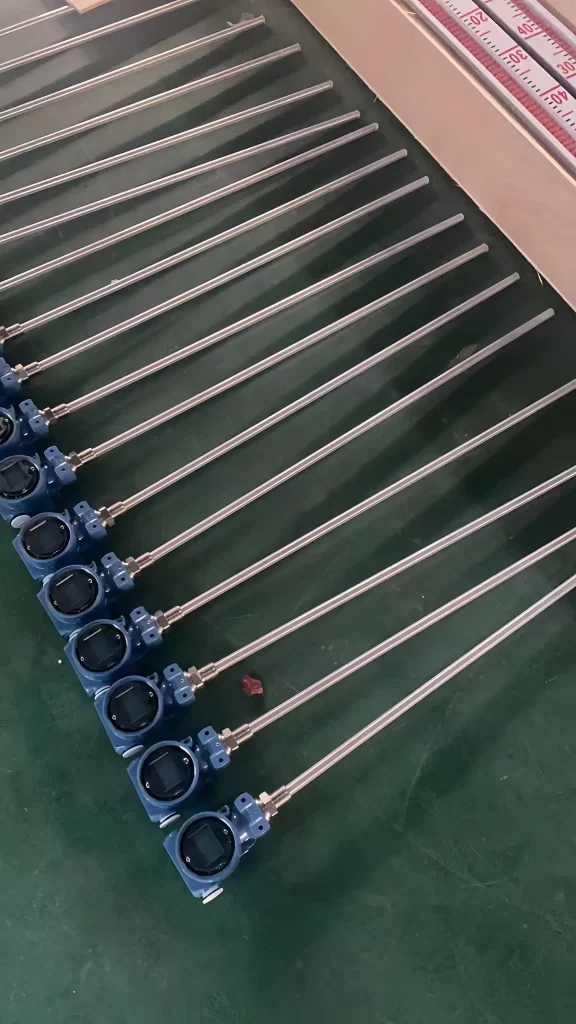
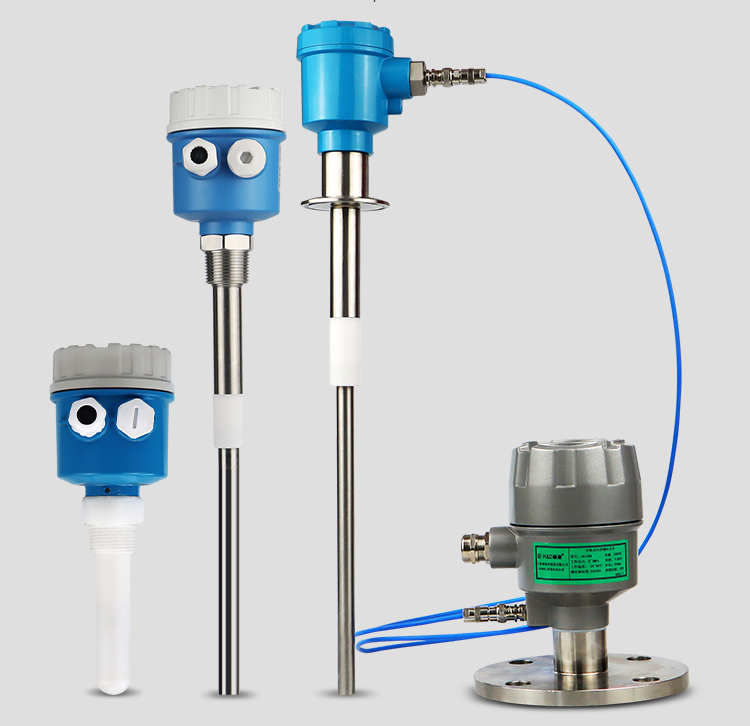
A liquid level float switch is a simple, easy-to-use, safe and reliable industrial process liquid level controller. It detects single or multiple extreme liquid level points, outputs switching signals, and provides liquid level control. Liquid level float switches are specifically designed for liquid level detection, on-site signal transmission, and liquid level alarms in various small and medium-sized atmospheric and pressurized liquid storage tanks. They are suitable for hazardous locations involving sanitary, toxic, and corrosive media. RFQ Table of ContentsBenefits of Liquid Level Float Sw......

2025.10.12

How Do We Read a Flow Meter?

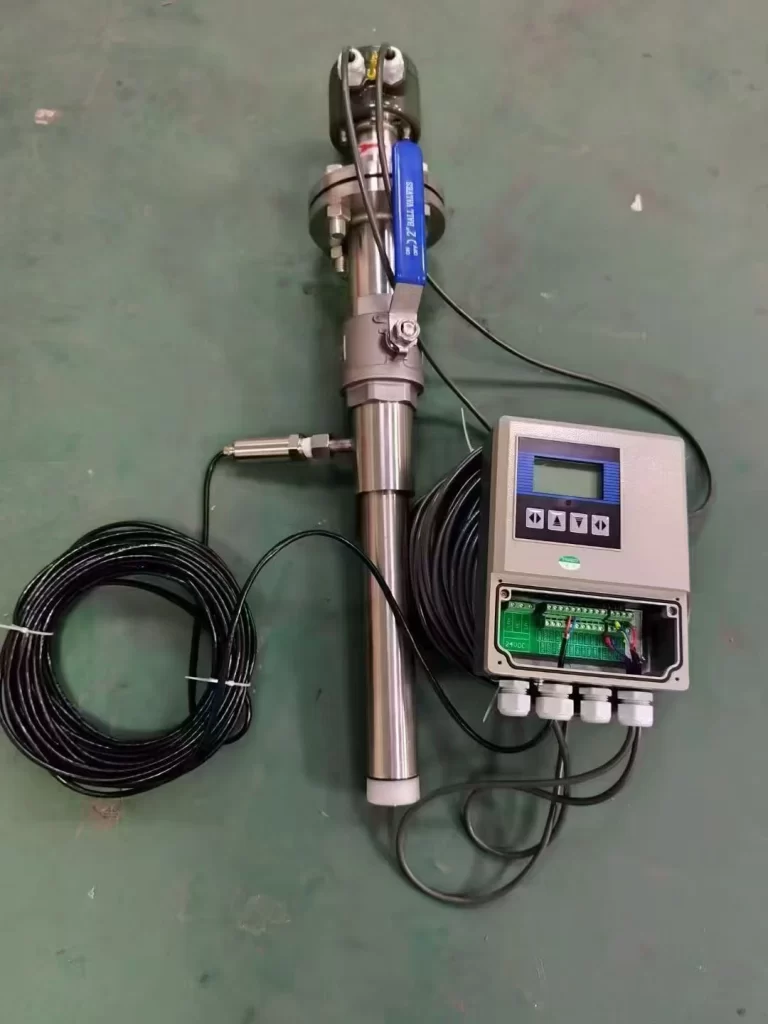
Flow meters are commonly used measuring devices in industrial production and scientific experiments. They are used to measure the flow of fluid in pipes. The accurate reading of flow meter readings plays an important role in enterprise production and safety management. This article will introduce in detail how to correctly read the flow meter, ground display and remote display, and the power supply method of the display. If you are still choosing between meter types, start with how to choose a mechanical flow meter. RFQ Table of ContentsBenefits of Liquid Level Float SwitchesFeatured Liquid Le......

2025.10.7

How to Choose the Right Oil Pressure Transmitter for Your Application

What Is an Oil Pressure Transducer? Oil pressure transmitters are devices that measure the pressure of oil in pipes and engines. They play a vital role in keeping machines running smoothly by detecting any changes in oil pressure. A well-chosen oil pressure transmitter helps prevent damage to equipment, reduces downtime, and ensures safety. Picking the right transmitter is crucial, and this guide will help you understand and choose the best oil pressure transmitter for your specific needs. RFQ Table of ContentsBenefits of Liquid Level Float SwitchesFeatured Liquid Level Float SwitchesWhat are ......

2025.9.30

Gravity Flow Meters for Diesel/Fuel Feed

Gravity flow meters can be used to measure flow in gravity-fed pipelines. These pipelines typically do not have a pressurized pump. Instead, the fluid flows downward from a height, relying on gravity. This type of measurement is often difficult due to the slow flow rate and low flow rate. In our experience, if the fluid is fully filled in the pipeline and the flow height is at least 1 meter, a gear flow meter can be used to measure flow. This type of flow meter is commonly used in diesel and fuel supply systems. For high-flow gravity unloading of fuel tankers at a gas station, see our portable......

2025.9.28

Buyer’s Guide: 7 Checks for Selecting a Variable Area Flow Meter

The selection of an appropriate variable area flow meter, commonly known as a rotameter, represents a foundational decision in numerous industrial and laboratory settings. This process demands a nuanced consideration of multiple interacting factors, extending beyond simple flow rate measurement. These include the density, viscosity, and corrosiveness of the medium and their direct impact on meter performance and life. The pipe diameter, the required flow range, the pipe temperature, and the pressure, among other factors, must be considered systematically. By systematically considering these co......

2025.9.28

Flow Meter Accuracy Guide

Flow meter accuracy directly impacts a manufacturer’s profitability and operational integrity. A flow meter is more than just a process instrument; it’s a critical tool. Understanding flow meter accuracy and related parameters is crucial for process control, quality assurance, and cost-effectiveness across various industries. RFQ Table of ContentsBenefits of Liquid Level Float SwitchesFeatured Liquid Level Float SwitchesWhat are Liquid Level Float Switches?Types of Float SwitchesLiquid Level Float Switches: Structure and Operating PrincipleHorizontal vs. Vertical MountingNormally O......

2025.9.27

Static Torque vs Dynamic Torque: A Practical Guide to Selecting the Right Sensor in 2026

The distinction between static and dynamic torque represents a fundamental division in the field of mechanical measurement and engineering. Static torque, often termed reaction torque, pertains to the rotational force applied to an object that does not produce angular acceleration. It is the force of twisting or turning against a fixed resistance. Conversely, dynamic torque involves the measurement of rotational force on a moving or rotating component, such as a driveshaft or motor. The accurate quantification of these forces is paramount across numerous industries, from automotive engineering......