Home > Blog
2026.3.24

How to Choose the Right Probe Material for Your Ultrasonic Level Sensor

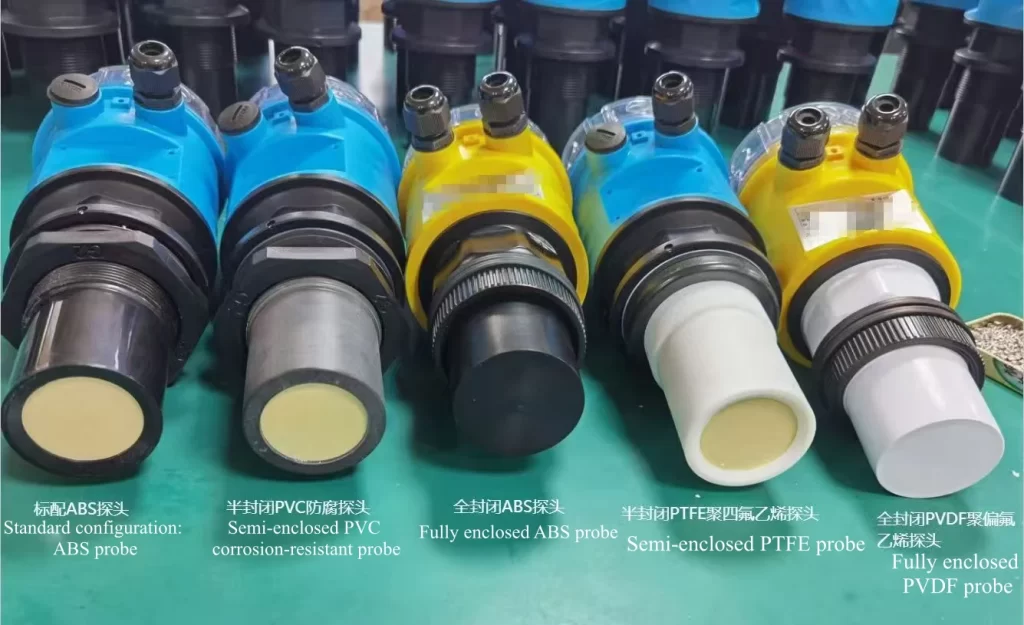
By Li Rui, Senior Process Engineer at Sino-Inst | Published 2026-03-24. If you’ve ever had an ultrasonic level sensor fail prematurely, there’s a good chance the probe material was wrong for the job. I’ve seen this happen more times than I’d like to admit — a perfectly good sensor, installed in a sulfuric acid tank, corroded within weeks because someone went with the default ABS housing without thinking twice. Choosing the right transducer probe material isn’t glamorous work, but it’s one of those decisions that directly determines whether your level measure......
2026.3.19

What is an IP rating? IP65-IP67-IP68

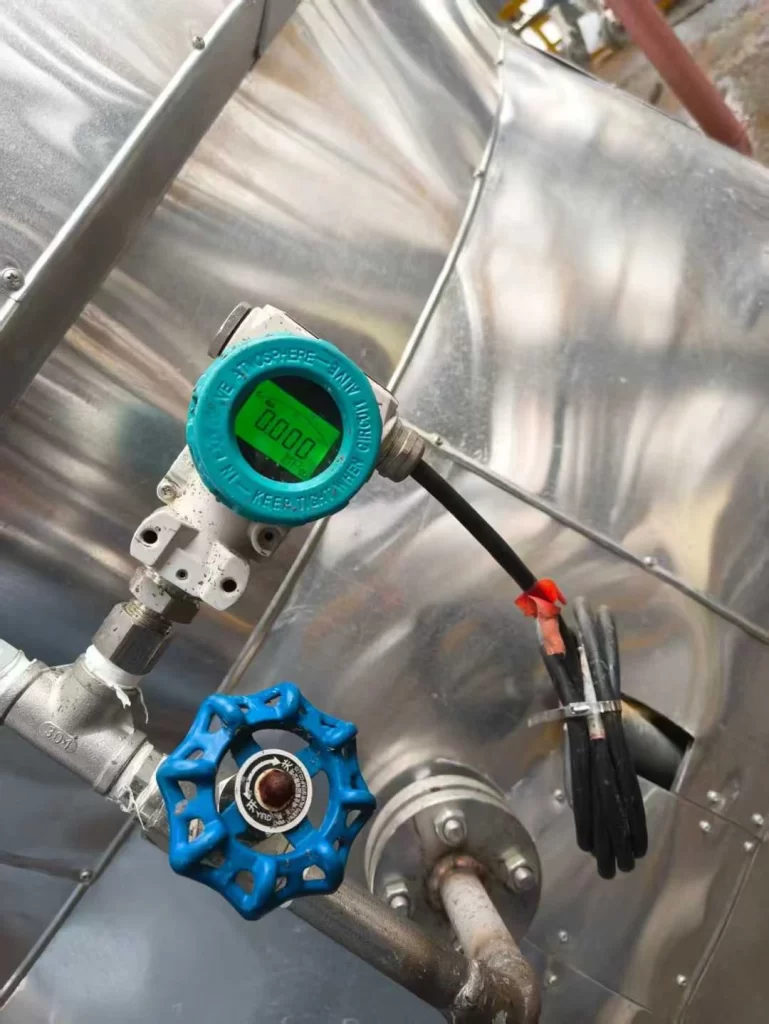
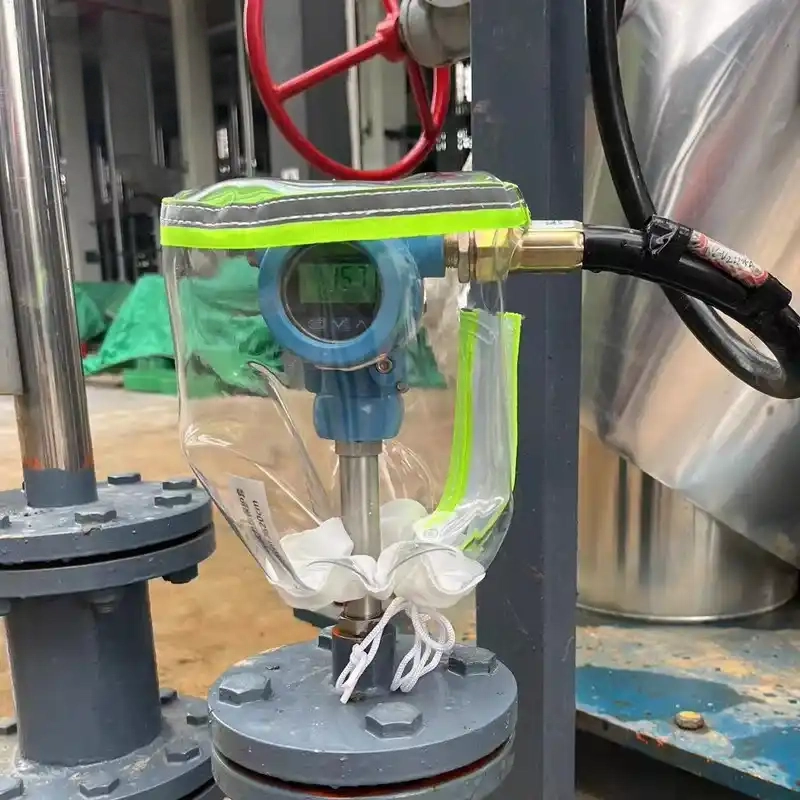
When purchasing pressure transmitters or flow meters, the sales engineer will usually confirm with you what IP rating you need: IP65, IP67, or IP68? This explanation aims to help you understand the details of IP ratings. Next time you purchase electrical equipment, you’ll know which IP rating to choose. RFQ Table of ContentsWhy Probe Material Matters More Than You ThinkThe Five Probe Material Options – Where Each One Fits1. Standard ABS Probe – Common choice2. Semi-Enclosed PVC Anti-Corrosion Probe3. Fully Enclosed ABS Probe4. Semi-Enclosed PTFE Probe5. Fully Enclosed PVDF Pr......

2026.3.18

Absolute Pressure Transmitters: Product List and Guide

What is Absolute Pressure Transmitter? Absolute pressure transmitters are sensors that measure pressure using absolute vacuum (0 bar) as a reference. They convert the sensed physical pressure value into a standardized electrical signal, such as 4-20 mA or 0-10 V, for processing by control systems or monitoring equipment. They are often called “industrial barometers” or “technical barometers” because they can measure true, absolute pressure unaffected by environmental fluctuations. RFQ Table of ContentsWhy Probe Material Matters More Than You ThinkThe Five Probe Material......

2026.3.17

Gas Measurements: Normal Conditions vs Standard Conditions

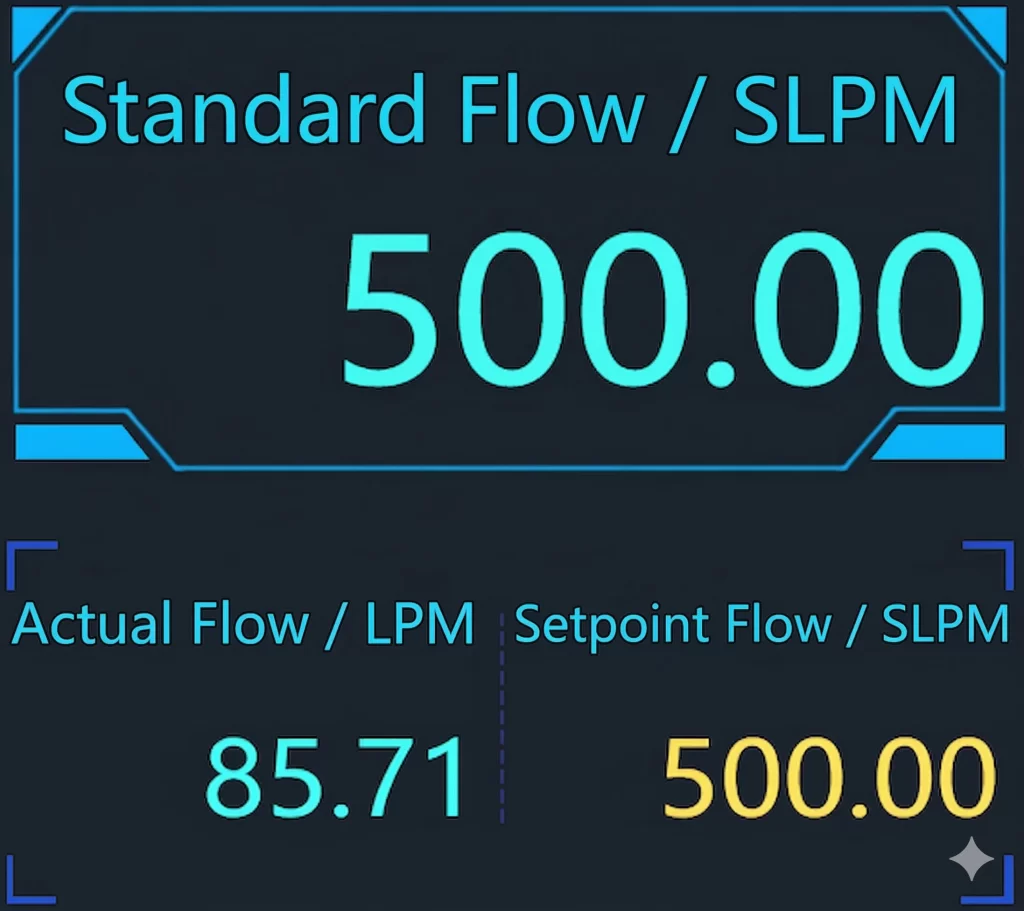
In gas flow measurement and control, it is crucial to distinguish between Normal Conditions and Standard Conditions. This is primarily because the volume of gas changes with temperature and pressure. Different standards will result in different measured gas values. This is somewhat similar to the difference between “SCFM (Standard CFM) and ACFM (Actual CFM)“. RFQ Table of ContentsWhy Probe Material Matters More Than You ThinkThe Five Probe Material Options – Where Each One Fits1. Standard ABS Probe – Common choice2. Semi-Enclosed PVC Anti-Corrosion Probe3. Fully Enclose......

2026.3.16

SCFM (Standard CFM) vs. ACFM (Actual CFM) and Calculator

SCFM (Standard CFM) and ACFM (Actual CFM) are commonly used units for measuring gas flow rate. For example, in the air compressor industry, they are used to measure airflow and air consumption. So what are the differences between them? How should they be converted? RFQ Gas Flow Meters Table of ContentsWhy Probe Material Matters More Than You ThinkThe Five Probe Material Options – Where Each One Fits1. Standard ABS Probe – Common choice2. Semi-Enclosed PVC Anti-Corrosion Probe3. Fully Enclosed ABS Probe4. Semi-Enclosed PTFE Probe5. Fully Enclosed PVDF Probe – Maximum Protectio......

2026.3.13

Thermal Mass Flow Meter Correction Factor Guide

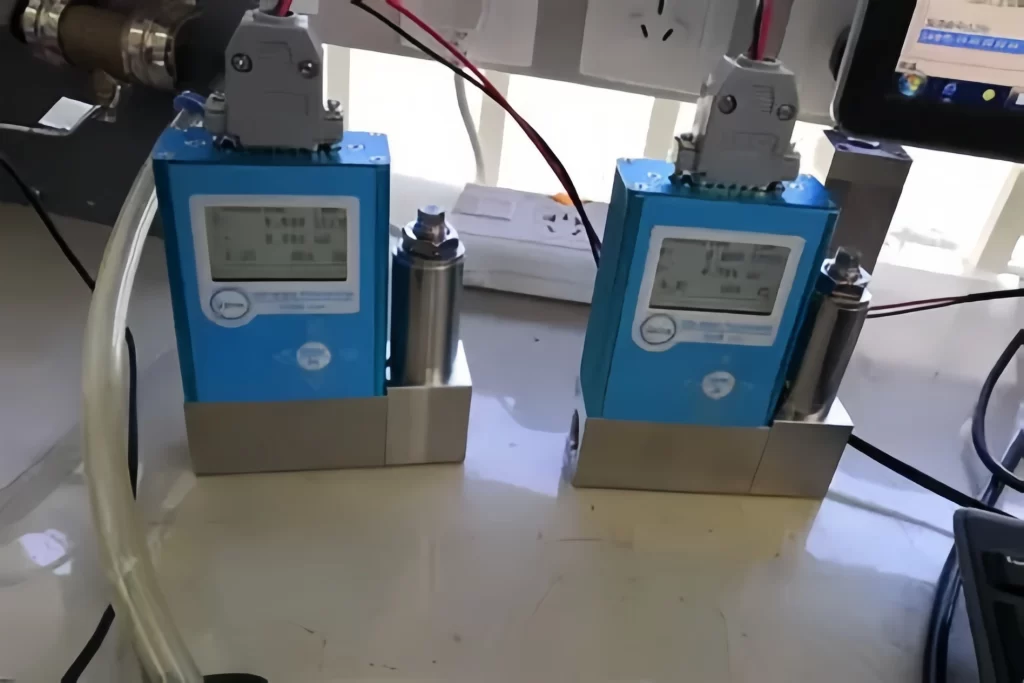
Thermal Mass Flow Meters and thermal mass flow controllers are suitable for most gaseous media. If a gas mass flow controller or thermal mass flow meter is factory-calibrated for one gas, but you want to switch to another, then a gas correction factor (GCF) is needed. RFQ Table of ContentsWhy Probe Material Matters More Than You ThinkThe Five Probe Material Options – Where Each One Fits1. Standard ABS Probe – Common choice2. Semi-Enclosed PVC Anti-Corrosion Probe3. Fully Enclosed ABS Probe4. Semi-Enclosed PTFE Probe5. Fully Enclosed PVDF Probe – Maximum ProtectionQuick Compar......

2026.3.11

Analog Gas Flow Meters | Types and Product List

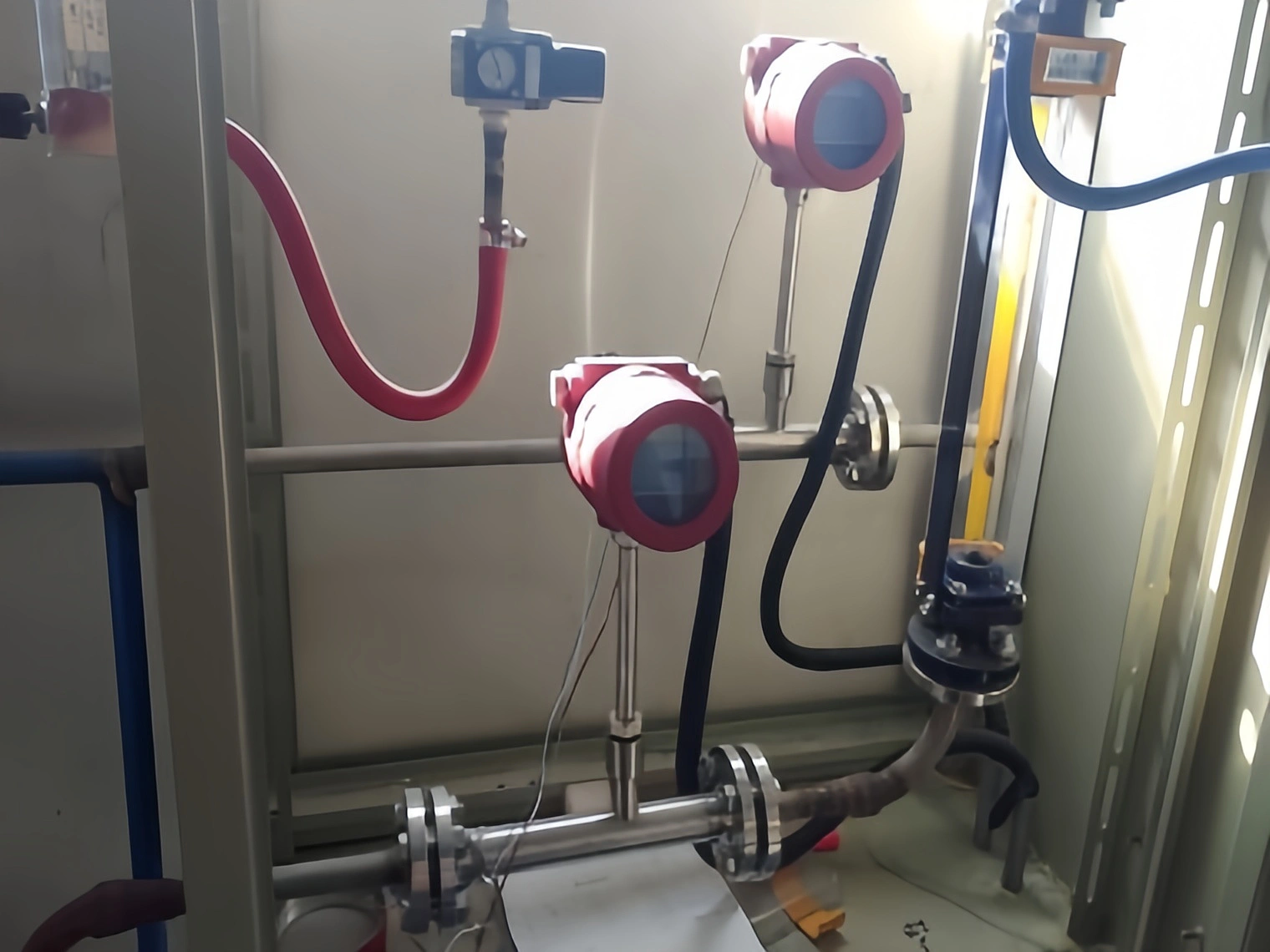
Analog gas flow meters specifically refer to a type of flow meter that outputs analog signals. The main function of a flow meter is to measure volumetric flow rate or mass flow rate and convert it into an electrical signal output, facilitating flow monitoring and control. There are four types of flow meter signal outputs: analog signal output, frequency signal output, digital signal output, and switch signal output. RFQ Table of ContentsWhy Probe Material Matters More Than You ThinkThe Five Probe Material Options – Where Each One Fits1. Standard ABS Probe – Common choice2. Semi-Enc......