Home > Blog
2026.5.18

High Temperature Differential Pressure Transducers for Steam, Hot Oil & Furnace ΔP

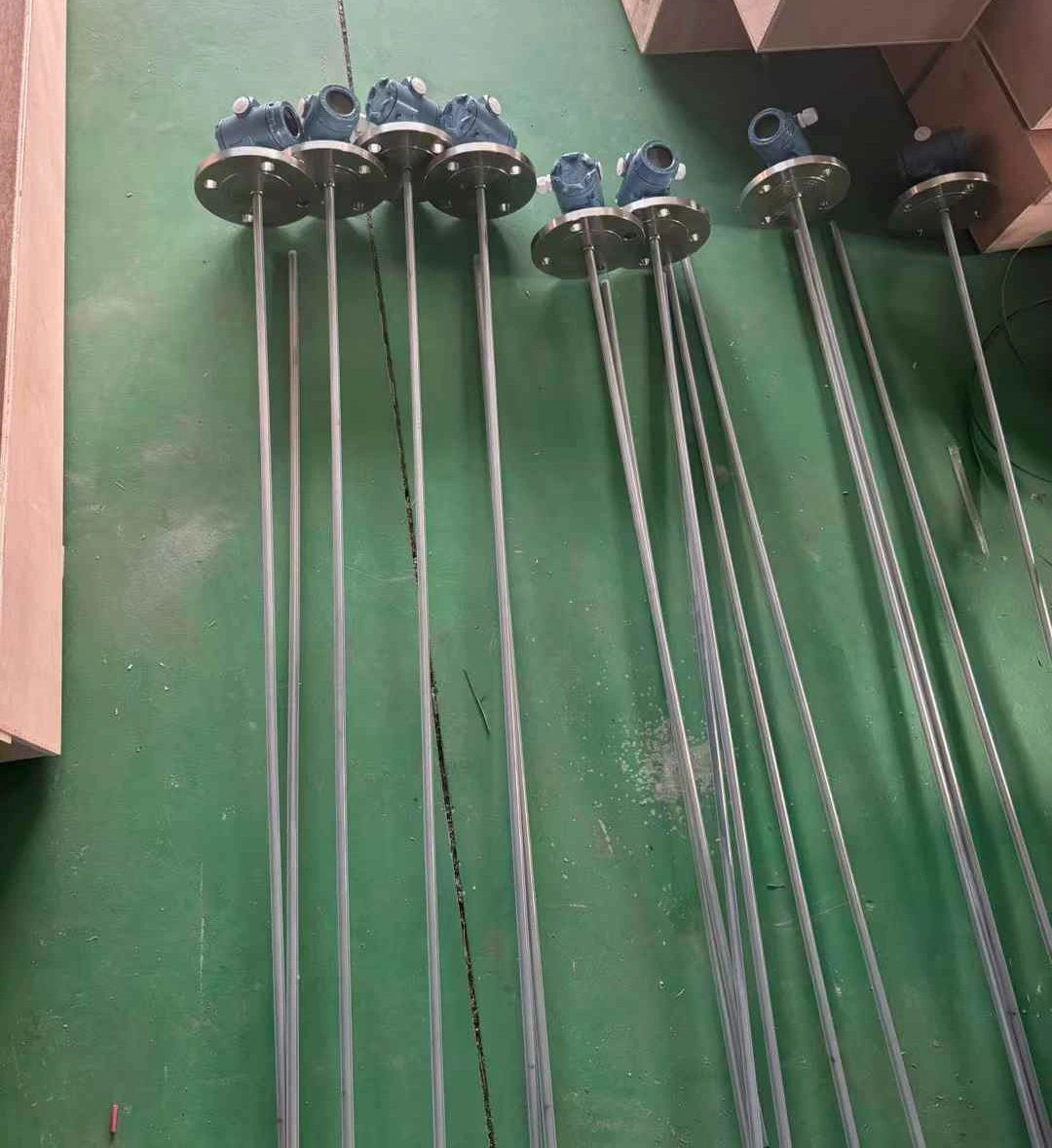
In specialized applications such as power generation, high-temperature reactors, and metallurgical smelting, process pressure measurement often faces extreme conditions of “high temperature” + “differential pressure,” with the temperature of the measured medium reaching 300℃~600℃. Differential pressure measurement of high-temperature media can be used in important processes such as flow calculation, liquid level monitoring, and differential pressure alarms, Even used for density measurement. Sino-Inst’s high-temperature differential pressure transmitter is specifi......

2026.5.17

Inline Pressure Transducer Guide: Types, Selection & Featured Products

An inline pressure transducer is a compact pressure transmitter that screws directly onto the pipeline via a single threaded interface. The sensitive diaphragm is in close contact with the medium, without manifolds or remote transmission diaphragms. This form factor is most commonly found in hydraulic systems, compressed air mains, cooling water circuits, HPLC process lines, and OEM equipment. Sino-Inst manufactures and supplies 10 models of its SI series inline pressure transmitters, covering ranges from -100 kPa to 1000 MPa, and media temperatures from -252 °C to +300 °C. They support 4-20 m......

2026.5.6

How to Use Pressure Transmitter for Level Measurement

Pressure transmitter for level measurement is a relatively inexpensive and stable solution. Proper selection and configuration of pressure transmitters can effectively save on measurement costs. Pressure transmitters for level measurement can be broadly categorized into two types: one for measuring liquid levels in pipes, and the other for measuring liquid levels in wells and rivers. Next, we will take a detailed look at their differences and how to choose the right one. RFQ Table of ContentsWhat Is a High Temperature Differential Pressure Transducer?Featured High Temperature Differential Pres......

2026.4.30

Magnetic Flow Meter Calibration Procedure – User Guide

After a period of use, electromagnetic flow meters may experience a decrease in accuracy. Magnetic flow meter calibration eliminates systematic errors inherent in the instrument, ensuring the reliability of its measurement results. This meets the needs of process control, cost accounting, and trade settlement. Electromagnetic flow meters are suitable for measuring the flow rate of conductive liquids in closed pipelines and are widely used in various industries such as chemical engineering, wastewater treatment, agricultural irrigation, and urban water management. Therefore, electromagnetic flo......

2026.4.29

Nitrogen Flow Controllers for Industrial & Research Applications

Nitrogen Flow Controllers are devices specifically designed for measuring and controlling nitrogen flow. They not only measure the volumetric or mass flow rate of nitrogen, but crucially, they also control the flow rate. Generally, they are based on a nitrogen flow meter, with the addition of an automatic control valve and a closed-loop control system. They can not only measure real-time flow but also automatically and precisely control the valve opening based on user-defined values, stabilizing the actual flow rate at the set value. If you only need nitrogen flow monitoring, please refer to o......

2026.4.23

Insertion Flow Meters: 6 Types

Measuring flow in large pipes with insertion type flow meters. If you need to measure the fluid flow of a larger pipe diameter, you are most likely to choose an insertion type flow meter. But what insertion type flow meter should you use? The market has insertion electromagnetic flowmeter, insertion vortex flowmeter, insertion ultrasonic flowmeter, insertion ultrasonic flowmeter and so on. Next, let us compare various insertion type flow meters. Hope to help you choose the right insertion type flow meter! RFQ Table of ContentsWhat Is a High Temperature Differential Pressure Transducer?Featured......

2026.3.24

How to Choose the Right Probe Material for Your Ultrasonic Level Sensor

By Li Rui, Senior Process Engineer at Sino-Inst | Published 2026-03-24. If you’ve ever had an ultrasonic level sensor fail prematurely, there’s a good chance the probe material was wrong for the job. I’ve seen this happen more times than I’d like to admit — a perfectly good sensor, installed in a sulfuric acid tank, corroded within weeks because someone went with the default ABS housing without thinking twice. Choosing the right transducer probe material isn’t glamorous work, but it’s one of those decisions that directly determines whether your level measure......