Home > Blog
2025.12.10

K Type Thermocouple: Working Principle, Applications, Advantages

A type K thermocouple is a widely used thermocouple in temperature measurement. Type K thermocouples are typically composed of two different metal alloys: a chromium-nickel alloy and an aluminum-nickel alloy. Type K thermocouples are inexpensive, highly accurate, reliable, and have a wide temperature range. Their maximum continuous operating temperature is approximately 1100°C. They provide accurate temperature readings even under harsh conditions. Therefore, they are the preferred choice for many industries. RFQ Table of ContentsWhat is a K-type Thermocouple?Why Choose a K-Type Thermocouple?F......

2025.12.9

Mass Flow Rate and Volumetric Flow Rate: Key Differences and Conversion

When it comes to flow measurement, understanding the distinction between mass flow rate and volumetric flow rate is crucial. Both concepts are widely used in various industries, but they differ in several aspects. We’ll explore the key differences between mass flow rate and volumetric flow rate, examine the factors that affect flow rate conversions, and walk you through the conversion process step by step. RFQ Table of ContentsWhat is a K-type Thermocouple?Why Choose a K-Type Thermocouple?FeaturesThe Working Principle of K Type ThermocoupleK Type Thermocouple Resistance ChartAdvantages a......

2025.12.8

More Powerful Pressure Transmitter with Diaphragm Seal and Capillary

Diaphragm seal is used to prevent media from directly entering the sensor assembly in the pressure transmitter/differential pressure transmitter. Remote split pressure measurement can be achieved by connecting the fluid-filled capillary tube to the transmitter. Diaphragm seals effectively broaden the application range of pressure transmitters. It makes the measurement of pressure transmitter and differential pressure transmitter safer and more reliable. Diaphragm seal and capillary are ideal choices for protecting pressure instruments and process transmitters even under extreme working conditi......

2025.12.8

What Is the Flow Rate? Velocity vs Flow

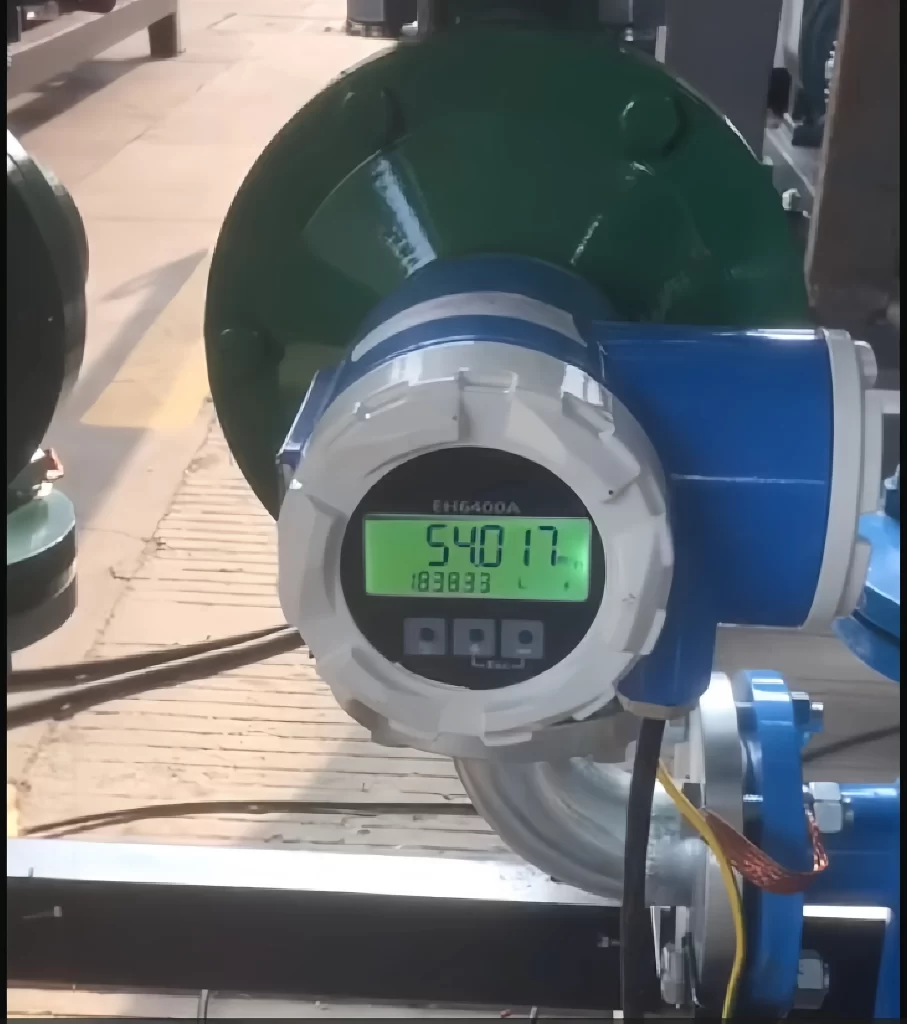
Home - Blog - What Is the Flow Rate? Velocity vs Flow - Page 9 What Is the Flow Rate? Is the flow rate the same as Flow? When we choose a flowmeter, we often know the fluid parameters of the pipeline. Including flow range, pressure, pipe diameter, etc. Flow rates and flow ranges are different. Flow is divided into volume flow and mass flow. So what is the relationship and difference between them? Let’s take a look. Table of ContentsWhat is a K-type Thermocouple?Why Choose a K-Type Thermocouple?FeaturesThe Working Principle of K Type ThermocoupleK Type Thermocouple Resistance ChartAdvanta......

2025.12.8

Level Measurement: Why & When Is a Stilling Well Needed?

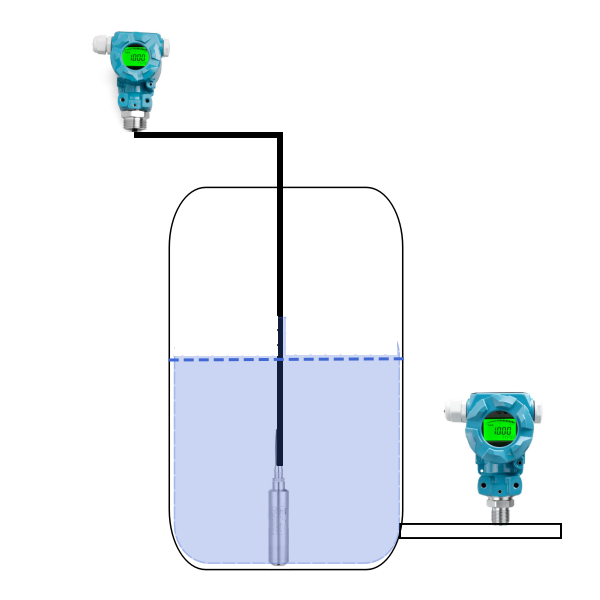
Stilling Wells are ingeniously designed to suppress liquid surface fluctuations and turbulence, ensuring high-precision level measurements. Surface disturbances are a problem in level measurement, whether using contact or non-contact methods. By isolating a calmer liquid column, Stilling Wells provide the sensor with a clear and stable target, eliminating misreads. Sino-Inst has assisted customers in applying Stilling Wells to various scenarios, from wastewater lifting stations to food processing tanks. RFQ Table of ContentsWhat is a K-type Thermocouple?Why Choose a K-Type Thermocouple?Feature......

2025.12.5

Sea Water Resistant Pressure Sensors

Pressure sensors are widely used in various fields such as ship systems, desalination plants, subsea equipment, and environmental monitoring. These fields are distributed in marine, offshore, and coastal areas. However, seawater is one of the most corrosive natural media because it contains a high concentration of sodium chloride, and chloride ions are highly corrosive. Therefore, traditional stainless steel materials perform poorly in marine environments. This article aims to introduce our pressure sensor, specifically designed for seawater corrosion resistance. Case Sharing A customer from S......

2025.12.5

Industrial Smart Pressure Transmitters 4-20mA, HART, RS485 Modbus

Industrial smart pressure transmitters are microprocessor-based high-performance transmitters. With flexible pressure calibration function. Instrument equipment commonly used in industrial process control can convert fluid or gas pressure into standard analog signals (such as 4-20mA) or digital signals (HART, RS485) and output them to the control system. Beyond 4–20 mA, HART and RS485 Modbus, pressure can also be reported over a CAN network — see our CAN bus pressure transducer with CANopen and custom CAN 2.0B output. RFQ Table of ContentsWhat is a K-type Thermocouple?Why Choose a K-Type Therm......