
Types of Viscometers: Lab vs Inline
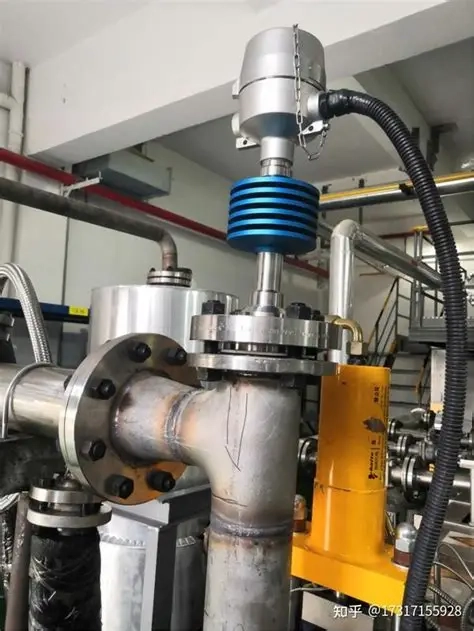
Viscosity and its measurement are closely related to experimental scientific research and industrial production. A viscometer is a device capable of effectively measuring the viscosity of a fluid and providing a readout or an output signal. While viscosity measurements were traditionally conducted primarily in laboratory settings, technological advancements now enable such measurements to be performed directly on-site during industrial processes.
What is Viscometer?
A viscometer is an instrument used to measure the viscosity of fluids (liquids and gases). Viscosity is a physical quantity representing the internal friction that occurs within a fluid as it flows; it reflects a fluid’s resistance to deformation and serves as an important metric for evaluating certain finished or semi-finished products. Viscosity varies depending on the type of fluid and changes with temperature. Common types include capillary viscometers, rotational viscometers, and vibrational viscometers.
The Importance of Viscosity Measurement
First, many production processes in the chemical industry involve the flow of fluids, where fluid viscosity directly impacts both production efficiency and product quality. In the petrochemical sector, for instance, the viscosity of oil products is critical to their storage, transportation, and processing.
Second, viscometers play a vital role in the petroleum industry. Throughout the extraction, processing, and transport of petroleum, precise control of liquid viscosity is essential to ensure optimal flow characteristics within pipelines, storage tanks, refineries, and other equipment.
Furthermore, the food and beverage industry represents another significant application area for viscometers. In these sectors, the texture and quality of products are closely linked to the viscosity of the liquids involved; for example, syrups used in beverages must have the appropriate viscosity to ensure uniform distribution.
In summary, the use of viscometers across various industries underscores their indispensable role in measuring the viscosity of liquids and gases. Whether in the chemical, petroleum, food, or pharmaceutical sectors, viscometers provide professionals with accurate and reliable data, enabling them to optimize production processes, enhance product quality, and reduce manufacturing costs.
Types of Viscometers
Viscosity measurement technologies are continuously evolving, encompassing both laboratory-based and in-line (process) methods. There are six common types:
1. Capillary Viscometers
Capillary viscometers operate based on Poiseuille’s Law. They determine viscosity by measuring the time required for a fluid to flow through a capillary tube of a specific length and diameter under the influence of gravity. These instruments feature a simple, low-cost design and are suitable for routine laboratory viscosity measurements. However, their accuracy is highly sensitive to operating conditions, and they are not suitable for non-Newtonian fluids.
2. Rotational Viscometers
Rotational viscometers are among the most common viscosity measurement instruments. They calculate viscosity by measuring the resistance encountered by a rotor as it spins within a fluid. Depending on the shape and configuration of the rotor, these viscometers can be categorized into various types, such as single-cylinder, coaxial-cylinder (double-cylinder), and cone-and-plate. Rotational viscometers are suitable for fluids of various viscosity ranges, including high viscosity and non-Newtonian fluids, and have a wide measurement range and high accuracy.
3. Falling-Ball Viscometers
The falling-ball viscometer is a straightforward measurement method, particularly well-suited for high-viscosity fluids. It determines viscosity by measuring the time it takes for a sphere of standardized size and mass to fall through a vertical column of the fluid. While simple to operate, these viscometers offer lower accuracy and are not suitable for low-viscosity fluids.
4. Vibrational Viscometers
Vibrational viscometers measure viscosity by analyzing the vibration characteristics of an object immersed in a fluid. Common types include tuning-fork and torsional (oscillatory) viscometers. These instruments are ideal for in-line monitoring and process control, as they provide rapid responses to changes in viscosity; however, they may be less effective for highly viscous samples.
5. Ultrasonic Viscometers
Ultrasonic viscometers calculate viscosity by emitting ultrasonic pulses and analyzing their propagation characteristics within the fluid. This method enables non-contact measurement and is suitable for determining the viscosity of fluids under high-temperature, high-pressure, or corrosive conditions. Ultrasonic viscometers offer the advantage of causing minimal disturbance to the fluid, though they come at a relatively higher cost.
6. Rheometers
Rheometers are used not only to measure viscosity but also to characterize the flow properties and deformation behavior of fluids. They can simulate various shear rates and stress conditions, allowing for the study of phenomena such as shear thinning or shear thickening. Rheometers are essential for understanding the behavior of complex fluids and are frequently employed in the research and development of new materials, as well as in the optimization of existing formulations.
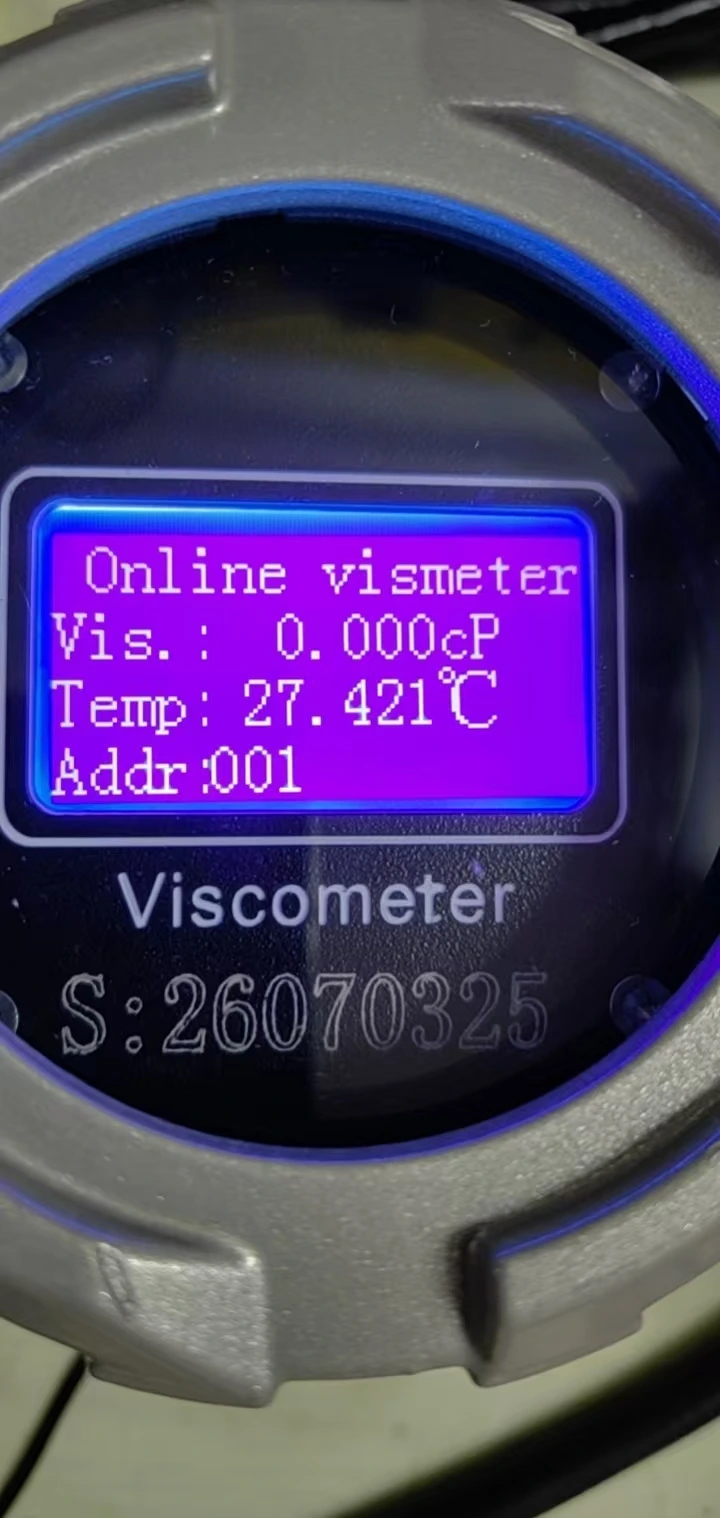
Of course, these classifications are based on the principles of viscosity measurement. Viscometers can also be categorized based on their structural form, such as portable viscometers, online viscometers, and benchtop viscometers.
Online Vibrational Viscometers vs. Laboratory Viscometers
Traditionally, viscosity measurement has relied on collecting samples from the production site for laboratory analysis. The resulting data is then relayed back to on-site personnel, who use it to adjust formulations and control quality. This time-consuming feedback loop can negatively impact both product quality and production output.
Laboratory viscosity measurements are typically conducted under highly controlled, stable conditions—far removed from the complex, dynamic environment of an actual production line, where factors such as temperature, pressure, flow rate, suspended particles, and agitation speeds significantly influence the true viscosity. Consequently, relying on laboratory-derived data for quality control presents several drawbacks:
· Significant time lag, resulting in data that no longer reflects current on-site conditions.
· Discrepancies between laboratory-measured viscosity and the actual viscosity under production conditions.
· Inability to provide real-time feedback on the dynamics of the production process.
· Inefficient use of human and material resources.
· Lack of continuous sampling, preventing the stabilization of process parameters.
Today, in fluid engineering and industrial manufacturing, online viscometers are used to monitor product viscosity directly. By measuring viscosity in real-time during the production process, operators can track rheological changes, predict process outcomes—such as reaction times—and ensure consistent product quality. Installing an online viscometer offers the following advantages:
· Enhanced real-time monitoring of product quality.
· Reduced human and material costs.
· Advancement of automated production control within the organization.
How to choose the right viscometer?
Selecting a viscometer requires a comprehensive evaluation of liquid properties, measurement requirements, operating environment, and budget.
- Define your measurement requirements
The first step in selecting a viscometer is to clarify the specific requirements for your experiment or production process, including:
- Viscosity range;
- Measurement accuracy;
- Measurement method;
- Operational mode.
- Consider sample characteristics
The physical and chemical properties of the liquid will influence your choice of viscometer:
- Temperature and pressure;
- Corrosivity;
- Solids content.
- Select the type of viscometer
Common types of viscometers and their typical applications:
- Rotational viscometers: Suitable for high-viscosity liquids; feature adjustable shear rates; commonly used for paints, coatings, food products, etc.
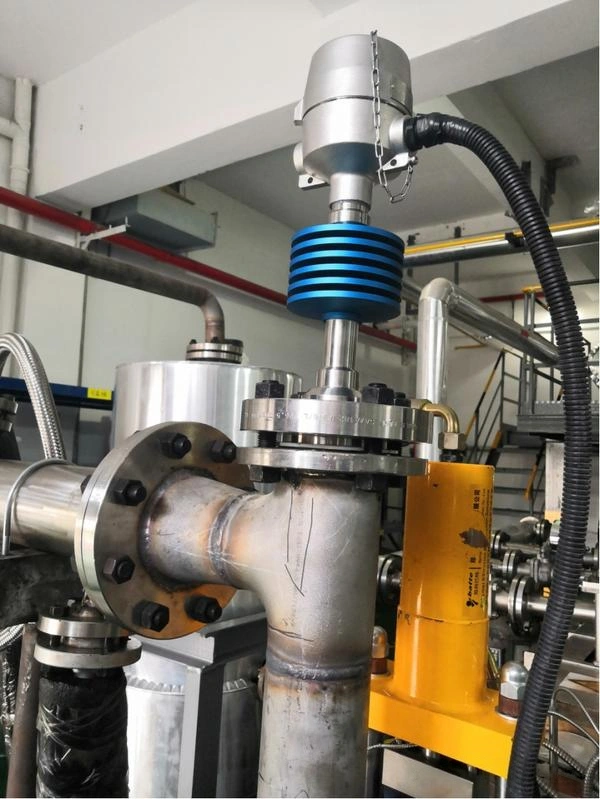
- Vibrational viscometers: Suitable for low-viscosity liquids; offer rapid measurement; ideal for chemical solutions and liquid chemicals.
- Portable viscometers: Compact and easy to carry; suitable for quick measurements in the laboratory or in the field.
- Benchtop viscometers: Designed for laboratory or production environments; offer convenient operation and robust data management.
- Inline (process) viscometers: Designed for real-time monitoring on production lines; offer customizable installation options, such as flange or threaded connections.
- Operating environment and maintenance
- Budget
- Available space for installation and operation
For inline viscometers in particular, you must verify the following in advance:
Installation method: Flange mounting (pressure rating and dimensions) or threaded mounting (pressure rating and dimensions).
Insertion depth: The distance from the sealing surface to the tip of the probe. - Viscosity units
Determine whether you need to measure kinematic viscosity or dynamic viscosity.
Selection recommendations
- Low-viscosity liquids: Use a vibrational or portable viscometer.
- High-viscosity liquids: Use a rotational benchtop or inline viscometer.
- Small-volume samples: Use a specialized micro-sample rotational viscometer.
- Production line monitoring: Use an inline viscometer that supports real-time data output and automated control.
By taking all the above factors into account and combining them with our professional technical advice, you can select a viscometer that meets your current needs and has long-term reliability.
We previously customized a vibration viscometer for a US user to measure water-based coatings. The configuration parameters are as follows:
- Viscometer
- Medium: Water-based coatings (water-based inks)
- Viscosity: 50–200 cP
- Material: Stainless steel
- Temperature compensation: Required
- Pressure: Max. 30 psi
- Temperature: 0–40°C
- Signal output: 4–20 mA (preferred)
- Insertion depth: 1–3 inches (no strict limitation)
- Mounting flange size: 1.5-inch ANSI flange
Inline Viscosity and Density Meters


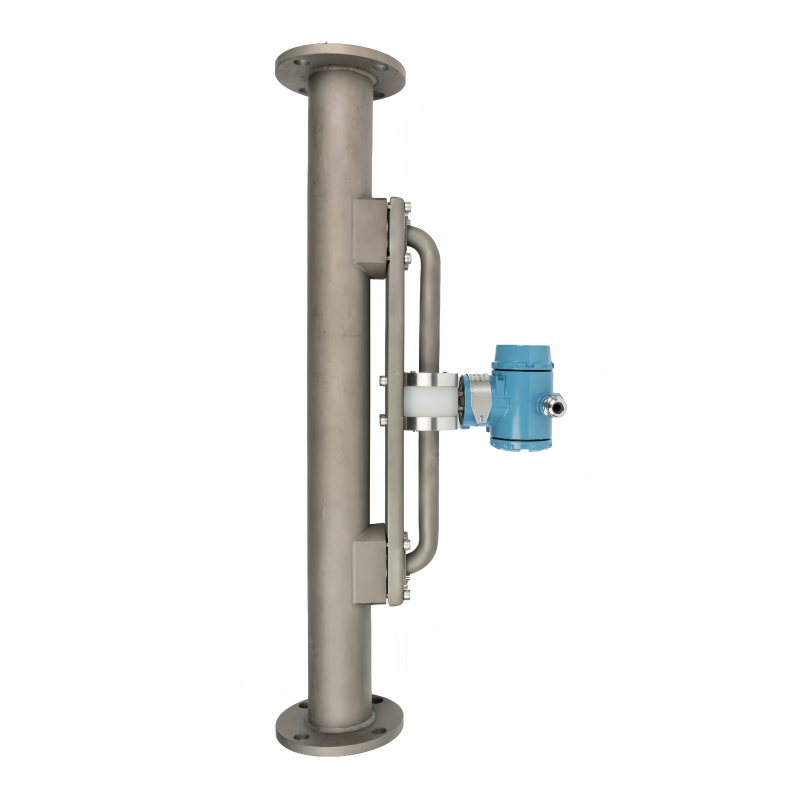

In addition to understanding the different types of viscometers, their principles, and applicable scenarios, we also need to pay attention to the influence of various factors such as temperature, pressure, solution concentration, molecular characteristics, instrument operation, and external environment. Should you require assistance with the configuration of an inline viscometer, please feel free to contact our sales engineers for a consultation.
Further Reading

Zhang Wei, possesses 20 years of experience as an automation instrumentation engineer, specializing in the research, design, installation, commissioning, and maintenance of automation instruments.
Face to various instrument communication protocols (such as Modbus, Profibus, etc.), with solid hardware circuit design and software programming skills (proficient in C language and PLC programming). Has extensive project experience; projects he has led and participated in have all achieved outstanding results, improving product accuracy, reducing costs, and increasing production efficiency.
Possesses excellent communication and coordination skills and a strong team spirit, enabling him to quickly respond to customer needs and provide high-quality automation instrumentation solutions.
Want to see more of our engineering guides in Google Search? Add Sino-Inst as a preferred source.