Home > Blog > Nitrogen Flow Controllers for Industrial & Research Applications
Nitrogen Flow Controllers for Industrial & Research Applications
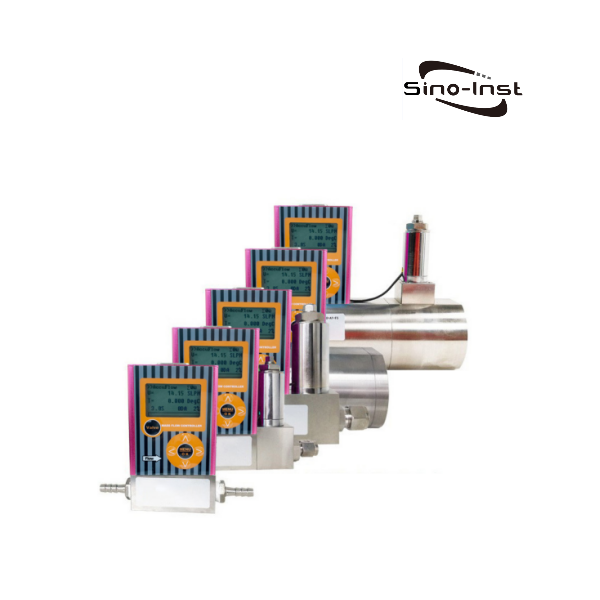
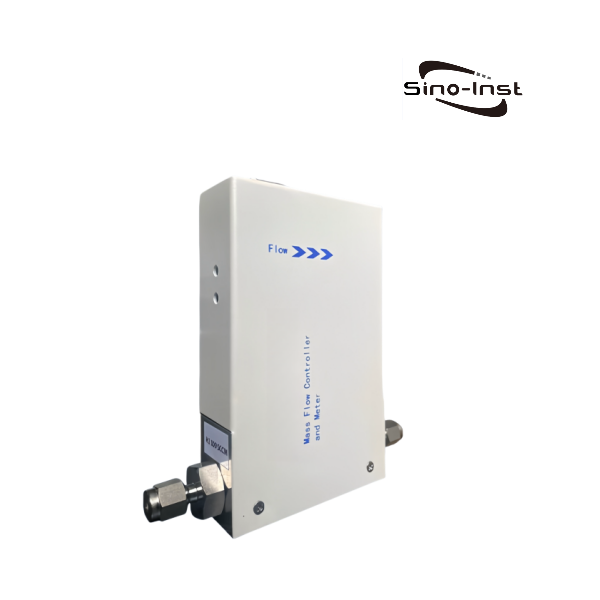
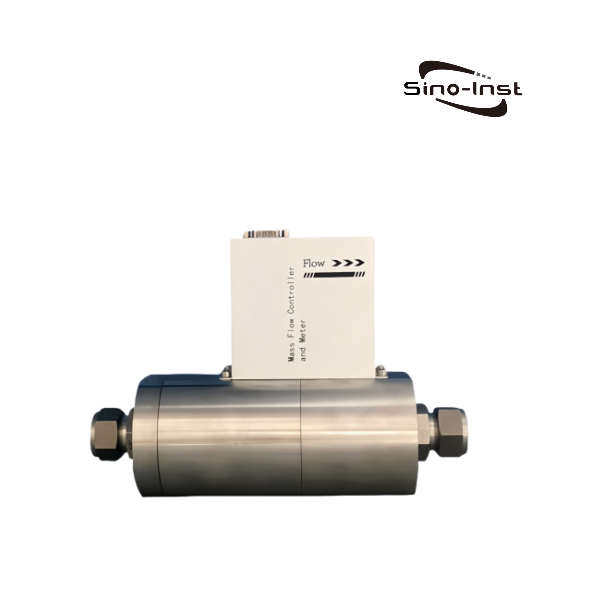
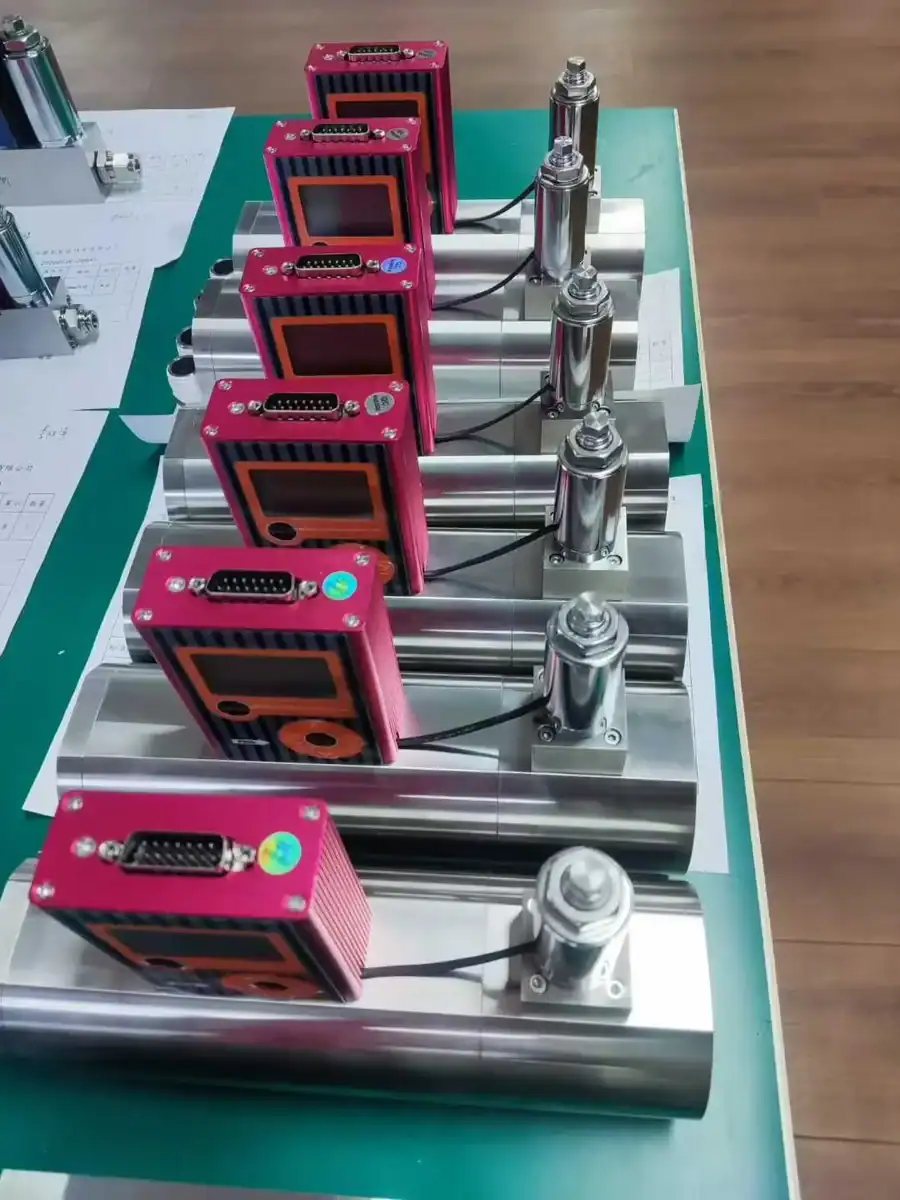
Nitrogen Flow Controllers are devices specifically designed for measuring and controlling nitrogen flow. They not only measure the volumetric or mass flow rate of nitrogen, but crucially, they also control the flow rate. Generally, they are based on a nitrogen flow meter, with the addition of an automatic control valve and a closed-loop control system. They can not only measure real-time flow but also automatically and precisely control the valve opening based on user-defined values, stabilizing the actual flow rate at the set value.
Nitrogen has a wide range of uses in both laboratory and chemical production processes:
As a protective gas: Nitrogen is chemically stable at room temperature, so it can be used as an inert gas for welding metals.
Antioxidant: In glass production, nitrogen can be used as a protective gas to prevent oxidation.
Uses in medical and health fields.
Fertilizer production: Nitrogen can be used to make fertilizers; it is a raw material for producing chlorophyll and proteins.
Nitrogen Flow Controller vs. Nitrogen Gas Regulator vs. Nitrogen Flow Meter
A gas mass flow controller (MFC) is an instrument used to accurately measure and control the mass flow rate of gases. Based on fluid mechanics and heat transfer principles, it uses a mass flow sensor to measure pressure differences and temperature changes as gas flows through a pipeline, calculates the mass flow rate, and regulates the flow rate by controlling valves to maintain it within a set range. MFCs are widely used in semiconductor manufacturing, biopharmaceuticals, and other fields.
A Nitrogen Gas Regulator connects a high-pressure nitrogen cylinder to your application equipment, ensuring safe and accurate pressure control. The inert gas in the cylinder is reduced in pressure to the outlet pressure required for the final application by a pressure regulator.
Nitrogen flow meters include volumetric flow meters and mass flow meters, primarily used for monitoring nitrogen flow in industrial processes. Examples include vortex flow meters, induction vortex flow meters, and thermal mass flow meters. Most can directly display instantaneous flow rate, cumulative flow rate, and flow velocity information. They output a continuous flow signal and cannot control the equipment.
Types of Nitrogen Flow Controllers
Based on their working principle, Nitrogen Flow Controllers can be divided into three categories: thermal Nitrogen Flow Controllers, laminar differential pressure Nitrogen Flow Controllers, and Coriolis Nitrogen Flow Controllers.
These controllers measure flow rate based on the difference in thermal conductivity between gases, utilizing the heat exchange effect between a heating element (such as a platinum wire) and the gas. The sensor indirectly calculates the flow rate by using electrical power proportional to the flow rate to maintain a constant temperature difference. However, the thermal element is susceptible to changes in ambient temperature and gas composition, and its sensitivity decreases significantly at low flow rates.
Accuracy decreases at low flow rates (above ±1% F.S.), the measurement range is narrower, and it is easily limited by thermal diffusion effects.
Suitable Scenarios for Thermal Flow Controllers
Clean and dry gases: Conventional industrial environments (no liquid/corrosion risk) with high response speed requirements (e.g., combustion control).
Cost-sensitive projects: Scenarios with limited budgets and no need for high-precision compensation.
Based on the principle of laminar differential pressure, and designed using Bernoulli’s equation and Hagen-Poiseuille’s law, this controller calculates flow rate by measuring the differential pressure signal across the laminar flow element and compensates for errors caused by environmental changes using built-in pressure and temperature sensors. Its core modules include: a rectification module: converting turbulent flow to laminar flow to ensure measurement stability; and a differential pressure sensor: detecting gas velocity in real time and directly outputting mass flow rate with temperature and pressure compensation.
Low flow rates (below 0.5 sccm) achieve accuracy of ±0.5% of reading, covering the full range from 0.5 sccm to 5000 slpm, and supporting a wide dynamic range (range ratio 200:1).
Preferred scenarios for laminar differential pressure controllers:
High-precision micro-flow control: such as cell culture in biopharmaceuticals (O₂/CO₂ introduction), and inert gas protection during vaccine filling.
Complex media environments: corrosive gases (e.g., HCl), high-temperature sterilization (SIP process), and liquid-containing risks (water treatment, fuel cells).
Mixed Gases and Continuous Production: Requires dynamic adjustment of gas ratios (e.g., CAR-T cell expansion) or long-term maintenance-free operation (e.g., semiconductor deposition processes).
3. Coriolis Nitrogen Flow Controller
Coriolis mass flow meters are highly regarded for their measurement accuracy and insensitivity to fluid properties. Sino-Inst’s Coriolis mass flow controller utilizes the Coriolis principle, ensuring unaffected performance even with changes in pressure, temperature, density, conductivity, and viscosity. It is suitable for various gases, liquids, and critical fluids.
Compared to commonly available Coriolis flow meters, the Nitrogen Flow Controller is more compact, facilitating installation in space-constrained environments and suitable for applications with smaller connection pipe diameters. Currently, the flow range covers 0.05 g/h to 1000 kg/h.
The Nitrogen Flow Controller simultaneously measures and outputs mass flow rate, fluid density, and temperature, offering two levels of accuracy: ±0.25% for liquid measurements or ±0.5% for gas measurements. Sufficient to meet the needs of most customers, the Coriolis mass flow controller can be used in various laboratory experiments as well as in complex industrial environments, making it an ideal device for rapid, highly repeatable quantitative feeding and bottling processes of pretreatment agents, additives, and solvents.
Nitrogen Flow Controller System
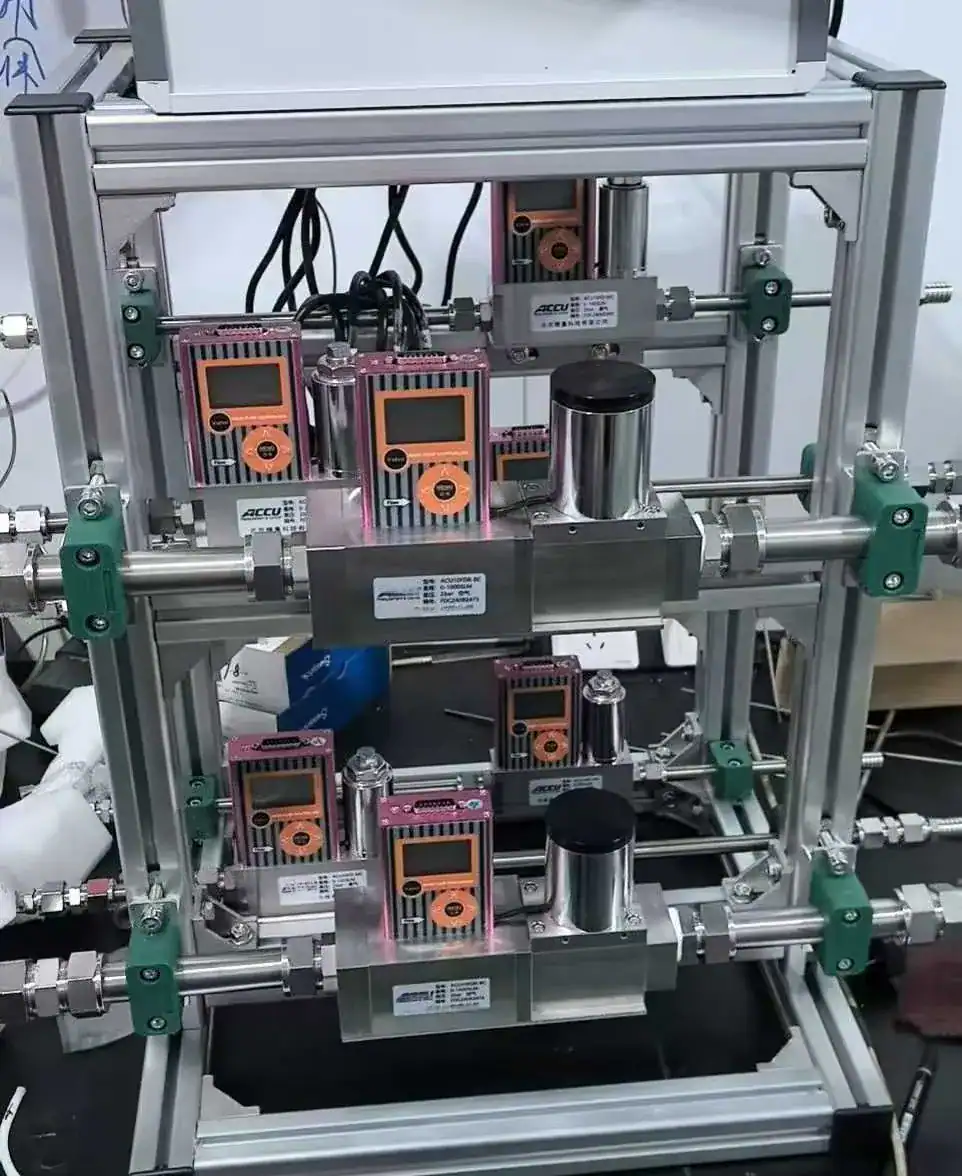
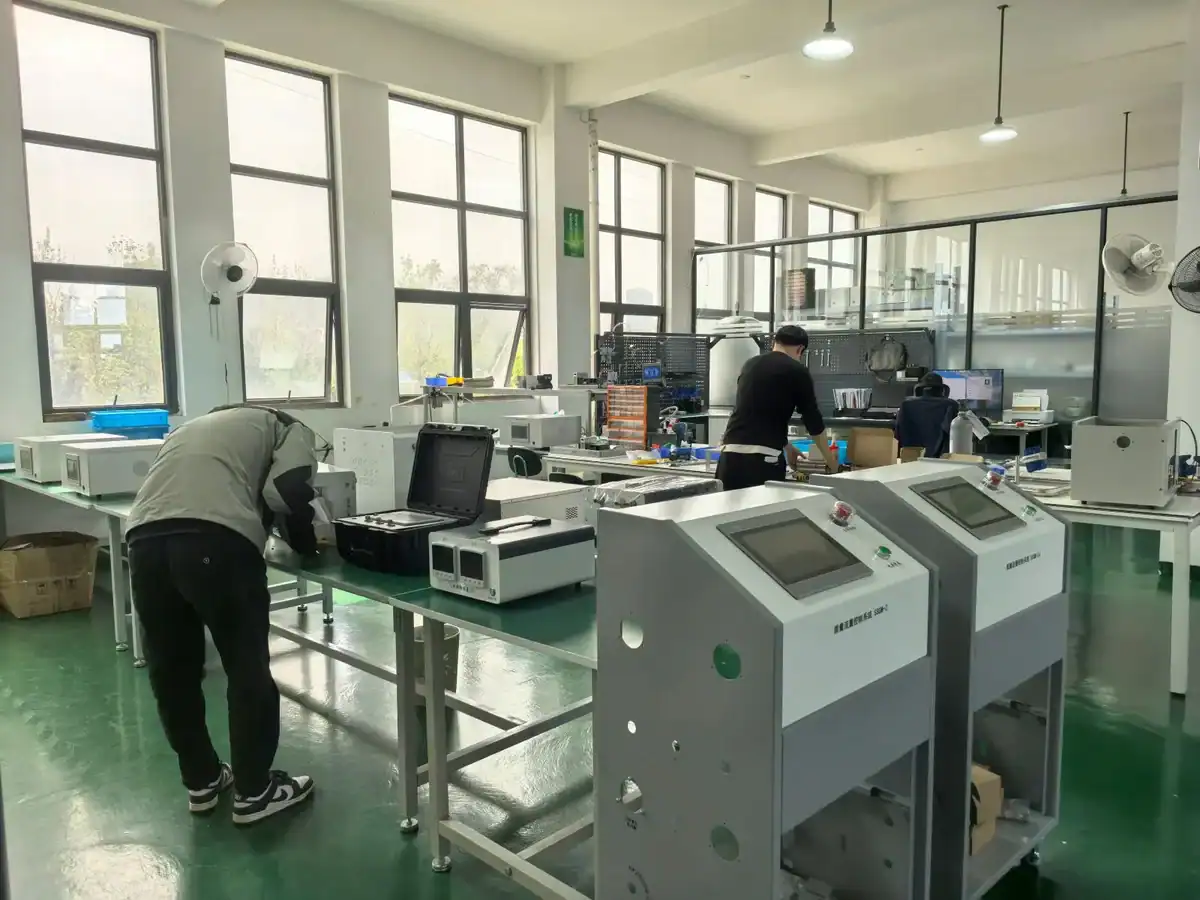
A nitrogen flow controller system primarily uses multiple sets of nitrogen gas mass flow controllers to centrally control the gas intake. It is a highly sensitive device that combines speed, reliability, sensitivity, and ease of operation, suitable for centralized control of various gases. Through connection with IoT data, it can remotely operate, display, and control flow data.
Choosing the Right Nitrogen Flow Controller
There is no single best nitrogen flow controller, only the most suitable one. The selection of a nitrogen flow controller is primarily based on factors such as operating conditions and performance. Based on Sino-Inst’s years of experience in nitrogen flow measurement, we recommend considering the following in order:
Medium. Confirm whether the gas to be measured is nitrogen alone or a mixture. Is it dry or humid nitrogen? Currently, most gas mass flow controllers can measure a single gas; flow controllers capable of measuring mixed gases require custom customization.
Pressure. This is a crucial parameter when selecting a nitrogen flow controller. Typically, gas mass flow controllers can measure low-pressure gases, below 2 MPa.
The inlet pressure, outlet pressure, and operating pressure differential all need to be confirmed. The inlet pressure is the pressure of the gas before it enters the gas mass flow controller; the outlet pressure is the pressure of the gas after it exits the gas mass flow controller; and the operating pressure differential is the difference between the inlet and outlet pressures.
Key selection considerations for nitrogen flow controllers include: 1. The maximum operating pressure of the nitrogen flow controller must be greater than the inlet pressure, and the operating differential pressure must be within the selectable operating differential pressure range of the flow controller.
Temperature, including the medium temperature and ambient temperature. Users need to clearly know the actual temperature of the measured medium and the ambient temperature of the gas mass flow controller’s operating environment.
Flow rate, i.e., minimum and maximum flow rates. This refers to the standard flow rate, which is the flow rate under standard conditions. Standard conditions refer to the operating conditions under a certain pressure (usually one atmosphere, 101.325 kPa) and temperature (usually 0℃, 15℃, 20℃, or 25℃).
After determining the flow range, the full-scale range of the selected nitrogen flow controller must be greater than or equal to the maximum flow rate, and the measurement and control range must cover the range between the minimum and maximum flow rates.
Accuracy, i.e., maximum error. Currently, the common accuracy of nitrogen flow controllers is 1.0%, with higher accuracy at 0.5% and lower accuracy at 1.5%. However, even with the same 1.0% accuracy, there is a difference between F.S. (full-scale accuracy) and S.P. (setpoint accuracy), with S.P. (setpoint accuracy) being better.
Repeatability: This refers to the consistency between the results obtained from multiple consecutive measurements of the same measured quantity under the same measurement conditions. Sino-Inst gas mass flow controllers can achieve ±0.2% F.S. repeatability accuracy, while high-precision models can achieve ±0.1% F.S. repeatability accuracy.
Communication method: This refers to the communication signal used to operate the gas mass flow controller to control the flow rate. Common communication methods include analog signal control (such as 4-20mA, 0-5V, etc.) or digital signal control (such as RS485, Profibus, etc.).
Sino-Inst’s nitrogen flow controllers, designed for ease of operation in university laboratories, feature a touchscreen interface, allowing for flow rate setting and medium switching via the control panel.
Piping connection: This refers to the interface, connection method, and pipe diameter. Depending on the material, sealing performance, and pipe diameter requirements of the gas pipeline, quick-connect fittings, VCR fittings, compression fittings, and flanges are available.
Installation method: Most gas mass flow controllers require horizontal or vertical installation.
After confirming the above information, you can basically complete the selection of a conventional nitrogen flow controller. For special requirements based on operating conditions, such as response speed, pressure loss, temperature drift, and pressure drift, please consult with our engineers for further discussion.
FAQ
MFC stands for Mass Flow Controller, and MFM stands for Mass Flow Meter.
Mass flow meters are primarily used to measure the flow rate of gases or liquids in real time, providing flow monitoring data, but they do not actively regulate the flow rate. They can measure based on principles such as volume, mass, or pressure difference, and are commonly used in industries such as semiconductor manufacturing, biopharmaceuticals, and chemicals.
Mass flow controllers not only measure flow rate but also automatically adjust the flow rate according to a set value, ensuring that the system maintains a stable flow rate under pressure or temperature changes. They typically combine sensors and proportional valves, achieving precise regulation through closed-loop control.
The main function of a flow controller is to accurately measure and control the flow rate of fluids (gas or liquid), ensuring stable system operation and meeting process or experimental requirements.
A flow controller can monitor fluid flow in real time and automatically adjust valve opening through a closed-loop control system to maintain the flow rate at the set value, even with system pressure fluctuations or changes in ambient temperature. It can not only measure flow rate as a flow meter but also actively control flow to achieve flow stabilization.
Nitrogen is needed throughout the testing, manufacturing, and ongoing maintenance of HVAC systems. It’s used for pressure testing and cleaning copper coils. Often, HVAC system manufacturers pressurize the coils before shipping to ensure there are no leaks. Nitrogen also eliminates metal oxidation because it inhibits moisture formation during leak testing.
No, oxygen and nitrogen have different densities; they absolutely cannot be used interchangeably.
Industrial Liquid Nitrogen Flow Measurement Solution – Cryogenic Flow Measurement Design. Liquid nitrogen flow meters are a type of cryogenic flow meter specifically designed to measure the flow rate of liquefied nitrogen at extremely low temperatures (-196°C; -320°F; 77 K)…
When using liquid nitrogen tanks, it’s crucial to constantly monitor the liquid nitrogen level inside. Replenishing the tank as needed ensures the sample remains at a constant -196°C, preserving its activity. Generally, replenishment is necessary when the level drops below…
Measuring the liquid nitrogen pressure and temperature places high demands on the sensor. The temperature of liquid nitrogen can reach as low as -196°C, which requires the temperature transmitter, pressure transmitter, and flow meter to work normally at -198°C. Sino-Inst’s…
Nitrogen flow meters are industrial digital flow meters used to measure the volumetric or mass flow of nitrogen. Nitrogen (N2) typically flows in either gaseous or liquid form. Here, we discuss the flow measurement and control of industrial gaseous and…
Industrial Nitrogen Gas Flow Measure Solutions Industrial nitrogen flow meters are digital flow meters used to measure nitrogen (N2). Nitrogen is an inert gas widely used across various industries. It is required in many processes in the chemical and pharmaceutical…
Analog gas flow meters specifically refer to a type of flow meter that outputs analog signals. The main function of a flow meter is to measure volumetric flow rate or mass flow rate and convert it into an electrical signal…
Nitrogen flow controllers are crucial process control devices in industries such as nitrogen generators, semiconductors, food processing, and chemicals. They are also essential experimental equipment in laboratories of universities and research institutions.
Sino-Inst supplies nitrogen flow controllers covering a wide range of flow rates and accepts customized parameters for high temperature and high pressure applications. These controllers are designed for precise nitrogen flow control. Please contact our sales engineers for customization consultation.
Zhang Wei, possesses 20 years of experience as an automation instrumentation engineer, specializing in the research, design, installation, commissioning, and maintenance of automation instruments.
Face to various instrument communication protocols (such as Modbus, Profibus, etc.), with solid hardware circuit design and software programming skills (proficient in C language and PLC programming). Has extensive project experience; projects he has led and participated in have all achieved outstanding results, improving product accuracy, reducing costs, and increasing production efficiency.
Possesses excellent communication and coordination skills and a strong team spirit, enabling him to quickly respond to customer needs and provide high-quality automation instrumentation solutions.