
Flow Rate Converter: LPM to GPM, GPM to m³/h
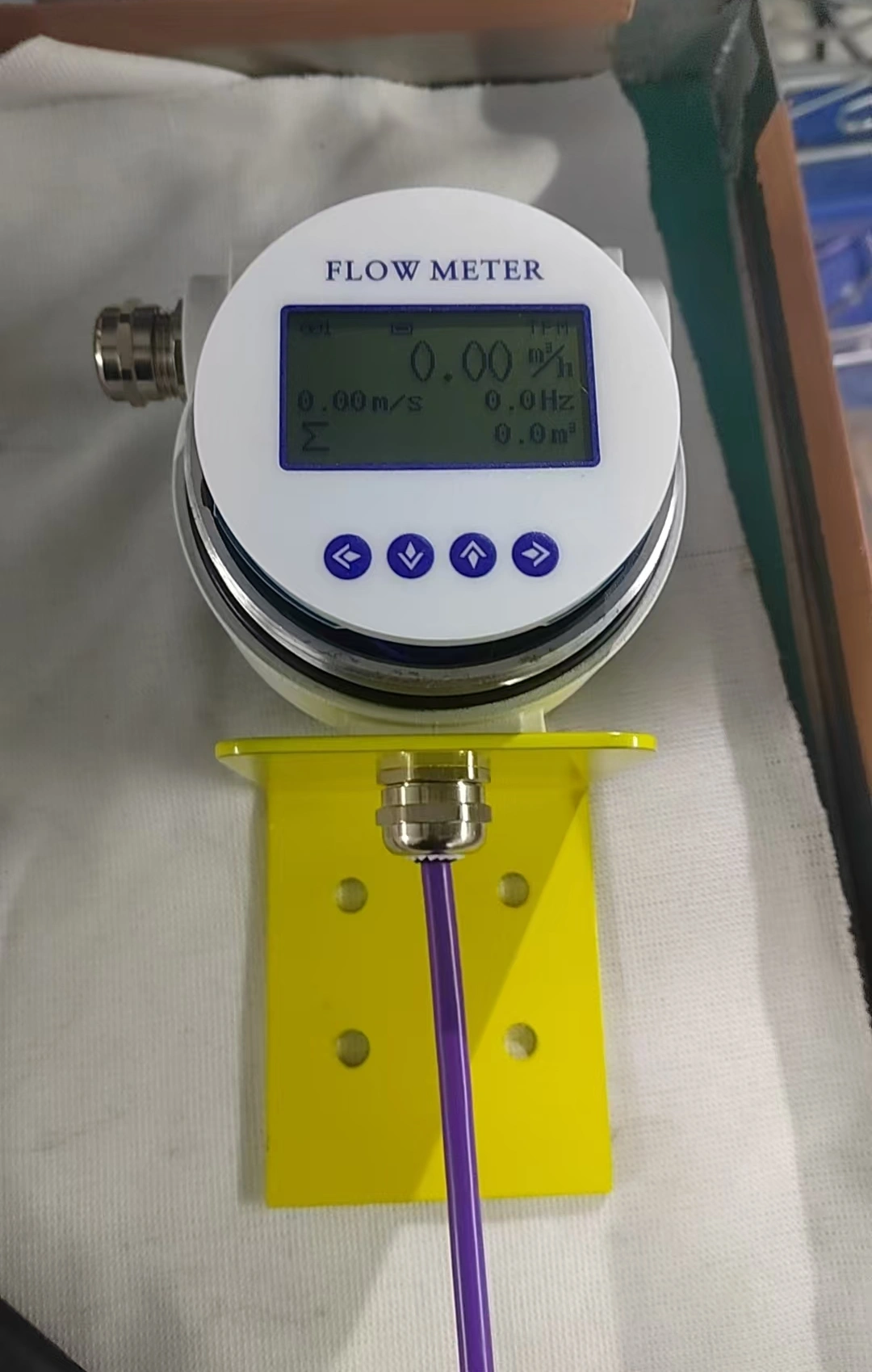
LPM, GPM, and m³/h are all commonly used units of volumetric flow rate. They can be converted as follows: 1 L/min = 0.2642 US GPM, and 1 US GPM = 0.2271 m³/h. Different industrial product segments tend to prefer different units. For example, flow meters typically use LPM, while data sheets for U.S. pumps or valves prefer GPM, and projects in India or Southeast Asia often calculate flow rates in m³/h.
Therefore, we’re providing a simple Flow Rate Converter here, along with a detailed analysis of LPM, GPM, and m³/h.
Flow Rate Converter
Flow Rate Converter
1 US gal = 3.785 L, 1 imperial gal = 4.546 L. CFM here is actual flow; for standard conditions use our SCFM vs ACFM calculator.
What is LPM
LPM stands for “Liter Per Minute,” which represents the volume of fluid flowing per minute. LPM is a metric unit commonly used in industries such as manufacturing, healthcare, laboratories, and water treatment. Examples include our diesel flow meters and gas metal rotor flow meters.
What is GPM
GPM stands for “Gallons Per Minute” and is a U.S. customary unit. In fact, there are two types of GPM: U.S. GPM and Imperial GPM. The two are not equivalent. Imperial GPM uses the imperial gallon (4.546 liters), which is approximately 20% larger than the U.S. unit.
However, US GPM is more widely used, particularly in North American engineering and HVAC industries, where GPM is the mainstream unit of flow. Therefore, unless otherwise specified, GPM in pump and flowmeter data sheets refers to US gallons (3.785 liters).
What is m³/h
m³/h stands for “cubic meters per hour” and represents the volume of fluid that passes through in one hour; it is a commonly used unit of volumetric flow rate. It is a metric unit. This is the most commonly used unit of volumetric flow rate in industrial processes: data sheets for electromagnetic flowmeters and vortex flowmeters almost exclusively use m³/h.
However, when used for gases, it is important to distinguish between m³/h (at operating conditions) and Nm³/h (at standard conditions), as these two units are not directly interchangeable.
LPM to GPM (and GPM to LPM)
The conversion relationship between LPM and GPM is: 1 LPM = 0.264172 US GPM, and 1 US GPM = 3.78541 LPM; when converting to Imperial GPM, 1 LPM = 0.219969 Imperial GPM.
Basic Conversion Formulas:
LPM → GPM (US): GPM = LPM × 0.264172
Example: 25 LPM = 25 × 0.264172 = 6.604 GPM
GPM (US) → LPM: LPM = GPM × 3.78541
LPM → GPM (UK): GPM = LPM × 0.219969
GPM (UK) → LPM: LPM = GPM × 4.54609
Common Conversion Table (US GPM)
LPM to GPM (US)
| LPM | GPM (US) |
|---|---|
| 1 | 0.26 |
| 5 | 1.32 |
| 10 | 2.64 |
| 20 | 5.28 |
| 50 | 13.21 |
| 100 | 26.42 |
| 150 | 39.63 |
| 200 | 52.83 |
| 300 | 79.25 |
| 500 | 132.09 |
| 1,000 | 264.17 |
GPM (US) to LPM
| GPM (US) | LPM |
|---|---|
| 1 | 3.79 |
| 5 | 18.93 |
| 10 | 37.85 |
| 20 | 75.71 |
| 50 | 189.27 |
| 100 | 378.54 |
| 150 | 567.81 |
| 200 | 757.08 |
| 300 | 1,135.62 |
| 500 | 1,892.71 |
| 1,000 | 3,785.41 |
GPM to m³/h (and m³/h to GPM)
The conversion relationship between GPM and m³/h is: 1 US GPM = 0.227125 m³/h, and 1 m³/h = 4.402868 US GPM. For Imperial GPM, 1 Imperial GPM = 0.272765 m³/h.
Basic Conversion Formula:
GPM (US) → m³/h: m³/h = GPM × 0.227125
Example: 250 GPM = 250 × 0.227125 = 56.78 m³/h
m³/h → GPM (US): GPM = m³/h × 4.402868
GPM (UK) → m³/h: m³/h = GPM × 0.272765
m³/h → GPM (UK): GPM = m³/h × 3.666154
Common Conversion Table (US GPM)
GPM (US) to m³/h
| GPM (US) | m³/h |
|---|---|
| 1 | 0.23 |
| 5 | 1.14 |
| 10 | 2.27 |
| 20 | 4.54 |
| 50 | 11.36 |
| 100 | 22.71 |
| 150 | 34.07 |
| 200 | 45.42 |
| 300 | 68.14 |
| 500 | 113.56 |
| 1,000 | 227.12 |
m³/h to GPM (US)
| m³/h | GPM (US) |
|---|---|
| 1 | 4.40 |
| 5 | 22.01 |
| 10 | 44.03 |
| 20 | 88.06 |
| 50 | 220.14 |
| 100 | 440.29 |
| 150 | 660.43 |
| 200 | 880.57 |
| 300 | 1,320.86 |
| 500 | 2,201.43 |
| 1,000 | 4,402.87 |
US Gallon vs Imperial Gallon: The 20% Trap
An imperial gallon is approximately 4.546 liters, while a US gallon is approximately 3.785 liters; the imperial gallon is about 20% larger than the US gallon.
Imperial gallon (UK gallon): Originated in the United Kingdom. One imperial gallon is defined as exactly 4.54609 liters.
U.S. gallon (US gallon / Liquid gallon): Widely used in the United States and some other countries; 1 U.S. gallon is approximately equal to 3.785411784 liters and is defined as 231 cubic inches.
The imperial gallon is about 20% larger than the U.S. gallon, so it is essential to distinguish between the two when converting or using them; otherwise, significant errors may occur. For example, 45 liters of liquid is approximately equal to 11.89 U.S. gallons, but only about 9.90 imperial gallons.
We recently received an inquiry from a Colombian customer regarding the measurement of solvent flow, with a requirement of 280 GPM, a 3″ pipe, and an accuracy of 0.2%.
First, convert the units: 280 US GPM × 0.227125 = 63.6 m³/h.
Based on the pipe diameter, a DN80 oval gear flowmeter would normally be selected. However, 63.6 m³/h exceeds the measuring range of a DN80 meter; selecting it would place the typical flow rate at the high end of the range or even beyond it. We ultimately quoted a DN100 model with a measurement range of 80–400 GPM (approximately 18–91 m³/h), where 280 GPM falls within the middle of the range.
This case illustrates that while the customer provided the flow rate in GPM and our catalog lists values in m³/h, after conversion, we must verify the actual flow rate against the catalog’s measurement range table—we cannot simply select a model based on pipe diameter alone.
Check the Flow Velocity
After converting the units, you must also calculate the flow velocity of this flow rate within the selected pipe diameter to confirm that it falls within the flowmeter’s measurement range. It is not sufficient to simply ensure that the flowmeter’s diameter matches that of the pipe.
For example, an electromagnetic flowmeter measures flow velocity, not flow rate. After converting to flow rate, you must calculate the flow velocity within the selected pipe diameter.
v = Q ÷ A (A = π × D² ÷ 4; Q is in m³/s, D is the inner diameter in meters)
Example: A pump data sheet lists 250 GPM, which converts to 56.8 m³/h.
| Diameter | Flow velocity | Assessment |
| DN65 | 4.8 m/s | Excessive flow; high pressure loss and wear |
| DN80 | 3.1 m/s | Suitable for clean water |
| DN100 | 2.0 m/s | Appropriate |
The measurement range of an electromagnetic flowmeter is generally 0.3–10 m/s, and it is best to maintain a flow velocity within 2–3 m/s. For slurries, use a lower value; for media prone to scaling, do not allow the flow velocity to fall below 2 m/s. If the flow velocity remains below 0.5 m/s for an extended period, the meter can be installed with a reduced-diameter fitting, provided the taper angle of the reducer does not exceed 8°.
Normal flow should ideally be at or above 50% of full scale.
Flow Meters for Your Converted Flow Rate
Send us the medium, pipe size and flow range in any unit, and we will check the meter size against its velocity range.
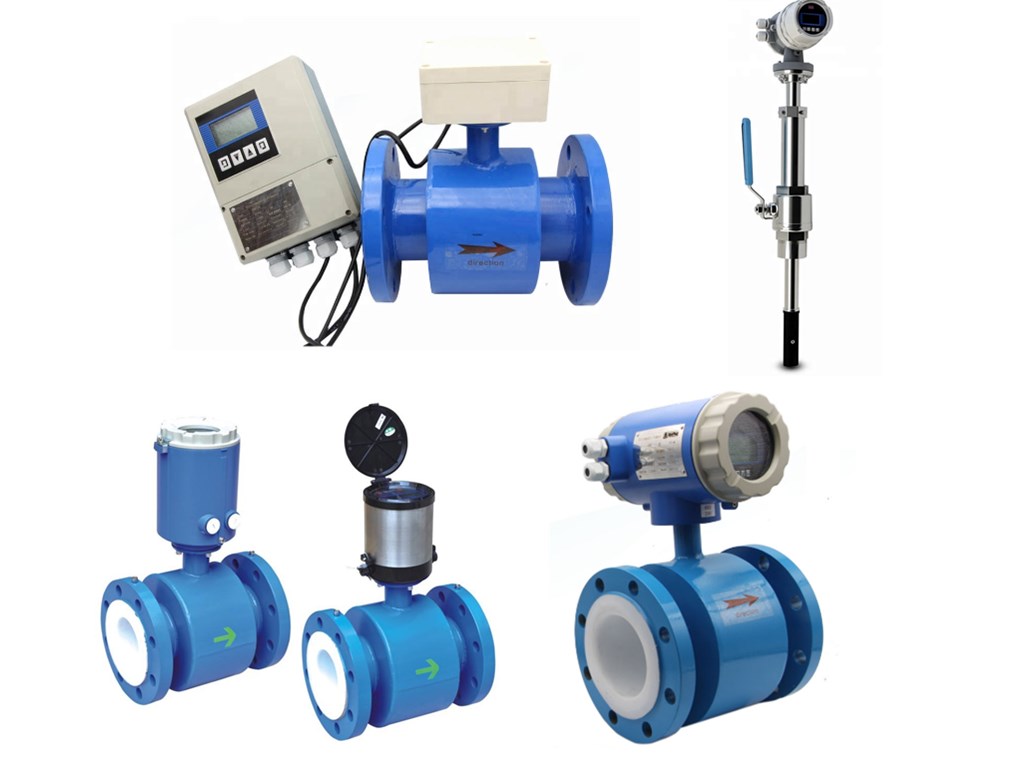
Magnetic Flow Meters
For conductive liquids in water, slurry and chemical lines. DN2–DN3000, PTFE liner, 0.5% accuracy, 4-20mA and RS485 output.
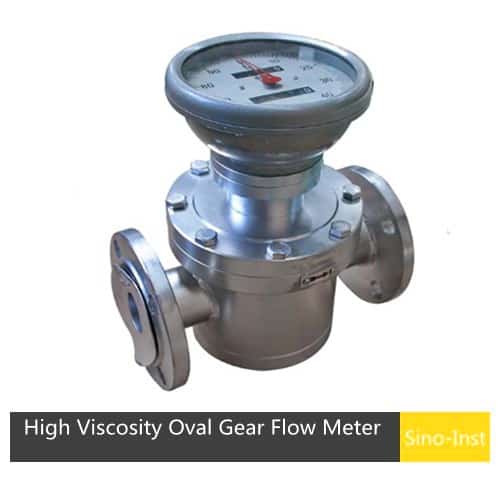
SI-3603 Stainless Steel Oval Gear Flow Meter
For oils, solvents and corrosive liquids. DN10–DN200, class 0.5 or 0.2, up to 280 °C, pulse and 4-20mA output.
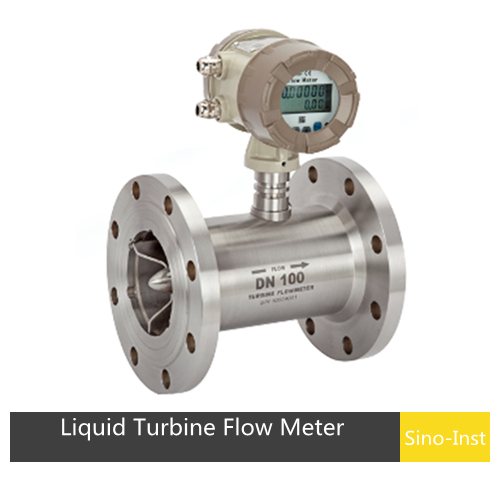
SI-3202 Liquid Turbine Flow Meter
For water, oil, fuel and chemicals. DN4–DN200, 0.5% accuracy (0.2% optional), pulse, 4-20mA or RS485 output.
FAQ
Can you convert LPM to PSI?
No, LPM is a unit of volumetric flow rate, while PSI is a unit of pressure. These two describe completely different parameters and cannot be converted. Of course, they often appear together in pipe flow measurement; our pipe flow vs. pressure calculator illustrates the relationship.
How many liters are in a UK gallon?
1 Imperial gallon is exactly equal to 4.54609 liters.
Is m³/h the same as CFM?
No, they are not the same. Both are units of volumetric flow rate, but 1 m³/h = 0.5886 CFM, while 1 CFM = 1.699 m³/h. For gas flow rates under standard conditions, please refer to our “SCFM and ACFM Calculator.”
More Flow Calculators & Guides
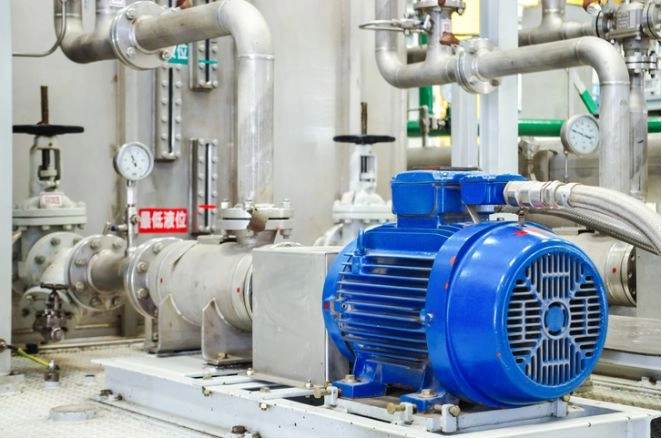
PSI to Feet of Head Converter
1 psi = 2.31 ft of water head. Convert psi to feet of head and back, with a conversion chart and specific-gravity correction.
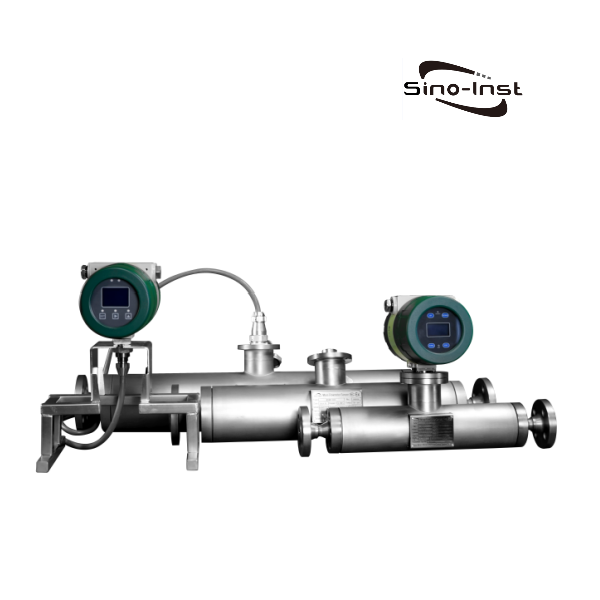
Coriolis Mass Flow Meter Sizing Tool
Check a Coriolis meter size against your flow rate, with expected accuracy and pressure drop.
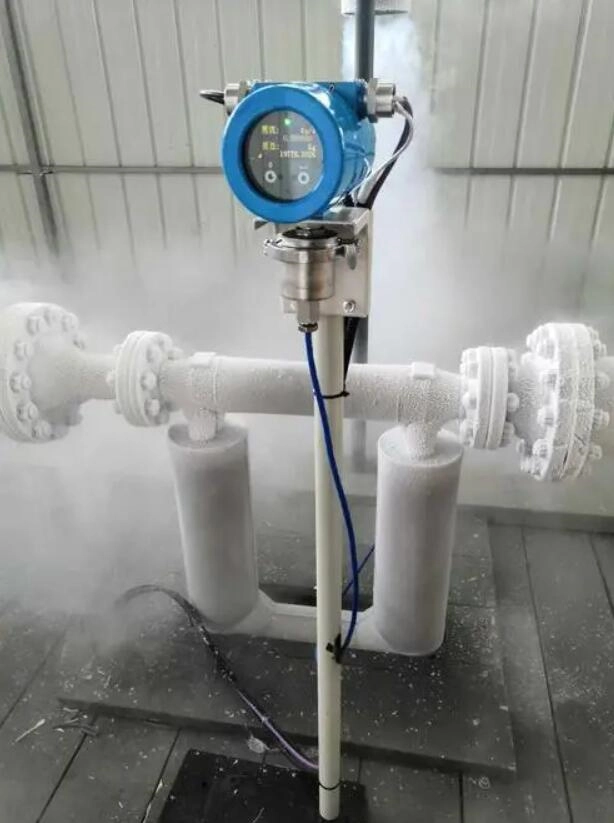
Mass Flow Rate vs Volumetric Flow Rate
Formulas, units and worked examples for converting volumetric flow to mass flow with fluid density.

Zhang Wei, possesses 20 years of experience as an automation instrumentation engineer, specializing in the research, design, installation, commissioning, and maintenance of automation instruments.
Face to various instrument communication protocols (such as Modbus, Profibus, etc.), with solid hardware circuit design and software programming skills (proficient in C language and PLC programming). Has extensive project experience; projects he has led and participated in have all achieved outstanding results, improving product accuracy, reducing costs, and increasing production efficiency.
Possesses excellent communication and coordination skills and a strong team spirit, enabling him to quickly respond to customer needs and provide high-quality automation instrumentation solutions.
Want to see more of our engineering guides in Google Search? Add Sino-Inst as a preferred source.