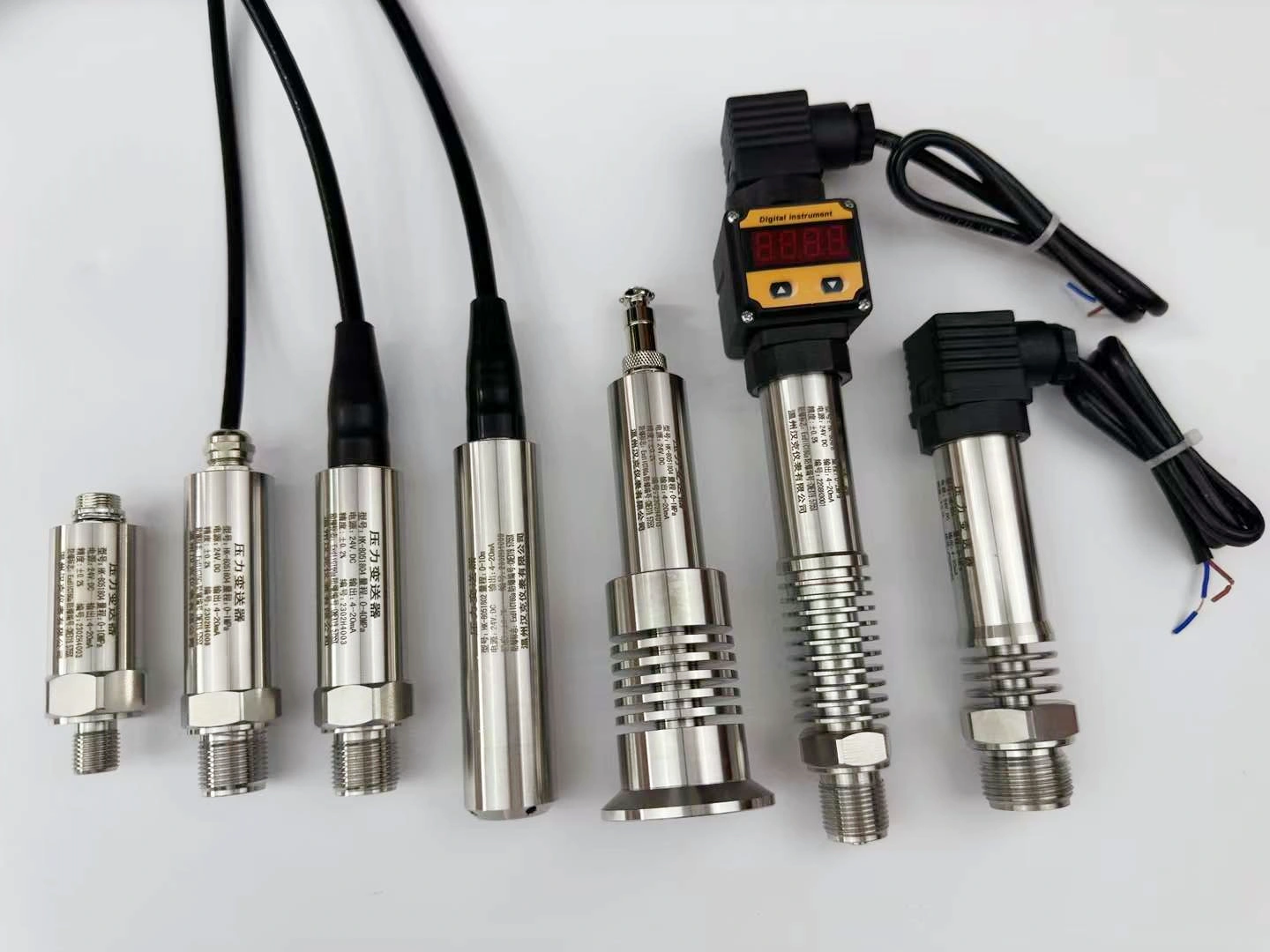
Home > Blog > What is Strain Gauge Pressure Transmitter?
What is Strain Gauge Pressure Transmitter?
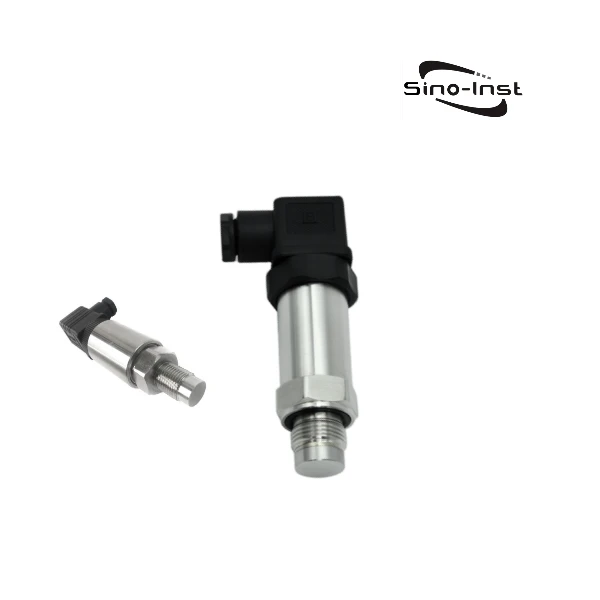
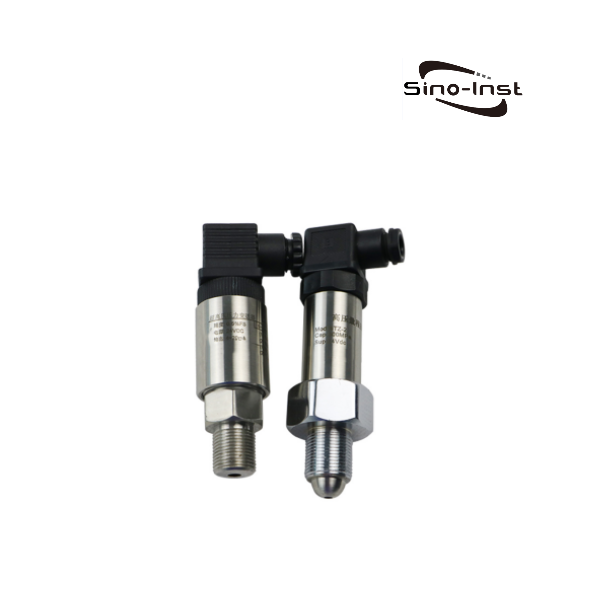
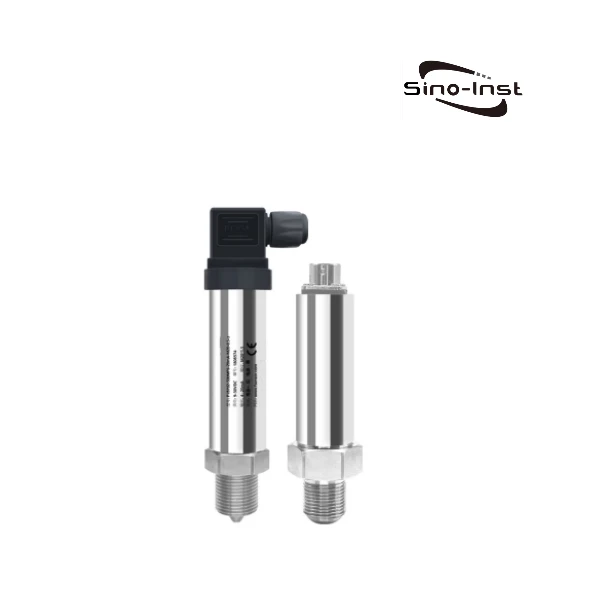
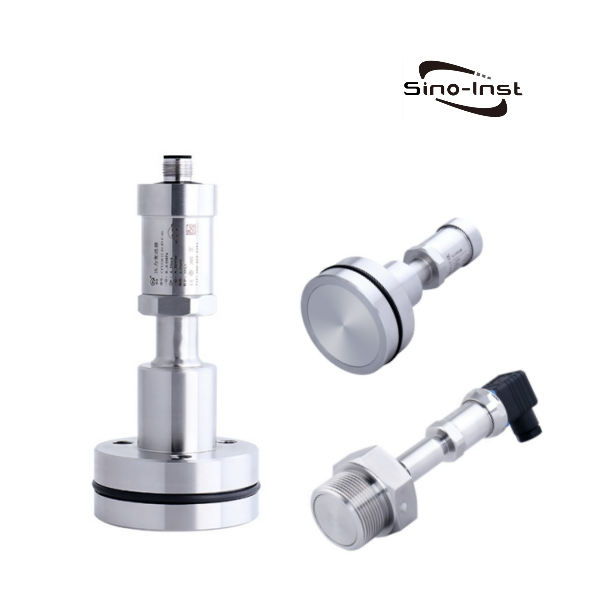
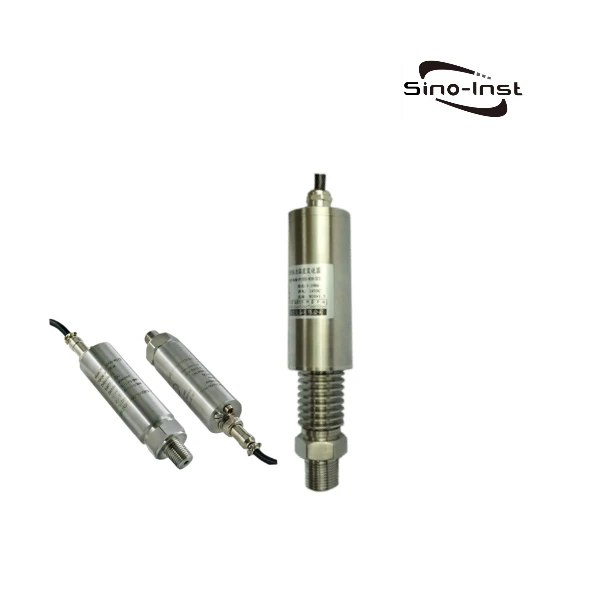
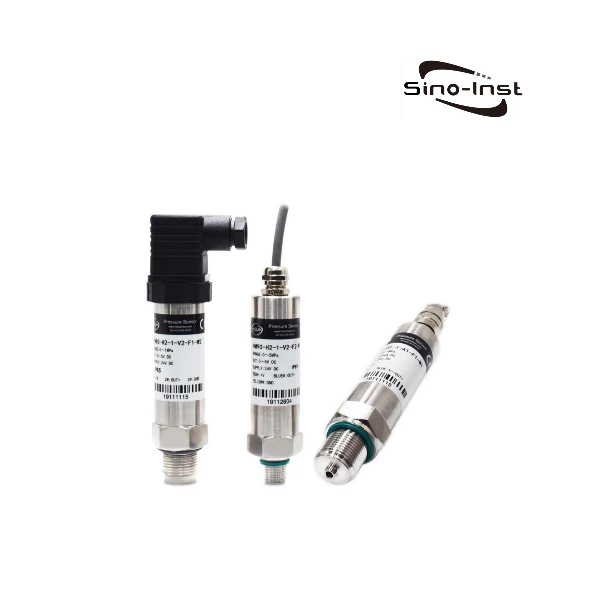
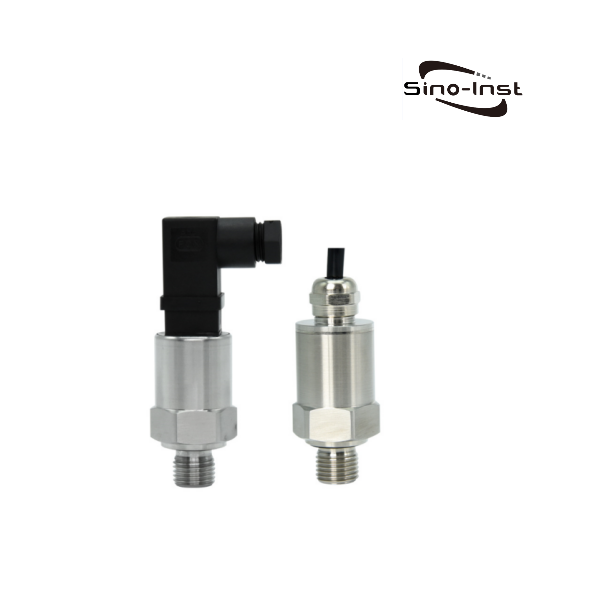
Strain gauge pressure transmitters have good shock resistance and can withstand 100G vibration, making them more suitable for measuring large pressure ranges. They are used in pressure measurement and control in industrial equipment, water pressure testing, building water supply, and hydraulic power stations.
The same piezoresistive sensing element also drives our CAN bus pressure transducer, which outputs CANopen or a custom CAN 2.0B protocol.
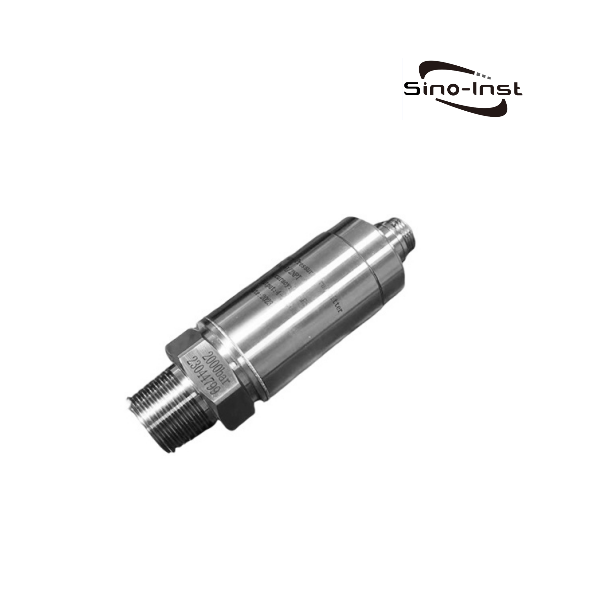
Strain gauge pressure transmitters are a type of pressure transmitter that utilizes the “strain effect” of metallic conductors for pressure measurement. From a measurement principle perspective, strain gauge pressure transmitters differ from capacitive and piezoresistive pressure transmitters.
Strain Gauge Pressure Transmitter Working Principle
A strain gauge pressure transmitter mainly consists of a strain gauge (constantan or nichrome alloy, semiconductor, etc.), a steel/aluminum alloy elastomer, and a signal amplification circuit (adjustable gain).
A strain gauge is a sensitive device that converts strain changes on a measured object into an electrical signal. The most commonly used resistance strain gauges are metal resistance strain gauges and semiconductor strain gauges. Metal resistance strain gauges are further divided into wire strain gauges and metal foil strain gauges.
Strain gauges are typically bonded tightly to a substrate that experiences mechanical strain using a special adhesive. When the substrate is subjected to stress, the strain gauge deforms, changing its resistance and consequently altering the voltage across it.
Strain gauges measure the resistance change caused by the strain of the diaphragm, thus accurately measuring the applied pressure. The resistance change of a strain gauge is usually very small (only a few tenths of an ohm to a few ohms), making direct measurement difficult. A Wheatstone bridge circuit converts this minute resistance change into an easily measurable voltage signal, while also suppressing interference and improving accuracy. The strain gauge’s output signal is amplified and converted into a voltage or current signal, which can be read by a pressure indicator or controller.
The strain effect in the principle of strain gauge pressure transmitters is similar to that in torque sensors.
Benefits of Strain Gauge Pressure Transmitters
Measurement range: -100 to 0 to 100 kPa to 150 MPa;
High accuracy, excellent long-term stability, easy installation;
Pressure transmitters are often installed in conjunction with manifolds, primarily for isolation, calibration, and venting. Manifolds control the input of the medium, ensuring measurement accuracy and safety. Manifolds are typically…
When selecting a pressure transmitter, you will inevitably encounter a very important parameter: temperature. This includes operating (medium) temperature and ambient temperature. This is because it involves an important manufacturing…
In some industrial closed environments, vacuuming is required. The vacuum pressure sensor can be used to detect the vacuum degree of the closed environment in real time. Generally, vacuum pressure…
Compare the G Thread vs NPT thread used in pressure transmitters. Understand the difference between 55-degree parallel threads and 60-degree tapered threads to ensure a secure seal. Pressure transmitters utilize…
Master dynamic pressure sensor technology. We’ll guide you through the piezoelectric principle, fast response characteristics, and industrial applications. What is a Dynamic Pressure Sensor? Dynamic pressure sensors are specifically designed…
Pressure switches and pressure sensors are both devices used to detect pressure. However, they differ significantly in their functions, operating principles, and application scenarios. Understanding Pressure Switch vs Sensor can…
High temperature and high pressure type pressure measurement is an extremely harsh measurement. Usually, the temperature is higher than 80℃, or the pressure is higher than 60MPa, which exceeds the…
Analog pressure transducers convert measured pressure into a continuous analog signal output. It provides an output signal proportional to the pressure being measured. Common analog output methods are: 4-20mA, 0-5/10V…
Strain gauge pressure transmitters play a crucial role in pressure measurement, widely used in various industrial equipment and scenarios. They can accurately measure large pressures, such as internal pipeline pressure, internal combustion engine gas pressure, differential pressure, and injection pressure. Furthermore, they are used for measuring pulsating pressure in engine and missile testing, as well as monitoring various fluid pressures.
Sino-Inst supports the customization of high-pressure and high-temperature strain gauge pressure transmitters. Please feel free to contact our sales engineers!
Zhang Wei, possesses 20 years of experience as an automation instrumentation engineer, specializing in the research, design, installation, commissioning, and maintenance of automation instruments.
Face to various instrument communication protocols (such as Modbus, Profibus, etc.), with solid hardware circuit design and software programming skills (proficient in C language and PLC programming). Has extensive project experience; projects he has led and participated in have all achieved outstanding results, improving product accuracy, reducing costs, and increasing production efficiency.
Possesses excellent communication and coordination skills and a strong team spirit, enabling him to quickly respond to customer needs and provide high-quality automation instrumentation solutions.