
Pressure Transducer for Ammonia Refrigeration
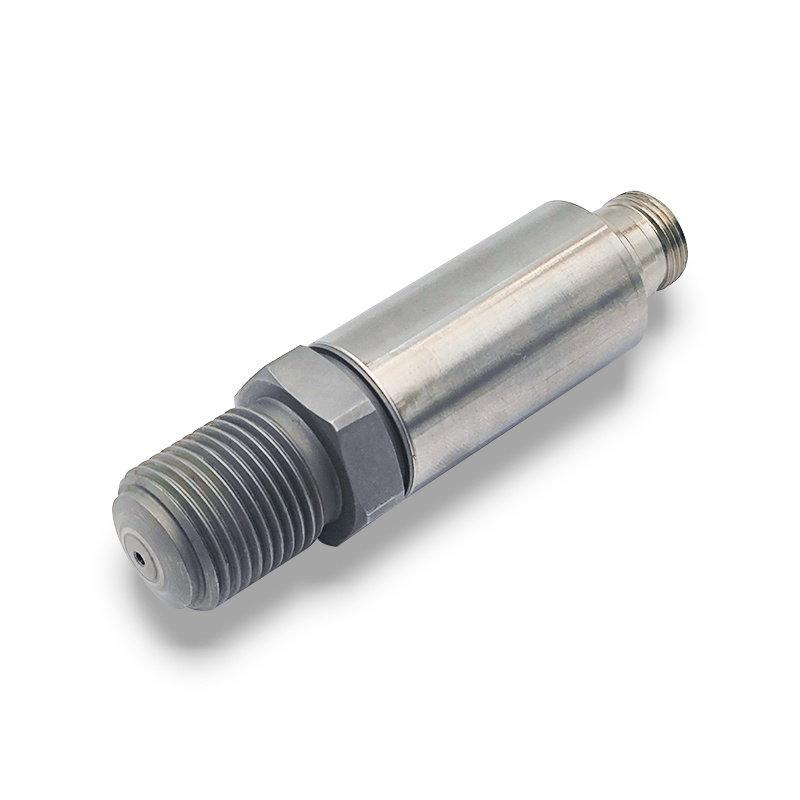
Pressure transducers for ammonia refrigeration are designed to measure the pressure and vacuum of ammonia in both liquid and gaseous states. It is mainly used in refrigeration equipment to measure the pressure of liquid ammonia, gaseous ammonia, or mixtures thereof. It is used for pressure monitoring of ammonia media in refrigeration cycles of cold storage, air conditioning systems, etc., to prevent system overload or leakage. This monitoring helps prevent system overloads or leaks.
Refrigeration Principle
Ammonia is frequently used as a refrigerant in refrigeration systems. Low-temperature, low-pressure ammonia vapor exiting the evaporator is drawn into a compressor, where it is compressed into high-temperature, high-pressure superheated vapor before entering the condenser. Because the temperature of the high-pressure, high-temperature, superheated ammonia gas is higher than that of its surrounding medium, and its pressure allows the ammonia gas to condense into a liquid state at room temperature, it is cooled and condensed into high-pressure, room-temperature liquid ammonia when discharged to the condenser.
As this high-pressure, ambient-temperature liquid passes through an expansion valve, it undergoes a pressure drop (throttling). Simultaneously, the liquid boils and evaporates, absorbing heat and causing its own temperature to fall, resulting in a low-pressure, low-temperature liquid.
When this low-pressure, low-temperature liquid is introduced into an evaporator, it absorbs heat and evaporates, lowering the temperature of the surrounding air or materials—thereby achieving a refrigeration effect. The low-pressure, low-temperature ammonia vapor then exits the evaporator and re-enters the compressor, completing the refrigeration cycle. This process is then repeated.
Ammonia (NH3) is a good refrigerant. For example, at a condensation temperature of t1 = 20°C, the saturation pressure of ammonia is not very high, about 0.857 MPa (absolute). Ammonia has a saturation temperature of about -33.6°C at 0.1 MPa (absolute). Therefore, when the evaporation temperature t2 ≥ -33.6°C, the ammonia vapor refrigeration device does not require a vacuum system, which greatly simplifies the equipment.
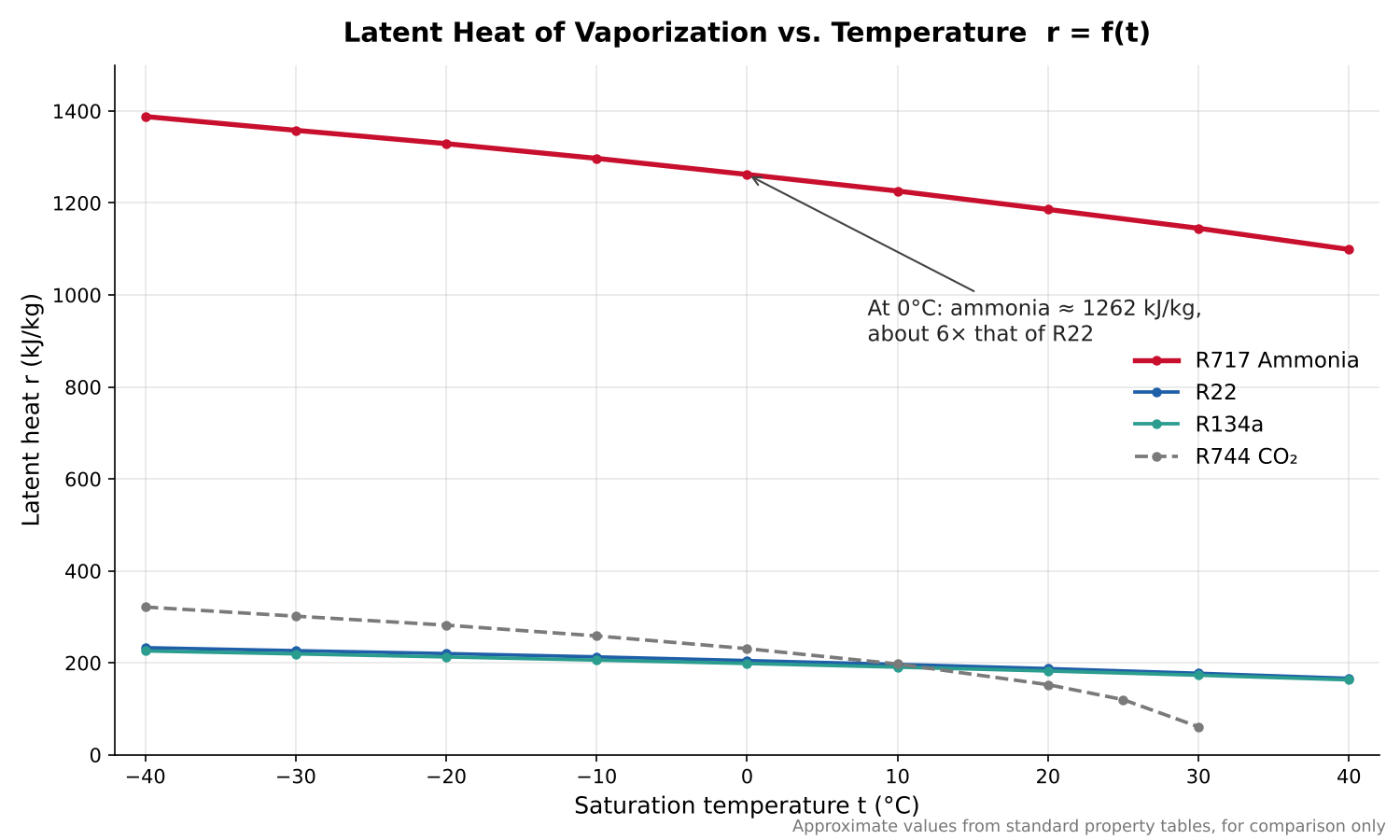
As can be seen from the curve r=f(t), ammonia has a much larger r value than any other refrigerant, thus ensuring a larger cooling capacity per kilogram of refrigerant. These characteristics have made ammonia one of the most widely utilized refrigerants in industrial refrigeration. However, it does have notable drawbacks: it is toxic and corrosive to copper.
The Importance of Pressure Transducers in Ammonia Refrigeration
As the operating principles of refrigeration systems indicate, monitoring system pressure is crucial. Installing appropriate pressure transducers allows for the transmission of ammonia pressure data to a controller, which in turn regulates the system’s compressors.
Optimizing the pressure sensing system is one way to enhance refrigeration efficiency. Accurate data enables electronic expansion valves to maximize the efficiency of the refrigeration system. Adding an additional pressure transducer at the evaporator outlet provides further information that can be used for system control.
Insufficient system pressure may indicate a refrigerant leak. Pressure transducers can alert technicians to such issues before they escalate and cause damage to sensitive equipment.
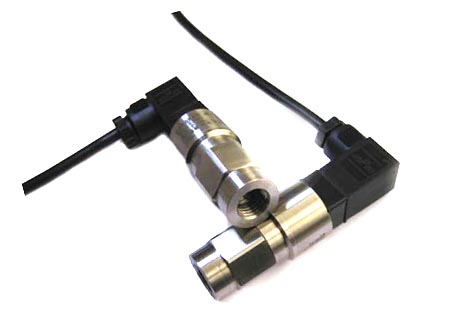
Common Measurement Points in Ammonia Refrigeration Systems
- Compressor Suction Side: Reflects the load and evaporation temperature; low-temperature systems often require a measurement range that includes negative pressure (vacuum).
- Compressor Discharge Side: Reflects high-side pressure and the operating conditions of the condenser.
- Liquid Receiver and Liquid Supply Line: Used to verify the stability of the liquid supply to the expansion device.
- Oil Pressure / Oil Pressure Differential: Essential for protecting the compressor lubrication system.
- Intermediate Pressure (in two-stage systems): Used for the control of the intercooler.
How to Choose
Selecting a pressure transducer for ammonia refrigeration systems follows the same general principles as selecting standard pressure transmitters. However, due to the specific nature of ammonia as a medium, it is critical to ensure that no copper or copper alloys are present in any components that come into contact with the refrigerant.
1. Pressure Range
Select ranges separately for the high-pressure and low-pressure sides. On the low-pressure side, negative pressure may occur when the evaporation temperature drops below approximately -33°C; therefore, a compound range (e.g., -0.1 to 1.6 MPa) should be chosen. For the high-pressure side, a range of 0–2.5 MPa is typical. Always base your selection on the system’s design pressure, and ensure the transducer’s overload capacity can withstand hydraulic shocks (liquid hammer) as well as pressure surges during system start-up and shutdown.
2. Material
Wetted parts are made of 316L stainless steel. Copper and copper alloys are strictly prohibited. Fully welded structures without sealing rings are preferred. If seals are necessary, use EPDM or neoprene; avoid fluororubber (FKM/Viton). It is recommended that the external gland be made of stainless steel as well.
3. Temperature
Temperatures on the low-side can drop below -40°C, while the discharge side may exceed 100°C. Confirm the medium temperature and compensation range, and evaluate the accuracy using the total error across the entire temperature range.
4. Accuracy and Stability
For monitoring and control, 0.5% FS is generally selected, while for fine control, 0.25% FS is selected. For continuously running systems, long-term stability must also be considered.
5. Vibration Resistance and Ingress Protection
Transducers installed near compressors should be vibration-resistant; a dampener may be required if necessary. Since low-temperature piping is prone to condensation, an ingress protection (IP) rating of at least IP65—ideally IP67—is recommended.
6. Output Signal
Common output signals include 4–20 mA; 0.5–4.5 V is frequently used in OEM equipment, while RS485/Modbus is suitable for applications requiring digital communication. Ensure compatibility with your controller before making a selection.
7. Explosion-Proof Certification
Ammonia is a combustible gas (classified as IIA, T1). If the mechanical room is designated as a hazardous area, you must select equipment with an appropriate explosion-proof rating, such as Ex ia (intrinsically safe) or Ex d (flameproof).
8. Installation and Identification
A shut-off valve shall be installed upstream of the sensor, and the gas-phase pressure tapping point shall be located on the top side of the pipeline. The nameplate must indicate that the device is specifically for NH₃/R717; a calibration report and material certification shall be provided with the shipment.
9. Mounting Threads
Pressure transmitters are typically installed using threaded connections, and we offer customization for thread sizes—common options include M20×1.5, M16×1.5, and 9/16-18 UNF. Naturally, the thread design must be compatible with the maximum pressure rating.
Pressure Transducers for Ammonia (R717) Service
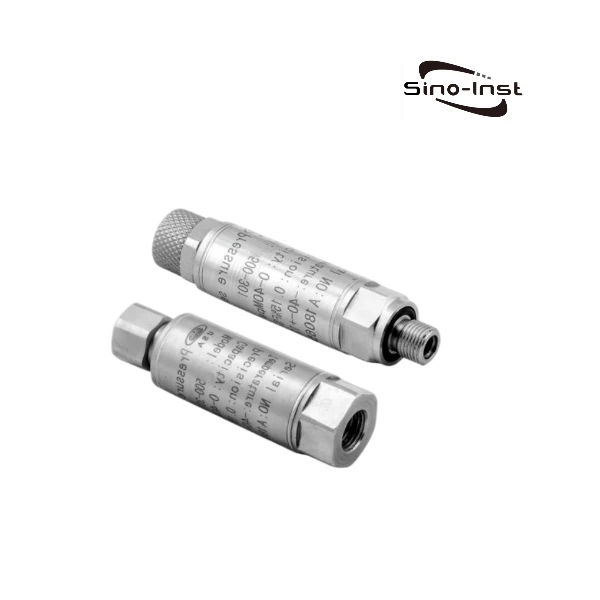
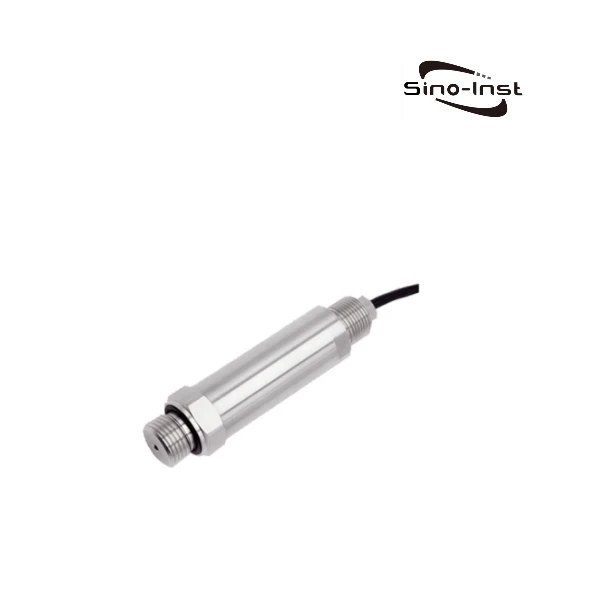
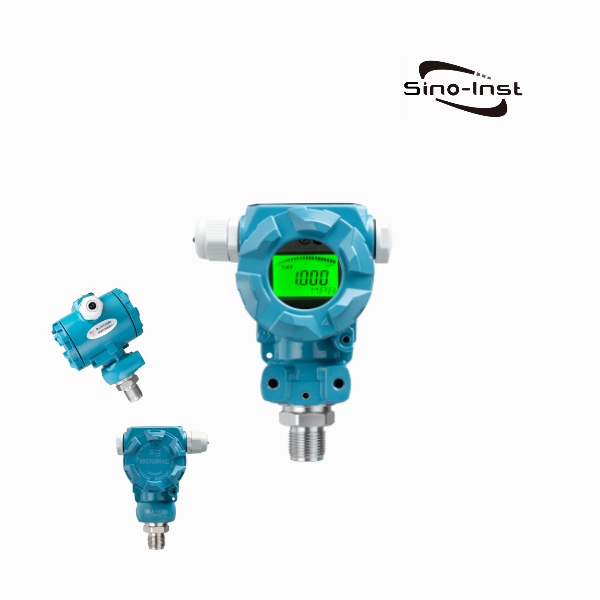
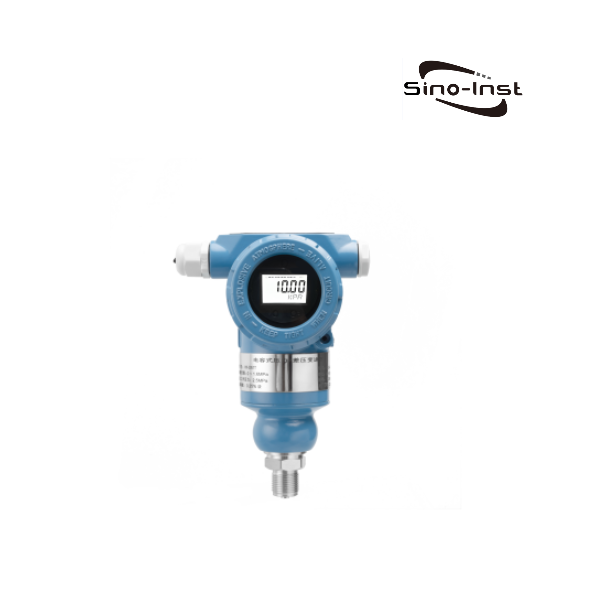
Customized Pressure Transmitters for Liquid Ammonia
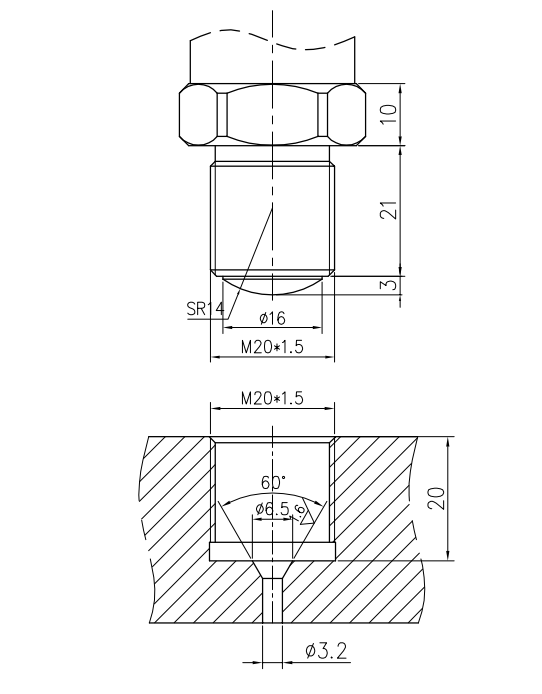
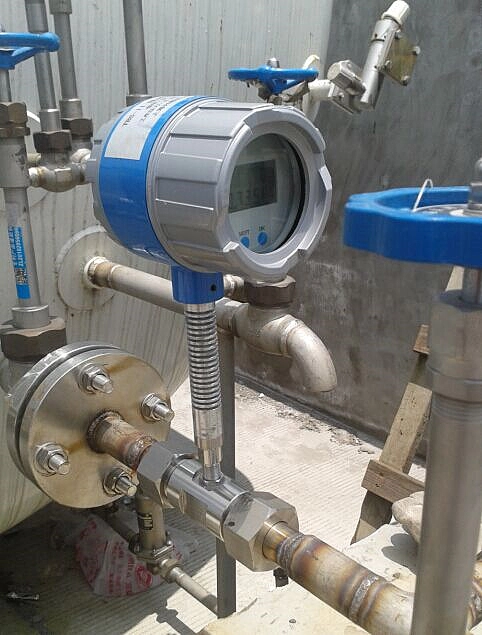
Sino-Inst supplies standard pressure transducers for ammonia refrigeration systems, and we also offer customization for specific parameters. For instance, the pressure transmitter detailed below was custom-engineered for a client’s liquid ammonia application. It is designed to withstand both high pressure (300 MPa) and high temperature (600°C). Given the 300 MPa pressure, copper gaskets cannot be used for sealing; instead, the front end features a spherical or conical sealing surface. To accommodate the 600°C high-temperature environment, the unit is equipped with an integrated cooling fin structure.
- Pressure Transmitter
- Measured Medium: Liquid Ammonia
- Corrosion-resistant and Explosion-proof
- Pressure Rating: 300 MPa
- Medium Temperature: 600°C
- Output Signal: 4–20 mA
- Thread Type: M20×1.5
- Diaphragm Material: Inconel 718
- Includes 5m Cable
More Pressure Measurement Solutions


Zhang Wei, possesses 20 years of experience as an automation instrumentation engineer, specializing in the research, design, installation, commissioning, and maintenance of automation instruments.
Face to various instrument communication protocols (such as Modbus, Profibus, etc.), with solid hardware circuit design and software programming skills (proficient in C language and PLC programming). Has extensive project experience; projects he has led and participated in have all achieved outstanding results, improving product accuracy, reducing costs, and increasing production efficiency.
Possesses excellent communication and coordination skills and a strong team spirit, enabling him to quickly respond to customer needs and provide high-quality automation instrumentation solutions.